

What Is Hell in the Pacific About?
The premise of Hell in the Pacific in 285 words, with nothing given away. The full story follows below.
In the midst of World War II’s endless Pacific theater, a solitary island becomes a crucible where two strangers are forced to confront each other beyond the uniforms that once defined them. The quiet, sun‑baked shore and the tangled jungle beyond provide a stark backdrop for a story that thrives on the isolation of war and the raw immediacy of survival.
(Captain Tsuruhiko Kuroda) arrives as a disciplined Japanese navy commander, his sense of duty and order unshaken even as the tide of battle has left him stranded. Across the beach, the American pilot crashes into the same unforgiving wilderness, his sharp instincts honed by countless missions but now tempered by injury and uncertainty. Between them lies a gulf of language, culture, and wartime hatred, yet both carry a stubborn will to live that begins to chip away at the initial enmity.
The film’s tone is spare and tense, bathing every frame in the harsh light of a sun‑scorched horizon and the muted sounds of surf and wind. Resources are scarce, and the island’s simple beauty becomes a relentless test of endurance, forcing each man to weigh survival against the instinctive need to dominate. The mood oscillates between quiet introspection and razor‑edge confrontation, emphasizing the thin line between cruelty and compassion when humanity is reduced to its most basic needs.
As days stretch into a fragile routine, the two men find themselves drawn into a reluctant partnership, their conflicting approaches to leadership and discipline producing a uneasy equilibrium. In moments of shared labor and fleeting exchange, glimpses of common humanity surface—small gestures, tentative communication, and the quiet realization that, on this isolated speck of earth, the distance between enemy and ally can become startlingly thin.
What Happens in Hell in the Pacific?
The complete story of Hell in the Pacific, from the first scene to the last, in 965 words (about 4 minutes). Spoilers throughout. Names in the text link to 2 cast member pages.
Spoilers ahead
In the vast, quiet expanse of the Pacific Theater during World War II, two men find themselves stranded on a lonely island after separate crashes. The Japanese captain, Captain Tsuruhiko Kuroda (Toshirô Mifune), begins the ordeal isolated on the sand and palm-fringed shores, while an American pilot (Lee Marvin) hides in the jungle, wounded and wary. The first tense contact between them sets the tone for a story that will test not only their endurance but their humanity. Each man harbors a keen sense of danger toward the other, and their initial exchanges are marked by menace, miscommunication, and a stubborn will to survive.
What unfolds is a stark, almost ceremonial standoff centered on a single, precious resource: drinking water. The Japanese commander’s supply becomes the focal point of a fragile stalemate, and the American’s attempts to claim more water ignite a contest of wit and nerve. The island, with its rustling trees and distant surf, becomes a stage for calculated maneuvers—shadows and sounds masking the quiet calculations of who will yield and who will endure. The American uses the camp’s fire to smoke out the other, while the Japanese conducts careful checks of his fish traps, seeking any advantage. When negotiations over water falter, the American uses the smoke screen to slip a drink from the reserve and then climbs to safety in the trees, a vivid image of both cunning and desperation.
The next day repeats the tension, but the balance shifts from pure confrontation toward a more intricate, stubborn game of survival. The American’s attempts to siphon more water lead to a fall that ruins the reservoir, worsening the thirst and escalating the tension. The two men become players in a grim game of cat and mouse: the American disrupts the Japanese’s food supply, noisily rings a canteen, and even tips loose bullets onto the fire pit, while the Japanese responds with restraint mixed with firm discipline. The feud intensifies to the point where the American, having dehydrated himself, collapses, and the captain binds him to a makeshift log, forcing him to walk the length of the sand in a ritual of reprisal. In a reversals of power, the American eventually frees himself and binds the Japanese in the same harsh exercise, a stark reminder of how cruelty can propagate as easily as companionship in extreme conditions.
Language proves another barrier that complicates any sense of peace between them. After moments of mutual frustration, the two finally loosen their grip and transition into a rough, uneasy partnership. They abandon the violence but still contest resources and space, and they learn to perform basic, shared tasks—cooking, gathering, and guard duties—while grappling with the odd, fragile realization that they might need one another to endure. The American’s leadership style clashes with the Japanese captain’s disciplined practicality, yet a functional alliance begins to form, bridged by necessity and a stubborn will to survive.
A turning point arrives when the two men notice that the Japanese captain is painstakingly constructing a raft. The American initially resents the loss of “his” log, but he ultimately confesses that the tension stemmed from feeling shut out and betrayed, and he suggests collaboration rather than further conflict. What follows is an unlikely coalition as they pool their skills to craft a large raft from bamboo and salvaged materials. They weather the reef’s fierce waves together, and after a challenging voyage, they reach open water and set their sights on a new horizon.
Their journey leads to a small archipelago where a ruined military base comes into view. The Japanese captain scouts ahead, but the American’s instincts tell him to push forward and look for any possibility of support from fellow soldiers. They discover that the base is empty of people but rich in relics of war—shaving tools, alcohol, cigarettes, and magazines that offer a glimpse into a world left behind. The moment is intimate: they pause from their conflict to share basic comforts and ordinary pleasures, a rare human exchange that momentarily softens the hard edge of their survival.
That night, the two men wash away the grime, shave, drink, and sing together, bridging the chasm of language with shared rituals. They trade questions about belief and fate as a heavier, more destabilizing truth sits just beyond the conversation: the Japanese captain reads a Life magazine issue that reveals graphic images of dead and imprisoned soldiers, a jarring confrontation with war’s brutal reality. The emotional temperature shifts as anger surfaces—each man struggles to understand what the other finds reasonable or righteous in the midst of such chaos. When shelling begins in the distance, their closeness fractures; they reach for their own boundaries of loyalty and memory. The once-befriended alliance dissolves into a sobering silence, and each man steels himself for what comes next.
In the final, quiet moment, the two stand apart—one in a makeshift, but respectful, military appearance, the other with the marks of a survivor’s grit. They exchange a final, solemn look, acknowledging the toll of their shared ordeal. Then they depart in opposite directions, the island’s salt breeze carrying away the echoes of their recent companionship. The film closes not with a clear enemy or a triumphant reunion, but with a meditative gesture: two men who endured together, yet walked away as strangers again, forever altered by the clash of cultures, language, and survival.
Note: the two principal performers, Captain Tsuruhiko Kuroda and the American pilot, bring their distinctive energies to a story that unfolds through restraint, tension, and an uneasy, evolving partnership. The film lingers on the moral ambiguities of war, the fragile bonds that form under pressure, and the ways in which creature comforts—the simple act of shaving, the sharing of songs, and the exchange of stories—become small acts of humanity amid vast, indifferent seas.
Hell in the Pacific Timeline: Every Key Event in Order
14 key events in the order they happen, from “Marooned on a lonely Pacific island” to “Final parting and a silent goodbye”. 14 events name a place, across 14 locations.
- 1
Marooned on a lonely Pacific island
A Japanese captain is stranded on an uninhabited island in the Pacific. An American pilot, also crash-landed, is heard muttering to himself in the jungle. The island becomes a crucible where their survival depends on navigating mistrust and the harsh environment.
Where:Uninhabited Pacific island
- 2
First contact and kit salvage
A survival kit washes ashore on the beach and the Japanese watches as the American salvages it from his camp. The two men confront each other at the edge of their respective territories, each wary of the other’s intent. The encounter marks the first direct interaction after being stranded.
When:Day 1 Where:Beach camp on the island
- 3
Silent standoff over water
Both men fantasize about killing each other, but the tension holds as water becomes the central prize. The American loses his water supply and is forced to retreat into the jungle, leaving the Japanese with the edge of control on the shore.
When:Day 1 Where:Beaches and jungle
- 4
Fire, smoke, and water negotiations
The Japanese lights a fire to smoke out the American and checks his offshore fish trap. When negotiations over water fail, the American uses the fire as a smoke screen to quickly steal some water, then hides atop a tree.
When:Day 1 Where:Offshore fish trap, beach
- 5
Water theft leads to a setback
The next day the American tries to steal more water but is caught and falls into the reservoir, destroying it. The attempt raises the risk of dehydration for both and intensifies the standoff.
When:Day 2 Where:Reservoir
- 6
Escalating harassment and humiliation
The American torments the Japanese by destroying the fish trap, stealing food, ringing the canteen like a bell, and tossing loose bullets onto the fire. He even urinates on the Japanese from a cliff, escalating the conflict.
When:Day 2 Where:Beach and cliff
- 7
Capture, punishment, and counter-punishment
The American collapses from dehydration and is bound to a log by the Japanese, forced to walk back and forth in the sand. When the American escapes, he binds the Japanese to the log for the same punishment, though neither can enforce the rules for long.
When:Day 2 Where:Deserted beach
- 8
Toward cooperation amid language barriers
Frustrated by miscommunication and resource struggles, the American cuts the Japanese loose and assigns him cooking duties. They still prick at each other, but they begin to share chores and resources, signaling a shift toward uneasy cooperation.
When:Day 3 Where:Beach
- 9
Planning a raft together
The American notices the Japanese building a small raft and scolds him for stealing a log, admitting his own anger at being kept out of the loop. He suggests they build a better raft together, turning a point of conflict into a shared goal.
When:Day 3 Where:Shoreline
- 10
Building a larger raft
They pool their skills to craft a large raft from bamboo on a nearby hill and overcome design disagreements as they work. The collaboration marks a turning point from suspicion to cooperation.
When:Day 4 Where:Nearby hill/shore
Show the other 4 events of Hell in the Pacific Hide the last 4 events
- 11
Escape by sea
Setting sail, they ride out the reef's waves and push into open water. After days at sea, they stumble upon a small archipelago with a ruined base.
When:Days at sea Where:Open sea, then archipelago
- 12
Ruined base and scavenging
The duo realizes the base is abandoned and scavenges for supplies such as shaving tools, alcohol, cigarettes, and magazines. The Japanese scouts ahead while the American begs for restraint, seeking human scraps of civilization.
When:After days at sea Where:Ruined Japanese base on archipelago
- 13
Night of sharing and shock
That night they shave, drink, and sing together despite their language barrier. The American presses the question of belief in God, while the Japanese reads Life magazine and is horrified by graphic photos of dead and imprisoned soldiers.
When:Night Where:Ruined base, archipelago
- 14
Final parting and a silent goodbye
Shelling sounds in the distance erase their easy camaraderie as the two prepare to part ways. The American retrieves a webbing pack while the Japanese dons a military uniform, and they share a final solemn look before departing in opposite directions.
When:End Where:Archipelago coast
Who Are the Main Characters in Hell in the Pacific?
2 characters, among them American Pilot (Lee Marvin) and Captain Tsuruhiko Kuroda (Toshirô Mifune): who each one is and the part they play in the story. Every profile links to the actor’s page.
-
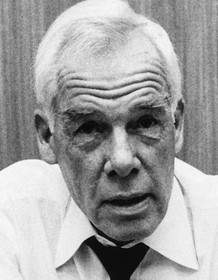
American Pilot (Lee Marvin)
Played by Lee Marvin
A skilled, hot-headed American fighter pilot who is marooned after a crash. He torments the Japanese captain and hoards resources, but over time reveals a stubborn resilience and growing capacity for cooperation. His behavior oscillates between aggression and unexpected generosity as survival overrides hostility.
- 🔥 Hot-headed
- 🧭 Pragmatic
- 🤝 Resourceful
-
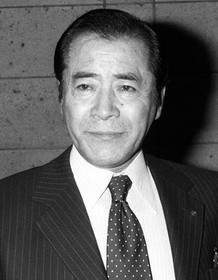
Captain Tsuruhiko Kuroda (Toshirô Mifune)
Played by Toshirô Mifune
A disciplined Japanese captain left stranded and surveying the island with a calm, methodical approach. He alternates between stern control and reluctant collaboration, learning to read the American's patterns. His restraint masks a deep sense of duty and adaptability in the face of isolation.
- 🎖️ Duty
- 🧭 Calculated
- 🤝 Reserved
Where and When Is Hell in the Pacific Set?
Hell in the Pacific is set in Uninhabited Pacific island, Pacific Ocean and remote archipelago (World War II era, 1940s). Here is why the time and place matter to the story.
When
World War II era, 1940s
Set during World War II in the Pacific Theater, the film places two stranded servicemen far from their own sides' lines. The era's brutal logistics, scarcity, and simple tools contour every decision they make for water, food, and shelter. The island's isolation mirrors the larger wartime distance between combatants, forcing a tentative, uneasy coexistence.
Where
Uninhabited Pacific island, Pacific Ocean, remote archipelago
Set on a remote, uninhabited island in the Pacific Ocean, the environment is defined by scarce water, harsh heat, and rough shoreline. The action shifts between the beach camp, the surrounding jungle and reefs, and a ruined base on a nearby archipelago. The landscape and isolation force the men to improvise shelter, share scarce resources, and confront each other without outside help.
- 🏝️ Island
- 🌊 Ocean
- 🧭 Isolation
What Are the Themes of Hell in the Pacific?
3 ideas the story keeps returning to, among them Survival, Communication and Conflict and Trust.
-
01
Survival
Survival drives every choice as water, food, and shelter become precious commodities. The two men are forced to negotiate access to scarce resources, which gradually blurs the line between foe and ally. The island acts as a pressure cooker where ingenuity and persistence determine who endures.
-
02
Communication
With language barriers and cultural differences, understanding each other seems nearly impossible. Yet shared needs push the pair toward cooperation, from sharing chores to building a raft. Moments of care—such as drinking together or tending wounds—reframe their relationship from hostility to cautious trust.
-
03
Conflict and Trust
The initial standoffs and pranks give way to a delicate alliance as they learn to rely on one another. They come to depend on each other to survive the crossing and the search for supplies. The moral complexity of war surfaces as memories of home and the enemy's humanity clash in moments of sharp realization.
What Kind of Film Is Hell in the Pacific?
Tense in tone, with slow pacing and a straightforward story, going by the plot summary.
- Tone
- Tense
- Pacing
- Slow
- Story
- Straightforward
- Intensity
- Medium
- Ending
- Bittersweet
A tense, slow-burning survival drama that explores the fragile alliance between two enemy soldiers stranded on an island, creating a claustrophobic and contemplative atmosphere of uneasy cooperation.
- tense
- isolated
- claustrophobic
- contemplative
- uneasy
- solemn
- survival
- wartime enemies
- forced cooperation
- communication barriers
Content notes: war violence, confinement, psychological manipulation.
Quiz
How well do you remember Hell in the Pacific? Test yourself on the story.
Where to Watch Hell in the Pacific
. US availability and prices from JustWatch.
Streaming availability in the US, powered by 


