Hell in the Pacific 1968


During World War II, a downed American pilot and a stranded Japanese navy captain find themselves on the same isolated Pacific island, where initial hostility gives way to reluctant cooperation, and the harsh conditions force both men to confront the thin line between enmity and humanity.


Does Hell in the Pacific have end credit scenes?
No!
Hell in the Pacific does not have end credit scenes. You can leave when the credits roll.
Meet the Full Cast and Actors of Hell in the Pacific
Explore the complete cast of Hell in the Pacific, including both lead and supporting actors. Learn who plays each character, discover their past roles and achievements, and find out what makes this ensemble cast stand out in the world of film and television.

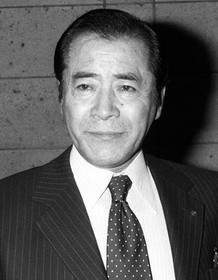
External Links and Streaming Options
Discover where to watch Hell in the Pacific online, including streaming platforms, rental options, and official sources. Compare reviews, ratings, and in-depth movie information across sites like IMDb, TMDb, Wikipedia or Box Office Mojo.





Take the Ultimate Hell in the Pacific Movie Quiz
Challenge your knowledge of Hell in the Pacific with this fun and interactive movie quiz. Test yourself on key plot points, iconic characters, hidden details, and memorable moments to see how well you really know the film.
Hell in the Pacific (1968) Quiz: Test your knowledge of the 1968 World War II survival film "Hell in the Pacific" with these ten mixed‑difficulty questions.
Who directed the 1968 film "Hell in the Pacific"?
Full Plot Summary and Ending Explained for Hell in the Pacific
Read the complete plot summary of Hell in the Pacific, including all major events, twists, and the full ending explained in detail. Explore key characters, themes, hidden meanings, and everything you need to understand the story from beginning to end.
In the vast, quiet expanse of the Pacific Theater during World War II, two men find themselves stranded on a lonely island after separate crashes. The Japanese captain, Captain Tsuruhiko Kuroda (Toshirô Mifune), begins the ordeal isolated on the sand and palm-fringed shores, while an American pilot (Lee Marvin) hides in the jungle, wounded and wary. The first tense contact between them sets the tone for a story that will test not only their endurance but their humanity. Each man harbors a keen sense of danger toward the other, and their initial exchanges are marked by menace, miscommunication, and a stubborn will to survive.
What unfolds is a stark, almost ceremonial standoff centered on a single, precious resource: drinking water. The Japanese commander’s supply becomes the focal point of a fragile stalemate, and the American’s attempts to claim more water ignite a contest of wit and nerve. The island, with its rustling trees and distant surf, becomes a stage for calculated maneuvers—shadows and sounds masking the quiet calculations of who will yield and who will endure. The American uses the camp’s fire to smoke out the other, while the Japanese conducts careful checks of his fish traps, seeking any advantage. When negotiations over water falter, the American uses the smoke screen to slip a drink from the reserve and then climbs to safety in the trees, a vivid image of both cunning and desperation.
The next day repeats the tension, but the balance shifts from pure confrontation toward a more intricate, stubborn game of survival. The American’s attempts to siphon more water lead to a fall that ruins the reservoir, worsening the thirst and escalating the tension. The two men become players in a grim game of cat and mouse: the American disrupts the Japanese’s food supply, noisily rings a canteen, and even tips loose bullets onto the fire pit, while the Japanese responds with restraint mixed with firm discipline. The feud intensifies to the point where the American, having dehydrated himself, collapses, and the captain binds him to a makeshift log, forcing him to walk the length of the sand in a ritual of reprisal. In a reversals of power, the American eventually frees himself and binds the Japanese in the same harsh exercise, a stark reminder of how cruelty can propagate as easily as companionship in extreme conditions.
Language proves another barrier that complicates any sense of peace between them. After moments of mutual frustration, the two finally loosen their grip and transition into a rough, uneasy partnership. They abandon the violence but still contest resources and space, and they learn to perform basic, shared tasks—cooking, gathering, and guard duties—while grappling with the odd, fragile realization that they might need one another to endure. The American’s leadership style clashes with the Japanese captain’s disciplined practicality, yet a functional alliance begins to form, bridged by necessity and a stubborn will to survive.
A turning point arrives when the two men notice that the Japanese captain is painstakingly constructing a raft. The American initially resents the loss of “his” log, but he ultimately confesses that the tension stemmed from feeling shut out and betrayed, and he suggests collaboration rather than further conflict. What follows is an unlikely coalition as they pool their skills to craft a large raft from bamboo and salvaged materials. They weather the reef’s fierce waves together, and after a challenging voyage, they reach open water and set their sights on a new horizon.
Their journey leads to a small archipelago where a ruined military base comes into view. The Japanese captain scouts ahead, but the American’s instincts tell him to push forward and look for any possibility of support from fellow soldiers. They discover that the base is empty of people but rich in relics of war—shaving tools, alcohol, cigarettes, and magazines that offer a glimpse into a world left behind. The moment is intimate: they pause from their conflict to share basic comforts and ordinary pleasures, a rare human exchange that momentarily softens the hard edge of their survival.
That night, the two men wash away the grime, shave, drink, and sing together, bridging the chasm of language with shared rituals. They trade questions about belief and fate as a heavier, more destabilizing truth sits just beyond the conversation: the Japanese captain reads a Life magazine issue that reveals graphic images of dead and imprisoned soldiers, a jarring confrontation with war’s brutal reality. The emotional temperature shifts as anger surfaces—each man struggles to understand what the other finds reasonable or righteous in the midst of such chaos. When shelling begins in the distance, their closeness fractures; they reach for their own boundaries of loyalty and memory. The once-befriended alliance dissolves into a sobering silence, and each man steels himself for what comes next.
In the final, quiet moment, the two stand apart—one in a makeshift, but respectful, military appearance, the other with the marks of a survivor’s grit. They exchange a final, solemn look, acknowledging the toll of their shared ordeal. Then they depart in opposite directions, the island’s salt breeze carrying away the echoes of their recent companionship. The film closes not with a clear enemy or a triumphant reunion, but with a meditative gesture: two men who endured together, yet walked away as strangers again, forever altered by the clash of cultures, language, and survival.
Note: the two principal performers, Captain Tsuruhiko Kuroda and the American pilot, bring their distinctive energies to a story that unfolds through restraint, tension, and an uneasy, evolving partnership. The film lingers on the moral ambiguities of war, the fragile bonds that form under pressure, and the ways in which creature comforts—the simple act of shaving, the sharing of songs, and the exchange of stories—become small acts of humanity amid vast, indifferent seas.

Coming soon on iOS and Android
The Plot Explained Mobile App
From blockbusters to hidden gems — dive into movie stories anytime, anywhere. Save your favorites, discover plots faster, and never miss a twist again.
Sign up to be the first to know when we launch. Your email stays private — always.
Explore the mobile appWatch Trailers, Clips & Behind-the-Scenes for Hell in the Pacific
Watch official trailers, exclusive clips, cast interviews, and behind-the-scenes footage from Hell in the Pacific. Dive deeper into the making of the film, its standout moments, and key production insights.
Hell in the Pacific Themes and Keywords
Discover the central themes, ideas, and keywords that define the movie’s story, tone, and message. Analyze the film’s deeper meanings, genre influences, and recurring concepts.

Unlock the World of Movies with Our Comprehensive Wiki
Dive into our Movie Wiki for in-depth film encyclopedia entries, including cast biographies, production trivia, plot synopses, behind-the-scenes facts, and thematic analyses. Whether you’re researching iconic directors, exploring genre histories, or discovering hidden easter eggs, our expertly curated movie database has everything you need to fuel your cinematic passion.

Similar Movies To Hell in the Pacific You Should Know About
Browse a curated list of movies similar in genre, tone, characters, or story structure. Discover new titles like the one you're watching, perfect for fans of related plots, vibes, or cinematic styles.




Quick Links: Summary, Cast, Ratings, More

What's After the Movie?
Not sure whether to stay after the credits? Find out!
Check out our other apps:

SAT Sphere
Build confidence for the Digital SAT.

Mori Atlas
Discover wild places worth protecting.

Luntero
Search smarter for a home in Amsterdam.

Plot Explained
Unravel movie endings and hidden clues.

Pokechamp
Dive into Pokémon data and battle logic.

Driving Theory
Get ready for your European theory test.

Movie Dust
Plan your next cinema trip with ease.

Musemap
Find art and culture as you travel.

Selkobase
Compare credentials before committing.

Local Manual
Turn an unfamiliar country into practical next steps.

Lernavi
Compare school systems before your next move.

GymRoam
Find a workout stop wherever your plans take you.
Explore Our Movie Platform
New Movie Releases (2026)
Famous Movie Actors
Top Film Production Studios
Movie Plot Summaries & Endings
Major Movie Awards & Winners
Best Concert Films & Music Documentaries
Movie Collections and Curated Lists
© 2026 What's After the Movie. All rights reserved.
Privacy Policy