
Wake Me When It’s Over 1960

Directed by
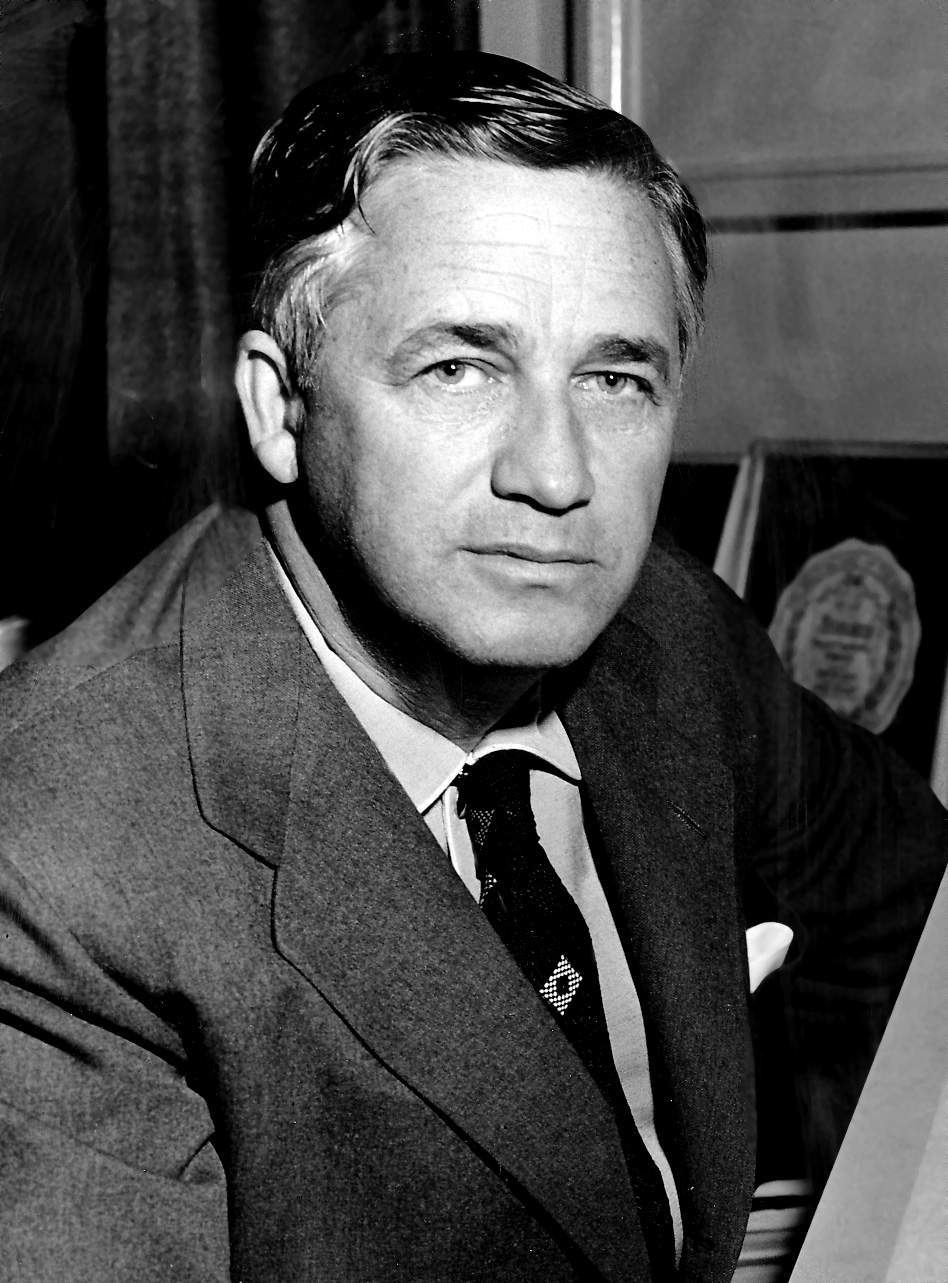
Mervyn LeRoy
Made by

Wake Me When It’s Over Plot Summary
Read the complete plot summary and ending explained for Wake Me When It’s Over (1960). From turning points to emotional moments, uncover what really happened and why it matters.
Gus Brubaker, [Dick Shawn], a self-described schnook, returns from the shadowy days after the Korean War when a wife-driven push to apply for G.I. insurance collides with a brutal bureaucratic twist: he’s listed as killed, then somehow reactivated and reassigned to a ramshackle radar outpost on a backwater island near Shima, Japan. The base is a blur of boredom, with airmen apathetic, poorly equipped, and the whole operation long past its prime. At the helm is Captain Dave “Doc” Farrington, [Jack Warden], a blunt, hard-charging leader who knows how to bend rules for a laugh, and Captain Charlie Stark, [Ernie Kovacs], a free-spirited pilot who thrives on mischief and momentum.
Gus soon falls into a scheme with Ume Tanaka, [Nobu McCarthy], the wary daughter of the island’s mayor. She introduces him to the island’s natural hot springs, a jewel the men eagerly exploit. Spurred by the trio’s plan, they set out to transform the shabby radar post into a gleaming resort—Hotel Shima—redeeming the men’s energy and giving the base a fresh purpose. Doc Farrington, with a glint of hustle, also teams up with journalist Joab Matinson, [Robert Emhardt], who stretches the truth about the water’s “healing powers” to drum up publicity that could put the hotel on the map.
To give the project legitimacy, Lt. Nora McKay, [Margo Moore], a practical and iron-willed officer, is brought in to lend a female perspective and discipline to the operation, while Stark himself grows closer to her. The plan quickly gains traction as the airmen rally around the project, and the resort begins to take shape. Nora is tasked with staffing the hotel with forty young women from the village, who, in a nod to local custom, are “sold” for two years to Gus as their papa-san, a detail that adds cultural tension to the enterprise and to the relationships forming around it. The arrangement is more than a logistical issue; it tests loyalties, affection, and the boundaries of affection in a tight-knit military community.
As the hotel takes form, Nora and Charlie’s evolving relationship adds warmth to the story, even as Nora questions whether Charlie is marriage material. The project’s success intensifies, giving the base a renewed sense of purpose and camaraderie, while the romance between Nora and Charlie deepens, binding personal and professional stakes together.
Trouble erupts when Joab, feeling embittered, drinks too much and pens a sensational account that paints Hotel Shima as a den of vice. Gus is abruptly court-martialed as the scapegoat, despite hundreds of airmen owning the venture. When Charlie insists on testifying, he’s sidelined by a chain of command anxious about reputation, and a congressional panel from Washington, DC intensifies the scrutiny. In a dramatic moment, Stark takes to the skies in a jet to buzz the trial, while Doc Farrington uses his influence to pressure and manipulate the proceedings, leveraging the base’s luxury goods to bolster his case. Stark’s protest culminates in a bold stand, and he testifies on Gus’s behalf, even as chaos erupts around the courtroom.
The verdict arrives in an awkward twist: Brubaker is found not guilty on one count but guilty of taking government property. Yet as sentencing unfolds, the court discovers it has tried the wrong man due to the earlier misstep, and the panel ultimately absolves Gus, leaving Hotel Shima in the hands of the islanders. In a culmination that blends justice with fraternity, Charlie and Nora reconcile and decide to marry, embracing a future built on trust and shared history.
As the curtain falls, Gus says a poignant goodbye to Ume Tanaka, and a sense of new beginnings fills the air. Colonel Hollingsworth, now demoted to sergeant, is reassigned to the base, bringing a quiet note of closure to the tangled web of ambition and loyalty that defined Hotel Shima. Ume waves farewell as Gus heads home, a chapter closed but not erased, and the island’s future glows with the promise of a community rebuilt by its own hands.
- Captain Dave “Doc” Farrington: [Jack Warden]
- Captain Charlie Stark: [Ernie Kovacs]
- Lt. Nora McKay: [Margo Moore]
- Gus Brubaker: [Dick Shawn]
- Ume Tanaka: [Nobu McCarthy]
- Joab Matinson: [Robert Emhardt]
- Gen. Weigang: [Raymond Bailey]
- Col. Archie Hollingsworth: [Parley Baer]
- Hap Cosgrove: [Marvin Kaplan]
- Lt. Malcolm Bressler: [Paul Comi]
- Smitty: [Tommy Farrell]
Wake Me When It’s Over Timeline
Follow the complete movie timeline of Wake Me When It’s Over (1960) with every major event in chronological order. Great for understanding complex plots and story progression.
Reinstatement and assignment to Shima
Following his WWII service, Gus Brubaker is briefly reactivated for GI insurance but a bureaucratic glitch lands him back in uniform. He is posted to a ramshackle radar station on a backwater island near Shima, Japan. The base is lethargic, poorly equipped, and demotivated, setting the stage for the unlikely plan that follows.
Capt. Stark's command revives the base
Capt. Charlie Stark, a free-spirited pilot, takes charge and injects a new energy into the stale unit. His unorthodox style jolts the men from apathy and reminds them of their past function as soldiers. For a moment the base feels alive again.
Ume Tanaka introduces the hot springs
Gus meets Ume Tanaka, daughter of the village's wary mayor. She introduces him to a pool of natural hot springs, hinting at possibilities beyond radio towers. The seeds of a hotel project begin to sprout.
The plan: turn wreckage into a resort
Gus and Charlie hatch a plan to convert the junk-strewn base into a resort hotel, using the men as labor and the wrecked equipment as building material. Doc Farrington engineers a publicity push, spinning the springs' healing powers to attract attention and investors. The project moves from fantasy to the first concrete steps.
Nora McKay joins the project
Doc brings in Lt. Nora McKay to lend order and a feminine touch to the operation. Charlie develops a romantic interest in her, raising personal stakes for the venture. The hotel project gains legitimacy as the military unit rallies around the plan.
The hotel nears completion; staff are chosen
The airmen transform the facility into a first-class operation, reviving their sense of purpose. Nora staffs the hotel with 40 young women from the village, following local custom that binds them to the project. The makeshift resort begins to take shape as construction continues.
Romance and doubts
Nora and Charlie fall in love, but Nora questions whether he is marriage material. Their relationship adds emotional tension to the enterprise as expectations clash. As the project nears completion, personal and professional lines blur.
Martinson's defamatory story threatens the hotel
Martinson drinks too much and embarrasses himself in front of the guests, then writes a vindictive story painting Hotel Shima as a den of sin. The scandal threatens to derail the venture and undermines the hotel's reputation. The base scrambles to respond to the PR crisis.
Gus is court-martialed
Gus is court-martialed as a scapegoat, despite ownership of the hotel by about 100 airmen. The proceedings seem designed to deflect blame from higher-ups. Charlie is outraged and wants to testify, but is transferred away by a reputation-conscious commander to prevent it.
Congressional inquiry and a jet-tinged twist
A congressional panel from Washington launches an investigation, widening the spotlight on the affair. Charlie ends up buzzing the trial in a jet, adding a dramatic twist. Doc Farrington uses inside knowledge of luxury goods from the hotel to pressure Colonel Hollingsworth in exchange for favorable treatment.
The trial and Stark's testimony
Stark testifies on Gus's behalf as the trial erupts with chaotic and comical proceedings. The airmen rally behind their comrade, navigating the courtroom antics and PR storms. The outcome becomes increasingly uncertain as the case unfolds.
Verdict, misidentity, and transfer of power
Gus is found not guilty on one count but guilty of taking government property. During sentencing, the court discovers it has tried the wrong man due to the earlier error. The panel ultimately frees Gus and assigns Hotel Shima to the people of the island.
Reconciliation and engagement
Charlie and Nora reconcile their earlier differences and decide to marry, signaling a personal triumph amid the upheaval. The project and relationships stabilize as the island community aligns with the hotel’s future.
Farewell and new beginnings
Gus says goodbye to Ume and prepares to depart. He observes Colonel Hollingsworth has been demoted to sergeant and reassigned to the base, marking a shift in command. Ume waves farewell as Gus heads home, closing this chapter on the island.
Wake Me When It’s Over Characters
Explore all characters from Wake Me When It’s Over (1960). Get detailed profiles with their roles, arcs, and key relationships explained.
Gus Brubaker (Dick Shawn)
A self-described schnook and war veteran who returns to service after a bureaucratic error. He channels his frustration into the Hotel Shima project, seeking purpose and redemption through hard work and leadership. His resilience and stubborn optimism drive the island venture, even as he faces public scrutiny and the risk of being scapegoated.
Captain Charlie Stark (Ernie Kovacs)
A free-wheeling, nonconformist Air Force pilot who leads the base with humor and audacity. He becomes deeply involved in the hotel project and develops a complicated romance with Nora. His actions during the trial—testifying and buzzing the trial—show his willingness to challenge authority for a cause and for his friends.
Captain Dave 'Doc' Farrington (Jack Warden)
The unit's schemes mastermind who uses the water’s supposed healing powers to gain free publicity for Hotel Shima. His opportunistic streak creates tension with others, while his influence illustrates how marketing and perception can sway public opinion. He becomes a controversial figure when the scheme collides with official investigations.
Lt. Nora McKay (Margo Moore)
A practical and capable officer who helps staff the hotel and oversees recruitment of village girls as workers. She becomes romantically involved with Charlie, balancing duty with personal feelings. Her role anchors the human side of the project and the emotional arc of the lovers within the military setting.
Ume Tanaka (Nobu McCarthy)
Daughter of the village’s unfriendly mayor who befriends Gus and guides him to the hot springs pool. Her presence ties the local community to the project and her farewell wave at the end marks the island’s acceptance of the new order. She embodies the bridge between military intrusion and local life.
Col. Archie Hollingsworth (Parley Baer)
A reputation-conscious senior officer who becomes an adversary to the hotel project and to Gus during the trial. He is central to the political and disciplinary maneuvering surrounding Hotel Shima. His demotion to sergeant at the end signals a shift in power and accountability.
Joab Matinson (Robert Emhardt)
A journalist who becomes entangled with the hotel project, initially used by Doc Farrington for publicity. His drinking and reporting help drive the controversy surrounding Hotel Shima. His presence underscores the impact of media on military ventures and public perception.
Wake Me When It’s Over Settings
Learn where and when Wake Me When It’s Over (1960) takes place. Explore the film’s settings, era, and how they shape the narrative.
Time period
Early 1950s
The story unfolds shortly after the Korean War, a time of demobilization and bureaucratic bungles. Veterans adjust to peacetime life while continuing to operate under limited resources. The period frames the men’s attempt to reclaim purpose through humor, camaraderie, and a risky business venture.
Location
Shima Island, Japan
An isolated radar station sits on a ramshackle backwater island near Shima, Japan, where a small Air Force unit operates with outdated gear. The men transform the derelict base into the Hotel Shima around natural hot springs, hoping to lift morale and draw attention. The village and its customs intertwine with the base, shaping the project and the relationships that unfold.
Wake Me When It’s Over Themes
Discover the main themes in Wake Me When It’s Over (1960). Analyze the deeper meanings, emotional layers, and social commentary behind the film.
🕊️
Redemption
Gus Brubaker seeks a second chance after being wrongfully kept in uniform. The Hotel Shima project gives him a concrete goal and a chance to prove himself beyond the label of a schnook. The trial and public scrutiny test his resolve, while the island’s community rallies around his reinvention. In the end, redemption comes through communal effort rather than individual blame.
🧾
Bureaucracy
A red-tape foulup lands Gus back in uniform and triggers a congressional investigation. The investigation exposes the fragility of decision-making processes and the thin line between accountability and scapegoating. Attempts at publicity for Hotel Shima collide with official scrutiny and political maneuvering. The episode highlights how institutions can both defend and derail personal ambitions.
🎯
Morale
The hotel project injects energy and purpose into a bored, slovenly unit, reconstituting a sense of military camaraderie. The men rally around a tangible goal, turning a run-down facility into a functioning resort. Humor, risk, and teamwork replace apathy as they rebuild the base and their own spirits. The revival culminates in a communal achievement that forces them to redefine what the unit stands for.
❤️
Love
Nora McKay and Captain Charlie Stark develop a romantic tension as they navigate duty, ambition, and affection. Their relationship adds emotional stakes to the trial and the hotel project, offering a personal counterpoint to the larger political drama. The romance helps soften the harsh realities of military life and test their readiness for commitment.

Coming soon on iOS and Android
The Plot Explained Mobile App
From blockbusters to hidden gems — dive into movie stories anytime, anywhere. Save your favorites, discover plots faster, and never miss a twist again.
Sign up to be the first to know when we launch. Your email stays private — always.
Explore the mobile appWake Me When It’s Over Spoiler-Free Summary
Discover the spoiler-free summary of Wake Me When It’s Over (1960). Get a concise overview without any spoilers.
In the uneasy lull after the Korean War, a bureaucratic error lands Gus Brubaker, a self‑described schnook, on a tiny, forgotten Japanese island where a ramshackle radar outpost drifts in quiet oblivion. The setting feels half‑deserted, half‑exotic: a remote speck of land where the Pacific waves lap against rusted antennas, and the hum of idle aircraft is the only soundtrack to a squadron stuck between duty and drift. The film settles into a breezy, off‑beat comedy that treats military routine as fertile ground for absurd mishaps and unexpected camaraderie.
The base’s daily grind is overseen by Captain Dave “Doc” Farrington, a blunt, hard‑charging leader who bends rules with a wry grin, and Captain Charlie Stark, a free‑spirited pilot who navigates the skies and the outpost’s idle boredom with equal mischief. Into this mix arrives Lt. Nora McKay, a practical, iron‑willed officer whose presence adds a disciplined, yet curious, counterpoint to the loose‑cannoned atmosphere. Meanwhile, Ume Tanaka, the cautious daughter of the island’s mayor, offers a glimpse of local life and the hidden charms of the island’s natural hot springs, hinting at possibilities beyond the radar’s static glow.
Together, this eclectic crew finds themselves gently nudged toward a collective purpose that blends military order with the island’s simple pleasures. The tone stays light and buoyant, with each character’s quirks playing off the others—Doc’s rule‑bending, Charlie’s carefree daring, Nora’s steady resolve, and Ume’s quiet pragmatism—all revolving around Gus’s well‑meaning but frequently blundering attempts to fit in. Their interactions sparkle with slapstick moments and heartfelt humor, suggesting that even in the most forgotten corners, a community can rally around shared absurdities.
The film promises a chaotic adventure steeped in good‑natured chaos, where the clash of cultures, the sting of bureaucracy, and the warm glow of unlikely friendships create a vivid portrait of post‑war life far from the front lines. The audience is invited to watch these characters stumble, laugh, and perhaps discover a surprising sense of belonging amid the island’s misty horizon.
Movies with Similar Twists and Themes
Uncover films that echo the narrative beats, emotional arcs, or dramatic twists of the one you're exploring. These recommendations are handpicked based on story depth, thematic resonance, and spoiler-worthy moments — perfect for fans who crave more of the same intrigue.


Featured on this page

What's After the Movie?
Not sure whether to stay after the credits? Find out!
Check out our other apps:

SAT Sphere
Build confidence for the Digital SAT.

Mori Atlas
Discover wild places worth protecting.

Luntero
Search smarter for a home in Amsterdam.

Plot Explained
Unravel movie endings and hidden clues.

Pokechamp
Dive into Pokémon data and battle logic.

Driving Theory
Get ready for your European theory test.

Movie Dust
Plan your next cinema trip with ease.

Musemap
Find art and culture as you travel.

Selkobase
Compare credentials before committing.

Local Manual
Turn an unfamiliar country into practical next steps.

Lernavi
Compare school systems before your next move.

GymRoam
Find a workout stop wherever your plans take you.
Explore Our Movie Platform
New Movie Releases (2026)
Famous Movie Actors
Top Film Production Studios
Movie Plot Summaries & Endings
Major Movie Awards & Winners
Best Concert Films & Music Documentaries
Movie Collections and Curated Lists
© 2026 What's After the Movie. All rights reserved.
Privacy Policy