
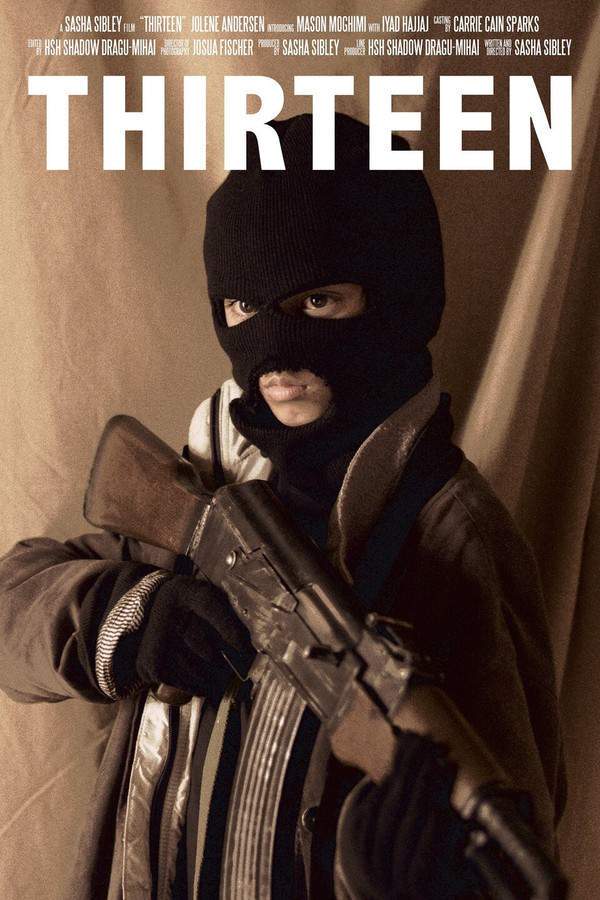
What Is Thirteen About?
The premise of Thirteen in 292 words, with nothing given away. The full story follows below.
In suburban America the summer of 1999 feels both endless and claustrophobic, a backdrop for a restless girl on the cusp of adulthood. Tracy is a bright‑eyed sophomore whose days are filled with homework, after‑school clubs, and the familiar, if uneasy, expectations of her mother, Lara. Their home is a well‑intentioned but increasingly tense arena where love and pressure clash, setting the stage for a year that will test every fragile boundary.
When a new student arrives—charismatic, edgy, and unapologetically daring—Tracy is drawn into a friendship that feels like a secret passage out of the ordinary. Evie lives on the fringe of the school’s social map, and her magnetic confidence offers a tantalizing glimpse of a world where rules are optional and the night is alive with possibility. Together they navigate a landscape of whispered parties, silent rebellions, and the restless search for identity, each moment thick with the electric buzz of teenage discovery.
The film’s tone is a raw, unfiltered portrait of adolescence, captured through a kinetic visual style that mirrors the volatility of its protagonists. The lighting shifts from the soft glow of suburban homes to the neon flare of after‑hours gatherings, underscoring the duality of safety and danger that the characters constantly negotiate. A pulsing soundtrack of late‑90s pop and rock amplifies the urgency of every choice, while the camera lingers on fleeting glances that speak louder than dialogue.
At its core, Thirteen explores the delicate dance between longing and loyalty, the pull of independence against the weight of familial expectations. It invites the audience to feel the tension of a young woman standing at the edge of a precipice, aware that each step forward could either define her future or unravel the fragile ties that hold her together.
What Happens in Thirteen?
The complete story of Thirteen, from the first scene to the last, in 877 words (about 4 minutes). Spoilers throughout. Names in the text link to 3 cast member pages.
Spoilers ahead
During the tense moments of the Cold War, the United States and the Soviet Union found themselves at the brink of nuclear catastrophe, each possessing enough weapons to obliterate the planet multiple times over. The story unfolds in October 1962, when U-2 spy planes reveal that the Soviets are secretly installing intermediate-range ballistic missiles in Cuba—specifically the SS-4 Sandal missiles capable of reaching US cities, including Washington D.C., with nuclear warheads. These 32 missiles, supported by around 3,400 Soviet personnel, pose a direct threat, as their activation would leave less than five minutes for warning in case of any launch, making the crisis incredibly perilous.
President John F. Kennedy (Bruce Greenwood), along with his team of advisors, faces the daunting challenge of devising a strategy to prevent these missiles from becoming operational. Among his key figures are Attorney General Robert F. Kennedy (Steven Culp), Secretary of Defense Robert McNamara (Dylan Baker), and other military and diplomatic leaders who underscore the gravity of the situation. The military leaders advocate for a swift, aggressive response—namely, air strikes and an invasion of Cuba—believing that any delay would allow the missiles to become active. This approach, however, weighs heavily on Kennedy, who is wary of such an aggressive escalation, fearing it could trigger a full-scale war, especially if the Soviets retaliate by invading NATO allies like Berlin.
Kennedy’s concern draws a vivid analogy to the outbreak of World War I, referencing The Guns of August, emphasizing how outdated military tactics might lead to disastrous consequences when nuclear weapons are involved. He recognizes that any military action must be carefully considered, as initiating a strike under these circumstances could very likely ignite nuclear conflict. His advisers, including Dean Acheson and George Whelan Anderson Jr., emphasize the need for a measured approach, even as some military figures, like General Curtis LeMay, push relentlessly for preemptive attacks they believe will forestall Soviet actions.
In a desperate effort to avoid war, Kennedy refuses to authorize an immediate attack and instead implements a naval quarantine, or what the government publicly describes as a “blockade,” to prevent additional missiles from reaching Cuba. This move involves stopping and inspecting ships heading toward the island, with the U.S. naval forces prepared to enforce the quarantine. Meanwhile, the Soviet government, led by [Nikita Khrushchev], sends mixed signals, raising the peril of miscommunication on both sides.
Adding to the tension are covert operations and intelligence mishaps: Soviet ships attempt to bypass the quarantine, resulting in brinkmanship that could have easily escalated into violence. American military commands raise their alert levels, and tests are conducted without Kennedy’s knowledge, highlighting how disconnected some actions are from presidential oversight. Off the coast of Cuba, Soviet submarines are detected trying to evade U.S. patrols, raising fears of nuclear confrontation. Kennedy orders destroyers to force the submarines to surface using torpedoes, but ultimately, the Soviet ships retreat, and the crisis momentarily subsides.
Inside the United Nations, Adlai Stevenson II ([Michael Fairman]) presents irrefutable evidence of Soviet missile installations in Cuba, successfully confronting the aggressive denials of the Cuban and Soviet representatives. Behind the scenes, secret back-channel negotiations between the United States and the USSR begin, with Soviet spy Aleksandr Fomin attempting to broker a deal—offering to remove the missiles in Cuba in exchange for public US assurances never to invade Cuba. Additionally, the Soviets propose that the US evacuate its Jupiter missiles from Turkey—an offer that Kennedy’s team considers but debates thoroughly.
Throughout this period, the crisis deepens as the missile sites in Cuba become fully operational, and the Soviets deploy tactical nuclear weapons on the island. Tensions skyrocket with military alerts soaring to DEFCON 2, just one step from full-scale nuclear war. Kennedy faces multiple pivotal decisions, including whether to order a strike on the missile sites, which would lead to invasion and potentially catastrophic retaliation. An American U-2 reconnaissance plane is shot down during a surveillance mission, resulting in the death of the pilot, Rudolf Anderson, adding personal tragedy to the geopolitical turmoil.
Kennedy’s inner circle debates whether to respond with force or to seek a diplomatic resolution. A crucial meeting occurs when Kennedy sends his brother, Robert F. Kennedy, to meet secretly with Soviet ambassador Anatoly Dobrynin. During this discreet exchange, Robert demands the removal of Soviet missiles from Cuba in exchange for a US promise not to invade. Dobrynin insists that the US must also withdraw its Jupiter missiles from Turkey, leading to delicate negotiations. Secret communications reveal an emerging compromise: the Soviets will withdraw their missiles from Cuba, provided the US secretly agrees to remove its missiles from Turkey within six months—a move that helps prevent an imminent nuclear conflict.
As the crisis reaches its climax, President Kennedy opts to avoid military escalation. He authorizes targeted strikes on the missile sites and considers the invasion of Cuba, but ultimately, diplomatic channels find favor. The Soviets agree to dismantle their missile installations in Cuba, averting the disaster of nuclear war. The film concludes with a somber reflection, including Kennedy composing a condolence letter to the family of Rudolf Anderson and the Kennedy brothers and advisers standing outside the Oval Office as recordings of Kennedy’s historic speech at American University ring out, emphasizing the hope for peace amidst the shadows of nuclear threat.
Thirteen Timeline: Every Key Event in Order
12 key events in the order they happen, from “Discovery of Soviet Missiles in Cuba” to “Post-Crisis Reflection”. 12 events name a place, across 7 locations.
- 1
Discovery of Soviet Missiles in Cuba
U-2 reconnaissance photos reveal that the Soviet Union is installing intermediate-range ballistic missiles in Cuba, capable of striking major US cities. The US government becomes aware of the 32 missiles being serviced by 3,400 Soviet personnel, posing a significant threat. This discovery sets the stage for the crisis and US response planning.
When:October 1962 Where:Cuba
- 2
US Convenes Crisis Meetings
President Kennedy and his advisers gather to discuss the threat posed by the Soviet missiles. Military leaders suggest immediate strikes and invasion, but Kennedy is hesitant, considering the possibility of nuclear escalation and the risk of provoking a wider war. Tensions rise as the administration assesses options.
When:October 1962 Where:Washington, D.C.
- 3
Kennedy Rejects Immediate Military Action
Kennedy decides against a preemptive strike, fearing it may trigger nuclear war and escalate the conflict. Instead, he opts for a naval quarantine around Cuba to prevent further Soviet arms shipments, signaling a push for a peaceful resolution while maintaining military alert status.
When:October 1962 Where:Washington, D.C.
- 4
Implementation of Naval Quarantine
The US Navy establishes a blockade around Cuba, stopping all ships entering Cuban waters and inspecting them for weapons. Meanwhile, the US military is placed on DEFCON 3 alert, ready to respond if necessary, as Soviet and Cuban officials react to the quarantine plan.
When:October 1962 Where:Cuba and Atlantic Ocean
- 5
Soviet and US Diplomatic Moves
Soviet ambassador Anatoly Dobrynin maintains that the Soviet military presence in Cuba is purely defensive, while the US presents evidence of offensive missile deployment. Secret negotiations and back-channel communications begin, with the Soviets offering to remove missiles in exchange for US guarantees.
When:October 1962 Where:UN and Washington
- 6
International Attention and UN Showdown
Adlai Stevenson presents irrefutable evidence of Soviet missiles in Cuba during the UN Security Council, publicly shaming Soviet and Cuban representatives. This boosts US diplomatic pressure and boosts Kennedy's image as a strong leader in the crisis.
When:October 1962 Where:United Nations
- 7
Soviet Response and Escalation
A Soviet ship attempts to run the blockade, but is warned and fired upon, prompting military and diplomatic tension. The US forces also detect Soviet submarines, raising fears of a potential underwater escalation if triggered.
When:October 1962 Where:Cuba and Atlantic Ocean
- 8
Secret Communications and Negotiations
Back-channel messages reveal the Soviets’ willingness to remove the missiles in Cuba if the US commits to not invading Cuba. The US considers the proposals, debating whether to accept or reject these diplomatic overtures.
When:October 1962 Where:Washington
- 9
US Prepares for Possible Attack
Despite diplomatic efforts, JFK authorizes preparations for a military strike and invasion scheduled for the upcoming week. A U-2 plane is shot down over Cuba, resulting in the death of the pilot, Rudolf Anderson, further escalating the crisis.
When:October 1962 Where:Cuba
- 10
Meetings with Soviet Representatives
Kennedy’s brother, Robert F. Kennedy, meets with Soviet ambassador Dobrynin to negotiate a peaceful resolution, demanding the removal of Soviet missiles from Cuba. Dobrynin counters with US demands to remove missiles from Turkey, complicating the negotiations.
When:October 1962 Where:Washington
- 11
Resolution and Removal of Missiles
Khrushchev agrees to remove Soviet missiles from Cuba in exchange for a US public declaration not to invade Cuba. Secretly, the US also agrees to remove its Jupiter missiles from Turkey within six months, as part of a clandestine understanding.
When:October 1962 Where:Cuba and Turkey
- 12
Post-Crisis Reflection
President Kennedy issues a condolence letter to the family of the downed pilot. The crisis ends with the removal of Soviet missiles from Cuba, avoiding nuclear conflict. The leaders reflect on the dangerous brinkmanship that characterized the confrontation.
When:October 1962 Where:Washington
Who Are the Main Characters in Thirteen?
4 characters, among them John F. Kennedy (Bruce Greenwood), Robert F. Kennedy (Steven Culp) and Anatoly Dobrynin (Elya Baskin): who each one is and the part they play in the story.
- JF
John F. Kennedy (Bruce Greenwood)
The President of the United States during the crisis, Kennedy is depicted as a cautious yet resolute leader. He faces immense pressure from military advisers but strives to find a peaceful solution to avoid nuclear conflict.
- 🎖️ Leader
- 🧠 Strategist
- 🕊️ Peacemaker
- RF
Robert F. Kennedy (Steven Culp)
The Attorney General and JFK's brother, Robert is portrayed as a key adviser advocating for diplomatic solutions. He plays a vital role in back-channel negotiations with the USSR.
- 🤝 Negotiator
- 💼 Advisor
- 🧠 Strategist
- AD
Anatoly Dobrynin (Elya Baskin)
The Soviet ambassador acting as a diplomatic channel between the USSR and the US. He maintains that the USSR's military presence is purely defensive but is involved in delicate negotiations regarding the missiles.
- 🎩 Diplomat
- 🕵️♂️ Spy
- 🤝 Negotiator
- NK
Nikita Khrushchev
Soviet Premier, Khrushchev is depicted through coded messages and behind-the-scenes negotiations, representing the USSR's strategic and political stance during the crisis.
- 🧓 Leader
- 🕸️ Politician
- 🕊️ Negotiator
Where and When Is Thirteen Set?
Thirteen is set in Cuba, United States and USSR (October 1962). Here is why the time and place matter to the story.
When
October 1962
The events take place during the Cuban Missile Crisis in October 1962, a peak period of Cold War tensions between the US and USSR. This time is marked by heightened fears of nuclear war, political brinkmanship, and covert negotiations, reflecting a period where diplomacy was fragile but crucial.
Where
Cuba, United States, USSR
The movie is set primarily in Cuba, the United States, and the USSR during the Cold War. Cuba serves as the flashpoint for the nuclear crisis, with its strategic missile sites. The USA and USSR are depicted as the main global powers involved in a tense standoff, highlighting the geopolitical tension of the early 1960s.
- 🌎 Cold War
- 🚢 Naval Blockade
- 🏝️ Caribbean
What Are the Themes of Thirteen?
2 ideas the story keeps returning to, among them Diplomacy & Tension and Conflict & Resolution.
-
01
Diplomacy & Tension
The movie centers on the delicate balance between military action and diplomatic negotiations during a potential nuclear war. It explores themes of leadership, decision-making under pressure, and the importance of communication to prevent catastrophe.
-
02
Conflict & Resolution
The film highlights the intense conflict between military imperatives and political hesitations. It underscores how close the world came to nuclear war and how diplomacy ultimately played a role in resolving the crisis peacefully.
What Kind of Film Is Thirteen?
Tense in tone, with steady pacing and a moderate story, going by the plot summary.
- Tone
- Tense
- Pacing
- Steady
- Story
- Moderate
- Intensity
- High
- Ending
- Bittersweet
A relentlessly tense historical drama that immerses the viewer in the high-stakes, claustrophobic decision-making rooms of the Cuban Missile Crisis, creating a palpable sense of global catastrophe narrowly averted.
- tense
- anxious
- suspenseful
- claustrophobic
- grave
- urgent
- political crisis
- cold war
- nuclear threat
- diplomacy
Content notes: war violence, nuclear threat, death of military personnel.
Quiz
How well do you remember Thirteen? Test yourself on the story.
