Logo What's After the Movie

Thirteen 2000

Box Office

$68M

Budget

$42M

Runtime

87 min

Language

English

English

A rebellious teenager's relationship with her mother becomes increasingly strained as she delves into a world of substance abuse, risky behavior, and petty crime. Drawn to a charismatic but troubled best friend, she experiences the challenges of adolescence and confronts difficult choices that test her loyalties and threaten to derail her future.

A rebellious teenager's relationship with her mother becomes increasingly strained as she delves into a world of substance abuse, risky behavior, and petty crime. Drawn to a charismatic but troubled best friend, she experiences the challenges of adolescence and confronts difficult choices that test her loyalties and threaten to derail her future.

Does Thirteen have end credit scenes?

No!

Thirteen does not have end credit scenes. You can leave when the credits roll.

Meet the Full Cast and Actors of Thirteen

Explore the complete cast of Thirteen, including both lead and supporting actors. Learn who plays each character, discover their past roles and achievements, and find out what makes this ensemble cast stand out in the world of film and television.


No actors found

Ratings and Reviews for Thirteen

See how Thirteen is rated across major platforms like IMDb, Metacritic, and TMDb. Compare audience scores and critic reviews to understand where Thirteen stands among top-rated movies in its genre.


Metacritic

78

Metascore

tbd

User Score

Take the Ultimate Thirteen Movie Quiz

Challenge your knowledge of Thirteen with this fun and interactive movie quiz. Test yourself on key plot points, iconic characters, hidden details, and memorable moments to see how well you really know the film.


Cuban Missile Crisis Quiz: A challenging quiz about the tense events of the 1962 Cuban Missile Crisis depicted in the film.

Who was the President of the United States during the Cuban Missile Crisis?

Full Plot Summary and Ending Explained for Thirteen

See more

Read the complete plot summary of Thirteen, including all major events, twists, and the full ending explained in detail. Explore key characters, themes, hidden meanings, and everything you need to understand the story from beginning to end.


During the tense moments of the Cold War, the United States and the Soviet Union found themselves at the brink of nuclear catastrophe, each possessing enough weapons to obliterate the planet multiple times over. The story unfolds in October 1962, when U-2 spy planes reveal that the Soviets are secretly installing intermediate-range ballistic missiles in Cuba—specifically the SS-4 Sandal missiles capable of reaching US cities, including Washington D.C., with nuclear warheads. These 32 missiles, supported by around 3,400 Soviet personnel, pose a direct threat, as their activation would leave less than five minutes for warning in case of any launch, making the crisis incredibly perilous.

President John F. Kennedy (Bruce Greenwood), along with his team of advisors, faces the daunting challenge of devising a strategy to prevent these missiles from becoming operational. Among his key figures are Attorney General Robert F. Kennedy (Steven Culp), Secretary of Defense Robert McNamara (Dylan Baker), and other military and diplomatic leaders who underscore the gravity of the situation. The military leaders advocate for a swift, aggressive response—namely, air strikes and an invasion of Cuba—believing that any delay would allow the missiles to become active. This approach, however, weighs heavily on Kennedy, who is wary of such an aggressive escalation, fearing it could trigger a full-scale war, especially if the Soviets retaliate by invading NATO allies like Berlin.

Kennedy’s concern draws a vivid analogy to the outbreak of World War I, referencing The Guns of August, emphasizing how outdated military tactics might lead to disastrous consequences when nuclear weapons are involved. He recognizes that any military action must be carefully considered, as initiating a strike under these circumstances could very likely ignite nuclear conflict. His advisers, including Dean Acheson and George Whelan Anderson Jr., emphasize the need for a measured approach, even as some military figures, like General Curtis LeMay, push relentlessly for preemptive attacks they believe will forestall Soviet actions.

In a desperate effort to avoid war, Kennedy refuses to authorize an immediate attack and instead implements a naval quarantine, or what the government publicly describes as a “blockade,” to prevent additional missiles from reaching Cuba. This move involves stopping and inspecting ships heading toward the island, with the U.S. naval forces prepared to enforce the quarantine. Meanwhile, the Soviet government, led by [Nikita Khrushchev], sends mixed signals, raising the peril of miscommunication on both sides.

Adding to the tension are covert operations and intelligence mishaps: Soviet ships attempt to bypass the quarantine, resulting in brinkmanship that could have easily escalated into violence. American military commands raise their alert levels, and tests are conducted without Kennedy’s knowledge, highlighting how disconnected some actions are from presidential oversight. Off the coast of Cuba, Soviet submarines are detected trying to evade U.S. patrols, raising fears of nuclear confrontation. Kennedy orders destroyers to force the submarines to surface using torpedoes, but ultimately, the Soviet ships retreat, and the crisis momentarily subsides.

Inside the United Nations, Adlai Stevenson II ([Michael Fairman]) presents irrefutable evidence of Soviet missile installations in Cuba, successfully confronting the aggressive denials of the Cuban and Soviet representatives. Behind the scenes, secret back-channel negotiations between the United States and the USSR begin, with Soviet spy Aleksandr Fomin attempting to broker a deal—offering to remove the missiles in Cuba in exchange for public US assurances never to invade Cuba. Additionally, the Soviets propose that the US evacuate its Jupiter missiles from Turkey—an offer that Kennedy’s team considers but debates thoroughly.

Throughout this period, the crisis deepens as the missile sites in Cuba become fully operational, and the Soviets deploy tactical nuclear weapons on the island. Tensions skyrocket with military alerts soaring to DEFCON 2, just one step from full-scale nuclear war. Kennedy faces multiple pivotal decisions, including whether to order a strike on the missile sites, which would lead to invasion and potentially catastrophic retaliation. An American U-2 reconnaissance plane is shot down during a surveillance mission, resulting in the death of the pilot, Rudolf Anderson, adding personal tragedy to the geopolitical turmoil.

Kennedy’s inner circle debates whether to respond with force or to seek a diplomatic resolution. A crucial meeting occurs when Kennedy sends his brother, Robert F. Kennedy, to meet secretly with Soviet ambassador Anatoly Dobrynin. During this discreet exchange, Robert demands the removal of Soviet missiles from Cuba in exchange for a US promise not to invade. Dobrynin insists that the US must also withdraw its Jupiter missiles from Turkey, leading to delicate negotiations. Secret communications reveal an emerging compromise: the Soviets will withdraw their missiles from Cuba, provided the US secretly agrees to remove its missiles from Turkey within six months—a move that helps prevent an imminent nuclear conflict.

As the crisis reaches its climax, President Kennedy opts to avoid military escalation. He authorizes targeted strikes on the missile sites and considers the invasion of Cuba, but ultimately, diplomatic channels find favor. The Soviets agree to dismantle their missile installations in Cuba, averting the disaster of nuclear war. The film concludes with a somber reflection, including Kennedy composing a condolence letter to the family of Rudolf Anderson and the Kennedy brothers and advisers standing outside the Oval Office as recordings of Kennedy’s historic speech at American University ring out, emphasizing the hope for peace amidst the shadows of nuclear threat.

Uncover the Details: Timeline, Characters, Themes, and Beyond!

Mobile App Preview

Coming soon on iOS and Android

The Plot Explained Mobile App

From blockbusters to hidden gems — dive into movie stories anytime, anywhere. Save your favorites, discover plots faster, and never miss a twist again.

Sign up to be the first to know when we launch. Your email stays private — always.

Watch Trailers, Clips & Behind-the-Scenes for Thirteen

See more

Watch official trailers, exclusive clips, cast interviews, and behind-the-scenes footage from Thirteen. Dive deeper into the making of the film, its standout moments, and key production insights.


Thirteen Days Theatrical Movie Trailer (2001)

Official UK Re-Release Trailer

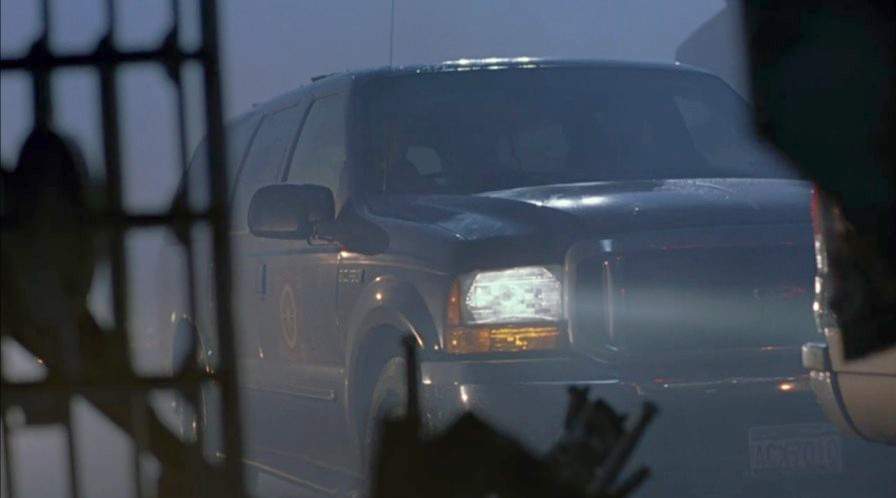
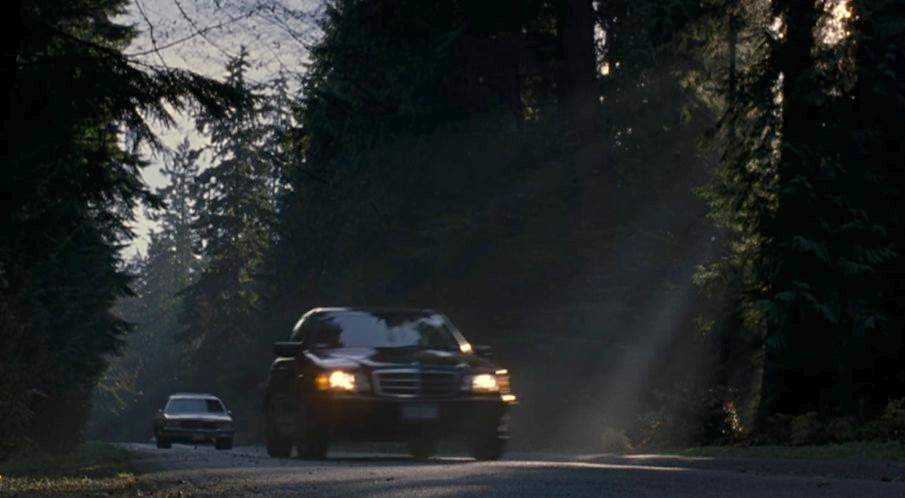
Cars Featured in Thirteen

See 23 more

Explore all cars featured in Thirteen, including their makes, models, scenes they appear in, and their significance to the plot. A must-read for car enthusiasts and movie buffs alike.


Buick

1986

Skylark

Chevrolet

C-Series

Chevrolet

1995

Cavalier

Chevrolet

1973

Monte Carlo

Chevrolet

1997

Venture

Dodge

1981

Aries K

Dodge

1976

Aspen Wagon

Ford

2000

Excursion

Honda

1984

Civic

Hyundai

1984

Pony

Thirteen Themes and Keywords

Discover the central themes, ideas, and keywords that define the movie’s story, tone, and message. Analyze the film’s deeper meanings, genre influences, and recurring concepts.


u.s. politicianinternational crisisarmed forces1960scold war eramissilecubablockadecrisisnuclear weaponsriskatomic weaponpower politicsthreat of warpresidential advisorwar footingpoliticsnuclear threatcuban missile crisispolitical crisisdiplomacycold warbased on true storyu.s. soviet relationssoviet embassyflightlieambassadorinternational relationspolitical superpowerpresident of the united statespoliticianphoto reconnaissanceatlantic oceanrobert mcnamara characteradlai stevenson characterdean acheson characterdean rusk charactermcgeorge bundy characterjohn mccone charactercurtis lemay characterrichard daley characterpierre salinger characterandrei gromyko characteranatoly dobrynin charactermaxwell taylor charactercigarette smokingflatulencef wordworld war three
Movie Wiki CTA - Movie Book

Unlock the World of Movies with Our Comprehensive Wiki

Dive into our Movie Wiki for in-depth film encyclopedia entries, including cast biographies, production trivia, plot synopses, behind-the-scenes facts, and thematic analyses. Whether you’re researching iconic directors, exploring genre histories, or discovering hidden easter eggs, our expertly curated movie database has everything you need to fuel your cinematic passion.

Movie Wiki CTA - Green Blue Wave

© 2025 What's After the Movie. All rights reserved.