What Is They/Them About?
The premise of They/Them in 285 words, with nothing given away. The full story and the ending follow below.
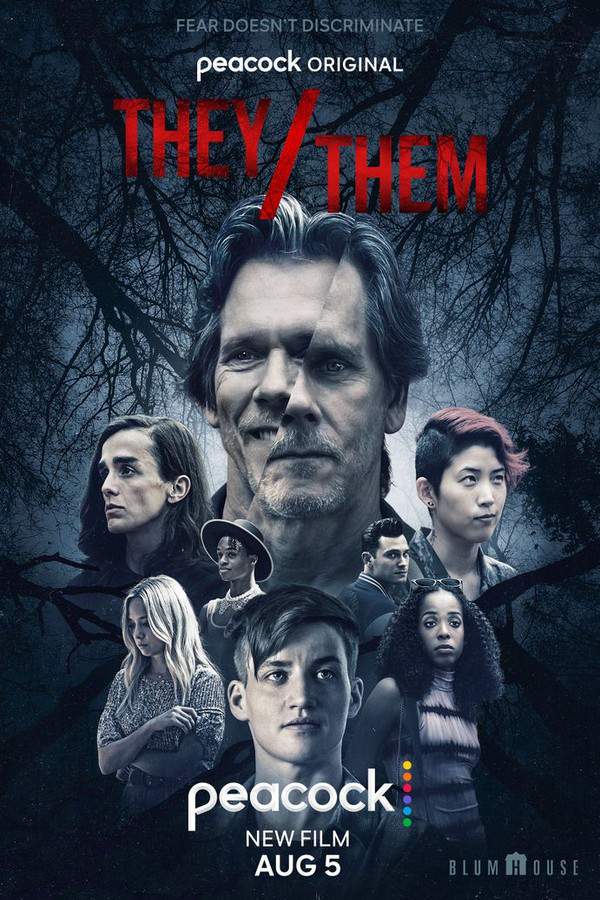
In a remote, pine‑scented wilderness a sleek facility markets itself as a haven for LGBTQ youth seeking “rehabilitation.” The camp’s glossy brochure promises safe space and personal growth, yet the sprawling grounds feel more like a maze of quiet corridors and watchful eyes. From the moment the newcomers arrive, the atmosphere crackles with an uneasy blend of hopeful anticipation and underlying dread, as the promise of acceptance is shadowed by rigid routines and subtle coercion.
Leading the group is Owen, a charismatic director whose polished smile masks an unspoken authority that shapes every interaction. Among the campers, Jordan arrives with a fragile bargain struck with a religious family, embodying the tension between survival and self‑assertion. Alexandra, carrying the weight of a concealed trans identity, navigates the camp’s expectations while quietly seeking solidarity. The staff, including a determined nurse named Molly, add layers of complexity, oscillating between compassion and the enforcement of the camp’s strict agenda.
The daily schedule—group circles, structured activities, and mandatory therapy sessions—serves as both a façade of community and a mechanism of control. As the youths are nudged to share their stories, they grapple with the psychological techniques designed to reshape belief and behavior. Friendships flicker into alliances, while mistrust lingers like fog among the cedars, hinting that not all eyes are benevolent.
Beneath the regimented routine, a quiet menace begins to stir. Whispers of an unseen presence circulate, and the once‑ordered environment grows increasingly hostile, turning simple interactions into guarded exchanges. The campers find themselves caught between confronting internal demons and the looming threat that shadows the camp’s corridors, setting the stage for a tense struggle to reclaim agency and escape the sinister grasp of the place they entered seeking refuge.
What Happens in They/Them?
The complete story of They/Them, from the first scene to the last, in 675 words (about 3 minutes). Spoilers throughout. Names in the text link to 10 cast member pages.
Spoilers ahead
At night, a shadowy figure murders a person driving toward Whistler Camp, a conversion camp that presents itself as a refuge for LGBTQ youth. By morning, a new group arrives at the camp, led by Owen Owen, who frames Whistler as an inclusive space that will not try to forcibly change anyone. He divides the arrivals into boys’ and girls’ cabins, but the non-binary camper Jordan Jordan is unsettlingly placed with the boys, a decision that sets a tense tone for what follows.
The campers gather in a circle to share why they came. Jordan explains they struck a deal with their religious family to attend for a week so they could seek legal emancipation, a move that underscores the complexity and vulnerability of their situation. The next morning, Owen singles out Alexandra Alexandra for not disclosing that she is trans and orders her to join the boys’ cabin for dishonesty. This moment exposes the camp’s harsh, controlling attitude beneath its polished exterior.
Alexandra later convinces the camp’s nurse, Molly Molly, to provide her estradiol, highlighting how individuals navigate power and survival within the system. The group participates in activities run by the camp’s former member and athletics director Zane Zane and his fiancée, activities director Sarah Sarah, who help shape the daily schedule and atmosphere of the place.
One night, Owen splits the campers into pairs, handcuffing them together and sending them into the woods with instructions to regroup at dawn. In the quiet, Jordan and Alexandra glimpse a mysterious figure moving near the trees. The next day, the camp’s therapist, Dr. Cora Whistler Cora, belittles the youths for who they are, singling out Jordan in particular and pushing them further into distress. A dance party to the song “Perfect” by Pink momentarily lifts spirits, even as tension simmers beneath the surface.
That night, Jordan sneaks into the main office and uncovers photographs revealing the camp’s troubling history, including the torture of children. Molly catches the intruder and promises protection, a rare moment of solidarity in a place built on control. The groundskeeper, Balthazar, is killed by the masked figure while observing the girls’ shower through a spy camera, underscoring the danger stalking the camp.
The following day, the group is divided by gender again: Owen takes the boys to a shooting range while the girls bake pies for them. Jordan defeats Zane in the shooting contest, prompting Owen to revert to using male pronouns for Jordan. In a grim test of loyalty, Owen orders Toby Toby, a gay man, to shoot his dog Duke because the animal is sick; if Toby refuses, Zane will torture the dog. When Toby hesitates, Jordan takes drastic action and kills Duke, then leaves in anger.
Determined to escape, Jordan, Alexandra, and Toby plan to leave Whistler Camp the next morning. Meanwhile, Gabriel Gabriel manipulates Stu Stu and the two have sex, only for Gabriel to reveal that he secretly works for Whistler Camp. The trio’s attempt to resist is met with punishment: aversion therapy, a form of electroshock torture, is used to try to “correct” Stu.
A decisive moral clash erupts as Molly quits and tells Owen she will go to the police. He retaliates, pressing her to stay. The mysterious figure continues to wreak havoc, killing Zane and Sarah, and delivering a fatal shock to Gabriel. All the participants rally together in shock and fear as the bodies mount.
The danger culminates when the killer strikes again, murdering Cora. Alexandra steps into a leadership role, guiding the younger campers toward safety and helping them leave the camp grounds. The killer’s identity is finally revealed: Angie Phelps, who had attended Whistler Camp herself and endured torture there at the hands of Owen, has taken on Molly’s identity to dismantle the operation from within. Angie confronts Owen but cannot be stopped by force, and the moment allows Jordan to reclaim some agency by refusing to join Angie’s crusade. Angie is arrested, and the surviving campers resolve to live their lives to the fullest, free from fear and coercion.
They/Them Timeline: Every Key Event in Order
12 key events in the order they happen, from “Night murder on the road to Whistler Camp” to “A vow to live freely”. 12 events name a place, across 8 locations.
- 1
Night murder on the road to Whistler Camp
A mysterious figure shoots a person driving toward Whistler Camp in the dead of night, then disappears into the darkness. The brutal incident foreshadows the violence that will intrude on the camp.
When:Night Where:Road to Whistler Camp
- 2
Camp arrival and welcome
In the morning, a group of LGBTQ youths arrives at Whistler Camp, run by Owen Whistler, who promises an inclusive safe space. He divides the campers into boys' and girls' cabins, but Jordan, who is non-binary, is uneasy about the assignment.
When:Morning Where:Whistler Camp
- 3
Circle of reasons
The campers gather in a circle to share why they came to Whistler Camp. Jordan explains a plan with their religious family to attend for a week so they can seek emancipation legally.
When:Day 1 Where:Whistler Camp Circle
- 4
Outed identity and hormone request
The next morning, Dr. Cora belittles the campers for their identities and outs Alexandra as trans, sending her to the boys' cabin for dishonesty. Alexandra later convinces nurse Molly to obtain estradiol for her.
When:Morning Where:Camp facilities
- 5
Activities and the woods encounter
The group participates in activities overseen by Zane and Sarah. One night, Owen splits the campers into handcuffed pairs to walk into the woods alone, promising they will regroup in the morning. Jordan and Alexandra glimpse a mysterious figure lurking in the trees.
When:Night Where:Whistler Camp; Woods
- 6
Groundskeeper killed, history hinted
The following day, tensions rise as the camp is reminded of its dark past. The mysterious figure kills the groundskeeper Balthazar while he observes the girls' showers through a spy cam, heightening fear across the camp.
When:Day Where:Camp Grounds
- 7
Gender split and the Duke incident
Owen divides the campers by gender, guiding the boys to a shooting range while the girls bake pies for them. He pressures Toby to shoot Duke, a cancer-stricken dog, warning of torture from Zane if he refuses; Jordan then shoots Duke and storms off.
When:Day Where:Shooting Range / Camp Grounds
- 8
Betrayal and coercive therapy
Gabriel seduces Stu and reveals that he works for Whistler Camp. Stu endures aversion therapy in an attempt to force heterosexuality, while Molly quits in protest and considers reporting the camp.
When:Night Where:Camp Facilities
- 9
Murder spree among staff and residents
The mysterious figure continues the killings, brutally murdering Zane and Sarah and fatally electrocuting Gabriel. The camp reels as the violence escalates and the survivors fear for their lives.
When:Night Where:Whistler Camp
- 10
Cora killed; escape plan forms
After the carnage, the group discovers the body of Dr. Cora Whistler. Alexandra leads the younger campers toward safety and begins planning a mass exit from the camp.
When:Day Where:Whistler Camp
- 11
Angie Phelps exposed and Owen confrontation
The killer is revealed to be Angie Phelps, Molly’s replacement who murdered the real Molly to take the nurse’s place and shut down conversion camps. She attacks Owen, but Jordan refuses to help her; Angie kills Owen, and the police arrest her.
When:Night Where:Whistler Camp
- 12
A vow to live freely
With the danger behind them for now, the survivors choose to live their lives to the fullest, honoring those harmed and seeking a future free from coercive harm.
When:Epilogue Where:Whistler Camp
Who Are the Main Characters in They/Them?
11 characters, among them Jordan (Theo Germaine), Alexandra (Quei Tann) and Owen Whistler (Kevin Bacon): who each one is and the part they play in the story. 10 of them link to the actor’s page.
- J(
Jordan (Theo Germaine)
Played by Theo Germaine
Jordan is non-binary and uncomfortable with being forced into binary cabins. They arrive seeking emancipation and quickly become a catalyst for group solidarity, questioning staff authority and demanding autonomy. Their arc centers on resilience, moral growth, and choosing self-determination even when it endangers themself. They refuse to be weaponized by the camp’s schemes and push others toward greater honesty and courage.
- 🌈 Non-binary
- 🧭 Identity
- 🤝 Resilience
-
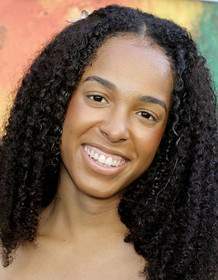
Alexandra (Quei Tann)
Played by Quei Tann
Alexandra is openly transgender and becomes a flashpoint within the camp’s rigid rules. Outed by the staff and entangled with control dynamics, she asserts her identity while navigating the camp’s coercive environment. She collaborates with others to demand honesty and fair treatment, illustrating courage under pressure.
- 🏳️⚧️ Transgender
- ⚖️ Honesty
- 💪 Resilience
-
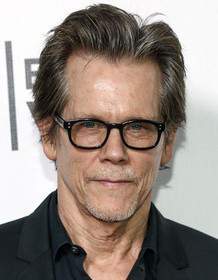
Owen Whistler (Kevin Bacon)
Played by Kevin Bacon
Owen runs Whistler Camp with a veneer of care that masks coercive control. He divides campers, enforces gendered expectations, and uses threats to maintain power, revealing how benevolent language can disguise abusive authority. His manipulation and cruelty drive much of the oppression faced by the group.
- 🎭 Charismatic
- 🔒 Control
- 🔥 Abuse of power
-

Molly (Anna Chlumsky)
Played by Anna Chlumsky
Molly serves as the camp nurse who initially appears supportive of the campers. She becomes entangled in the camp’s corruption, ultimately faced with dangerous pressures that force her to choose between compliance and protecting the youths.
- 🩺 Caregiver
- 🤝 Trust
- 💔 Betrayal
-

Dr. Cora Whistler (Carrie Preston)
Played by Carrie Preston
Dr. Cora Whistler is the camp’s therapist who belittles campers for their identities. Her role exemplifies the abusive medicalization of queerness, contributing to the atmosphere of manipulation and fear. She ultimately becomes a casualty of the unfolding violence.
- 🧠 Therapist
- 💬 Gaslighting
- 💔 Victim
- T(
Toby (Austin Crute)
Played by Austin Crute
Toby is a gay man navigating coercive pressures at the camp. He faces brutal choices under threat and forms part of the group’s resistance, displaying courage and loyalty to fellow campers in the face of coercion.
- 🏳️🌈 Gay
- 🛡️ Courage
- 🤝 Solidarity
- Z(
Zane (Boone Platt)
Played by Boone Platt
Zane is the camp’s athletic director and a figure of authority who embodies the camp’s toxic notion of toughness. He uses his position to push dangerous activities and enforce power dynamics, meeting a violent end at the hands of the story’s killer.
- 🏃♂️ Athlete
- ⚔️ Power
- 🩸 Violence
- S(
Sarah (Hayley Griffith)
Played by Hayley Griffith
Sarah is Zane’s fiancée and the camp's activities director. She participates in the camp’s routines but becomes a victim of the killer’s violence, highlighting the collateral damage of oppressive systems.
- 🤝 Partner
- 🏃♀️ Athletics
- 💔 Victim
- G(
Gabriel (Darwin del Fabro)
Played by Darwin del Fabro
Gabriel seduces Stu and appears to be part of the camp’s inner circle, while secretly working for Whistler. His duplicity exposes the manipulation and the veneer of safety offered by the camp’s workers, ultimately ending in his death.
- 💘 Seduction
- 🕵️♂️ Undercover
- ⚡ Power dynamics
- S(
Stu (Cooper Koch)
Played by Cooper Koch
Stu is a camper drawn into a complicated dynamic with Gabriel and subjected to the camp’s coercive methods. His experience reflects the vulnerability of youths under controlled environments and the system’s attempts to steer sexuality through force.
- 💑 Relationship
- 🧪 Aversion therapy victim
- ⚖️ Manipulation
- AP
Angie Phelps
Angie is the former camper who returns with a mission to dismantle conversion camps. She murders the real Molly and takes her place as camp nurse, aiming to end the system from within before turning on Owen. Her actions culminate in a final confrontation that leads to her arrest.
- ⚖️ Vigilante justice
- 🕯️ Revenge
- 💪 Survivor
Where and When Is They/Them Set?
They/Them is set in Whistler Camp (Present-day, early 2020s). Here is why the time and place matter to the story.
When
Present-day, early 2020s
The narrative unfolds in a contemporary timeframe, reflecting current debates over LGBTQ rights and conversion practices. The camp uses modern means of manipulation, from ideological pressure to controlled social dynamics. The events highlight ongoing struggles for autonomy, safety, and acceptance in a modern context.
Where
Whistler Camp
Whistler Camp is the central setting, presented as a supposedly inclusive space for LGBTQ youths that masks a coercive, controlling environment. The camp operates with assigned cabins, surveillance, and coercive therapies. Its history is marked by traumatic events and hidden cruelties that come to light throughout the story.
- 🏕️ Camp
- 🧭 Remote location
- 🕯️ Dark past
What Are the Themes of They/Them?
3 ideas the story keeps returning to, among them Identity, Trauma and Resistance & Justice.
-
01
Identity
The film centers on LGBTQ youths negotiating how they are seen and labeled by others. Jordan’s non-binary identity and Alexandra’s transgender journey are tested by the camp’s rules and the staff’s biases. The story explores self-acceptance, the danger of enforced conformity, and the resilience found in chosen communities.
-
02
Trauma
Whistler Camp embodies systemic abuse, with gaslighting, invasive therapies, and punitive measures aimed at erasing identities. Characters confront past and present harms, while the camp’s history surfaces as a catalyst for resistance. The narrative shows how trauma shapes choices and how healing begins through solidarity and truth.
-
03
Resistance & Justice
The campers and allies push back against oppression, culminating in a mission to dismantle the camp’s mechanisms of control. Unity and courage drive the pursuit of accountability, even at great personal risk. The story emphasizes speaking out, protecting one another, and seeking justice as pathways to empowerment.
How Does They/Them End?
The last act of They/Them and what it means, in 198 words. The ending lands as happy. Big spoilers: read the plot summary first if you have not seen it.
The final act, in full
The ending reveals that the real culprit behind the masked murders is Angie Phelps, a former camp survivor who blames the Whistler facility for destroying her life. Angie was driven by rage and grief, and her motive becomes clear when she confronts Owen Whistler. She had come to the camp seeking revenge for her suffering there, and her killings are an act of vengeance against those who perpetuated the horrors of conversion therapy. Throughout the climax, Angie attacks camp members, killing Owen and attempting to persuade Jordan to join her in her violent campaign to eradicate such camps. However, Jordan chooses to reject her call for violence and instead walks away, emphasizing their desire for peace and a better life. The police arrive and arrest Angie, ending her vendetta and preventing further bloodshed. In the end, Jordan finds a sense of closure, deciding not to perpetuate hatred and instead embracing their independence and future, having rejected the cycle of violence and hatred fueled by past trauma. Although the film’s climax is somewhat predictable and lacks the emotional punch it could have had, it ultimately underscores the importance of choosing compassion over revenge in the face of deep wounds.
What Kind of Film Is They/Them?
Dark in tone, with steady pacing and a moderate story, going by the plot summary.
- Tone
- Dark
- Pacing
- Steady
- Story
- Moderate
- Intensity
- High
- Ending
- Happy
A high-tension, dark horror thriller set in a conversion camp, where the constant threat of psychological abuse and a physical killer creates a deeply oppressive and anxious atmosphere, culminating in a hard-won catharsis for the survivors.
- tense
- oppressive
- claustrophobic
- anxious
- disturbing
- cathartic
- conversion therapy
- survival
- lgbtq+ trauma
- psychological manipulation
Content notes: torture, psychological abuse, electroshock therapy, murder, animal death, deadnaming.
Quiz
How well do you remember They/Them? Test yourself on the story.