What Is Summer Camp Nightmare About?
The premise of Summer Camp Nightmare in 298 words, with nothing given away. The full story follows below.
At Camp North Pines, the summer stretch of sand‑dotted cabins and pine‑scented evenings promises the usual mix of adventure and teenage rivalry. When an innocuous competition pits the campers against the counselors, the lines between play and power begin to blur, setting the stage for something far larger than a simple game. The camp’s isolated world, with its strict schedule, communal meals, and nighttime lanterns, feels both idyllic and subtly oppressive, allowing tensions to simmer beneath the surface.
The story follows Donald Poultry, a bright but socially awkward middle‑schooler whose habit of recording his thoughts gives the audience a careful, observant lens on camp life. He quickly crosses paths with the boisterous bully Stanley Runk, whose swagger masks a deeper clash of personalities, and with Franklin Reilly, a calm‑mannered counselor‑in‑training who takes on a protective role for the younger kids. Their interactions reveal a fragile hierarchy where authority is both respected and questioned.
Overseeing the whole operation is the newly appointed director Mr. Warren, whose calm exterior hides a rigid, controlling philosophy about “appropriateness” and order. His rulebook—limiting television, policing common spaces, and dictating the campers’ activities—creates an atmosphere that feels as much like a regimented institution as a summer retreat. As the campers test these boundaries, a sense of collective unease grows, hinting that the playful rivalry may soon give way to something more daring.
Amid the rustle of pine needles and the echo of distant lake waves, a restless energy builds. The campers, led by the reluctant yet determined Donald, begin to wonder how far they can push the limits set by the adult hierarchy. The film balances the nostalgic charm of a classic summer camp with a mounting undercurrent of rebellion, inviting viewers to contemplate the fine line between innocent fun and an emerging revolt.
What Happens in Summer Camp Nightmare?
The complete story of Summer Camp Nightmare, from the first scene to the last, in 1,016 words (about 4 minutes). Spoilers throughout. Names in the text link to 10 cast member pages.
Spoilers ahead
Donald Poultry is a bright but socially awkward middle schooler who spends the summer at Camp North Pines with a mix of younger kids, teens, and counselors. On the bus to camp, he records his thoughts in a diary, a habit that sets a careful, observant tone for the story. Soon after arrival, he crosses paths with the camp bully, Stanley Runk, known to others as “Runk The Punk.” Runk tries to seize Donald’s device, but Donald outsmarts him with a quick lie about it being a special computer that analyzes people. This early clash foreshadows the growing tension between the younger campers and the adult leadership, particularly the camp director, Mr. Warren, who arrives with a calm exterior that masks a strict, controlling approach to keeping things “appropriate” for everyone.
At the welcome dinner, the gang meets the returning counselors, including Ed Heinz, and the camp rally goes on under the gaze of the newly appointed director. Mr. Warren’s rulebook is clear: limit the rec hall television to a religious channel, warn about a dangerous rope bridge to the girls’ side of the camp, and keep the peace. A butterfly-hunting session, led by Mr. Warren, offers a glimpse into his hobbies and his belief that order and discipline are vital for a smooth summer. Some older campers poke fun at him, but Franklin Reilly, the calmer and more protective CIT for the younger kids, stands up for the younger children and earns cautious respect from the group. Donald sizes up the situation and, with the help of Peter, begins to understand the social dynamics at play.
A tense accident changes everything. During a supervised swim, Donald drifts too far, and Franklin dives in to save him when the counselors hesitate. The moment tests the boundaries of leadership and responsibility, and Franklin’s quick action earns him admiration from the other campers, who see him as a capable guardian rather than a bumbler. Afterward, Franklin checks in on a shy boy named Peter, who recalls being lifted too high by Mr. Warren during a butterfly hunt, hinting at a troubling undercurrent beneath the surface of this seemingly wholesome summer.
The mood thickens as the group climaxes into misbehavior and rule-breaking. Donald and Chris Wade climb onto a rooftop to repair the satellite dish and tune the channels, interrupting a celebratory mood when Mr. Warren discovers them watching a risqué music video. Enraged, Warren clamps down on revelry and cancels the co-ed dance, intensifying the sense that authority is closing in. The younger and older campers alike feel stifled, and Franklin sees an opening to push back against what he perceives as overbearing control.
That night, Franklin summons a bold plan: a “citizen’s arrest” of authority. He assembles the other CITs—except for Chris, who is punished for a late-night indiscretion—and declares a playful, high-stakes rebellion designed to test how far the campers can push the boundaries. Donald, already impressed by Franklin’s leadership, accepts a captaincy in this makeshift revolution. The plan is far from innocent play; it involves taking control of the camp’s operations, moving the real power away from Mr. Warren and the counselors and toward the campers themselves.
In the morning, Franklin escalates. He steals a gun from the counselors and orchestrates a day of role reversal—Camper-Counselor Turnabout—where the kids and counselors swap responsibilities. A prank turn becomes something darker as Franklin, wielding influence and cunning, organizes a sweep through the camp: freeing Chris from the meditation center, rewriting the rec hall’s rules, and extending their power to the girls’ side. The situation spirals as the “revolution” gains momentum, with Donald wiring the office intercom into the satellite to broadcast to South Pines and to rally the camp under a single banner.
The revolution crystallizes into a formal declaration. Franklin elevates some campers to ranks within a combined camp, appoints Donald Poultry as Minister of Propaganda on the Supreme Revolutionary Committee, and brands certain peers as traitors. The mood shifts from exhilaration to danger as the line between play and real consequence blurs. The celebration turns uneasy when a key incident occurs on the dance floor, dragging Laurie and others into the orbit of the conflict, while Heather Long becomes entangled in the power dynamics as a central figure in the evolving social order.
Trouble comes to a head when John Mason, one of the older campers, confronts Debbie, and a coercive incident unfolds. The camp’s new power structure tries to mete out justice, with Franklin presiding as a makeshift judge and enacting punishment that targets John and his friends. Debbie’s testimony points to a harsher reality behind the revolution, and a tense meeting of the Supreme Revolutionary Committee frames a judgment that leans toward deadly consequences. The group’s attempt to render justice through a trial by ordeal—forcing John to traverse the dangerous rope bridge—goes tragically wrong when he completes the test, prompting a furious backlash from the girls and a spiraling cascade of fear and violence.
Donald’s attempt to call for help through a radio broadcast is thwarted when he is captured by Officer Blackridge. Chris visits him in confinement, and together they realize how far the camp has devolved. The next morning, the call for vengeance intensifies as the plan to force Donald onto the bridge is revived. What follows is a pivotal moment: as the crowd gathers, Franklin orders Runk to sever a rope, intending to kill Donald. Realizing the true aim—drastic, deadly control—ignites a reversal among the campers who turn against the Supreme Revolutionary Committee.
The sheriff’s deputies arrive just in time to quell the chaos, seizing Franklin Reilly and Stanley Runk as the camp’s power structure collapses. The bus back home glides away as Heather and Laurie wait with relief for Chris and Donald, who arrive under their own steam, bringing a sense of closure to a summer that began with innocent diary entries and ended in a crisis of leadership and conscience. The camp’s quiet aftermath leaves room for reflection on how quickly authority can warp a group—yet also how courage and solidarity can restore a fragile sense of community.
Summer Camp Nightmare Timeline: Every Key Event in Order
13 key events in the order they happen, from “Donald begins his camp diary on the bus and arrival” to “Sheriff arrival and camp shutdown”. 13 events name a place, across 13 locations.
- 1
Donald begins his camp diary on the bus and arrival
Donald Poultry records his thoughts in a diary on the bus to Camp North Pines. Upon arrival, he notes the camp atmosphere and the teasing from bully Stanley 'Runk The Punk'. He is saved from a confrontation when CIT Chris Wade intervenes, and Donald gains a wary ally in Chris as Runk is dismissed.
When:First day Where:Camp North Pines (on bus and arrival area)
- 2
Dinner and Mr. Warren's rigid governance
During dinner, the campers meet the new camp director Mr. Warren, whose authority is strict and 'appropriate' rules rule the camp. He restricts the rec hall TV to religious broadcasts and warns about the dangerous rope bridge to South Pines. Warren also announces a butterfly hunt as his hobby, earning mixed reactions from the older boys.
When:First day evening Where:Camp North Pines dining hall and rec hall
- 3
Peter's fear and Warren's alleged misconduct
Franklin Reilly, a CIT for younger kids, defends Warren's presence but notices unsettling behavior. Peter is frightened when Warren lifts him to see butterflies, and Franklin hints Warren could have done something inappropriate. Runk grows angry and seeks to deal with the problem.
When:Later that evening Where:Butterfly hunt area and nearby cabins
- 4
Donald and Chris fix the satellite rig; Warren cracks down
Donald and Chris climb to the roof to fix the satellite rig and unlock the channels, angering Warren. Warren returns to find the boys cheering at a music video and responds by locking down the rec hall. The tension foreshadows a broader crackdown on camp entertainment.
When:Evening Where:Rec hall and rooftop
- 5
Co-ed talent show and dance canceled
A co-ed talent show proceeds with girls from South Pines visiting. Warren ends the event early because of an inappropriate song and cancels the upcoming co-ed dance, angering the boys. Chris is sent to the 'meditation center' as punishment for making out with a girl after the show.
When:Next night Where:Rec hall; meditation center
- 6
Franklin builds a plan for a revolution and appoints Donald
Frustrated with Warren's control, Franklin convenes a discussion about seizing control of the camp. He frames it as a game and appoints Donald to lead as captain in a 'revolution.' The others, initially hesitant, begin to follow his lead.
When:Morning Where:North Pines camp area
- 7
The Turnabout and the gun
The next morning, Franklin and his group steal a gun from the counselors for protection. The campers swap roles in Camper-Counselor Turnabout; Shawn impersonates Warren and issues playful rule changes. Donald helps by wiring the camp communications into a makeshift broadcast.
When:Morning Where:Mess hall and administration area
- 8
Pen is created; meditation center takeover
Franklin and the group move the meditation center into a 'pen', trapping the counselors and supporters of Warren. They disable the phone lines, and Donald rigs the office intercom to broadcast to South Pines as they seize control. Chris remains in the meditation center as punishment.
When:Midday Where:Meditation Center; main office
- 9
New order and traitor list
Franklin proclaims the revolution and names officers, appointing Donald as Minister of Propaganda and designating Chris Wade and Heather Long as traitors. The camp shifts to shunning those associated with the traitors, consolidating power around Franklin and his circle.
When:Day Where:Rec hall / North Pines
- 10
Dance night disturbance and Debbie's assault
That night, a bonfire and dance occur; John and his friends become boorish. John assaults Debbie during a walk, drawing Donald and Laurie into action. The incident prompts a morning meeting where Debbie seeks justice and the group debates punishment.
When:Night then following morning Where:South Pines paths and camp common areas
Show the other 3 events of Summer Camp Nightmare Hide the last 3 events
- 11
Trial by ordeal and John's death
A council-like meeting hands down a punishment for John, forcing him to traverse the rope bridge as an 'ordeal.' After completing the bridge, the girls pull John from the path and hang him from a tree. Donald discovers John's body and is shaken by the violence.
When:Following morning Where:Rope bridge area / nearby trees
- 12
Donald's broadcast and capture
Donald attempts to broadcast for help by reconnecting the disabled phone to the satellite, but is captured by Officer Blackridge and held in the main office. Chris visits and voices concern as Blackridge ejects him. The next morning, Donald is told he will be forced to loop the bridge, signaling the regime's grip.
When:Night and following morning Where:Main office; satellite link
- 13
Sheriff arrival and camp shutdown
The crowd realizes Franklin's plan and fights back against the Supreme Revolutionary Committee. Sheriff deputies arrive and break up the conflict, taking Franklin and Runk into custody. Donald and Chris are freed, and Heather and Laurie wait by the bus as Chris and Donald arrive; they depart with the others, leaving the camp deserted.
When:Morning after Where:North Pines camp; bus stop
Who Are the Main Characters in Summer Camp Nightmare?
12 characters, among them Donald Poultry (Adam Carl), Stanley Runk (Stuart Rogers) and Chris Wade (Harold Pruett): who each one is and the part they play in the story. Every profile links to the actor’s page.
- DP
Donald Poultry (Adam Carl)
Played by Adam Carl
A bright but socially awkward middle schooler who uses a tape recorder as his diary. He is perceptive and adjusts quickly to shifting power dynamics, eventually becoming a key organizer for the campers. His technical tinkering and calm determination help him navigate crises, even as he grapples with moral choices.
- 🧠 Intelligent
- 🎙️ Diary Keeper
- 🧭 Resourceful
- SR
Stanley Runk (Stuart Rogers)
Played by Stuart Rogers
A camp bully and the main antagonist among the CITs, known for his domineering presence and bratty influence. He loyally supports Franklin’s plans at first, then becomes a volatile ally whose aggression fuels the conflict. His loyalty wanes as the situation degrades into violence.
- 💪 Bully
- 🛡️ Aggressive
- 🧭 Loyal
- CW
Chris Wade (Harold Pruett)
Played by Harold Pruett
A CIT who actively looks out for younger campers and initially challenges Mr. Warren’s authority. He becomes critical of the coup and is forced to navigate loyalties as the moral center of the group shifts. His relationship with Heather and Debbie adds a personal dimension to the unfolding crisis.
- 🤝 Protective
- 🧘♂️ Calm
- 🕊️ Loyal
- EH
Ed Heinz (Rick Fitts)
Played by Rick Fitts
A veteran counselor who embodies the camp’s traditional leadership, trying to keep order and safety. He embodies authority but is ultimately outpaced by the campers’ coordinated actions. He serves as a bridge between Warren’s regime and the campers’ rebellion.
- 🤝 Responsible
- 🧭 Authority
- 🧩 Stabilizing
-
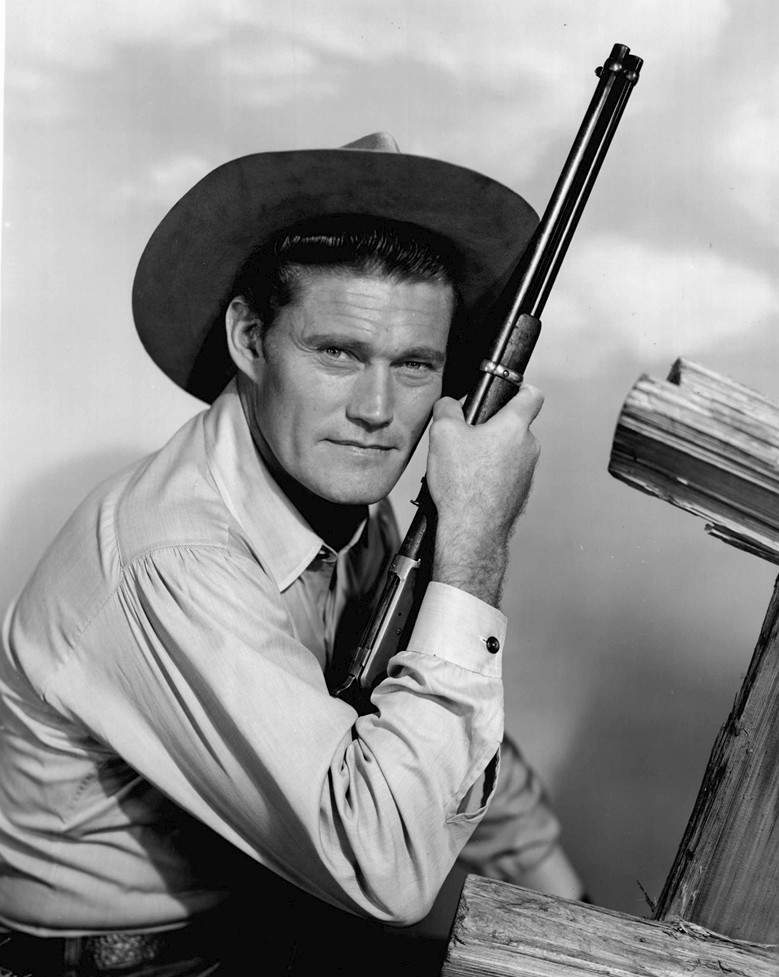
Mr. Warren (Chuck Connors)
Played by Chuck Connors
The camp director whose pleasant exterior masks a rigid, controlling temperament. He believes in keeping things “appropriate” and maintains a visible but fragile grip on power. His ultimate fate reveals the risks of excessive authoritarian control.
- 🎯 Authoritarian
- 🏛️ Discipline
- 🧭 Authority
- JC
Jack Caldwell (Chris Hubbell)
Played by Chris Hubbell
The camp counselor known for his physically demanding routines and insistence on fitness regimens. He is loyal to Warren but becomes entangled in the power struggles as rules become negotiable. His presence underscores the militaristic side of camp life.
- 🏃♂️ Active
- 💪 Coach
- 🧭 Strict
- HL
Heather Long (Melissa Reeves)
Played by Melissa Reeves
A camper who becomes intertwined in the social dynamics of the coup. Her role centers around solidarity with Debbie and Laurie, and she presents a counterpoint to the boys’ aggressive maneuvers. Her reactions highlight the risk of mob mentality spilling into gendered spaces.
- 🤝 Loyal
- 🧵 Social
- 💃 Resilient
- D(
Debbie (Samantha Newark)
Played by Samantha Newark
A girl whose vulnerability is exploited by John Mason, driving the conflict to a critical breaking point. Her experience fuels the call for accountability and exposes the brutality that can emerge in crowded spaces when power goes unchecked. She becomes a voice for consequences and justice.
- 💔 Survivor
- 🗣️ Courage
- 🧭 Determined
- L(
Laurie (Jennifer McGrath)
Played by Jennifer McGrath
A camper who navigates romantic interest with Donald and participates in counseling the camp’s social rules. She demonstrates empathy and resilience, serving as a stabilizing force amid chaos. Her relationship with Donald adds a personal layer to the rebellion’s stakes.
- 💌 Romantic
- 🤝 Supportive
- 🧭 Grounded
- P(
Peter (Scott Curtis)
Played by Scott Curtis
A shy boy who becomes a focal point of fear around the butterfly quest and Warren’s missteps. Peter’s vulnerability underscores the danger that arises when authority abuses its power over the younger campers. He elements help justify the need for accountability.
- 🐣 Shy
- 🛡️ Vulnerable
- 🧭 Observant
- FR
Franklin Reilly (Charlie Stratton)
Played by Charlie Stratton
The CIT who leads the revolution, offering a charismatic but dangerous vision of camp leadership. He disguises his ambition as a game but demonstrates ruthlessness when the plan escalates. His decisions reveal how easily youth can manipulate authority when given the chance.
- 🧭 Leader
- 🔥 Ambitious
- 🧪 Calculated
- JM
John Mason (Tom Fridley)
Played by Tom Fridley
A boy who crosses boundaries and becomes central to the conflict through coercive acts. His behavior highlights the consequences of unchecked peer pressure and the portrayal of aggression within the group. His actions catalyze the confrontation that propels the climax.
- 🎭 Aggressor
- 🧪 Risk-taker
- 🛑 Troublemaker
Where and When Is Summer Camp Nightmare Set?
Summer Camp Nightmare is set in Camp North Pines and Camp South Pines (Summer). Here is why the time and place matter to the story.
When
Summer
The story unfolds over a single summer session at Camp North Pines, with days filled with activities, rules, and escalating power plays. The heat and lengthy days amplify the campers’ energy and frustrations, while nighttime tensions give way to dramatic confrontations. The timeframe centers on contemporary youth culture within the camp context, rather than a specific historical era.
Where
Camp North Pines, Camp South Pines
Camp North Pines serves as the central boys’ camp, featuring a rec hall, a dangerous rope bridge to the girls’ side (South Pines), and a tightly controlled environment under a new director. The girls’ camp sits across the bridge, creating a divided, dual-camp setting that heightens the tension between authority and freedom. The camp atmosphere blends outdoor exploration with strict rules, butterfly-themed pursuits, and secretive spaces like the meditation center.
- 🏕️ Summer camp
- 🧭 Outdoor activity
- 🎒 Youth program
What Are the Themes of Summer Camp Nightmare?
4 ideas the story keeps returning to, among them Authority, Rebellion and Mob Psychology.
-
01
Authority
The arrival of Mr. Warren establishes strict, “appropriate” rules and a perceived sense of safety, which quickly clashes with the campers’ desire for autonomy. The power dynamic between director and campers drives much of the drama, as authority is tested and redefined. The coup led by Franklin showcases how control can shift when those under authority seize the reins.
-
02
Rebellion
Franklin and the younger cohort stage a mobilized rebellion, turning the camp into a temporary republic where chores, rules, and even safety become negotiable. Donald’s role as Minister of Propaganda highlights how information and rhetoric can shape group action. The arc demonstrates how quickly organized dissent can escalate from a game to a real threat.
-
03
Mob Psychology
As power shifts hands, the group dynamics spiral from collective camaraderie to factionalism, with friends turning on one another. The crowd’s responses—celebration, fear, punishment, and vengeance—reveal how peer pressure and groupthink can override individual morals. The transformation of the camp from a place of fun to a battleground illustrates the fragility of social order.
-
04
Consequences & Justice
The narrative reaches a reckoning when violence and coercion cross lines, prompting a legal and communal response from the sheriff’s deputies. The diary broadcast and subsequent interrogation expose the darker consequences of unchecked power. The ending shifts the focus from rebellion to accountability, as leaders face consequences for their actions.
What Kind of Film Is Summer Camp Nightmare?
Tense in tone, with steady pacing and a moderate story, going by the plot summary.
- Tone
- Tense
- Pacing
- Steady
- Story
- Moderate
- Intensity
- High
- Ending
- Mixed
A tense and disturbing psychological thriller that builds from a simple camp rebellion into a dangerous ordeal of mob rule, false accusations, and violence, creating an atmosphere of escalating fear and moral collapse.
- anxious
- oppressive
- rebellious
- dangerous
- fearful
- unsettling
- teen rebellion
- authority abuse
- power dynamics
- false accusations
Content notes: sexual assault, false accusation, mob violence, attempted murder, teen endangerment.
Quiz
How well do you remember Summer Camp Nightmare? Test yourself on the story.
Where to Watch Summer Camp Nightmare
. US availability and prices from JustWatch.
Streaming availability in the US, powered by