
The Lower Depths 1957

Directed by
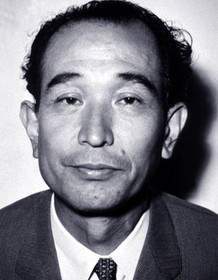
Akira Kurosawa
Made by

Toho
The Lower Depths Plot Summary
Read the complete plot summary and ending explained for The Lower Depths (1957). From turning points to emotional moments, uncover what really happened and why it matters.
In a bleak, rundown Edo tenement, an elderly man and his bitter wife run a modest boarding house that becomes a crossroads for the city’s poorest and most troubled souls. The landlady’s younger sister, Otaki the Candy-Seller Nijiko Kiyokawa, helps with maintenance and somehow manages to bring in an old man as a new tenant, adding another layer to the already crowded, tense space. Into this microcosm steps Kahei the Pilgrim [Bokuzen Hidari], a wanderer who quickly adopts the role of mediator and grandfatherly figure, though there is a persistent air of mystery around his past that makes some tenants wary.
Sutekichi the Thief [Toshirô Mifune], a self-appointed leader among the tenants, is entangled in a clandestine affair with Osugi the Landlady [Isuzu Yamada], a relationship that quietly unsettles the household. His growing interest, however, begins to shift toward Osugi’s gentler sister, Okayo [Kyôko Kagawa], who initially pays him little mind. This mismatch of affection and power fuels jealousy and tension within the tenement walls, as Okayo’s aloofness frustrates Sutekichi and strains the bond with Osugi.
Osugi’s jealousy sharpens into a dangerous plot: she tries to persuade Sutekichi to murder her husband so she can hand him over to the authorities. Yet Sutekichi sees through the scheme and refuses to take part in murder. The tension escalates when Rokubei, Osugi’s husband, confronts the affair and engages in a brutal fight with Sutekichi, a clash that ends with Kahei intervening to prevent tragedy.
As time passes, Okayo begins to glimpse a side of Sutekichi that is capable of kindness, and her attitude toward him softens. This budding warmth intensifies the rift between the lovers and the rest of the household when Rokubei and Osugi beat Okayo, prompting the other tenants to break into their house to rescue her. In the ensuing chaos, Sutekichi’s fury leads to an accidental killing of Rokubei, and Osugi’s anger fixes blame squarely on him. Unable to defend himself, Sutekichi is accused by Osugi of being goaded into the act, while Okayo’s faith in their bond shatters and she withdraws. Kahei, whose testimony could have cleared Sutekichi, flees the scene rather than face a potential reveal of secrets, deepening the sense that he too harbors something to hide. In the end, Sutekichi and Osugi are arrested, leaving the tenement to confront the consequences of desire, deceit, and the fragility of trust.
Beyond the central drama, the tenement overflows with smaller, often comic, strands that illuminate the characters’ humanity. A nihilistic gambler named Unokichi [Yû Fujiki] stubbornly resists the pilgrim’s hopeful entreaties, clinging to despair as the others search for a way to endure. An aging actor [Kamatari Fujiwara] has lost his memory for lines, a quiet echo of a life once lived on stage, while a craftsman [Tomekichi the Tinker, played by Eijirô Tôno] appears emotionally numb to the dying of his wife Asa [Eiko Miyoshi], only to crack open when she finally passes away. A destitute man, Kuna [Atsushi Watanabe], insists he is descended from a samurai lineage, a claim that is quickly challenged by the group and the harsh judgment of the street. Interspersed among these threads are a rowdy band of drunks who seem to revel in misfortune, offering a counterpoint to the more solemn arcs and reminding us of the tenement’s stubborn, resistant vitality.
The film moves with a quiet, observational tempo that never shies away from the harsher truths of life in a crowded, undersung community. It explores loyalty and betrayal, tenderness and violence, and the small acts of mercy that survive amid hardship. The relationships—between Sutekichi and Okayo, between Osugi and Rokubei, and between Kahei and the others—are drawn with a restrained humanity that never glamorizes or sensationalizes the pain, instead presenting it as something palpable and ordinary within this cramped world. The result is a portrait of communal life in which every contact, every decision, and every misstep can ripple outward, altering destinies in ways that feel both intimate and inexorably fated.
The Lower Depths Timeline
Follow the complete movie timeline of The Lower Depths (1957) with every major event in chronological order. Great for understanding complex plots and story progression.
Kahei's arrival and mediation
An elderly man wearing pilgrim robes arrives at the run-down Edo tenement and quickly assumes the role of a mediator among the tenants. He positions himself as a grandfatherly figure who calms disputes and guides the desperate residents. His calm presence hints at a shadowed past that makes others wary or curious.
Sutekichi and Osugi begin an affair
Sutekichi, a thief and self-appointed tenement leader, begins an affair with Osugi, the landlady. His attention also shifts toward Okayo, Osugi's sweet-tempered sister, creating tension and jealousy among the tenants. The air of danger surrounding him deepens as his past remains clouded.
Osugi's murder plot revealed; Kahei intervenes
Osugi engineers a plan for Sutekichi to murder her husband so she can hand him over to the authorities. Sutekichi sees through the ploy and refuses to take part. When the husband discovers the affair, a fight erupts and Kahei intervenes, saving Sutekichi from immediate exposure.
Okayo grows fond of Sutekichi
Okayo slowly begins to see the good in Sutekichi and warms to his attentions, despite warnings from her sister. This budding romance complicates the fragile social order of the tenement. The tension between affection and danger compounds the residents' loyalties.
Beating of Okayo; tenants intervene
Rokubei and Osugi beat Okayo, pushing her toward danger. The tenants rush in to save her, breaking into Rokubei and Osugi's residence. The incident exposes volatile power dynamics within the building and tests the tenants' solidarity.
Sutekichi's jealousy leads to tragedy
In the ensuing chaos, Sutekichi becomes enraged and accidentally kills Rokubei. Osugi immediately uses the event to cast him as the killer and to justify handing him over to the authorities. Okayo feels manipulated and realizes she was used to provide a pretext for murder.
Okayo cuts ties with Sutekichi
Okayo now believes she has been used as a tool in the killing and chooses to distance herself from Sutekichi. Her trust in him has shattered and she refuses to continue their relationship. The rift deepens the central crisis of the tenement.
Kahei flees to avoid testifying
Kahei's potential testimony could clear Sutekichi, but he flees to avoid having to testify. His flight fuels suspicion that he knows more than he admits and adds to the aura of mystery surrounding his past. The absence of his testimony heightens Sutekichi's precarious position.
Sutekichi and Osugi arrested
Following the chaotic events, Sutekichi and Osugi are arrested, ending the central narrative arc with an uncertain future. The tenement writhed under the weight of police intervention and looming consequences. The surviving tenants stay behind to reflect on the turmoil they endured.
Nihilistic gambler resists hope
Among the residents, a nihilistic gambler rejects the pilgrim's hopeful entreaties to reform. His cynical worldview contrasts with Kahei's optimism and underscores the harsh reality facing the tenement's inhabitants. The subplot adds dark humor and a counterpoint to the main drama.
The aging actor's forgotten lines
An aging actor who has lost his ability to memorize lines lingers in the tenement, providing a quiet counterpoint to the main plot. His fading career mirrors the tenants' precarious lives and invites quiet sympathy. The subplot offers moments of reflective melancholy.
The craftsman and his dying wife
A craftsman who seems indifferent to his ailing wife gradually becomes a broken man when she dies. His personal tragedy contrasts with the more dramatic events in the building and reveals the tenderness beneath his stoic exterior. The scene adds bittersweet humanity to the ensemble.
The samurai destitute
A destitute man claims descent from a samurai family, a boast that others swiftly debunk. The moment satirizes social pretensions and the harsh realities of poverty. It provides comic relief and a critique of identity under strain.
The dancing drunks celebrate misfortune
A group of partying drunks revels in misfortune, turning the worst moments into a darkly comic spectacle. Their antics highlight the resilience and absurdity of life in the tenement. The scene adds levity amid tragedy.
The Lower Depths Characters
Explore all characters from The Lower Depths (1957). Get detailed profiles with their roles, arcs, and key relationships explained.
Otaki the Candy-Seller (Nijiko Kiyokawa)
Otaki moves through the tenement, offering small comforts like sweets and light conversation. She embodies a simple, compassionate presence amid hardship, often acting as a quiet observer of the tenants’ schemes. Her steadiness provides a brief counterpoint to the more volatile actions around her.
Sutekichi the Thief (Toshirô Mifune)
Sutekichi is the self-appointed leader of the tenement’s underworld, charming yet calculating. He flirts with Osugi while pursuing Okayo, and his jealousy seeds the plot’s most violent turn. He embodies survival at any moral cost, torn between affection and self-preservation.
Osugi the Landlady (Isuzu Yamada)
Osugi wields power over the tenants and over Sutekichi, using manipulation to protect her own interests. Her jealousy and strategic mind drive scheming schemes and contribute to the murder’s climate of fear. She embodies the ruthlessness lurking behind domestic respectability.
Okayo (Kyôko Kagawa)
Okayo starts wary of Sutekichi but gradually sees a softer side of him, stirring conflicting feelings. Her evolving perception of trust and danger shapes the story’s emotional arc. She becomes a pivot around which loyalty and disillusionment turn.
Tomekichi the Tinker (Eijirô Tôno)
Tomekichi is a craftsman who endures personal sorrow, including his ailing wife Asa’s decline. His outward calm masks inner fatigue and a sense of helplessness in the face of the harsh world around him. He represents the quieter, more disciplined strain of tenement life.
Rokubei the Gambler (Ganjirō Nakamura II)
Rokubei is the volatile gambler whose confrontations with others intensify the combustible atmosphere. His clash with Sutekichi and Osugi culminates in violence, making him a pivotal figure in the tragedy. He embodies the risks of vice and the fragility of the players’ world.
Kahei the Pilgrim (Bokuzen Hidari)
Kahei acts as a grandfatherly mediator, attempting to calm disputes and guide the tenants toward harmony. His calm presence hints at a hidden past, lending an air of mystery and ambiguity. He represents hope within the crowd, even as he keeps secrets.
Osen the Prostitute (Akemi Negishi)
Osen is the sisterly figure in Osugi’s circle, whose vulnerability and kindness contrast with the more calculating tenants. Her situation underscores the vulnerability of women in this environment and adds emotional depth to the web of relationships. She becomes a barometer for the community’s shifting loyalties.
The Lower Depths Settings
Learn where and when The Lower Depths (1957) takes place. Explore the film’s settings, era, and how they shape the narrative.
Time period
Edo period
The story unfolds in a Tokugawa-era milieu where social hierarchy is rigid and urban life is tightly-knit yet precarious. Poverty, informal economies, and constant flux define daily existence within the tenement. The era’s moral expectations and social constraints amplify the characters’ desperate choices and fragile relationships.
Location
Edo, Japan
Set inside a dilapidated tenement in Edo, the film paints a compact world of crowded rooms and shared spaces where survival hinges on small favors and dubious loyalties. The building itself functions as a character, housing gamblers, prostitutes, and petty thieves who cling to tenuous routines. The atmosphere is claustrophobic, emphasizing how poverty shapes every interaction.
The Lower Depths Themes
Discover the main themes in The Lower Depths (1957). Analyze the deeper meanings, emotional layers, and social commentary behind the film.
🏚️
Poverty
The tenement is a micro-society built on scarcity, where tenants barter, borrow, and gamble to survive. The film follows how hunger and want drive both minor scuffles and major decisions. This environment exposes the resilience and vulnerability of individuals who must navigate danger and desire within tight quarters.
💔
Love and Betrayal
Romantic entanglements destabilize the already fragile community. Sutekichi’s affair with Osugi and his growing pull toward Okayo fuel jealousy and manipulation. Relationships here are transactional as much as emotional, often steering characters toward moral compromises.
⚖️
Justice and Ambiguity
Murder, accusation, and testimony blur the line between right and wrong. Kahei’s attempted mediation and the shifting loyalties around Rokubei’s death highlight how personal grievances and self-interest can masquerade as justice. The outcome questions who deserves sympathy and who bears guilt.

Coming soon on iOS and Android
The Plot Explained Mobile App
From blockbusters to hidden gems — dive into movie stories anytime, anywhere. Save your favorites, discover plots faster, and never miss a twist again.
Sign up to be the first to know when we launch. Your email stays private — always.
Explore the mobile appThe Lower Depths Spoiler-Free Summary
Discover the spoiler-free summary of The Lower Depths (1957). Get a concise overview without any spoilers.
In a crumbling 19th‑century Edo boardinghouse, the air is thick with the scent of damp wood and the murmurs of lives pressed together in a single, over‑crowded room. The old man who takes up the newest tenancy drifts through the dim corridors like a quiet storm, his presence hinting at stories that the walls have already heard. Beside him, an aging actor, once celebrated on stage, now rehearse forgotten lines to an audience of strangers, each rehearsal a fragile attempt to cling to a fading past. The building itself becomes a character, its decay mirroring the desperation and resilience of those who call it home.
Among the tenants, Sutekichi the thief moves with a restless energy, his sharp eyes constantly scanning the narrow hallways for opportunity and connection alike. The landlady, Osugi, runs the household with a mix of stern authority and hidden vulnerability, her marriage a quiet backdrop to the everyday negotiations of survival. Her younger sister, Okayo, arrives like a breath of cooler air, her gentle demeanor contrasting with the cramped, soot‑blackened world around her, and soon finds herself caught in an unexpected entanglement that stirs the fragile balance of affection and power within the house.
Acting as a quiet anchor, Kahei the pilgrim offers a calm, almost grandfatherly steadiness, his modest gestures suggesting a deeper, unspoken past. Around them, a chorus of secondary figures—gamblers, actors who have lost their scripts, craftsmen mourning loved ones—populate the board‑room of daily existence, each adding texture to the portrait of communal hardship. The film lingers on ordinary moments: shared meals, whispered confidences, the slow rhythm of rain against paper‑thin roofs, inviting the viewer to sense the underlying currents without ever spelling them out.
Through measured pacing and unflinching observation, the story paints a world where tenderness and tension coexist in every cramped doorway, and where the smallest gesture can ripple outward, altering lives that are already tightly bound together.
Movies with Similar Twists and Themes
Uncover films that echo the narrative beats, emotional arcs, or dramatic twists of the one you're exploring. These recommendations are handpicked based on story depth, thematic resonance, and spoiler-worthy moments — perfect for fans who crave more of the same intrigue.




Featured on this page

What's After the Movie?
Not sure whether to stay after the credits? Find out!
Check out our other apps:

SAT Sphere
Build confidence for the Digital SAT.

Mori Atlas
Discover wild places worth protecting.

Luntero
Search smarter for a home in Amsterdam.

Plot Explained
Unravel movie endings and hidden clues.

Pokechamp
Dive into Pokémon data and battle logic.

Driving Theory
Get ready for your European theory test.

Movie Dust
Plan your next cinema trip with ease.

Musemap
Find art and culture as you travel.

Selkobase
Compare credentials before committing.

Local Manual
Turn an unfamiliar country into practical next steps.

Lernavi
Compare school systems before your next move.

GymRoam
Find a workout stop wherever your plans take you.
Explore Our Movie Platform
New Movie Releases (2026)
Famous Movie Actors
Top Film Production Studios
Movie Plot Summaries & Endings
Major Movie Awards & Winners
Best Concert Films & Music Documentaries
Movie Collections and Curated Lists
© 2026 What's After the Movie. All rights reserved.
Privacy Policy