What Is High and Low About?
The premise of High and Low in 249 words, with nothing given away. The full story follows below.
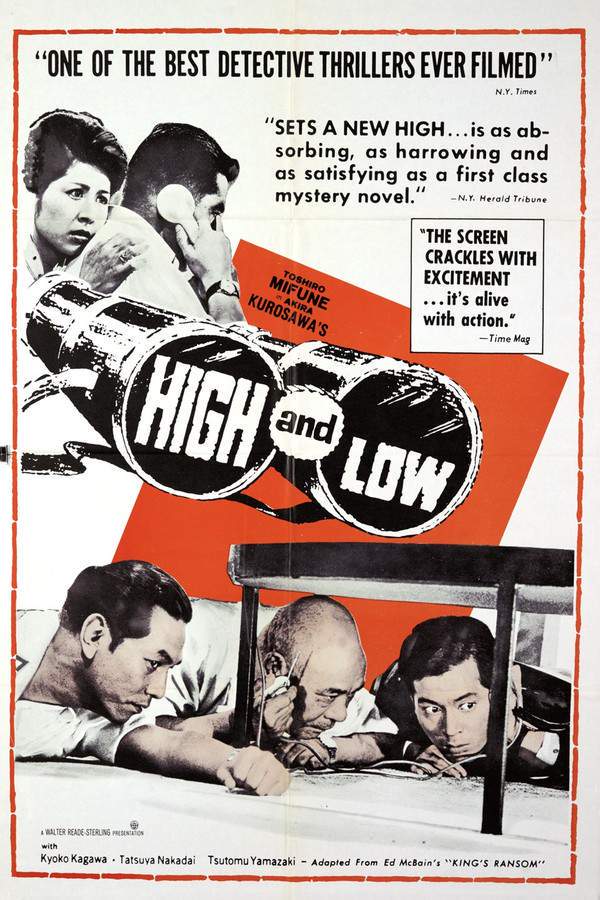
In the bustling streets of post‑war Tokyo, where reconstruction and ambition collide, a powerful shoe manufacturer stands at a crossroads between tradition and profit. The city’s stark contrasts—gleaming new storefronts shadowed by modest neighborhoods—create a tense backdrop for a story that examines the price of progress and the moral weight of privilege.
Kingo Gondo is a respected executive whose reputation rests on the high‑quality footwear his company produces. He is a man of principle, driven to preserve the brand’s dignity even as board members push for cheaper, mass‑market shoes. At home, his relationship with his young son, Jun, offers a tender counterpoint to the relentless pressures of the corporate world, hinting at a delicate balance between public duty and private devotion.
An unexpected phone call shatters that balance: a ransom demand for the boy’s safe return forces Gondo into an impossible decision. The request pits his personal love for his child against the survival of the enterprise he has built, exposing the fragile line between honor and desperation. The looming choice casts a shadow over every interaction, turning ordinary meetings into quiet battlegrounds of conscience.
Kurosawa’s direction imbues the film with a crisp, almost clinical atmosphere, where the quiet hum of trains and the muted chatter of office corridors amplify the tension. The story unfolds with a measured, suspenseful rhythm, inviting viewers to contemplate how far one will go to protect family and legacy when the stakes are as high as the very identity of a nation rebuilding itself.
What Happens in High and Low?
The complete story of High and Low, from the first scene to the last, in 560 words (about 2 minutes). Spoilers throughout. Names in the text link to 3 cast member pages.
Spoilers ahead
A wealthy executive, Kingo Gondo, finds himself embroiled in a fierce battle for control over a prominent company known as National Shoes. Facing immense pressure, he contemplates a pivotal choice: should the company produce cheap, low-quality shoes aimed at the impulse market, or uphold its reputation for crafting sturdy, high-quality footwear? Gondo’s vision for the business leans towards the latter, believing that maintaining high standards and modern styling is crucial for the company’s long-term success. Yet, this plan comes at the cost of immediate profits, a gamble that does not sit well with the current board members.
Just as he is about to finalize a leveraged buyout to seize control—risking everything he possesses—his world is turned upside down with a chilling phone call announcing that his son, Jun, has been kidnapped. Initially dismissing the threat as a prank when Jun arrives home from playing, Gondo soon learns that the kidnapper has mistakenly taken the wrong child—Shinichi, the son of his chauffeur. As the urgency of the situation escalates, the kidnapper confirms the error but still demands the ransom. This leaves Gondo at a moral crossroads, caught between his commitment to save a child and his corporate ambitions.
After an agonizing night of reflection, Gondo resolves not to pay the ransom, aware that doing so could lead to his financial ruin and jeopardize the futures of his own family. However, his resolve is shaken when his unscrupulous assistant hints at using the kidnapping to garner support for the “cheap shoes” faction, and, under pressure from his wife and the desperate pleas from the chauffeur, Gondo ultimately decides to heed the demands of the kidnapper. Following the plan laid out by the perpetrator, Gondo reluctantly prepares the ransom in two small briefcases, tossing it from a moving train. To his relief, Shinichi is returned safely.
As events unfold, Gondo finds himself ousted from the very company he fought so hard to control, with creditors swiftly moving to claim his assets. Ironically, the public sees Gondo as a hero, while the National Shoe Company faces backlash and boycotts. Meanwhile, the police embark on an investigation to unravel the kidnapping, eventually locating the hideout where Shinichi was held captive. Tragedy strikes as they discover the bodies of the kidnapper’s accomplices, victims of an overdose from heroin supplied to them.
Through diligent detective work, law enforcement identifies the perpetrator, a medical intern with a grudge against Gondo, yet lacks irrefutable proof linking him to the accomplices’ deaths. In a clever ruse, the police manipulate the media into suggesting the accomplices have survived, thereby luring the kidnapper into a trap during a botched attempt to deliver more drugs. In a harrowing climax, most of the ransom is recovered; however, it is too late to salvage Gondo’s possessions from auction.
Facing the consequences of his crimes, the kidnapper, now imprisoned and awaiting a death sentence, requests a meeting with Gondo. With Gondo having taken up a position at a rival shoe company—one that pays significantly less but grants him greater autonomy—the two men confront one another. The kidnapper initially presents himself as unremorseful, but as he reflects on his motivations, the envy he harbored while witnessing Gondo’s affluent lifestyle becomes apparent. This encounter culminates in a powerful emotional breakdown as he confronts the reality of his tarnished life, ultimately revealing the harrowing cost of envy and desperation.
High and Low Timeline: Every Key Event in Order
14 key events in the order they happen, from “Kingo Gondo's Ambition” to “The Kidnapper's Breakdown”. 5 events name a place, across 5 locations.
- 1
Kingo Gondo's Ambition
Wealthy executive Kingo Gondo is focused on gaining control of National Shoes, grappling with competing factions within the company. One faction pushes for low-quality, cheap shoes, while Gondo advocates for long-lasting, well-made products that represent his vision.
Where:National Shoes Headquarters
- 2
The Leveraged Buyout
Gondo has secretly mortgaged all his possessions to fund a leveraged buyout of National Shoes. He believes this strategy will secure the company's future, despite the immediate unpopularity among stakeholders due to lower short-term profits.
- 3
Kidnapping Phone Call
Just as Gondo is about to finalize his buyout plan, he receives a phone call stating that his son, Jun, has been kidnapped. Initially dismissing it as a prank when Jun returns home, he soon discovers that another child, Shinichi, has been taken instead.
- 4
The Kidnappers Demand Ransom
The kidnapper informs Gondo that he has made a mistake, revealing that Shinichi, the chauffeur's son, was the one abducted. Despite this knowledge, the kidnapper still demands the ransom, leaving Gondo in a moral dilemma regarding the payment.
- 5
Gondo's Decision
After a long night of contemplation, Gondo decides against paying the ransom, fearing the financial ruin it would cause his family and his position at the company. His resolve weakens as pressure mounts from his aide and wife.
- 6
The Change of Heart
Ultimately, under immense pressure from his wife and the chauffeur, Gondo changes his mind and decides to pay the ransom. Following the kidnapper's instructions, he arranges to throw the money from a moving train, a risky act amidst the tension.
Where:Moving Train
- 7
Shinichi is Rescued
After Gondo pays the ransom, Shinichi is safely found and returned, unharmed. However, the aftermath of the kidnapping leads to severe financial repercussions for Gondo as he faces mounting debts and company betrayal.
- 8
Public Image Shift
Although Gondo is ousted from National Shoes due to his financial decisions, the public perceives him as a hero for paying the ransom. Meanwhile, the National Shoe Company suffers a significant backlash and is boycotted by consumers.
- 9
Investigation into the Kidnapping
The police investigate and eventually discover the hideout where Shinichi was kept. They find the bodies of the kidnapper’s accomplices, who succumbed to an overdose of heroin, suggesting the kidnapper’s ruthlessness and manipulation.
Where:Kidnapper's Hideout
- 10
Laying the Trap
To catch the kidnapper, the police fabricate a false report claiming the accomplices are still alive and request more drugs. The trick leads to the kidnapper's apprehension as he tries to fulfill the drug demand at the expense of others.
Show the other 4 events of High and Low Hide the last 4 events
- 11
Recovery of Ransom Money
Most of the ransom money is eventually recovered after the kidnapper's arrest, but it arrives too late for Gondo to save his belongings from being auctioned off due to his debts. The financial repercussions are significant and irreversible.
- 12
Gondo Meets the Kidnapper
In prison, the kidnapper requests a meeting with Gondo. This confrontation reveals the kidnapper’s jealousy and the emotional turmoil stemming from his failed life, shedding light on the motives behind his desperate actions.
Where:Prison
- 13
Gondo's New Job
After losing his position, Gondo finds employment with a rival shoe company. Although he earns less money, he relishes the autonomy this new role provides, allowing him to work without the pressures that once consumed him.
Where:Rival Shoe Company
- 14
The Kidnapper's Breakdown
During their meeting, the kidnapper initially shows no remorse but gradually breaks down as he reflects on his life choices. This moment exposes the deep psychological issues that fueled his criminal behavior and envy towards Gondo's success.
Who Are the Main Characters in High and Low?
3 characters, among them Kingo Gondo (Toshiro Mifune), Shinichi and The Kidnapper: who each one is and the part they play in the story. 1 of them link to the actor’s page.
-
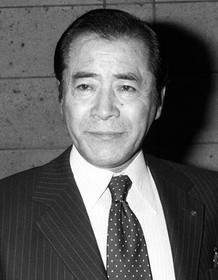
Kingo Gondo (Toshiro Mifune)
Played by Toshirô Mifune
Gondo is a wealthy executive deeply invested in the future of his company, National Shoes. He is characterized by his integrity and moral fortitude as he navigates the crisis of his kidnapped son versus corporate ambition, ultimately revealing his humanity despite the pressures of the corporate world.
- 👔 Executive
- 💼 Businessman
- 👨👦 Father
- S
Shinichi
Shinichi is the young son of Gondo's chauffeur who becomes the victim of the kidnapping. His abduction serves as the catalyst for Gondo's moral dilemma and highlights the innocent victims caught in the crossfire of adult decisions.
- 👶 Innocent
- 🎒 Child
- TK
The Kidnapper
The kidnapper is a troubled medical intern whose envy for Gondo's wealth drives him to commit the crime. His character arc reveals the psychological struggles behind his motives, ultimately leading to a moment of vulnerability as he confronts the ramifications of his actions.
- 👤 Criminal
- 😔 Troubled
Where and When Is High and Low Set?
High and Low is set in National Shoes Company and Gondo's House. Here is why the place matters to the story.
When
The movie is set in a contemporary period reflecting post-war Japan, a time when the country was grappling with modernization and the impacts of consumerism. This backdrop influences the corporate decisions and moral dilemmas faced by Gondo, showcasing the societal pressures of the era.
Where
National Shoes Company, Gondo's House
The movie primarily takes place in the corporate environment of the National Shoes Company, known for producing high-quality footwear. Gondo's upscale home is also a focal point, symbolizing his wealth and the struggles he faces as he tries to protect his family's future.
- 🏢 Company
- 🏠 Residence
What Are the Themes of High and Low?
3 ideas the story keeps returning to, among them Morality, Sacrifice and Capitalism.
-
01
Morality
The film explores the complex moral dilemmas faced by Gondo as he balances his wealth and responsibilities. His decisions regarding the ransom reveal deeper questions about ethics in business and personal sacrifice, highlighting the consequences of prioritizing profit over humanity.
-
02
Sacrifice
Gondo's choice to pay the ransom for Shinichi represents a significant emotional sacrifice. The theme of sacrifice is further emphasized as he risks his financial stability and position within the company, showcasing the lengths one would go for the sake of another's life.
-
03
Capitalism
The tension between high-quality production and profit-driven motives illustrates the challenges within capitalism. Gondo's battle against the 'cheap shoes' faction exemplifies the struggle for integrity in a market that often values profit over quality.
What Kind of Film Is High and Low?
Tense in tone, with steady pacing and a moderate story, going by the plot summary.
- Tone
- Tense
- Pacing
- Steady
- Story
- Moderate
- Intensity
- High
- Ending
- Bittersweet
A gripping and tense moral thriller that maintains a steady, suspenseful pace as a wealthy man faces a devastating choice, exploring the heavy emotional cost of class envy and desperate acts in a somber post-war Japan.
- tense
- suspenseful
- morally complex
- anxious
- gripping
- somber
- kidnapping
- moral dilemma
- class conflict
- crime investigation
Content notes: kidnapping, child endangerment, drug overdose, murder, death penalty.
Quiz
How well do you remember High and Low? Test yourself on the story.