
The Lower Depths 1936

Directed by
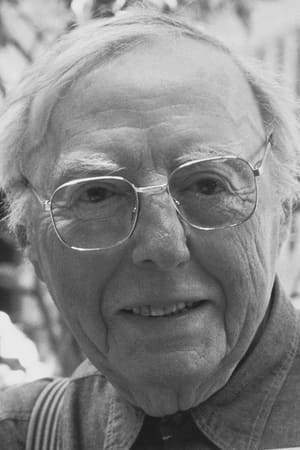
Paul Grimault
Made by

Albatros
The Lower Depths Plot Summary
Read the complete plot summary and ending explained for The Lower Depths (1936). From turning points to emotional moments, uncover what really happened and why it matters.
A wealthy baron Louis Jouvet finds himself ruined by gambling and teeters on the edge of despair. As he contemplates suicide, the search for his missing pistol leads him to a chance encounter with the thief Pépel Jean Gabin, who intends a robbery but finds himself drawn into an almost playful exchange. In a moment that plays like a light comedy between rival corners of adversity, the two men share a drink and unexpectedly become friends. The baron, perhaps softening at the sight of a fellow wanderer rather than a cold criminal, lets Pépel go with a bronze sculpture as a small, symbolic concession. Shortly after, creditors descend on the baron’s home, seizing furnishings and leaving an empty shell where a life once stood.
The baron speaks to his loyal servant Félix Léon Larive, the man who has helped manage his former luxury, and muses that whatever Félix may have taken from him could at least cover his unpaid wages. The note of bitterness is tempered by a glimmer of mutual understanding, a human moment that threads through the coming days. Pépel, however, is soon arrested for the bronze theft. He needles the police with his typical wit until the baron arrives and identifies him as a “dear friend,” an admission that changes the trajectory of both men’s lives.
From this pivot, the story shifts to the slums, where card games become the evenings’ rituals and where a new gallery of sharp, fleeting portraits unfolds. The scene captures a world of crowded streets, small triumphs, and quiet disappointments, where a man argues over a hand of cards and a woman who reads romances is teased and mocked by the wary crowds. In this place, the baron intersects with a man who has found a rudimentary shelter among others who share his fate. Pépel arranges a bed for him and the baron becomes a lodger among the cramped rooms, joining the very game that density and desperation have rendered a lifeline.
Across this urban mosaic, the police inspector becomes a constant, watching the lodging-house ecosystem with a practiced, weary eye. The inspector, le commissaire Toptoum, is represented on screen by André Gabriello, who embodies a figure of authority trying to restore some order to a neighborhood where fractures run deep. Kostylev, the old landlord, sits at the center of tension with his wife and his sister-in-law Natasha, a presence who threads through the narrative as a catalyst for decisions and conflicts. Natasha is played by Junie Astor, a woman whose choices illuminate the complexities of loyalty, aspiration, and danger in a place where daily life never stops testing people.
Pépel finds himself drawn to Vassilissa Kostyleva, the sharp, wary woman who carries the weight of years in a single look. Their dialogue reveals a man who regrets the past and a woman who recognizes the fragility of her own future, and the connection between them becomes a small beacon amid the surrounding turmoil. Vassilissa, portrayed by Suzy Prim, urges Pépel to consider a life beyond crime, especially when the prospect of a safer future appears through Natasha’s choices and the inspector’s ongoing interference. Natasha’s presence—also central to the slum’s social web—adds another layer of tension as the characters navigate fear, desire, and the lure of something better.
The rumor mill of the slum intensifies when the bureaucratic pressure of an upcoming inspection is announced. The inspector convenes with Kostylev, hoping to uncover weaknesses that could be used to keep the slum’s inhabitants in check, while Natasha remains a focal point of attention for both Pépel and the landlord. In a moment that binds the threads of romance and desperation, Pépel tells Natasha that he would consider leaving with her, a vow that she weighs against a future with a man who has a steady job. Natasha, however, chooses to observe the possibilities of a better life through different doors, including the affection of a man who can offer her more than the slum can.
As the night unfolds, the baron and Pépel discuss life along the riverbank, reflecting on what it would take to escape the social gravity that pulls them toward crime, debt, and danger. Pépel’s sense of a possible escape—leaving with Natasha—anchors his longing for a future where actions have consequences beyond fear. Outside, a band plays while couples dine and the city carries on; Natasha resists the inspector’s advances, and Pépel finds Natasha in a moment of vulnerability, with Vassilissa observing the evolving landscape of trust and betrayal. The two lovers’ public friction intensifies when Pépel leads Natasha away from a dangerous tangle with the inspector, who weeps for sympathy but finds little mercy in the crowded night.
Kostylev and Vassilissa press Natasha to reconcile with the inspector, and a brutal confrontation erupts as the landlord’s authority clashes with the street’s raw impulses. Pépel intervenes, and soon the lodge’s residents join in a violent exchange against the old landlord. Kostylev dies in the melee, and no single finger claims responsibility, as the crowd mutters that the “lower depths killed him.” The aftermath leaves Pépel in a fragile position, with Vassilissa’s denunciation of him as a murderer hanging in the air. The baron steps in to frame the incident as a brawl that implicated many, but the truth remains messy: the slums’ guilt stretches across everyone, and Pépel is led away by the authorities as Natasha looks on with a complex mix of fear and resolve.
In the epilogue, Vassilissa departs the slum for parts unknown, while Natasha returns to Pépel with a sense of cautious hope, guiding him out from prison’s shadow toward a shared, uncertain road. The slum’s most enigmatic resident, a man who is both madman and drunkard—a figure known as “the actor”—takes his own life, a stark reminder of how fragile life can be in these neighborhoods. Natasha and Pépel then set out on the road with only a few belongings, seeking a future beyond the blocks that once defined their every move.
This reimagined arc keeps the film’s core relationships and pivotal moments intact, expanding the texture of the world it portrays while preserving the balance between grit, tenderness, and social realism that gives the story its enduring resonance.
The Lower Depths Timeline
Follow the complete movie timeline of The Lower Depths (1936) with every major event in chronological order. Great for understanding complex plots and story progression.
Baron's bankruptcy and unlikely alliance
A wealthy baron loses his fortune to gambling and contemplates suicide. He discovers his gun is missing and confronts Pépel, who plans to rob him. In a surprising turn, they share a drink, the tension dissolves, and the two men become friends. The baron even allows Pépel to leave with a bronze sculpture.
Creditors seize the baron's belongings
Creditors seize the baron's furnishings, stripping the house of comforts and memories. The baron's pride is damaged as his former status dissolves into pawned goods and empty rooms. The humiliation marks the final collapse of his old life.
Baron and Félix discuss wages and theft
The baron tells his servant Félix that he hopes all that Félix has stolen might cover his unpaid wages. Félix agrees with this desperate plan, recognizing the extent of the baron's desperation. The exchange shows how debt erodes trust and dignity.
Pépel's arrest and the baron's defense
Pépel is arrested for stealing the bronze. The baron arrives and identifies Pépel as a 'dear friend,' softening the police's stance and complicating the arrest. The moment exposes the odd bond that has grown between master and thief.
Slum life revealed: cards, gossip, and romance readers
The scene shifts to the slums, where men argue over cards and life at the bottom. They mock a woman who reads romances, and each resident is painted as a vivid, rough portrait. The environment establishes the grim ordinary world that frames subsequent events.
Baron becomes lodger and joins the card game
The baron moves into the slums as a lodger, and Pépel sets him up with a bed. The baron quickly returns to the social habit of playing cards, joining the local game. The unlikely lodger continues to linger on the edge of the community.
Inspector targets Kostylev; Natasha and Vassilissa's crossroads
The police inspector meets with the slum landlord Kostylev and fixes his eyes on Kostylev's wife Natasha. Pépel confides in Vassilissa, regretting he never loved her; she urges him to kill her husband, the cruel landlord. The scene foreshadows the violence simmering beneath the surface.
Mourning scene and growing jealousy
A mourning scene unfolds as a woman dies, and neighbors make fatalistic comments about life in the depths. Jealousy threads through crowded relationships, sharpening resentments. Natasha's entanglements with the inspector and Pépel become the center of suspicion.
Natasha's choice and the inspector's invitation
Vassilissa persuades Natasha to consider a better life by serving tea to the inspector during an inspection. The inspector invites Natasha on a date and promises improvement, making her cry at the prospect. Natasha weighs leaving with him against the life she already shares.
Pépel and Natasha confess their love
Pépel and Natasha discuss life by the river bank; Pépel believes Natasha leaving with him could save him from prison one day, like his father. They confess their love, choosing each other over the perilous options around them. Their bond becomes a fragile beacon in a society built on desperation.
Indoor date and outdoor tension
The inspector and Natasha dine indoors while others outside enjoy a band. Natasha resists the inspector's advances, and Pépel is pressured by Vassilissa's moralizing. The tension deepens the conflict between aspiration and safety.
The brawl and Kostylev's death
Kostylev and Vassilissa insist Natasha make up with the inspector; a violent fight erupts as lodgers take sides. Kostylev is killed in the melee, and no one clearly claims responsibility. The gathering crowd mutters that the 'lower depths killed him' as the police arrive to arrest Pépel for the upheaval, with the baron offering a muted defense of everyone involved.
Epilogue: departure and the road ahead
In the epilogue, Vassilissa leaves the slum, Natasha helps Pépel return from prison, and the enigmatic 'actor' dies by suicide. Natasha and Pépel head off on the road with only a few possessions, seeking a freer life. The ending hints at fragile hope beyond the Lower Depths.
The Lower Depths Characters
Explore all characters from The Lower Depths (1936). Get detailed profiles with their roles, arcs, and key relationships explained.
Le baron (Louis Jouvet)
An aristocrat toppled by gambling who contemplates suicide, yet slowly engages with the slum world and forms an unlikely friendship with Pépel. He adapts to life among lodgers, sharing space and participating in the card games. His arc reveals a tension between pride and vulnerability as wealth vanishes.
Pépel Wasska
A charming but reckless thief who seeks both fortune and escape from his past. He bonds with the baron and later confesses love for Natasha, complicating the lives around him. His choices oscillate between survival, loyalty, and a longing for something better.
Vassilissa Kostyleva
Wife of the landlord Kostilev; jealous and calculating, she maneuvers to improve her standing and manipulates others around her. She actively influences Natasha and participates in schemes to appease the authorities. Her presence underscores power dynamics within the slum.
Natacha, sister of Vassilissa
Natacha is a relatively hopeful figure drawn to Pepel and the prospect of a different life. She blends innocence with practicality, preferring a partnership with a worker over a thief. Her choices place her at the center of the inspector's interest and the slum's evolving tensions.
Nastia, la prostituée
A prostitute who moves through the slum's networks, providing contrast to the dreams and schemes around her. Her presence sharpens the realism of life in the lower depths and the precariousness faced by those on the margins.
Le vieux Kostilev
An old, cruel landlord whose oppression fuels village-level tensions. His resistance to bribery and his harsh control destabilize the community, culminating in a fatal brawl marked by collective guilt rather than single blame.
Le commissaire Toptoum
A police inspector who mediates between authority and the slums. He probes the inhabitants, partakes in the social chess of bribes and dates, and represents the uneasy interplay between law and desire in the story.
L'acteur alcoolique
A madman-drunk resident whose presence adds a stark, sometimes darkly comic color to the slums. His ultimate suicide in the epilogue underscores the despair pervasive in the lower depths.
Félix, le valet de chambre du baron
The baron’s loyal valet who navigates the collapse of wealth with quiet practicality. He supports his master and agrees with the baron's plans, embodying quiet loyalty amid decline.
Aliocha, le fou accordéoniste
The eccentric accordionist whose performances color the social microcosm of the slums. He provides occasional levity and voice to the communal life surrounding the main characters.
The Lower Depths Settings
Learn where and when The Lower Depths (1936) takes place. Explore the film’s settings, era, and how they shape the narrative.
Location
Slums, River bank, Baron's former household
Most of the action unfolds in a crowded urban slum where a bankrupt aristocrat seeks shelter after losing his wealth. The neighborhood is home to lodgers, card games, and a mix of dreamers and troublemakers who navigate daily precariousness. Key scenes also unfold along the river bank and in the baron’s former household, illustrating the dramatic shift from privilege to subsistence.
The Lower Depths Themes
Discover the main themes in The Lower Depths (1936). Analyze the deeper meanings, emotional layers, and social commentary behind the film.
💔
Class Contrast
The film juxtaposes a fallen aristocrat with the rough reality of the slums, highlighting stark social inequality. Wealth and prestige quickly vanish, exposing how characters adapt or collapse under financial ruin. The narrative continually tests where dignity and loyalty can survive in such a divide.
🤝
Solidarity
Despite conflicts and jealousy, the slum community forms fragile bonds that bind disparate individuals. The baron’s presence disrupts old hierarchies but also sparks new alliances, especially between Pépel and the other residents. Within these relationships, communal resilience becomes a counterpoint to individual desperation.
⚖️
Morality & Consequence
Violence, deceit, and attempts at bribery blur ethical lines, with the community collectively bearing responsibility for the chaos. The phrase 'the lower depths killed him' underscores how collective actions and societal pressures shape outcomes. The epilogue reinforces how choices ripple through the lives of many.

Coming soon on iOS and Android
The Plot Explained Mobile App
From blockbusters to hidden gems — dive into movie stories anytime, anywhere. Save your favorites, discover plots faster, and never miss a twist again.
Sign up to be the first to know when we launch. Your email stays private — always.
Explore the mobile appThe Lower Depths Spoiler-Free Summary
Discover the spoiler-free summary of The Lower Depths (1936). Get a concise overview without any spoilers.
In the cramped, dim‑lit corridors of a rundown flophouse, life teeters between survival and yearning. The film paints the Lower Depths with a stark, almost tactile realism, where the clatter of cards and the murmur of whispered dreams echo through peeling walls. A steady drizzle of melancholy filters through soot‑stained windows, while occasional bursts of camaraderie suggest that even in the bleakest quarters, humor and hope can surface. The atmosphere is humid with tension, yet softened by the occasional slice of tenderness that slips through the cracks.
The central figure is Pépel, a quick‑witted young man whose restless energy makes him both a problem and a catalyst within the lodging house. He navigates a maze of relationships that bind him to the aging landlord Kostylev, whose authority is as fragile as the building’s foundations. Vassilissa, Kostylev’s sharp‑tongued wife, holds a weary command over the household, while her sister Natacha embodies a fragile mix of ambition and vulnerability that draws Pépel into a fragile, hopeful connection.
Among the residents, a fallen aristocrat known only as the baron drifts through the shadows, his once‑lavish life reduced to quiet desperation. His unexpected friendship with Pépel offers a glimpse of mutual respect between two men from opposite worlds, hinting at a shared longing to escape their circumstances. Looming over the scene, Inspector Toptoum patrols with a weary vigilance, embodying the constant pressure of authority that never fully loosens its grip on the neighborhood.
Together, these characters create a tapestry of intertwined desires, loyalties, and quiet rebellions. The film’s tone balances gritty social observation with moments of unexpected levity, inviting the audience to linger over the subtle exchanges that reveal both the harshness and the humanity of life in the lower depths.
Movies with Similar Twists and Themes
Uncover films that echo the narrative beats, emotional arcs, or dramatic twists of the one you're exploring. These recommendations are handpicked based on story depth, thematic resonance, and spoiler-worthy moments — perfect for fans who crave more of the same intrigue.


Featured on this page

What's After the Movie?
Not sure whether to stay after the credits? Find out!
Check out our other apps:

SAT Sphere
Build confidence for the Digital SAT.

Mori Atlas
Discover wild places worth protecting.

Luntero
Search smarter for a home in Amsterdam.

Plot Explained
Unravel movie endings and hidden clues.

Pokechamp
Dive into Pokémon data and battle logic.

Driving Theory
Get ready for your European theory test.

Movie Dust
Plan your next cinema trip with ease.

Musemap
Find art and culture as you travel.

Selkobase
Compare credentials before committing.

Local Manual
Turn an unfamiliar country into practical next steps.

Lernavi
Compare school systems before your next move.

GymRoam
Find a workout stop wherever your plans take you.
Explore Our Movie Platform
New Movie Releases (2026)
Famous Movie Actors
Top Film Production Studios
Movie Plot Summaries & Endings
Major Movie Awards & Winners
Best Concert Films & Music Documentaries
Movie Collections and Curated Lists
© 2026 What's After the Movie. All rights reserved.
Privacy Policy