The Lower Depths 1957


In a decaying 19th‑century Japanese boardinghouse, a mysterious old man, an aging actor and other residents become tangled in a fierce love triangle. The amoral thief Sutekichi ends his affair with landlady Osugi to court her younger sister Okayo, prompting Osugi to exact revenge by exposing the infidelity to her jealous husband and further tragedy.

Does The Lower Depths have end credit scenes?
No!
The Lower Depths does not have end credit scenes. You can leave when the credits roll.
Meet the Full Cast and Actors of The Lower Depths
Explore the complete cast of The Lower Depths, including both lead and supporting actors. Learn who plays each character, discover their past roles and achievements, and find out what makes this ensemble cast stand out in the world of film and television.

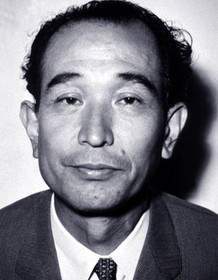
Nijiko Kiyokawa
Otaki the Candy-Seller
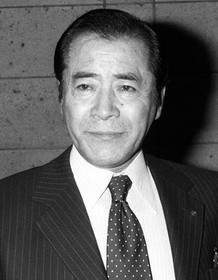
Toshirô Mifune
Sutekichi the Thief

Akemi Negishi
Osen the Prostitute

Kyôko Kagawa
Okayo, Osugi's Sister
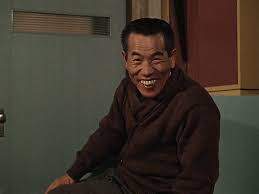
Eijirô Tôno
Tomekichi the Tinker

Isuzu Yamada
Osugi the Landlady
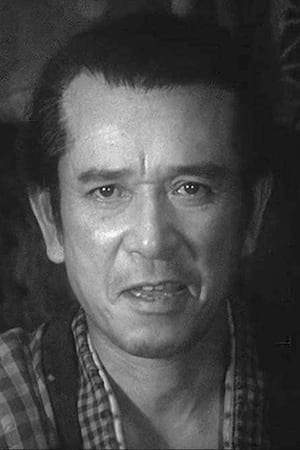
Kôji Mitsui
Yoshisaburo the Gambler
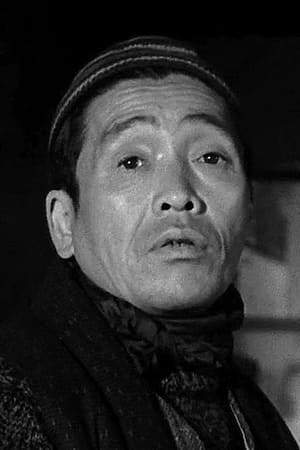
Kamatari Fujiwara
The Actor

Yû Fujiki
Unokichi
Minoru Chiaki
Former Samurai
Bokuzen Hidari
Kahei the Pilgrim
Haruo Tanaka
Tatsu
Kichijirô Ueda
Shimazo the Police Agent
Atsushi Watanabe
Kuna
Ganjirō Nakamura II
Rokubei, Osugi's Husband
Eiko Miyoshi
Asa, Tomekichi's Wife
Fujitayama
Tsugaru
External Links and Streaming Options
Discover where to watch The Lower Depths online, including streaming platforms, rental options, and official sources. Compare reviews, ratings, and in-depth movie information across sites like IMDb, TMDb, Wikipedia or Letterboxd.




Take the Ultimate The Lower Depths Movie Quiz
Challenge your knowledge of The Lower Depths with this fun and interactive movie quiz. Test yourself on key plot points, iconic characters, hidden details, and memorable moments to see how well you really know the film.
The Lower Depths (1957) Quiz: Test your knowledge of the characters, relationships, and key events in the 1957 film The Lower Depths.
Which character arrives as a wandering pilgrim and becomes a mediator for the tenants?
Full Plot Summary and Ending Explained for The Lower Depths
Read the complete plot summary of The Lower Depths, including all major events, twists, and the full ending explained in detail. Explore key characters, themes, hidden meanings, and everything you need to understand the story from beginning to end.
In a bleak, rundown Edo tenement, an elderly man and his bitter wife run a modest boarding house that becomes a crossroads for the city’s poorest and most troubled souls. The landlady’s younger sister, Otaki the Candy-Seller Nijiko Kiyokawa, helps with maintenance and somehow manages to bring in an old man as a new tenant, adding another layer to the already crowded, tense space. Into this microcosm steps Kahei the Pilgrim [Bokuzen Hidari], a wanderer who quickly adopts the role of mediator and grandfatherly figure, though there is a persistent air of mystery around his past that makes some tenants wary.
Sutekichi the Thief [Toshirô Mifune], a self-appointed leader among the tenants, is entangled in a clandestine affair with Osugi the Landlady [Isuzu Yamada], a relationship that quietly unsettles the household. His growing interest, however, begins to shift toward Osugi’s gentler sister, Okayo [Kyôko Kagawa], who initially pays him little mind. This mismatch of affection and power fuels jealousy and tension within the tenement walls, as Okayo’s aloofness frustrates Sutekichi and strains the bond with Osugi.
Osugi’s jealousy sharpens into a dangerous plot: she tries to persuade Sutekichi to murder her husband so she can hand him over to the authorities. Yet Sutekichi sees through the scheme and refuses to take part in murder. The tension escalates when Rokubei, Osugi’s husband, confronts the affair and engages in a brutal fight with Sutekichi, a clash that ends with Kahei intervening to prevent tragedy.
As time passes, Okayo begins to glimpse a side of Sutekichi that is capable of kindness, and her attitude toward him softens. This budding warmth intensifies the rift between the lovers and the rest of the household when Rokubei and Osugi beat Okayo, prompting the other tenants to break into their house to rescue her. In the ensuing chaos, Sutekichi’s fury leads to an accidental killing of Rokubei, and Osugi’s anger fixes blame squarely on him. Unable to defend himself, Sutekichi is accused by Osugi of being goaded into the act, while Okayo’s faith in their bond shatters and she withdraws. Kahei, whose testimony could have cleared Sutekichi, flees the scene rather than face a potential reveal of secrets, deepening the sense that he too harbors something to hide. In the end, Sutekichi and Osugi are arrested, leaving the tenement to confront the consequences of desire, deceit, and the fragility of trust.
Beyond the central drama, the tenement overflows with smaller, often comic, strands that illuminate the characters’ humanity. A nihilistic gambler named Unokichi [Yû Fujiki] stubbornly resists the pilgrim’s hopeful entreaties, clinging to despair as the others search for a way to endure. An aging actor [Kamatari Fujiwara] has lost his memory for lines, a quiet echo of a life once lived on stage, while a craftsman [Tomekichi the Tinker, played by Eijirô Tôno] appears emotionally numb to the dying of his wife Asa [Eiko Miyoshi], only to crack open when she finally passes away. A destitute man, Kuna [Atsushi Watanabe], insists he is descended from a samurai lineage, a claim that is quickly challenged by the group and the harsh judgment of the street. Interspersed among these threads are a rowdy band of drunks who seem to revel in misfortune, offering a counterpoint to the more solemn arcs and reminding us of the tenement’s stubborn, resistant vitality.
The film moves with a quiet, observational tempo that never shies away from the harsher truths of life in a crowded, undersung community. It explores loyalty and betrayal, tenderness and violence, and the small acts of mercy that survive amid hardship. The relationships—between Sutekichi and Okayo, between Osugi and Rokubei, and between Kahei and the others—are drawn with a restrained humanity that never glamorizes or sensationalizes the pain, instead presenting it as something palpable and ordinary within this cramped world. The result is a portrait of communal life in which every contact, every decision, and every misstep can ripple outward, altering destinies in ways that feel both intimate and inexorably fated.

Coming soon on iOS and Android
The Plot Explained Mobile App
From blockbusters to hidden gems — dive into movie stories anytime, anywhere. Save your favorites, discover plots faster, and never miss a twist again.
Sign up to be the first to know when we launch. Your email stays private — always.
Explore the mobile appDiscover Film Music Concerts Near You – Live Orchestras Performing Iconic Movie Soundtracks
Immerse yourself in the magic of cinema with live orchestral performances of your favorite film scores. From sweeping Hollywood blockbusters and animated classics to epic fantasy soundtracks, our curated listings connect you to upcoming film music events worldwide.
Explore concert film screenings paired with full orchestra concerts, read detailed event information, and secure your tickets for unforgettable evenings celebrating legendary composers like John Williams, Hans Zimmer, and more.


The Lower Depths Themes and Keywords
Discover the central themes, ideas, and keywords that define the movie’s story, tone, and message. Analyze the film’s deeper meanings, genre influences, and recurring concepts.
The Lower Depths Other Names and Titles
Explore the various alternative titles, translations, and other names used for The Lower Depths across different regions and languages. Understand how the film is marketed and recognized worldwide.
Similar Movies To The Lower Depths You Should Know About
Browse a curated list of movies similar in genre, tone, characters, or story structure. Discover new titles like the one you're watching, perfect for fans of related plots, vibes, or cinematic styles.









Quick Links: Summary, Cast, Ratings, More

What's After the Movie?
Not sure whether to stay after the credits? Find out!
Check out our other apps:

SAT Sphere
Build confidence for the Digital SAT.

Mori Atlas
Discover wild places worth protecting.

Luntero
Search smarter for a home in Amsterdam.

Plot Explained
Unravel movie endings and hidden clues.

Pokechamp
Dive into Pokémon data and battle logic.

Driving Theory
Get ready for your European theory test.

Movie Dust
Plan your next cinema trip with ease.

Musemap
Find art and culture as you travel.

Selkobase
Compare credentials before committing.

Local Manual
Turn an unfamiliar country into practical next steps.

Lernavi
Compare school systems before your next move.

GymRoam
Find a workout stop wherever your plans take you.
Explore Our Movie Platform
New Movie Releases (2026)
Famous Movie Actors
Top Film Production Studios
Movie Plot Summaries & Endings
Major Movie Awards & Winners
Best Concert Films & Music Documentaries
Movie Collections and Curated Lists
© 2026 What's After the Movie. All rights reserved.
Privacy Policy