
Dodes’ka-den 1970

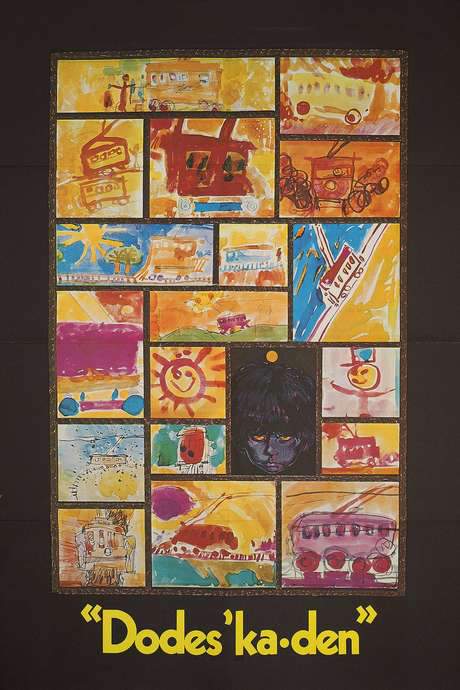
Set in a Tokyo slum on the city’s outskirts, the film portrays the everyday struggles of its residents. A homeless father and his son imagine building their own house, a young woman endures her uncle’s abuse, and a boy pretends to be a trolley conductor, each finding a personal hope that sustains them despite poverty.

Does Dodes’ka-den have end credit scenes?
No!
Dodes’ka-den does not have end credit scenes. You can leave when the credits roll.
Meet the Full Cast and Actors of Dodes’ka-den
Explore the complete cast of Dodes’ka-den, including both lead and supporting actors. Learn who plays each character, discover their past roles and achievements, and find out what makes this ensemble cast stand out in the world of film and television.
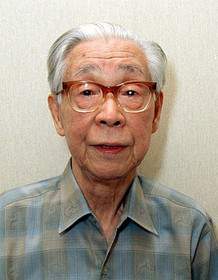
Tatsuo Matsumura
Kyota Watanaka

Akemi Negishi
Good-Looking Housewife
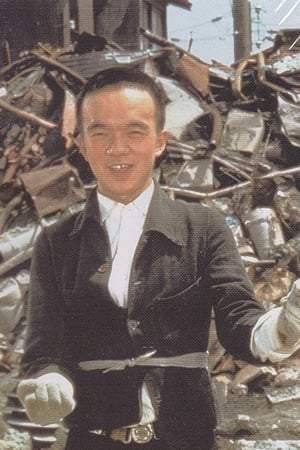
Yoshitaka Zushi
Roku-Chan
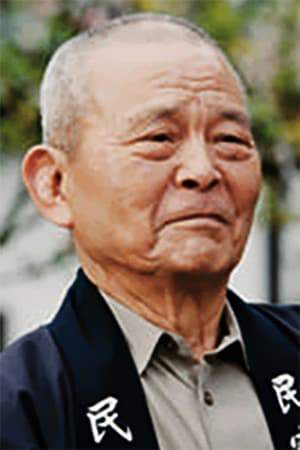
Hisashi Igawa
Masuo Masuda
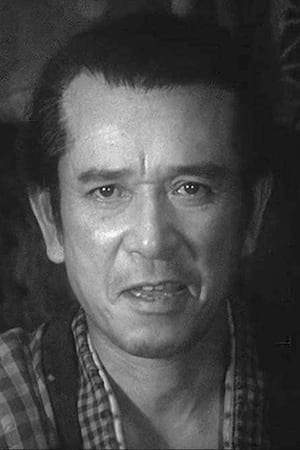
Kôji Mitsui
Foodstand owner
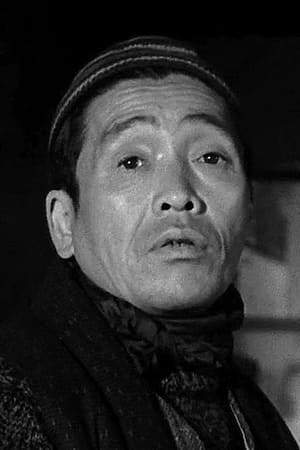
Kamatari Fujiwara
Suicidal Old Man

Toki Shiozawa
Waitress
Atsushi Watanabe
Mr. Tanba
Kin Sugai
Okuni
Jitsuko Yoshimura
Yoshie Kawaguchi
Tomoko Naraoka
Ochô
Noboru Mitani
Beggar
Eimei Esumi
Detective
Takashi Ebata
2nd Man Calling Out
Kunie Tanaka
Hatsutaro Kawaguchi
Hideko Okiyama
Tatsu Masuda
Tappei Shimokawa
Mr. Nomoto
Junzaburō Ban
Yukichi Shima
Masahiko Tanimura
Mr. Sô
Michio Hino
Mr. Ikawa
Imari Tsuji
Otane Watanaka
Matsue Ono
4th Wife
Yoshiko Maki
2nd Wife
Kayako Sono
Kichi's Wife
Masakazu Kuwayama
Western-style restaurant owner
Sanji Kojima
Thief
Akira Hitomi
1st Man Calling Out
Michiko Araki
Restaurant proprietress
Kazuo Katô
Painter
Masaya Nihei
4th Man Calling Out
Reiko Niimura
1st Wife
Shōji Ichimura
3rd Man Calling Out
Toriko Takahara
5th Wife
Shin Ibuki
5th Man Calling Out
Hiroshi Akutagawa
Hei
Keiji Furuyama
Mr. Matsui
Jerry Fujio
Kichi the Carpenter Bee
Yūko Kusunoki
Misao Sawagami
Kiyoko Tange
Mrs. Shima
Minoru Takashima
Policeman
Shinsuke Minami
Ryotaro Sawagami
Hiroyuki Kawase
Beggar's Son
Hiroshi Kiyama
Sushi Shop Proprietor
Toshiyuki Tonomura
Taro Sawagami
Tomoko Yamazaki
Katsuko Watanaka
Masahiko Kametani
Okabe
Toshiko Sakurai
3rd Wife
External Links and Streaming Options
Discover where to watch Dodes’ka-den online, including streaming platforms, rental options, and official sources. Compare reviews, ratings, and in-depth movie information across sites like IMDb, TMDb, Wikipedia or Box Office Mojo.





Take the Ultimate Dodes’ka-den Movie Quiz
Challenge your knowledge of Dodes’ka-den with this fun and interactive movie quiz. Test yourself on key plot points, iconic characters, hidden details, and memorable moments to see how well you really know the film.
Dodes’ka-den Quiz: Test your knowledge of the 1970 film Dodes’ka-den, its characters, themes, and memorable details.
Which boy imagines a never‑ending trolley route in the film?
Full Plot Summary and Ending Explained for Dodes’ka-den
Read the complete plot summary of Dodes’ka-den, including all major events, twists, and the full ending explained in detail. Explore key characters, themes, hidden meanings, and everything you need to understand the story from beginning to end.
The film unfolds as an anthology of overlapping vignettes, set in a cramped suburban shantytown perched atop a sprawling rubbish dump. At its strange, quiet center is Roku-chan, a boy who lives inside a vividly imagined world where he steers a trolley along a fixed route, faithfully reciting the rhythm of his journey with the refrain dodeska-den. The image of the trolley and its never-breaking schedule becomes a ritual that others recognize as both charm and a sign of something deeper, and Roku-chan’s devotion to this fantasy earns him the label of “trolley freak” from locals and visiting children alike. His mother watches with concern, worried that the boy’s fantasy might mask a genuine mental struggle. Tatsuo Matsumura anchors this strand with a quiet, patient presence as Roku-chan’s world collides with the real one around him.
Beyond Roku-chan’s corridor of make-believe, the film broadens to the lives of a wider set of residents, each rendered with the same attention to small, aching detail. Ryotaro Sawagami, a hairbrush maker, bears the heavy load of supporting many children conceived through Misao Sawagami’s serial infidelities, yet his loyalty to his clan shines through in every ordinary moment. The burden is never melodramatic, but it is undeniable, and the film follows his stubborn, steadfast care as a counterpoint to the town’s harsher edges. Shinsuke Minami gives Ryotaro a gravity that keeps the town’s fragility from tipping into despair.
Misao Sawagami, whose infidelities have shaped so much of Ryotaro’s burden, is portrayed with a fragile mix of guilt and longing. The film does not condemn her outright; instead, it presents the complicated knots of desire and consequence that bind this family, inviting empathy even as it acknowledges the damage done. Yūko Kusunoki lends Misao a wit that flickers beneath her impermanence, revealing a character who is both part of the village’s machinery and poignantly separate from it.
Two day laborers drift through a parallel thread—Masuo Masuda and Hatsutaro Kawaguchi—whose rough, drunken bravado leads to a moment of wife-swapping, only to retreat back to their own spouses as if nothing has changed. The episode peels back to reveal tenderness and routine beneath the surface, a reminder that desire can slice through the everyday and leave humanity intact. Hisashi Igawa embodies Masuda’s earthbound stubbornness, while Kunie Tanaka channels Kawaguchi’s rough humor and fleeting remorse.
In another circle, Hei remains a stoic presence, his life defined by cold routine as Ochô, who appears to be his ex-wife, drifts in and out to do the domestic labor of their shared past. The dynamic between Hei and Ochô is understated but electric, with the weight of what was felt in each look and gesture rather than in loud confession. Hiroshi Akutagawa and Tomoko Naraoka carry this thread with restrained dignity, letting silence carry the truth that words cannot.
The film also follows Shima, a man whose tic and outward bluntness mask a fierce, protective loyalty to his wife. His defense of her becomes a kind of survival strategy within the town’s rough social texture, and the tension between tenderness and volatility threads through every interaction. Junzaburō Ban embodies this paradox with a measured, wary humanity.
Another thread centers on Katsuko, a mute girl who endures deep harm after being assaulted by an alcoholic uncle and becoming pregnant. Her emotional storm erupts in a violent act against a boy who once carried a tender interest in her, Okabe, who manages to respond with warmth and forgiveness after the incident, a response that anchors the film’s moral center in moments of grace. Katsuko is brought to life by Tomoko Yamazaki, while Okabe’s quiet decency is portrayed by Masahiko Kametani.
Tanba, a chasework silversmith, appears as a sage figure whose kindness touches even those on the town’s fringes. He speaks with calm authority, disarming danger and offering practical, humane help to those who need it—whether a youth with a sword or a burglar seeking shelter. Atsushi Watanabe lends Tanba a timeless dignity, a reminder that wisdom can look like ordinary generosity.
The film’s world is rich with a gallery of other figures who drift through the community’s life—Kichi the Carpenter Bee, a quirky figure imagined in the town’s folklore, and his wife, Kichi’s Wife, among many others. The cast stretches from the quiet shopkeepers to the artists and the dreamers, each detail sketched with a patient, observant eye that refuses sensationalism in favor of truth.
As the stories interweave, the sense of a shared, struggling dream remains constant: the characters cling to fragile hopes of escape, better living, or simple happiness within their restricted environment. The film refuses to offer easy resolutions or grand judgments; instead it treats each life as a fragile, ongoing work in progress, a series of small, stubborn acts of care, memory, and longing.
In the end, the narrative circles back to Roku-chan. He returns home, removes his imaginary tram conductor hat, and quietly hangs it up, a small, solemn ritual that signals acceptance of reality while preserving the glow of his fantasy as a vital escape hatch for the heart. The closing image affirms that, even in a world defined by hardship, the power of imagination and the tenderness of ordinary human connections can endure, shaping a life that remains human, hopeful, and deeply observed.

Watch Trailers, Clips & Behind-the-Scenes for Dodes’ka-den
Watch official trailers, exclusive clips, cast interviews, and behind-the-scenes footage from Dodes’ka-den. Dive deeper into the making of the film, its standout moments, and key production insights.
Dodes’ka-den Themes and Keywords
Discover the central themes, ideas, and keywords that define the movie’s story, tone, and message. Analyze the film’s deeper meanings, genre influences, and recurring concepts.

Unlock the World of Movies with Our Comprehensive Wiki
Dive into our Movie Wiki for in-depth film encyclopedia entries, including cast biographies, production trivia, plot synopses, behind-the-scenes facts, and thematic analyses. Whether you’re researching iconic directors, exploring genre histories, or discovering hidden easter eggs, our expertly curated movie database has everything you need to fuel your cinematic passion.

Similar Movies To Dodes’ka-den You Should Know About
Browse a curated list of movies similar in genre, tone, characters, or story structure. Discover new titles like the one you're watching, perfect for fans of related plots, vibes, or cinematic styles.









Quick Links: Summary, Cast, Ratings, More

What's After the Movie?
Not sure whether to stay after the credits? Find out!




Explore Our Movie Platform
New Movie Releases (2025)
Famous Movie Actors
Top Film Production Studios
Movie Plot Summaries & Endings
Major Movie Awards & Winners
Best Concert Films & Music Documentaries
Movie Collections and Curated Lists
© 2025 What's After the Movie. All rights reserved.