Shoplifters 2018



A struggling man named Osamu and his son are caught shoplifting, leading to an unexpected connection with a young girl abandoned in the cold. They welcome her into their unconventional home, creating a makeshift family. However, their fragile happiness is threatened by long-held secrets and the potential exposure of their unconventional lifestyle, forcing them to confront difficult truths about their past and their future.


Does Shoplifters have end credit scenes?
No!
Shoplifters does not have end credit scenes. You can leave when the credits roll.
Where to Watch Shoplifters
See current US streaming, rental, and purchase options for Shoplifters (2018) via JustWatch.

Amazon Prime Video
HD
Amazon Prime Video with Ads
HD
Netflix
HD
Netflix Standard with Ads
HD
Hoopla
SD
Kanopy
HD
Plex
HD
Plex Channel
HD
The Roku Channel
HD
Tubi TV
SD
Xumo Play
HD
Amazon Video
SD
Apple TV Store
HD
Fandango At Home
SD
FlixFling
SD
Google Play Movies
SD
Spectrum On Demand
HD Streaming availability powered by 
Meet the Full Cast and Actors of Shoplifters
Explore the complete cast of Shoplifters, including both lead and supporting actors. Learn who plays each character, discover their past roles and achievements, and find out what makes this ensemble cast stand out in the world of film and television.

Chizuru Ikewaki

Lily Franky
Osamu Shibata

Akira Emoto
Yoritsugu Kawado

Daisuke Kuroda

Jyo Kairi
Shota Shibata

Kazuaki Shimizu

Kengo Kôra

Kirin Kiki
Hatsue Shibata

Mayu Matsuoka
Aki Shibata

Miyu Sasaki
Yuri Hojo

Moemi Katayama
Nozomi Hojo

Sakura Andô

Sôsuke Ikematsu
4 ban-san
Yôko Moriguchi
Yûki Yamada
Yasu Hojo
External Links and Streaming Options
Discover where to watch Shoplifters online, including streaming platforms, rental options, and official sources. Compare reviews, ratings, and in-depth movie information across sites like IMDb, TMDb, Wikipedia or Rotten Tomatoes.










Ratings and Reviews for Shoplifters
See how Shoplifters is rated across major platforms like IMDb, Metacritic, and TMDb. Compare audience scores and critic reviews to understand where Shoplifters stands among top-rated movies in its genre.

The Movie Echo Score
Shoplifters excels in its emotional depth and assured direction, with subtle cinematography and a resonant ensemble performance. Critics applaud Kore-eda’s nuanced approach to family dynamics and the film’s measured pacing that culminates in a devastating final act. While some viewers find the middle section languid and the premise familiar, most praise the visual style and thoughtful storytelling. The cohesive sound design and evocative score further enhance the immersive experience. Net impression: a compelling drama with strong craft and character work that rewards attentive viewing.
The Movie Echo Score Breakdown for Shoplifters

Art & Craft
In terms of Art & Craft, Shoplifters demonstrates assured direction and careful visual composition. Kore-eda’s framing employs an understated color palette that underscores the themes of intimacy and resourcefulness. Production design subtly conveys the family’s economic precariousness, and editing maintains a measured rhythm. Overall, the film’s visual coherence and craftsmanship reinforce its contemplative tone.

Character & Emotion
When it comes to Character & Emotion, the film’s ensemble delivers nuanced performances that evoke genuine empathy. The makeshift family’s interactions are portrayed with quiet authenticity, highlighting subtle tensions and unspoken bonds. Emotional resonance builds gradually through understated dialogue and small gestures. In the end, character depth and chemistry drive the narrative, creating a compelling portrait of unconventional kinship.

Story & Flow
In terms of Story & Flow, Shoplifters unfolds as a deliberate slow burn that explores moral ambiguity within its plot. The pacing is measured, allowing secrets to surface gradually, though this approach may feel languid during the central act. The narrative remains coherent, addressing social themes without overt exposition. Overall, the storyline’s blend of intimacy and suspense sustains engagement despite occasional dips in tempo.

Sensory Experience
When it comes to Sensory Experience, the film’s soundscape and visual style are thoughtfully integrated. The restrained score underscores emotional moments without overwhelming them, and ambient sound design enriches the setting. Visually, the subdued color palette and naturalistic lighting create cohesion across scenes. Overall, the sensory elements work in concert to immerse the audience in the characters’ intimate world.

Rewatch Factor
In terms of Rewatch Factor, Shoplifters offers moments of subtlety that reward close attention on subsequent viewings. Nuanced performances and thematic depth reveal additional layers upon return, though the film’s slow pacing may deter some from revisiting. The emotional resonance and moral complexity persist beyond initial engagement. Overall, the movie provides lasting appeal for viewers who appreciate reflective, character-driven stories.

93
Metascore
8.4
User Score


99%
TOMATOMETER

91%
User Score

7.9 /10
IMDb Rating

79
%
User Score

4.3
From 4.7K fan ratings

4.33/5
From 3 fan ratings
Awards & Nominations for Shoplifters
Discover all the awards and nominations received by Shoplifters, from Oscars to film festival honors. Learn how Shoplifters and its cast and crew have been recognized by critics and the industry alike.
Full Plot Summary and Ending Explained for Shoplifters
Read the complete plot summary of Shoplifters, including all major events, twists, and the full ending explained in detail. Explore key characters, themes, hidden meanings, and everything you need to understand the story from beginning to end.
In Tokyo, a family lives on the edge of poverty, crafting a fragile life together under one roof. Hatsue Shibata (Kirin Kiki), the elderly grandmother who owns the home, leans on her late husband’s pension to keep the household afloat; Nobuyo (Sakura Andô), who works at an industrial laundry, helps shoulder the daily grind; Osamu Shibata (Lily Franky) is a day laborer who is occasionally forced to leave work after an injury; Aki Shibata (Mayu Matsuoka) makes ends meet at a JK peep shop; and Shota Shibata (Jyo Kairi) is their youngest companion in this precarious unit. The family’s survival is built on quiet acts of necessity, not honesty, and the line between care and crime grows blurrier with each passing day.
Osamu and Shota move through the city with a practiced ease, communicating in a private system of hand signals as they shoplift from stores. They justify their theft by convincing themselves that taking items that remain on the shelves isn’t truly stealing, since they aren’t yet claimed by anyone. This ritual of taking becomes a strange code that binds them, a murky moral map they navigate together in the cold, dimly lit rooms of their shared life. When they encounter Yuri Hojo (Miyu Sasaki)—a neighborhood girl they often see locked out on a balcony—they bring her home for dinner, intending only a temporary stay. But seeing signs of abuse behind her closed doors compels them to shelter her, and Yuri becomes woven into their makeshift family.
Yuri forms a bond with the five of them, learning the family’s unspoken rules and even picking up the shoplifting skills that Osamu and Shota demonstrate. Osamu tries to frame their dynamic as a form of father-daughter and sister-brother relationship, urging Shota to accept him as a paternal figure while coaxing Yuri to see herself as a sister. Shota resents the pressure, clinging to a sense of moral boundaries even as the others press forward into their precarious method of survival. Their television-screen world begins to unravel, as authorities begin to investigate Yuri’s disappearance after nearly two months of radio silence from her parents, who never reported her missing.
The family makes a grim choice to protect their fragile circle: they cut Yuri’s hair, burn her old clothes, and rename her Lin, trying to erase her old identity as they create a new one within the household. Hatsue later visits the man she had an affair with, a source of financial support that keeps the roof over their heads, and she quietly accepts a future she believes might not end in loneliness. But that night, Hatsue dies in her sleep, and Osamu and Nobuyo bury her under the house to avoid any official report and to continue drawing her pension.
Following Hatsue’s death, tensions rise. Osamu sneaks a purse from a car, a theft that unsettles Shota, who has begun to question the family’s moral code. Shota, who joined the family after Nobuyo and Osamu found him in a locked car, wrestles with the line between loyalty and conscience. His guilt grows as he witnesses Yuri’s slippery relationship with their brand of crime; he even steals fruit in view of store staff to interrupt Yuri’s ongoing covert theft. Cornered, he makes a desperate choice and throws himself from a bridge, breaking his leg.
Shota’s injuries lead to hospitalization and police scrutiny. Nobuyo and Osamu are eventually caught after attempting to flee with Yuri and Aki. The authorities uncover Yuri’s true situation and Hatsue’s death, and reveal that Nobuyo’s abusive husband was killed in self-defense years earlier, while Hatsue had been receiving money from Aki’s parents. Nobuyo takes the blame for the family’s crimes to shield Osamu, who has a prior criminal record, and she is sentenced to prison. Shota is placed in an orphanage, while Osamu and Nobuyo’s severed ties to their former life begin to close in.
When Nobuyo visits the prison, she gives Shota the details of the car they were found in so he can search for his real parents. Shota spends a night with Osamu, defying the orphanage rules, and asks him to tell the truth. Osamu lays it bare: he can no longer be the father Shota needs. The next morning, as Shota prepares to depart, he confesses that he let himself be caught to protect him, and Osamu runs after the bus, struggling to reach him. In that moving moment, Shota looks back and finally acknowledges Osamu as his father, a quiet, painful recognition that marks the end of a shared, risky life.
Meanwhile, Yuri is returned to her neglectful parents, who remain unable or unwilling to provide the care she needs. She looks back wistfully at the small, fragile home she left behind, the place where a makeshift family once sheltered her from the harsher world outside. The film closes on the unresolved tension between belonging and necessity, a portrait of how people cope with poverty, love, and loyalty when conventional moral frameworks no longer hold.

Coming soon on iOS and Android
The Plot Explained Mobile App
From blockbusters to hidden gems — dive into movie stories anytime, anywhere. Save your favorites, discover plots faster, and never miss a twist again.
Sign up to be the first to know when we launch. Your email stays private — always.
Explore the mobile appWatch Trailers, Clips & Behind-the-Scenes for Shoplifters
Watch official trailers, exclusive clips, cast interviews, and behind-the-scenes footage from Shoplifters. Dive deeper into the making of the film, its standout moments, and key production insights.
Shoplifters Themes and Keywords
Discover the central themes, ideas, and keywords that define the movie’s story, tone, and message. Analyze the film’s deeper meanings, genre influences, and recurring concepts.
Shoplifters Other Names and Titles
Explore the various alternative titles, translations, and other names used for Shoplifters across different regions and languages. Understand how the film is marketed and recognized worldwide.
Articles, Reviews & Explainers About Shoplifters
Stay updated on Shoplifters with in-depth articles, critical reviews, and ending explainers. Explore hidden meanings, major themes, and expert insights into the film’s story and impact.

Similar Movies To Shoplifters You Should Know About
Browse a curated list of movies similar in genre, tone, characters, or story structure. Discover new titles like the one you're watching, perfect for fans of related plots, vibes, or cinematic styles.
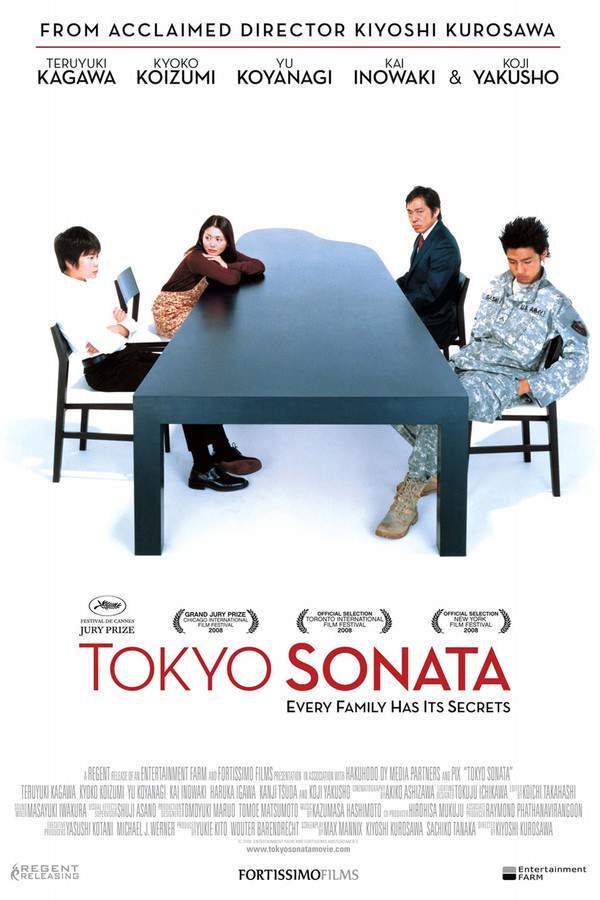









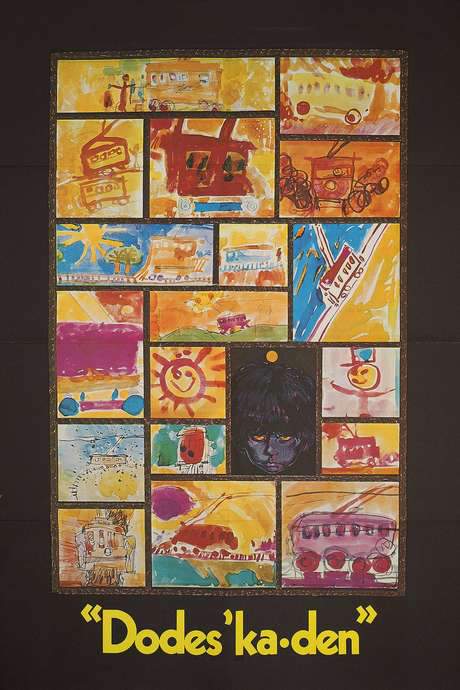


Quick Links: Summary, Cast, Ratings, More

What's After the Movie?
Not sure whether to stay after the credits? Find out!
Check out our other apps:

SAT Sphere
Build confidence for the Digital SAT.

Mori Atlas
Discover wild places worth protecting.

Luntero
Search smarter for a home in Amsterdam.

Plot Explained
Unravel movie endings and hidden clues.

Pokechamp
Dive into Pokémon data and battle logic.

Driving Theory
Get ready for your European theory test.

Movie Dust
Plan your next cinema trip with ease.

Musemap
Find art and culture as you travel.

Selkobase
Compare credentials before committing.

Local Manual
Turn an unfamiliar country into practical next steps.

Lernavi
Compare school systems before your next move.

GymRoam
Find a workout stop wherever your plans take you.
Explore Our Movie Platform
New Movie Releases (2026)
Famous Movie Actors
Top Film Production Studios
Movie Plot Summaries & Endings
Major Movie Awards & Winners
Best Concert Films & Music Documentaries
Movie Collections and Curated Lists
© 2026 What's After the Movie. All rights reserved.
Privacy Policy