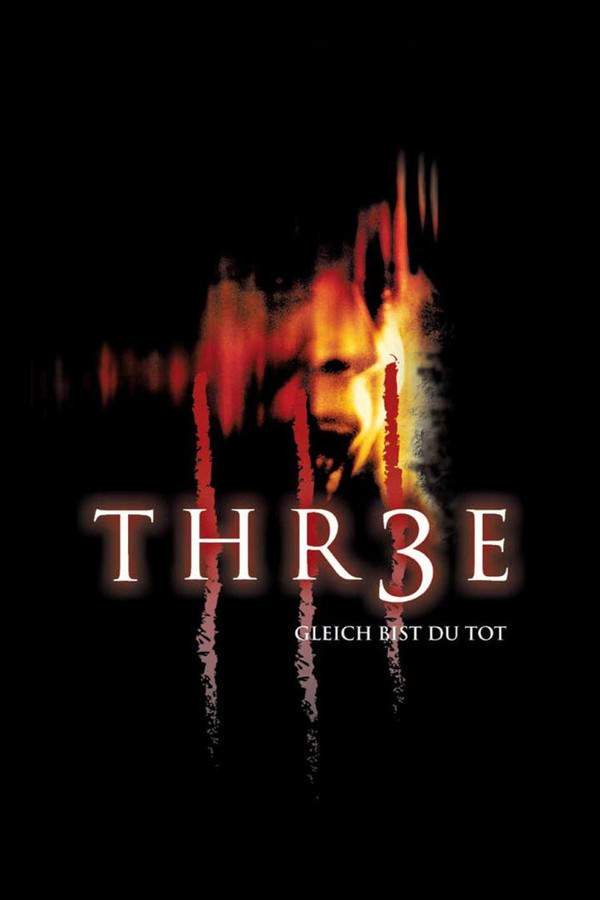
What Is The Calling About?
The premise of The Calling in 275 words, with nothing given away. The full story follows below.
In a quiet town where faith is woven into the rhythm of daily life, Tamar works diligently at a modest ministry, pouring her heart into service and ritual. Her world is one of whispered prayers, humble gatherings, and the quiet expectation that devotion will keep her anchored. Yet beneath the calm surface, a restless yearning gnaws at her—a longing that clashes with the doctrines she has long upheld.
When a new presence arrives—a man whose own spiritual calling mirrors her own—Tamar finds herself drawn into an unexpected intimacy that both comforts and unsettles her. Their conversations echo with shared reverence, and the connection they forge feels like a whispered promise of something deeper than the familiar rites she knows. The delicate balance of her carefully constructed life begins to tremble, hinting at possibilities that both excite and frighten her.
As the bond between them deepens, memories long buried start to surface, reminding Tamar of a past she has kept hidden for sixteen years. These shadows, tucked away beneath layers of faith and routine, begin to seep into her present, urging her to confront truths she has long avoided. The film breathes with a steady, reflective tone, allowing the audience to feel the weight of each quiet confession and the tremor of every unspoken desire.
Set against the soft glow of church candles and the muted hum of small‑town life, the story unfolds with a quiet intensity. It invites viewers into Tamar’s inner world—a place where devotion and doubt coexist, where love may be both salvation and challenge, and where the path forward is lit by both hope and the faint, hesitant flicker of the past.
What Happens in The Calling?
The complete story of The Calling, from the first scene to the last, in 685 words (about 3 minutes). Spoilers throughout. Names in the text link to 4 cast member pages.
Spoilers ahead
In the quiet town of Fort Dundas, Ontario, Inspector Hazel Micallef (played by Susan Sarandon) leads a relatively solitary life, dedicated to her duties as a police officer. Her routine is disrupted when she is called to check on Delia Chandler, an elderly woman who is found nearly decapitated in her own home, her face twisted as if she was screaming in terror. This shocking scene marks the beginning of a series of gruesome murders that soon become the focus of Hazel’s investigation.
As the body count rises, the police discover a disturbing pattern: the victims, all with twisted mouths, have been arranged to spell out the word “Líbera”. The nature of these killings leads Hazel to suspect they are the work of a serial killer with a twisted obsession. Turning to Father Price, a priest from the nearby Catholic church played by Donald Sutherland, Hazel learns that “libera” is a Latin word with multiple meanings, including a “Resurrection Prayer” that is believed to hold the power to bring the dead back to life. Father Price explains that the prayer involves a sacrifice of twelve souls, and Hazel begins to realize that her suspect is contorting his victims’ faces to mimic the twelve syllables of this prayer.
Meanwhile, Hazel’s deputy, Ben Wingate (portrayed by Topher Grace), pursues a lead to British Columbia, using his mother’s travel points to track down a trail of clues. His investigation leads him to a remote forest trailer where he uncovers more sinister evidence, including packages from “the disciples” and a body wrapped in formaldehyde-soaked bandages, indicating that the killer is collecting or possibly creating more victims.
The story takes a disturbing turn when a mysterious man, played by Christopher Heyerdahl, appears at a local coffee shop and then visits a young girl suffering from severe seizures. The man introduces himself as Simon and offers help to the girl’s mother, who is also a waitress. After brewing her tea, Simon appears to smother the girl. However, in a twist, Hazel learns that the girl survived and is now symptom-free, revealing that Simon’s methods involve poisoning his victims, all of whom are terminally ill and seeking a way out from their suffering.
Hazel deduces that Simon is targeting people from an online forum for terminal patients, collecting victims who are ready to die. She tracks down his next target, but Ben Wingate arrives too late, and Simon subdues him with a sedative. The killer’s plans come into sharper focus when Hazel confronts Simon in Father Price’s church, where they discuss Simon’s mission. It becomes clear that Simon, whose real name is Peter, is trying to resurrect his brother, who had committed suicide and was found dead in Simon’s trailer.
Hazel uncovers that Peter’s brother was a victim of the same twisted ritual, and that Peter sees his actions as a form of salvation. The film reveals that Peter’s obsession stemmed from his tragic childhood, being orphaned and left with unimaginable pain. Peter’s complex motives come to light when Hazel’s superiors learn he is the next target—an appointment that Hazel herself resents being kept out of.
In a dark turn, Hazel, overwhelmed by her own grief over the loss of her baby, gets drunk and returns home where Peter is waiting. He drugs her and takes her to a farmhouse, offering her his tea and explaining his mission: to resurrect his brother by collecting the twelve sacrifices needed for the ritual. Hazel, in a moment of clarity, confronts her own pain about her baby’s death, nearly succumbing to Peter’s plea. But in a final act of resilience, she rejects the ritual and refuses to drink the poison he prepared.
Tragically, Peter chooses to end his own life instead of continuing his deadly mission. The film concludes with police raiding his trailer, only to find the bed empty, leaving the fate of Peter and his victims unresolved. Throughout the story, themes of grief, redemption, and the desperate search for meaning in suffering are explored, wrapped in a chilling narrative about how far one might go to escape pain, even through resurrection or sacrifice.
The Calling Timeline: Every Key Event in Order
11 key events in the order they happen, from “Introduction to Fort Dundas police detective” to “Peter’s sacrifice and the end”. 11 events name a place, across 6 locations.
- 1
Introduction to Fort Dundas police detective
Inspector Hazel Micallef is introduced as a seasoned police officer in the small Ontario town of Fort Dundas. She responds to a brutal crime scene involving elderly Delia Chandler, who is found nearly decapitated in her home, indicating the start of a series of murders. The scene sets the tone for a town shaken by violence and the investigation that follows.
Where:Fort Dundas
- 2
First gruesome murders discovered
Police encounter their second and third victims, both grotesquely mutilated with twisted faces, suggesting a serial killer at work. The murders are characterized by a disturbing pattern where the victims' mouths are positioned to spell out the word 'Líbera'. The investigation intensifies as the team works to understand the killer's motives.
Where:Fort Dundas
- 3
Connection to the Resurrection Prayer
Detective Micallef deduces that the killer is manipulating victims' faces into the 12 syllables of a Resurrection Prayer. This insight is gained through forensic analysis and her consultation with Father Price, a priest specializing in Latin. The pattern hints at a ritualistic motive rooted in religious symbolism.
Where:Fort Dundas
- 4
Father Price explains the significance of 'Líbera'
Father Price discusses the meaning of 'Líbera', revealing its association with resurrection and sacrifice in Christian tradition. He explains that Jesus' resurrection involved 12 willing souls, linking it to the killer's method of contorting victims' faces into 12 syllables. This deepens the religious and ritualistic context of the murders.
Where:Fort Dundas
- 5
Deputy Wingate follows a lead in British Columbia
Ben Wingate uses his mother's frequent flyer points to travel to a trailer in a remote forest based on information from the initial investigation. He finds a suspicious woman delivering packages from 'the disciples' and discovers a body wrapped in formaldehyde, indicating a new victim connected to the killer’s cult-like activities.
Where:British Columbia
- 6
Encounter with the mysterious man
At a local coffee shop, a man named Simon, carrying a doctor's bag, engages with the waitress. He offers help for her daughter’s severe seizures, which he later appears to have caused by poisoning her. This introduces Simon as a key suspect and conveys his manipulative and sinister nature.
Where:Local coffee shop / Waitress's house
- 7
Revelation of Simon’s victims
Micallef learns that all of Simon’s victims were terminally ill, gathered from an online forum for patients. She deduces that he is poisoning these individuals to gather victims for his resurrection ritual, which involves contorting their faces into the 12 syllables of the prayer.
Where:Fort Dundas
- 8
Simon targets Father Price
Simon, claiming to seek resurrection, goes to the church where Father Price is present. They have a brief confrontation about Simon’s mission. It becomes evident that Price may be the killer’s next intended victim, as he is also terminally ill and involved in the ritualistic deception.
Where:Church
- 9
Revelation of Peter’s past and identity
Micallef discovers that Simon's real name is Peter, and that he and his brother were orphans under Father Price’s care. The body found earlier was Peter’s brother, who had committed suicide, adding a tragic background to the killer’s motives and linking him to the orphanage.
Where:Fort Dundas
- 10
Micallef confronts Peter at her home
Deeply affected by her personal pain, especially the loss of her baby, Micallef encounters Peter at her house. She is drugged and taken to a farmhouse, where Peter tries to persuade her to participate in his resurrection ritual by offering her a poisoned tea. She nearly succumbs but ultimately refuses.
Where:Micallef's home / Farmhouse
- 11
Peter’s sacrifice and the end
As Micallef resists drinking the poison, Peter kills himself instead, ending his ritual and plans. The police raid his trailer afterward, discovering it empty, implying that Peter’s mission was left incomplete, with his body and victims lost or hidden.
Where:Trailer / Police raid location
Who Are the Main Characters in The Calling?
3 characters, among them Hazel Micallef (Susan Sarandon), Peter (The Mysterious Man) and Father Price (Donald Sutherland): who each one is and the part they play in the story. 2 of them link to the actor’s page.
-

Hazel Micallef (Susan Sarandon)
Played by Susan Sarandon
A experienced and gritty police inspector haunted by her past, especially the loss of her child. She is determined, intuitive, and emotionally complex, often battling her own demons while solving dark crimes. Her resilience is central to her character as she seeks truth and justice.
- 👮♀️ Determined
- 🥃 Haunted
- 🔍 Intuitive
- P(
Peter (The Mysterious Man)
A troubled and obsessed individual driven by the loss of his brother and his desire to resurrect him. His actions are fueled by grief and a twisted sense of duty, making him both an antagonist and a sympathetic figure. He believes in the power of the resurrection prayer to defy death.
- 🔬 Obsessive
- 💔 Grief-stricken
- 🧪 Fanatical
-
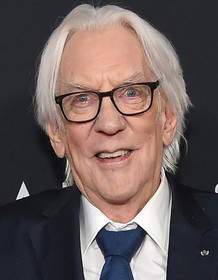
Father Price (Donald Sutherland)
Played by Donald Sutherland
A wise and conflicted priest with a deep knowledge of Latin and religious rituals. He offers spiritual guidance but also faces the dilemma of whether to intervene in Peter’s dangerous plans. His character symbolizes faith, morality, and the potential for sacrifice.
- 🙏 Wise
- 🛡️ Protective
- 📖 Religious
Where and When Is The Calling Set?
The Calling is set in Fort Dundas, Ontario and Canada (Contemporary, early 21st century). Here is why the time and place matter to the story.
When
Contemporary, early 21st century
The film is set in the present day, reflecting recent technological and societal elements. The contemporary setting allows for the inclusion of online forums and modern medical treatments, which are central to the plot. It situates the story within a realistic timeframe, emphasizing current issues like terminal illness and digital communication.
Where
Fort Dundas, Ontario, Canada
Fort Dundas is a small, rural town in Ontario characterized by its quiet streets and close-knit community. The town is surrounded by forests and natural landscapes, which provide a secluded setting that plays a crucial role in the story. Its remote location enhances the suspense and highlights themes of isolation and local legends.
- 🌲 Small town
- 🛣️ Remote
- 🏞️ Nature
What Are the Themes of The Calling?
2 ideas the story keeps returning to, among them Resurrection and Mortality.
-
01
Resurrection
The theme of resurrection is explored through Peter’s obsession with bringing his brother back to life using the resurrection prayer. It raises questions about life after death, sacrifice, and the moral boundaries of scientific and spiritual intervention. The movie examines whether resurrection is a divine miracle or a dangerous obsession.
-
02
Mortality
The story revolves around terminal illnesses and the desire to cheat death. Characters are driven by pain, loss, and the hope for revival, highlighting human vulnerability in the face of mortality. It delves into the moral dilemmas surrounding death, sacrifice, and the lengths people will go to alter their fate.
What Kind of Film Is The Calling?
Dark in tone, with steady pacing and a moderate story, going by the plot summary.
- Tone
- Dark
- Pacing
- Steady
- Story
- Moderate
- Intensity
- High
- Ending
- Ambiguous
A grim and suspenseful crime thriller that follows a tormented detective through a dark investigation into ritualistic murders, creating a consistently anxious and melancholic atmosphere centered on profound grief.
- grim
- suspenseful
- melancholic
- oppressive
- dark
- anxious
- grief and loss
- serial killer
- crime investigation
- religious obsession
Content notes: graphic violence, suicide, mercy killing, terminal illness, kidnapping.
Quiz
How well do you remember The Calling? Test yourself on the story.