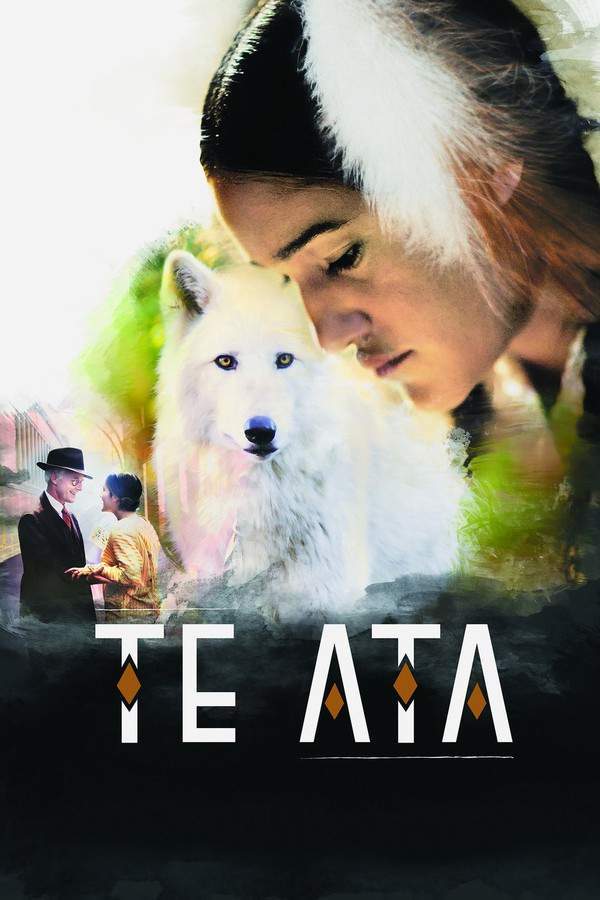
What Is Te Ata About?
The premise of Te Ata in 302 words, with nothing given away. The full story follows below.
In the early decades of the twentieth century, the world is a tapestry of change, where the quiet plains of the Chickasaw Nation brush against the bustling stages of America’s cultural capitals. Against this backdrop, Mary Thompson Fisher—known affectionately as Te Ata—emerges from a close‑knit tribal community steeped in song and story. Her upbringing is framed by the rhythms of Chickasaw tradition, a gentle but insistent drum that will guide every choice she makes, even as the nation around her pushes for assimilation.
Te Ata carries an inner fire that propels her from the modest homes of her childhood to the itinerant life of a traveling monologue performer. The film paints her world with a warm, amber‑toned glow, capturing the intimacy of intimate gatherings where her voice weaves ancient narratives, as well as the dazzling allure of larger venues that hint at something greater. The tone is both lyrical and resolute, inviting viewers to feel the pull of heritage against the promise of broader horizons.
The story’s atmosphere balances reverence for cultural roots with the exhilarating uncertainty of a stage lit for the first time. As Te Ata steps onto larger platforms—eventually reaching the polished boards of Broadway—she does so with a quiet confidence that stems from the stories passed down through generations. Audiences of all walks, from curious locals to distant dignitaries, become witnesses not just to a performance, but to a living bridge between past and present.
Through its poetic cinematography and measured pacing, the film settles into a contemplative rhythm, letting the audience savor the tension between belonging and ambition. It promises a journey where every spoken word and lingering note is a testament to resilience, inviting curiosity about how a young Chickasaw woman will navigate the delicate dance of honoring her lineage while reaching for the world’s spotlight.
What Happens in Te Ata?
The complete story of Te Ata, from the first scene to the last, in 261 words (about 1 minute). Spoilers throughout.
Spoilers ahead
Te Ata (pronounced TAY AH-TAH) narrates the inspiring true story of Mary Thompson Fisher, a remarkable woman who embraced and broke through cultural barriers to become one of the most celebrated Native American performers in history. Born in 1895 within the Chickasaw Nation, located in the Indian Territory of what is now Oklahoma, Mary’s life unfolded during a period of profound change and struggle for Native Americans.
Despite the pressures from government officials aiming to assimilate Native Americans into what was considered “mainstream” society, the Chickasaw community fiercely upheld their traditional beliefs and practices. Raised amidst the melodic songs and rich stories of her Chickasaw tribe, these essential elements of her culture would significantly shape the trajectory of her life. The cherished tales and songs passed down through generations became a pivotal influence in her journey.
Te Ata’s pursuit of her true passion was not without its challenges; her path was marked by moments of isolation, discovery, and love. As she transitioned from a traveling performer to the Broadway stage, she remained steadfast in her commitment to her art and heritage. Her career blossomed, culminating in performances attended by presidents and royalty, which showcased her talent on a grand scale.
Yet, amid all the enchanting tales she shared with her captivated audiences, the most profound and inspirational story remained her own—a testament to resilience, dedication, and the power of cultural identity. This film beautifully portrays how Te Ata’s journey reflects the timeless struggle of honoring one’s heritage while following one’s dreams, making Mary Thompson Fisher’s story unforgettable and truly worth sharing.
Te Ata Timeline: Every Key Event in Order
11 key events in the order they happen, from “Birth of Mary Thompson Fisher” to “Legacy of Inspiration”. 2 events name a place, across 2 locations.
- 1
Birth of Mary Thompson Fisher
Mary Thompson Fisher, known as Te Ata, was born in 1895 in the Chickasaw Nation, Indian Territory, which is now part of Oklahoma. Her birth occurred during a tumultuous time for Native Americans as they faced pressure from the government to assimilate into mainstream society, impacting their cultural identity and traditions.
When:1895 Where:Chickasaw Nation, Indian Territory
- 2
Cultural Heritage and Upbringing
Te Ata was raised in a rich cultural environment filled with the songs and stories of her Chickasaw tribe. These traditional narratives were crucial, as they shaped her identity and influenced pivotal moments in her life, fostering a deep connection to her heritage.
- 3
Struggles with Assimilation
Throughout her early years, Te Ata witnessed the efforts by government officials aimed at fully assimilating Native Americans into mainstream American society. Despite this, the Chickasaw community strongly upheld its traditional beliefs and practices, which provided Te Ata with a strong foundation and sense of purpose.
- 4
Influence of Traditional Songs and Stories
The songs and stories of the Chickasaw tribe played a significant role in Te Ata's life, guiding her decisions and aspirations. As she grew, these cultural elements inspired her to share her heritage through performance, marking the beginning of her artistic journey.
- 5
First Performances
Te Ata began her journey as a traveling performer, showcasing her talent and the rich stories of her people. Her performances allowed her to connect with diverse audiences, sharing her culture and personal narrative in a way that transcended barriers.
- 6
Broadway Debut
Te Ata's talent eventually led her to the bright lights of Broadway, where she made her mark as a prominent performer. This transition was a significant achievement, as it represented not only her personal success but also the elevation of Native American artistry on a respected platform.
Where:Broadway
- 7
Performances for Presidents and Royalty
Throughout her illustrious career, Te Ata had the honor of performing for various presidents and royalty. These significant events highlighted her impact as a cultural ambassador and showcased her unique ability to captivate and educate through storytelling.
- 8
Quest for Identity
Te Ata's journey was not merely about her performances; it also involved a profound quest for her identity as a Native American woman. She navigated the challenges of isolation and societal expectations while staying true to her roots and passions.
- 9
Breaking Cultural Barriers
By becoming one of the most beloved Native American performers, Te Ata broke many cultural barriers that existed at the time. Her work not only entertained but also educated audiences about the richness of Native American history and culture, creating a legacy that resonates today.
- 10
Sharing Her Own Story
While Te Ata shared numerous stories with her audiences, her own story was perhaps the most compelling. Her life’s narrative served as an inspiration not just for Native Americans but for anyone facing challenges in pursuit of their dreams.
- 11
Legacy of Inspiration
Te Ata's journey exemplifies the power of cultural preservation and the importance of storytelling. Her legacy continues to inspire future generations of artists and performers who seek to celebrate and share their heritage.
Who Are the Main Characters in Te Ata?
3 characters, among them Te Ata (portrayed by Q'orianka Kilcher), T.B. Thompson (portrayed by Gil Birmingham) and Douglas Johnston (portrayed by Graham Greene): who each one is and the part they play in the story. Every profile links to the actor’s page.
-

Te Ata (portrayed by Q'orianka Kilcher)
Played by Q'orianka Kilcher
Te Ata is a passionate and talented performer who embodies the spirit of her Chickasaw heritage. As she navigates her career, she grapples with the challenges of cultural assimilation while remaining true to her roots. Her journey is marked by resilience, love, and an unwavering commitment to sharing her people's stories through performance.
- 🌟 Inspiration
- 🎤 Performance
-

T.B. Thompson (portrayed by Gil Birmingham)
Played by Gil Birmingham
T.B. Thompson is a supportive figure in Te Ata's life, acting as a bridge between her artistic ambitions and her cultural heritage. He is deeply rooted in the Chickasaw traditions and helps Te Ata navigate the complexities of her identity as she embarks on her career.
- 🤝 Support
- 🌿 Tradition
-
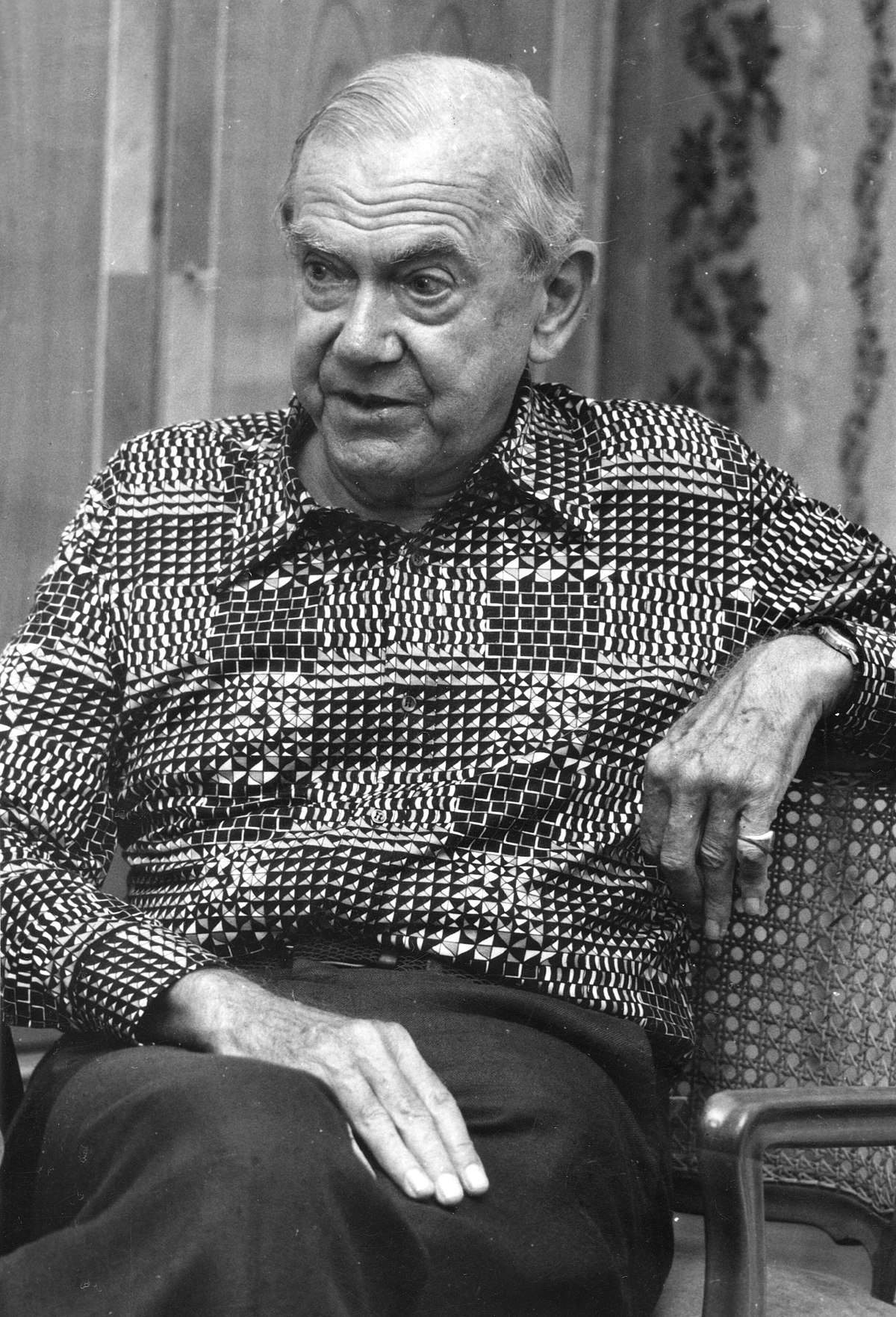
Douglas Johnston (portrayed by Graham Greene)
Played by Graham Greene
Douglas Johnston represents the voice of the Chickasaw Nation and advocates for the preservation of their culture during a time of upheaval. He plays a crucial role in guiding Te Ata, highlighting the significance of cultural pride and storytelling.
- 📖 Storytelling
- 🗣️ Leadership
Where and When Is Te Ata Set?
Te Ata is set in Chickasaw Nation and Indian Territory (Oklahoma) (1895). Here is why the time and place matter to the story.
When
1895
The year 1895 was a significant period for Native Americans, as many tribes were struggling to maintain their identities amidst the pressures of assimilation into mainstream American culture. This era was marked by hardship, as well as a resilient spirit among indigenous communities who sought to uphold their traditions and navigate a rapidly changing world.
Where
Chickasaw Nation, Indian Territory (Oklahoma)
The Chickasaw Nation is a Native American tribal government located in Oklahoma, known for its rich cultural heritage and commitment to preserving traditional beliefs. This region, historically referred to as Indian Territory, played a pivotal role in the lives of Native Americans as they faced numerous challenges during assimilation attempts by the government.
- 🏞️ Nature
- 🇺🇸 Culture
What Are the Themes of Te Ata?
2 ideas the story keeps returning to, among them Cultural Identity and Performance.
-
01
Cultural Identity
Cultural identity is a central theme in 'Te Ata,' as it explores Mary Thompson Fisher's journey to embrace her Chickasaw heritage. The film highlights the importance of storytelling and traditional practices as vital components of her identity. Through her performances, she champions the resilience and beauty of Native American culture, inspiring others to honor their roots.
-
02
Performance
The theme of performance in 'Te Ata' underscores the power of art as a means of expression and connection. Te Ata's journey from a traveling performer to the Broadway stage showcases her talent and determination. Her performances not only entertained but also educated audiences about Native American stories and experiences, bridging cultural gaps.
What Kind of Film Is Te Ata?
Hopeful in tone, with steady pacing and a straightforward story, going by the plot summary.
- Tone
- Hopeful
- Pacing
- Steady
- Story
- Straightforward
- Intensity
- Medium
- Ending
- Happy
An uplifting and inspiring biographical drama that follows a determined Native American woman's journey to artistic success, celebrating cultural heritage and resilience against a backdrop of love and historical challenges.
- inspiring
- uplifting
- reflective
- cultural pride
- resilient
- romantic
- cultural identity
- artist journey
- native american heritage
- biographical drama
Content notes: racism, racial prejudice.
Quiz
How well do you remember Te Ata? Test yourself on the story.