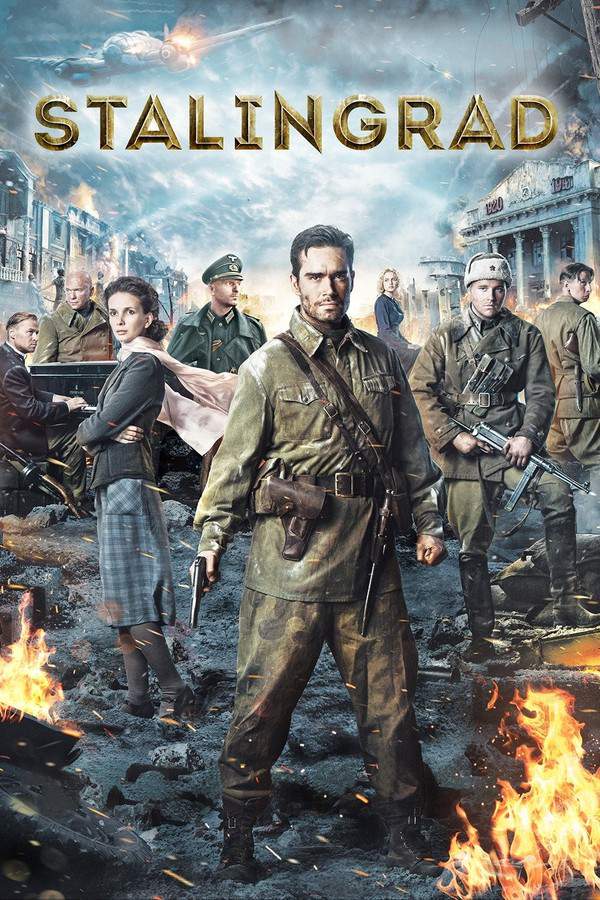
What Is Stalingrad About?
The premise of Stalingrad in 335 words, with nothing given away. The full story follows below.
In the frozen wreckage of Stalingrad, the city itself becomes a character—its streets choked with ash, its buildings reduced to skeletal frames, its sky perpetually bruised by artillery fire. The battle is relentless, a claustrophobic siege where every breath is a reminder of survival’s fragility. The film immerses the viewer in this stark, winter‑shrouded landscape, letting the muffled crackle of gunfire and the distant wail of sirens paint a world where hope seems as thin as the ice on the Volga.
Amid the chaos, a tight‑knit squad of Russian infantry clings to a single, strategically vital structure. Their leader, Alexei, carries the weight of command with quiet resolve, his eyes reflecting the weariness of countless nights spent in the shadows of ruined walls. Around him, his comrades—each a portrait of quiet bravery—share silent glances that speak louder than orders. Their collective determination to hold the building against overwhelming odds creates a palpable tension, a fragile line between endurance and surrender that underpins the film’s relentless atmosphere.
The siege brings them face‑to‑face with a courageous local woman, Anya, whose presence is both unexpected and transformative. She moves through the rubble with a fierce, unyielding spirit, offering not only practical aid but an emotional anchor that begins to reshape the soldiers’ perception of the war around them. The tentative bond that forms between Alexei’s group and Anya hints at the possibility of humanity persisting even in the darkest of circumstances, suggesting that the battlefield may also be a place where unlikely connections are forged.
Through muted colors, deliberate pacing, and a soundtrack that swells with restrained melancholy, the film cultivates a tone of solemn reverence tempered by quiet optimism. It invites viewers to contemplate rebirth amid destruction, presenting a narrative where survival is as much about holding onto one’s humanity as it is about defending a piece of concrete. The story’s restraint and focus on character over carnage promise an experience that lingers long after the final frame, echoing the resilience of those who endure the unthinkable.
What Happens in Stalingrad?
The complete story of Stalingrad, from the first scene to the last, in 274 words (about 1 minute). Spoilers throughout.
Spoilers ahead
This Russian film may be easily misunderstood due to its grand title; however, it delves into much more than mere violence. Indeed, while it features scenes of bloody action, which are expected in any film centered on urban warfare, its essence lies in exploring themes of rebirth amidst turmoil, a narrative that’s highly relevant in today’s world.
The story begins against the backdrop of the Fukushima disaster, where a team of Russian rescuers is on a mission to save a group of young German girls trapped in the rubble of a devastated building. As the plot unfolds, we transition into a flashback that intricately weaves together the experiences of a band of Russian soldiers and a young girl. Their paths intersect with a German officer and his young Russian lover, both caught in a struggle over a crumbling structure. Ah, the symmetry of it all – should it be corny? The answer is a resounding NO!
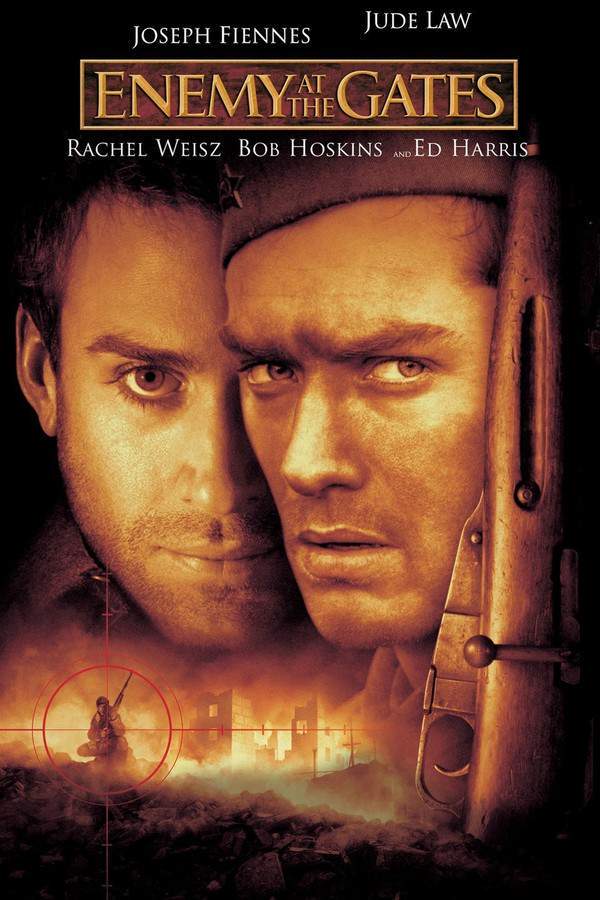
It’s in the subtitled spoken Russian that the film truly invests you in its story, evoking memories of other significant films such as Enemy at the Gates and Miracle at St. Anna, while providing an experience that is far more gripping and intense.
Without revealing too much, what we have here is a rich emotional portrait depicting the lives of individuals amidst the chaos of an all-encompassing war. If you’re seeking a film that’s simply about mindless violence, you might find yourself somewhat disappointed, as there do exist movies that offer more of that flavor. However, if you crave a story that radiates hope amidst despair, then this film will surely resonate with you on a deeper level.
Stalingrad Timeline: Every Key Event in Order
13 key events in the order they happen, from “Fukushima Disaster” to “Final Reflections”. 5 events name a place, across 4 locations.
- 1
Fukushima Disaster
The film opens during the catastrophic aftermath of the Fukushima disaster, highlighting the chaos and destruction that ensues. This catastrophic event sets the stage for the ensuing drama as the characters struggle to find hope amidst despair.
When:2011 Where:Fukushima
- 2
Russian Rescue Team Deployment
A Russian rescue team is dispatched to the site of the disaster with a specific mission in mind. Their objective is to locate and save a group of trapped young German girls who are stranded in the rubble of a collapsed building.
Where:Fukushima
- 3
Flashback Begins
As the rescue team begins their work, the narrative shifts into a series of flashbacks. These flashbacks delve into the backstory of a band of Russian soldiers who become entangled in a harrowing situation involving a German officer and a young Russian girl.
- 4
Soldiers in Ruins
In the flashbacks, the Russian soldiers find themselves amidst the ruins of war-torn urban landscapes. Their interactions highlight the tension as they grapple with violent conflict while forming complex relationships with one another.
Where:War-torn City
- 5
Conflict with German Officer
A pivotal moment in the story occurs when the band of Russian soldiers confronts a German officer. The officer is in a relationship with a forced Russian lover, complicating the moral dynamics of the situation as both sides vie for dominance over the crumbling environment.
Where:Rubble of Building
- 6
Symmetry of Lives
The film emphasizes the unforeseen symmetry between the characters caught in the conflict. As the soldiers and the German officer navigate their grim realities, the narrative reflects on love, loss, and resilience amidst a backdrop of chaos.
- 7
Moments of Violence
The story doesn't shy away from scenes of violence, illustrating the brutal realities of urban warfare. However, these moments serve not just for shock value but rather to deepen the emotional experiences of the characters involved.
- 8
Hope Emerges
As the narrative unfolds, themes of hope and rebirth begin to emerge. The resilience of the characters in the face of adversity becomes a focal point, encouraging the audience to consider the possibility of renewal amidst despair.
- 9
The Impact of War on Simple Lives
The film ultimately portrays the impact of war on the lives of ordinary people. Through the emotional struggles and relationships developed throughout the film, viewers are invited to reflect on the fragility of life caught between political conflicts.
- 10
Rescue Team's Climax
In the film's climax, the rescue team faces their greatest challenges as they work against time to save the trapped girls. The stakes rise dramatically as the narrative weaves between the past and the present, showcasing the intertwined fates of all involved.
Where:Collapsed Building
Show the other 3 events of Stalingrad Hide the last 3 events
- 11
The Power of Subtitles
The use of Russian spoken word and subtitles adds a significant layer to the storytelling. This creative choice invites the audience to engage deeply with the further complex emotions and experiences of the characters throughout their struggles.
- 12
A Journey Through Despair
As the film nears its conclusion, viewers are taken on a journey through both despair and determination. The characters' arcs culminate in a resolution that reflects the profound effects of conflict and the enduring spirit of hope.
- 13
Final Reflections
The movie leaves an emotional mark as it presents a rich portrait of resilience in the face of devastation. It challenges viewers to contemplate their own perceptions of conflict while embracing the possibility of rebirth even in the darkest of times.
Who Are the Main Characters in Stalingrad?
3 characters, among them Russian Soldier, German Officer and Russian Girl: who each one is and the part they play in the story. Every profile links to the actor’s page.
-

Russian Soldier
Played by Thomas Kretschmann
A brave yet weary soldier grappling with the emotional weight of war. He embodies the struggle for survival, often reflecting on love and loss during the conflict. His journey highlights the importance of camaraderie and hope amid despair.
- 🪖 Soldier
- ❤️ Love
- 😔 Emotions
- GO
German Officer
Played by Andrey Smolyakov
This character serves as a complex antagonist, torn between duty and his feelings for a young Russian girl. His struggle reflects the moral ambiguities of war, showcasing how love can exist even in the most violent circumstances.
- 🇩🇪 Officer
- ❤️ Conflict
- 😔 Morality
- RG
Russian Girl
Played by Yanina Studilina
Caught in the chaos of war, she represents the innocent lives affected by the conflict. Her relationship with the German officer adds depth to the narrative, illustrating the intertwining of personal and political struggles.
- 👩❤️👨 Love
- 😢 Innocence
- 🌍 Humanity
Where and When Is Stalingrad Set?
Stalingrad is set in Stalingrad and Fukushima. Here is why the place matters to the story.
When
The movie captures contrasting time periods: the historical backdrop of World War II during the Stalingrad battle and the modern-day crisis following the Fukushima disaster. This juxtaposition highlights the timeless nature of conflict and the enduring human spirit in the face of adversity.
Where
Stalingrad, Fukushima
Stalingrad is historically significant as it was the site of one of the most brutal battles in World War II. Today, it holds a somber legacy of resilience and rebirth, showcased in the film through the struggles of soldiers and civilians. Fukushima represents a contemporary disaster, emphasizing themes of hope and survival amidst turmoil.
- 🏙️ City
- 🌍 Disaster
What Are the Themes of Stalingrad?
2 ideas the story keeps returning to, among them Rebirth and Conflict.
-
01
Rebirth
At its core, the film explores themes of rebirth and resilience in dire circumstances. The story emphasizes how love and hope can blossom amidst destruction and despair. It reflects the human capacity to rebuild lives and maintain connections during wartime.
-
02
Conflict
Conflict is a central theme as the movie depicts the clashes between Russian soldiers and German forces. It showcases not only the physical battles but also the emotional and ethical dilemmas faced by individuals caught up in the chaos of war. The portrayal of urban warfare raises questions about the cost of violence on human lives.
What Kind of Film Is Stalingrad?
Tense in tone, with variable pacing and a moderate story, going by the plot summary.
- Tone
- Tense
- Pacing
- Variable
- Story
- Moderate
- Intensity
- High
- Ending
- Bittersweet
A tense and emotionally heavy war epic that balances relentless siege combat with poignant human connections, creating a desperate yet hopeful atmosphere of survival against overwhelming odds.
- gripping
- desperate
- hopeful
- oppressive
- claustrophobic
- somber
- war survival
- found family
- rebirth amidst turmoil
- battle of stalingrad
Content notes: war violence, siege warfare, building destruction, aerial bombing, knife violence, implied death.
Quiz
How well do you remember Stalingrad? Test yourself on the story.