What Is Solar Attack About?
The premise of Solar Attack in 311 words, with nothing given away. The full story follows below.
The world of Solar Attack teeters on the edge of an unprecedented environmental crisis. A sudden surge of solar plasma bursts threatens to ignite an atmosphere that has become unusually rich in methane, turning the very air into a ticking time‑bomb. As the sun’s fury grows more violent, nations scramble to steady fragile economies, secure fragile satellite constellations, and brace for a cascade of geopolitical shocks. The film’s tone blends the cold precision of scientific urgency with the raw, palpable dread of a planet on the brink, creating a tense, almost claustrophobic atmosphere where every sunrise could be the last.
At the heart of the story is Lucas Foster, a charismatic multimillion‑aire whose fortune fuels bold climate‑forward projects. Driven by a deep‑seated conviction that humanity’s window for action is closing fast, he becomes the unlikely catalyst for an international coalition. His personal stakes are heightened by the strained relationship with his former wife, Joanna Parks, whose skepticism mirrors the broader public’s doubt, and by the steady support of his long‑time confidant, Jim Leeburg, whose loyalty adds a grounding counterpoint to Foster’s relentless drive. Their dynamic highlights the clash between idealism and pragmatism, personal redemption and professional duty, all under the looming shadow of global annihilation.
Around them, world leaders confront the crisis with a mixture of caution and resolve. Diplomatic corridors hum with hurried meetings as Russian President Yuri Ilyushin and U.S. President Ryan Gordon navigate delicate negotiations, while a seasoned Russian Navy submarine captain prepares his crew for an impossible mission that may hold the key to humanity’s survival. Scientists and engineers work around the clock, their labs lit by the eerie glow of monitors tracking the sun’s ferocious outbursts. The film paints a vivid picture of a world where cooperation must outpace fear, and where the smallest spark of hope may be enough to keep the darkness at bay.
What Happens in Solar Attack?
The complete story of Solar Attack, from the first scene to the last, in 568 words (about 2 minutes). Spoilers throughout.
Spoilers ahead
When a Solar and Near Earth Laboratory (SNEL) solar probe is deployed to gather data, a massive CME erupts, obliterating the probe and taking down the crewed spacecraft Galileo. The disaster is quickly blamed on defective Russian equipment, a spark that sets off a broader chain of crises as CMEs shove satellites out of their orbits and transform them into dangerous flying debris. One such flare even reaches New Zealand, reducing the country to a vast, molten landscape.
Lucas Foster [Mark Dacascos], a bold multi-millionaire who funds a program to fight global warming, discovers that Earth’s atmosphere has become alarmingly methane-rich—about 5 percent. He fervently warns his colleagues, but many remain skeptical, and even his ex-wife Joanna Parks [Joanne Kelly] doubts his claims. The tension between caution and urgency flickers as the planet teeters on the edge of a climate-driven catastrophe. Foster remains convinced that time is running out and that drastic action is necessary.
As the CMEs intensify, experts determine a radical plan: fire 25-megaton nuclear missiles at the North Pole to release vapor that could extinguish the methane flares. The fate of humanity appears to hinge on this gamble, and Foster sees a narrow path forward even as others doubt the feasibility and the risks. To carry out the mission, he reaches out to a Russian Navy submarine captain, who reluctantly agrees to assist. With communications severed by the disaster, the submarine can still coordinate using a transatlantic telegraph cable located at a depth of 800 meters, a route that keeps the plan alive even as surface systems fail.
The submarine’s captain and his crew push forward, diving to 800 meters as commanded, enduring some damage but staying intact enough to carry the mission. Meanwhile, back on land, the chain of command cooperates across borders: a conversation between the submarine’s leadership and the Russian President Yuri Ilyushin [Damir Andrei] confirms permission to proceed. The information reverberates to the highest levels of power in the United States, with the U.S. President Ryan Gordon [Louis Gossett Jr.] briefed and aligned with the extraordinary plan. The tension between nations grows as they navigate a crisis that could redefine global security.
A tense mid-ocean encounter erupts when the Russian submarine detects an American submarine nearby. A sudden, high-stakes confrontation unfolds as a lieutenant threatens the captain at gunpoint, only for Foster to intervene and wrest control of the weapon. The collision of identities—two nations in crisis, a mission of last resort, and one man’s stubborn insistence on perseverance—peels back the layers of geopolitical brinkmanship. The American sub retaliates with four torpedoes, while the Russians unleash countermeasures that blunt the attack and inflict damage on their own vessel. In the fog of war and with time running out, Foster manages to reach the American sub via short-wave radio and negotiates a fragile stand-down in exchange for the Russians’ surrender, describing the surrender as a mere formality.
In the end, the missiles reach their target and the plan succeeds—the methane threat is neutralized, and the Earth is spared from an atmosphere-wide suffocation scenario. Foster is brought back to the United States aboard an American naval vessel, where he is warmly reunited with Joanna Parks and his longtime friend Jim Leeburg [Craig Eldridge]. The close-knit circle of collaborators and survivors reflects the movie’s core message: even in the face of planetary crisis, human collaboration, courage, and perseverance can steer humanity away from disaster.
Solar Attack Timeline: Every Key Event in Order
13 key events in the order they happen, from “SNEL probe destroyed by CME” to “Foster returns home and reunites”. 13 events name a place, across 13 locations.
- 1
SNEL probe destroyed by CME
A SNEL solar probe is deployed to gather data, but a massive CME erupts, obliterating the probe and taking down the crewed Galileo. The disaster triggers a cascade of crises as satellites are knocked out of orbit and debris becomes a dangerous threat to space operations. The incident leads investigators to blame defective Russian equipment, igniting a broader geopolitical strain.
When:Immediately after deployment Where:Space / Earth's orbit
- 2
Satellites hurled from their orbits by CMEs
CMEs shove satellites out of their orbits and turn debris into flight hazards around the globe. Communication networks falter as key systems fail and space infrastructure becomes a liability. The cascading space crisis foreshadows a planet-wide disruption.
When:Right after CME event Where:Earth orbit / global
- 3
New Zealand hit by a methane flare
One flare reaches New Zealand, turning vast areas into molten landscapes and signaling the global reach of Earth's climate crisis. The event demonstrates that the planetary problem is no longer confined to forecasts. It catalyzes a sense of urgency among leaders and scientists.
When:During the crisis Where:New Zealand
- 4
Foster warns of methane threat
Lucas Foster reveals Earth's atmosphere has become methane-rich, about 5 percent. He urges action, but many colleagues remain skeptical, including his ex-wife Joanna Parks. The tension between caution and urgency sets the stage for radical steps to come.
When:Early discovery Where:Global warming program offices
- 5
Radical plan proposed: 25-megaton missiles
Experts propose firing 25-megaton missiles at the North Pole to release vapor that could extinguish methane flares. Foster believes time is running out and pushes the plan forward despite heavy skepticism. The plan's feasibility and risks divide leaders across borders.
When:Plan under consideration Where:Global crisis command center
- 6
Russia agrees to assist via undersea link
Foster reaches out to a Russian Navy submarine captain who reluctantly agrees to assist. With surface communications severed by the disaster, the submarine coordinates using a transatlantic telegraph cable located at 800 meters depth, keeping the mission alive.
When:Agreement reached Where:Undersea cable link, 800 meters depth
- 7
Submarine dive to 800 meters
The Russian submarine captain and crew dive to 800 meters, sustaining some damage but staying seaworthy enough to carry out the mission. The deep-sea leg of the plan tests their resilience as they lock onto the North Pole strike coordinates.
When:During preparation Where:Atlantic Ocean, 800 meters depth
- 8
Moscow grants formal permission
A conversation between the submarine leadership and Russian President Yuri Ilyushin confirms permission to proceed. The authorization from Moscow reinforces the seriousness of the plan and its acceptance beyond the immediate team.
When:Early phase Where:Russian leadership center / Moscow
- 9
US President is briefed and aligned
In parallel, the U.S. President Ryan Gordon is briefed and aligns with the extraordinary plan. The cross-border consensus signals a rare moment of unity as nations commit to a risky, last-resort action.
When:Concurrent with Moscow permission Where:White House / United States
- 10
Mid-ocean submarine confrontation
The Russian submarine detects an American sub, triggering a tense confrontation in the Atlantic. A lieutenant threatens the Russian captain, prompting Foster to intervene and seize control of a weapon. The standoff escalates as the American sub fires torpedoes and the Russians deploy countermeasures.
When:During crisis Where:Mid-Atlantic Ocean
Show the other 3 events of Solar Attack Hide the last 3 events
- 11
Stand-down negotiated by Foster
Amid the chaos, Foster reaches the American sub via short-wave radio and negotiates a fragile stand-down in exchange for the Russians’ surrender. The uneasy agreement threads the needle between war and mission success, buying time for the plan to run its course.
When:Crisis moment Where:Atlantic Ocean
- 12
Missiles reach target and neutralize methane
The 25-megaton missiles reach their North Pole target, releasing vapor to dampen the methane flares. The atmosphere begins to stabilize as the desperate plan succeeds, averting a planetary suffocation scenario.
When:Final stage Where:North Pole region
- 13
Foster returns home and reunites
Foster is brought back to the United States aboard an American naval vessel. He is warmly reunited with Joanna Parks and his longtime friend Jim Leeburg, underscoring the film’s message that collaboration and perseverance can steer humanity away from disaster.
When:End Where:United States; aboard naval vessel
Who Are the Main Characters in Solar Attack?
8 characters, among them Lucas Foster (Mark Dacascos), Joanna Parks (Joanne Kelly) and President Ryan Gordon (Louis Gossett Jr.): who each one is and the part they play in the story. Every profile links to the actor’s page.
-

Lucas Foster (Mark Dacascos)
Played by Mark Dacascos
A bold multi-millionaire funding a climate program, Foster becomes convinced that methane levels are spiraling and time is running out. He pushes for drastic, high-stakes actions and clashes with skeptics and even his ex-wife. His unwavering determination drives the central plan, and his risk-taking animates the film's urgency.
- 💼 Billionaire
- 🌍 Climate Advocate
- JP
Joanna Parks (Joanne Kelly)
Played by Joanne Kelly
Foster's ex-wife, initially skeptical of his warnings, questions the feasibility of his plan. She represents cautious skepticism and the human cost of drastic actions. Over the course of the crisis, she becomes a reluctant ally who must decide how to respond when time runs short.
- 💔 Ex-wife
- 🧭 Skeptic
-
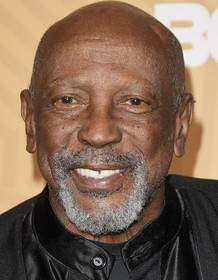
President Ryan Gordon (Louis Gossett Jr.)
Played by Louis Gossett Jr.
The U.S. president who is briefed on the methane threat and ultimately aligns with Foster's radical plan. He embodies political leadership under pressure as nations weigh extraordinary measures. His decisions help unify a cross-border response to the crisis.
- 🏛️ President
- 🌐 Global Leader
-
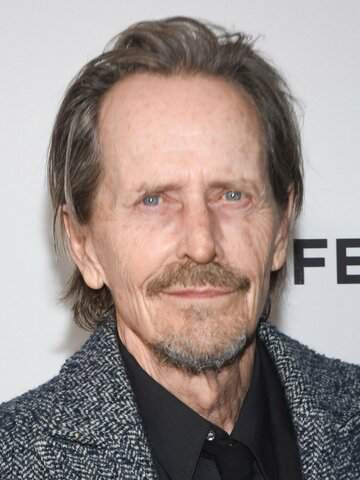
Admiral Lawrence (Stephen McHattie)
Played by Stephen McHattie
A high-ranking naval officer coordinating the crisis response, he navigates military channels and strategic decisions under extreme pressure. He is a figure of authority who must balance risk with mission success. His actions drive much of the film's procedural tension and brinkmanship.
- 🎖️ Admiral
- 🛡️ Military
- CM
Captain Misha Gregorovitch (Bill Lake)
Played by Bill Lake
The Russian submarine captain who reluctantly agrees to assist in the mission. He serves as a pragmatic, disciplined liaison between nations, maintaining calm under dangerous conditions. His cooperation is pivotal to the deep-sea coordination that underpins the plan.
- 🧭 Captain
- 🇷🇺 Russian Ally
- JL
Jim Leeburg (Craig Eldridge)
Played by Craig Eldridge
Foster's longtime friend and ally who supports the mission and helps coordinate the cross-border response. He offers pragmatic counsel and steadies others as the situation escalates. His loyalty highlights the human bonds that anchor the plan.
- 🤝 Friend
- 🧭 Ally
- CW
Captain Wade (Ronn Sarosiak)
Played by Ronn Sarosiak
An American submarine captain who partakes in the undersea operations and tense standoffs. He represents the frontline military perspective in the crisis. His presence underscores the collision of national interests during the mission.
- 🛰️ Captain
- 🇺🇸 American
- PY
President Yuri Ilyushin (Damir Andrei)
Played by Damir Andrei
The Russian president who authorizes steps in coordination with American leadership. He embodies geopolitical maneuvering as the crisis tests diplomacy and alliance. His decisions shape the international stakes of the mission.
- 🎖️ President
- 🌐 Russian Leader
Where and When Is Solar Attack Set?
Solar Attack is set in New Zealand, Atlantic Ocean, North Pole, United States and Russia. Here is why the place matters to the story.
Where
New Zealand, Atlantic Ocean, North Pole, United States, Russia
New Zealand is depicted as a molten landscape after a CME hits Earth. The North Pole becomes the target of a radical plan using nuclear missiles to quell methane flares. A mid-Atlantic submarine operation and the long-distance telegraph cable at 800 meters depth highlight the globe-spanning theatre of the crisis. The setting sweeps across land, sea, and air, underscoring how planetary disaster forces unprecedented international cooperation.
- 🌍 Global Impact
- ❄️ Climate Crisis
- 🗺️ Geopolitics
What Are the Themes of Solar Attack?
3 ideas the story keeps returning to, among them Global Crisis, Cooperation and Risk Ethics.
-
01
Global Crisis
The film maps a planetary emergency that transcends borders, where climate upheaval and solar events destabilize technology and politics. Methane accumulation and CME-driven chaos push scientists, leaders, and civilians to the brink. The narrative emphasizes how a global threat requires rapid, coordinated responses rather than isolated action.
-
02
Cooperation
The crisis compels unlikely partnerships across nations, including American and Russian actors, to avert disaster. Communication lines are disrupted yet critical channels—like undersea cables—become lifelines. The story suggests that survival hinges on trust, compromise, and shared goals over national rivalry.
-
03
Risk Ethics
The plan to fire 25-megaton missiles raises profound ethical questions about sacrificing a landscape to save the planet. Characters weigh the immediacy of methane threats against the potential for catastrophic misfires. The film probes whether drastic measures are justifiable when the stakes are humanity's future.
What Kind of Film Is Solar Attack?
Tense in tone, with fast pacing and a moderate story, going by the plot summary.
- Tone
- Tense
- Pacing
- Fast
- Story
- Moderate
- Intensity
- High
- Ending
- Happy
A high-stakes, fast-paced disaster thriller that builds relentless tension through a race against time to prevent a global atmospheric catastrophe, ultimately resolving with a hopeful and collaborative victory.
- urgent
- anxious
- tense
- collaborative
- high-stakes
- race against time
- global disaster
- climate catastrophe
- scientific intervention
- geopolitical tension
Content notes: nuclear weapons, mass destruction, military violence.
Quiz
How well do you remember Solar Attack? Test yourself on the story.