What Is On the Yard About?
The premise of On the Yard in 291 words, with nothing given away. The full story follows below.
In the unforgiving world of a Pennsylvania state prison, the yard operates like a sovereign city, its own unspoken laws eclipsing the formal rules of the institution. Sun‑baked concrete, drifting smoke, and the constant hum of whispered deals create a gritty, claustrophobic atmosphere where every gesture carries the weight of reputation. The tone is stark and relentless, a study in how survival is forged in the shadows of concrete walls and the ever‑present threat of violence.
Into this micro‑society steps Juleson, a newly sentenced inmate whose naiveté quickly collides with the yard’s brutal reality. He soon discovers that the real power does not wear a badge but instead belongs to Chilly, the self‑styled “top con” who writes the yard’s rules and can command lethal force with a simple word. Chilly’s authority is absolute, his influence stretching beyond his own block and shaping every trade, debt, and alliance that circulates among the inmates.
Around them, the yard’s inhabitants each cling to their own fragile hopes. Morris entertains a daring, almost childlike dream of escape, tinkering with a homemade hot‑air balloon that symbolizes a yearning for freedom even as it risks attracting unwanted attention. Meanwhile, the official guards, led by Captain Blake, watch the power struggle with cautious detachment, aware that any direct challenge to Chilly could erupt into wider unrest. Their presence adds a thin veneer of institutional control that never quite penetrates the yard’s self‑contained hierarchy.
Against this backdrop, Juleson must navigate the fine line between submission and resistance, weighing the cost of preserving his dignity against the relentless pressure to conform. The yard’s stark code and the looming threat of retribution create a tension that hangs over every interaction, promising a confrontation where personal integrity and survival are inexorably intertwined.
What Happens in On the Yard?
The complete story of On the Yard, from the first scene to the last, in 367 words (about 2 minutes). Spoilers throughout. Names in the text link to 4 cast member pages.
Spoilers ahead
Juleson John Heard is a newly sentenced prisoner stepping into a Pennsylvania state prison, where he quickly discovers that life on the yard runs by its own rules, separate from anything the guards regulate. The yard is a rough, intimate ecosystem where power, favors, and turf matter far more than paperwork, and where the unwritten code governs every move.
At the top of this unspoken hierarchy sits Chilly Thomas G. Waites, a smooth, street-smart inmate who runs the cigarette and contraband trade. Nothing moves inside these walls without his nod, and his influence extends far beyond his own block. He embodies the trust and fear that shape this world, and his word holds weight that the system’s rules cannot easily contest.
Trying to get by, Juleson borrows some cigarettes from Chilly, promising to pay him back when he obtains money from outside. When the money never arrives, the debt builds, and Chilly’s patience wears thin. The young prisoner finds himself pulled deeper into the yard’s social economy, where defiance can invite violence, isolation, or something far worse, and every choice carries a cost.
Around him, others carve out strategies to cope with the pressure and unpredictability of prison life. Morris Joe Grifasi dreams of escaping in a remarkable, if imperfect, plan and begins constructing a homemade hot-air balloon in a hopeful bid for freedom. His audacious project stands as a quiet symbol of longing for life beyond these walls, even as it risks drawing attention from both inmates and those who regulate the yard.
The guards, led by Captain Blake Lane Smith, are aware that Chilly’s grip on the yard runs deeper than their own authority and that challenging him could ignite broader trouble. Yet their response is cautious, weighed down by the fear of sparking unrest rather than by a decisive effort to restore order.
As tensions rise, Juleson faces a pivotal choice: submit to the system as it stands, or risk everything to preserve his dignity and integrity. The balance between personal survival and staying true to oneself becomes the central pressure point, testing Juleson’s resolve as the yard’s dynamics push him toward a defining confrontation with power, loyalty, and the very idea of freedom.
On the Yard Timeline: Every Key Event in Order
12 key events in the order they happen, from “Arrival in the prison” to “Resolution through a risky decision”. 12 events name a place, across 8 locations.
- 1
Arrival in the prison
Paul Juleson steps into a Pennsylvania state prison, anxious and unsure of the rules. He quickly learns that prison life is governed by a separate yard culture. The new environment feels alien as he tries to find his footing.
When:Day 1 Where:Pennsylvania state prison yard
- 2
Chilly's control of the yard
Chilly is the top inmate who runs cigarettes and contraband; nothing moves in the yard without his approval. New inmates learn to navigate his influence to survive. His power shapes everyday routines.
When:Day 1-2 Where:Prison yard
- 3
Juleson borrows cigarettes
Juleson borrows cigarettes from Chilly, promising to pay back when money from outside arrives. The loan creates a fragile alliance that could collapse at any moment. The promise of repayment becomes the first crack in Juleson's attempts to fit in.
When:Day 2 Where:Yard/Chilly's area
- 4
Debt grows as money is delayed
Money from outside doesn't arrive, the debt grows, and Chilly's patience wears thin. The threat of consequences increases as time passes. The dynamic inside the yard grows tenser by the day.
When:Day 3 Where:Yard
- 5
Risk of standing up
Juleson realizes that standing up to Chilly could trigger violence, isolation, or worse. He weighs his options in a tense, quiet standoff. The moment foreshadows a potentially explosive development behind bars.
When:Evening Where:Yard
- 6
Morris' escape dream grows
Around the prison, Morris dreams of escaping and starts constructing a homemade hot-air balloon. This project shows how prisoners imagine freedom beyond the walls. The yard becomes a place where inventive plans mingle with daily survival.
When:Early days Where:Workshop/Yard
- 7
Guards acknowledge the risk, but hesitate
The guards, led by Captain Blake, know Chilly's influence is strong but hesitate to intervene. They worry overt action could spark wider unrest. Their caution reinforces Chilly's grip on the inmate population.
When:Mid-period Where:Guard tower/Control room
- 8
Tensions rise in the yard
As the debt and fear intensify, the yard's social order strains; relationships fray under Chilly's dominance. Inmates adapt by complying or seeking subtle defiance. The environment grows increasingly unstable.
When:Mid-period Where:Prison yard
- 9
Juleson faces his ultimate choice
Juleson must decide whether to surrender to the system or risk everything to preserve his dignity. This choice sits at the heart of the story's moral conflict. His decision could redefine his standing inside the prison.
When:Climax Where:Yard/Block
- 10
Balloon vs. power dynamics
Morris's balloon project continues, symbolizing a potential escape route. The juxtaposition of hope and constraint underscores the tension in the yard. Chilly's grip remains a constant obstacle to any outside-the-box thinking.
When:Climax Where:Workshop/Yard
- 11
The guards' cautious stance persists
Captain Blake and the guards' reluctance to intervene leaves the balance of power precarious. A single incident could destabilize the fragile order. They monitor moves carefully, avoiding rash acts.
When:Climax to Resolution Where:Guard offices/Control room
- 12
Resolution through a risky decision
The story builds toward Juleson's climactic choice to act for his dignity, whether by resisting or capitulating. The outcome remains uncertain, highlighting the system's fragility. The final moment centers on whether personal courage can survive the prison's harsh rules.
When:Final moments Where:Prison yard
Who Are the Main Characters in On the Yard?
4 characters, among them Juleson (John Heard), Chilly (Thomas G. Waites) and Morris (Joe Grifasi): who each one is and the part they play in the story. Every profile links to the actor’s page.
-
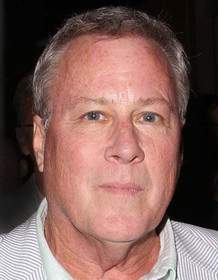
Juleson (John Heard)
Played by John Heard
A newly sentenced prisoner who arrives with little familiarity with prison life. He borrows cigarettes from Chilly and faces a debt that forces him to choose between conformity, resistance, and personal safety. His arc centers on maintaining dignity under pressure and navigating a brutal code.
- 🎭 Inmate
- 🧱 Struggle
- 🔒 Rule-bound
- 🧭 Survival
- C(
Chilly (Thomas G. Waites)
Played by Thomas G. Waites
A smooth, street-smart inmate who runs the yard’s contraband trade and holds real power among the prisoners. His influence challenges formal guard authority and sets the yard’s tempo. He embodies how informal hierarchies can dominate life inside the system.
- 🎭 Power
- 🧱 Influencer
- 🔒 Control
- 🧭 Surveillant
- M(
Morris (Joe Grifasi)
Played by Joe Grifasi
An inmate with a dream of escape who starts building a homemade hot-air balloon. His aspiration fuels a parallel thread of hope within the yard and reveals the human longing for freedom. Morris’ plan tests the limits of practicality versus idealism.
- 🎭 Dreamer
- 🧱 Escapist
- 🪁 Innovator
- 🔒 Risk-taker
-
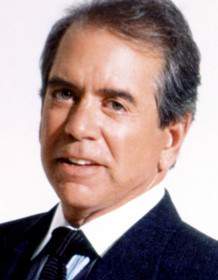
Captain Blake (Lane Smith)
Played by Lane Smith
A guard leader who is aware of Chilly’s influence yet reluctant to intervene aggressively. He represents the official power that struggles to maintain order without provoking unrest. Blake’s stance highlights the tension between authority and practical control inside the yard.
- 🎭 Authority
- 🗺️ Guard
- 🔒 Control
- 🧭 Pragmatist
Where and When Is On the Yard Set?
On the Yard is set in Pennsylvania state prison and prison yard. Here is why the place matters to the story.
Where
Pennsylvania state prison, prison yard
The setting centers on a Pennsylvania state prison yard where inmates occupy most of their time. It’s a micro-society with its own rules, currencies, and hierarchies that run parallel to the guards’ authority. The yard atmosphere is tense, with power brokers like Chilly shaping daily life and limited opportunities for reform.
- 🧱 Prison yard
- 🗺️ Pennsylvania state prison
- 🧭 Prison subculture
What Are the Themes of On the Yard?
3 ideas the story keeps returning to, among them Power, Dignity and Escape.
-
01
Power
The yard operates as a hidden power structure where control rests with a few influential inmates. Chilly’s influence shows that real authority can bypass formal supervision. The guards’ passivity highlights how fragile order is when fear and loyalty govern behavior. The clash between rule-following and street smarts drives much of the drama.
-
02
Dignity
Juleson’s struggle to stand up against the prevailing code tests what dignity means inside an oppressive system. Choosing to challenge or retreat carries the risk of violence, isolation, or punishment. The micro-society rewards conformity and survival over open reform. The film uses these tensions to question whether personal dignity can endure the yard’s pressures.
-
03
Escape
Morris’s pursuit of escape—building a homemade hot-air balloon—embodies a stubborn hope for freedom beyond the walls. The dream of breaking out collides with harsh realities of recapture and consequence. The escape plot highlights resilience and the limits of change within the prison’s confines. It marks freedom as a fragile, tempting idea.
What Kind of Film Is On the Yard?
Tense in tone, with steady pacing and a moderate story, going by the plot summary.
- Tone
- Tense
- Pacing
- Steady
- Story
- Moderate
- Intensity
- High
- Ending
- Ambiguous
A tense and oppressive prison drama that builds a claustrophobic atmosphere of desperation and constant threat, focusing on the brutal cost of maintaining dignity within an unforgiving system.
- tense
- oppressive
- claustrophobic
- desperate
- anxious
- gritty
- prison life
- power struggle
- survival
- debt and consequences
Content notes: prison violence, psychological torment, threats of death.