What Is Inside the Walls of Folsom Prison About?
The premise of Inside the Walls of Folsom Prison in 269 words, with nothing given away. The full story follows below.
In the rugged shadows of 1920s California, Folsom Prison looms as a concrete fortress where punishment is carved into every stone. The atmosphere is thick with the clang of iron doors, the echo of shouted orders, and an unrelenting sense that the walls themselves are meant to break spirits rather than mend them. Within this austere world, authority is embodied by Ben Rickey, a warden whose iron‑fisted rule treats incarceration as a tool of sheer deterrence, leaving little room for mercy or hope.
Among the hundreds of inmates, one figure stands apart: Chuck Daniels, a hardened prisoner whose reputation for resilience has become a silent rallying point for those yearning for a sliver of dignity. His presence hints at the simmering unrest that bubbles beneath the regimented routine, a quiet challenge to the status quo that the warden’s regime strives to suppress.
Enter Mark Benson, newly appointed captain of the guards, whose philosophy clashes dramatically with Rickey’s. Benson believes that even those who have crossed the law deserve a chance at redemption, and he begins sketching a vision of reform that includes better meals, conversation, and structured rehabilitation programs. His push for professional conduct and humane treatment introduces a friction that ripples through both staff and inmates, suggesting a fragile balance poised on the edge of transformation.
The prison becomes a crucible where two opposing ideologies—uncompromising punishment and tentative rehabilitation—converge, each testing the resolve of the other. As the daily grind persists, the tension between the warden’s relentless discipline and the captain’s hopeful reforms creates an electric undercurrent, promising that the calm within the walls is anything but permanent.
What Happens in Inside the Walls of Folsom Prison?
The complete story of Inside the Walls of Folsom Prison, from the first scene to the last, in 237 words (about 1 minute). Spoilers throughout. Names in the text link to 3 cast member pages.
Spoilers ahead
Set in the 1920s, long before the 1944 California prison reform, Warden Ben Rickey runs Folsom Prison with an iron hand. He views incarceration as punishment rather than rehabilitation, and his methods are violent, torturous, and designed to crush any hint of defiance. A hardened inmate, Chuck Daniels, and his followers plot an escape, testing Rickey’s grip. When a thwarted attempt leads to a riot, the warden responds with even harsher punishments, tightening the screws on everyone tied to the incident.
To counter the rising violence and brutality, the prison’s board hires Mark Benson as captain of the guards. Benson believes that even serious criminals deserve a chance to change, and that rehabilitation can reduce recidivism. He begins to overhaul daily life inside the walls: meals that include meat, conversations allowed during meals, and intensive rehabilitation initiatives such as job placement and other supports to help prisoners rejoin society. He also transforms guard culture—insisting on professional conduct, clean uniforms, and a break from the routine beatings that had sparked fear and rebellion.
This reformist stance puts him at odds with Rickey, and ultimately Benson steps down. With his departure, Rickey reverses the reforms and returns to the old punitive regime. The inmates, sensing weakness, launch another escape attempt, sparking a fresh riot in which many inmates and guards are fatally wounded.
The film ultimately explores the clash between punitive authority and reform-minded approaches within the prison system.
Inside the Walls of Folsom Prison Timeline: Every Key Event in Order
12 key events in the order they happen, from “Warden Rickey's brutal regime at Folsom” to “Second riot erupts; many are fatally wounded”. Every event takes place in Folsom Prison.
- 1
Warden Rickey's brutal regime at Folsom
In the 1920s, Warden Ben Rickey rules Folsom Prison with an iron fist. He views punishment as the core tool for preventing recidivism and rehabilitation as secondary. His methods are violent and designed to crush prisoner resistance.
When:1920s Where:Folsom Prison
- 2
Chuck Daniels and the escape plan
Chuck Daniels, one of the toughest inmates, and his group of followers are intent on escaping. They plot the plan and coordinate actions within the prison walls. The scheme foreshadows the clash with Rickey's regime.
When:1920s Where:Folsom Prison
- 3
Escape attempt thwarted; riot begins
Rickey thwarts the escape attempt, and tensions within the prison explode into a riot. Violence spirals as guards and inmates clash, resulting in the deaths of two officers and several prisoners. The aftermath cements Rickey's hold on the prison through punitive measures.
When:During the escape attempt Where:Folsom Prison
- 4
Rickey's brutal punishments after the riot
Rickey doles out severe and cruel punishments to all prisoners connected to the incident. The punishments are meant to suppress dissent and deter further rebellion. The heavy-handed response deepens the rift between the warden and the inmate population.
When:Shortly after the riot Where:Folsom Prison
- 5
Board appoints Mark Benson as captain of guards
To curb rising violence, the prison board hires Mark Benson as captain of the guards. Benson believes that inmates, despite their crimes, deserve education and preparation for life outside as a path to release. The appointment signals a shift in prison philosophy and policy.
When:After the riot Where:Folsom Prison
- 6
Benson implements rehabilitation and education
Benson implements rehabilitation programs and education for inmates, including employment help. He envisions giving prisoners a realistic chance to reenter society as productive members. This ambitious approach challenges the existing guard culture.
When:After Benson's appointment Where:Folsom Prison
- 7
Regimen changes: meals and dialogue allowed
Benson changes daily routines, such as serving meat and allowing inmates to talk during meals. These changes aim to soften the harsh climate and reduce tensions. Inmates begin to notice subtle improvements in daily life.
When:After Benson's appointment Where:Folsom Prison
- 8
Guard reforms: professionalism and end to beatings
The guard force is instructed to come to work clean, behave professionally, and discontinue the senseless beatings. These changes reshape the power dynamics inside the prison. Resistance from some guards and older regime supporters tests the new system.
When:After Benson's appointment Where:Folsom Prison
- 9
Rickey resists; Benson leaves his post
Rickey's opposition to the reforms grows, and the friction between him and Benson intensifies. Ultimately, Benson leaves his post as captain of the guards. The departure signals a return to the old order under Rickey.
When:After Benson's removal Where:Folsom Prison
- 10
Reforms rolled back; punitive regime returns
With Benson gone, Rickey reverts all of the reforms and reinstates the punitive regime. The inmates sense the shift and experience renewed tension and dissatisfaction. Security tightens as a new cycle of discipline begins.
When:Post-Benson departure Where:Folsom Prison
- 11
Inmates plot another escape attempt
Following the rollback, inmates retaliate by planning another escape attempt. The prison atmosphere grows tenser as preparations escalate. The ongoing friction sets the stage for a new confrontation.
When:After Benson's departure Where:Folsom Prison
- 12
Second riot erupts; many are fatally wounded
A riot erupts as the inmates attempt to escape, and many are fatally wounded. The violence underscores the clash between a reform-minded approach and a punitive tradition. The incident marks a brutal culmination of the power struggle inside Folsom.
When:During the second escape attempt Where:Folsom Prison
Who Are the Main Characters in Inside the Walls of Folsom Prison?
3 characters, among them Warden Ben Rickey (Ted de Corsia), Mark Benson (David Brian) and Chuck Daniels (Steve Cochran): who each one is and the part they play in the story. Every profile links to the actor’s page.
-
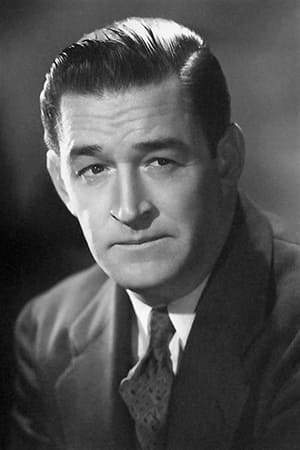
Warden Ben Rickey (Ted de Corsia)
Played by Ted de Corsia
A ruthless warden who treats the prison as a place of punishment rather than rehabilitation. He relies on violent measures to maintain control and responds decisively to any sign of unrest. His uncompromising leadership creates an atmosphere where brutality is the default, and reformist ideas face immediate resistance.
- ⚔️ Ruthless
- 🏛️ Authority
- 🔒 Punitive
- MB
Mark Benson (David Brian)
Played by David Brian
An assistant captain of the guards who believes inmates can change through education and support. He introduces more humane policies, including rehabilitation programs, conversations during meals, and a cleaner, more professional guard culture. His efforts clash with the warden, ultimately leading to his departure from the post.
- 🎯 Reformist
- 🏛️ Leadership
- 🧭 Rehabilitation
- CD
Chuck Daniels (Steve Cochran)
Played by Steve Cochran
One of the prison’s toughest inmates who leads a group intent on escaping. His presence fuels tension between the harsh regime and the inmates’ will to seek freedom. He embodies the defiant, volatile side of prison life and helps drive the riot that becomes a turning point in the story.
- 💥 Inmate leader
- 🗺️ Escape risk
- 🧨 Violence
Where and When Is Inside the Walls of Folsom Prison Set?
Inside the Walls of Folsom Prison is set in Folsom Prison and California (1920s). Here is why the time and place matter to the story.
When
1920s
The narrative takes place in the 1920s, a period of rigid prison discipline in California. This era precedes the 1944 prison reform and reflects a system where punishment and control dominate daily life. The film uses this setting to explore tensions between reform-minded ideas and entrenched authority. It frames rehabilitation as a distant possibility within a harsh, traditional penal regime.
Where
Folsom Prison, California
Folsom Prison in California serves as the central setting, a stark facility emblematic of early 20th-century punitive justice. The story unfolds within its walls, where guards enforce strict hierarchy and inmates endure harsh conditions. The 1920s context highlights a prison system focused on punishment over rehabilitation, setting the stage for the clash between control and reform. The environment underscores the power dynamics that drive the plot and the inmates' struggle for survival.
- ⚖️ Prison system
- 🏛️ California
- 🕰️ 1920s
What Are the Themes of Inside the Walls of Folsom Prison?
3 ideas the story keeps returning to, among them Reform vs Punishment, Violence and Riot and Education and Rehabilitation.
-
01
Reform vs Punishment
The story centers on a clash between a ruthless warden who believes punishment deters crime and a reform-minded captain who envisions education and humane treatment. Benson introduces changes such as improved meals, open dialogue during meals, and rehabilitation programs to reduce recidivism. This conflict questions whether a prison can be effective without embracing humane reform. The film uses these opposing approaches to critique the viability of punitive systems in achieving lasting change.
-
02
Violence and Riot
A riot erupts following a thwarted escape and the warden’s retaliatory actions, illustrating the violent consequences of oppressive leadership. The ensuing deaths of officers and prisoners reveal the human cost of an unyielding regime. The escalation demonstrates how punishment without reform can perpetuate cycles of violence. The riot serves as the film’s climax, exposing systemic failure rather than mere individual defiance.
-
03
Education and Rehabilitation
Benson’s reforms bring education and employment assistance to inmates, aiming to prepare them for life on the outside. The policy shift requires guards to adopt professional standards and inmates to engage with rehabilitation programs. The plot presents rehabilitation as a practical route to reducing crime and recidivism, not a sentimental notion. Benson’s eventual departure underscores how fragile reform can be within a resistant, punitive system.
What Kind of Film Is Inside the Walls of Folsom Prison?
Dark in tone, with steady pacing and a straightforward story, going by the plot summary.
- Tone
- Dark
- Pacing
- Steady
- Story
- Straightforward
- Intensity
- High
- Ending
- Sad
A grim and intense prison drama that creates a claustrophobic and oppressive atmosphere, depicting the brutal clash between punitive authority and reformist ideals, culminating in a violent and tragic conclusion.
- oppressive
- tense
- grim
- claustrophobic
- brutal
- hopeless
- prison reform
- authoritarian rule
- rehabilitation vs punishment
- prison riot
Content notes: torture, prison violence, beatings, solitary confinement.
Quiz
How well do you remember Inside the Walls of Folsom Prison? Test yourself on the story.
Where to Watch Inside the Walls of Folsom Prison
Rent or buy it from Amazon Video and Apple TV Store. US availability and prices from JustWatch.





Streaming availability in the US, powered by