What Is Against the Wall About?
The premise of Against the Wall in 300 words, with nothing given away. The full story follows below.
In the fever‑driven summer of 1971, a sprawling penitentiary in upstate New York becomes the stage for a sudden, desperate stand. Overcrowded cells, broken fixtures and the relentless clang of daily routine create a claustrophobic world where every breath feels weighted by abuse and neglect. The film opens with a collage of news reels and protest footage, reminding the viewer that the riots inside are a direct echo of a nation bruised by assassination, campus upheaval and street battles. Against that backdrop, the story is anchored in the stark, grainy realism of a docudrama that never lets the viewer forget the human cost of a broken system.
Michael Smith arrives as a rookie corrections officer, eager to bring a measure of respect to a place that has long rewarded intimidation. His idealism clashes with the hardened attitudes of his seasoned colleagues, setting up a quiet inner battle between duty and conscience. Across the yard, Jamaal X—a charismatic, layered inmate—emerges as the voice of the incarcerated, demanding dignity and basic rights. Their tentative partnership forms the emotional spine of the film, hinting at the possibility of connection even amid revolt. Meanwhile, Sharon Smith, Michael’s wife, watches from the outside, her steady presence offering a moral compass that challenges her husband to confront what he sees versus what he feels.
The tone is unflinching yet humane, blending archival texture with intimate close‑ups that linger on weary hands and tired eyes. Authority is personified by Lieutenant Weisbad, whose procedural rigidity embodies the institutional inertia that the prisoners seek to dismantle. As tensions rise and the prison’s walls seem to close in, the narrative invites the audience to contemplate the fragile line between order and chaos, and to wonder how far a single act of empathy might travel in a place built on oppression.
What Happens in Against the Wall?
The complete story of Against the Wall, from the first scene to the last, in 1,071 words (about 5 minutes). Spoilers throughout. Names in the text link to 4 cast member pages.
Spoilers ahead
The docudrama offers a partially fictionalized, immersive look at the four-day Attica Prison riot of 1971, when inmates at the Attica Correctional Facility seized control of large parts of the prison to push for basic human rights and humane conditions. The narrative unfolds through a careful cross-cutting portrayal of two pivotal figures: rookie corrections officer Michael Smith and inmate Jamaal X, whose wary alliance becomes the emotional throughline of the story. Smith’s perspective is framed as the core lens—the film is largely anchored in his testimony and experiences after he is shot four times—while Jamaal X is drawn from a composite of inmates, including individuals who, in Smith’s account, helped save his life. This structure grounds the drama in personal stakes even as it surveys a broader social and political crisis.
From the opening montage, the film situates the riot within a tumultuous era: footage from late-1960s and early-1970s America—the assassinations, campus protests, and urban clashes—sets a charged mood. The quiet streets of Attica give way to the tense atmosphere inside the prison, where the camera lingers on the harsh realities of confinement: overcrowding, violent treatment by some corrections officers, humiliating searches, broken toilets, and the daily indignities that erode dignity. The atmosphere is thick with echoes of wider political upheaval, and the inmates’ demand for recognition of their rights is portrayed as a principled stand as much as a moment of existential danger.
Smith’s entrance into the penitentiary marks a conflict between his duty and his growing empathy for the inmates. He arrives as one of the younger officers who chooses to treat prisoners with a measure of respect, a stance that sets him at odds with more grizzled colleagues and supervisors who enforce control through intimidation. His evolving view is tested as he witnesses the system’s abuses first-hand, and his moral compass becomes a quiet counterpoint to the policing tactics on display. The film emphasizes the complexity of his role—caught between the pressures of adhering to orders and the pull of a more humane approach that could either endanger him or save lives.
Sharon Smith, Sharon Smith, is depicted as a stabilizing, morally clear voice from outside the cell block. Her reaction to her husband’s changing stance is a pivotal emotional beat: she challenges him, sensing that the pressures within the prison are reshaping him in ways he hadn’t anticipated. The moment she voices, “You’re changing,” underscores the personal cost of moral courage under pressure and acts as a spiritual counterpoint to the violence and fear roiling inside the facility.
Within the inmate ranks, the leadership and the strategies for resistance crystallize around figures like Jamaal X, whose influence helps galvanize a broader movement for rights. Jamaal X’s leadership is portrayed through his insistence on dignity and due process, even as he directs a confrontation that tests every guard’s resolve and the state’s willingness to negotiate. The film shows the political undercurrents among the prisoners, including the religious and ideological dimensions that shape their collective actions and the demands they present to the authorities.
Lieutenant Weisbad emerges as a representative of the seasoned, bureaucratic approach to crowd control—an officer who believes in maintaining order through hardline measures and procedural authority. His presence on screen highlights the tension between the impulse to contain and the impulse to dialogue, revealing how the clash between these impulses shapes the course of the crisis. The portrayal of Weisbad’s tactics, and the fallout from them, offers a stark look at how authority can become dehumanized in a pressure cooker situation.
The uprising intensifies as inmates seize control, overpower a subset of guards, and take hostages when a gate fails. It is in this volatile moment that Jamaal X and Smith forge a cautious, pragmatic alliance: one that rejects dehumanization even as it navigates life-threatening risk. Jamaal X recognizes in Smith a partner-soul in a system that has wronged both guards and prisoners alike, and the two men’s cooperation becomes essential to sustaining a line of communication with the outside world. The alliance is not romanticized; it is presented as a difficult, survival-driven partnership built on mutual respect and a shared sense of human dignity amid chaos.
A turning point arrives when Smith agrees to speak with a news crew, a decision that signals a move from passive endurance to public testimony. The film uses this moment to explore how media attention, moral credibility, and political leverage intersect in times of crisis. Smith’s hesitant but growing willingness to expose the truth—without compromising his own safety or the inmates’ welfare—becomes a crucial thread that connects the interior reality of the prison with the external expectations of the public and the state.
As negotiations unfold, the governing authorities in New York escalate from dialogue to decisive force. The film details a controversial fifth-day raid, where law enforcement and soldiers move into the compound, gas fills the corridors, and the hostages are caught in a deadly spray of chaos. The ensuing scenes emphasize the human cost of such a raid: several officers, including Weisbad, are killed, and both Jamaal X and Smith are wounded in the crossfire. The deaths and injuries mark a grim turning point that underscores the limits of coercive control and the price paid by those who inhabit these institutions.
The movie closes with a documentary-like epilogue that situates the Attica riot within a larger historical frame. It notes that the prison population in the United States had surged dramatically in the decades before and after Attica, signaling ongoing concerns about overcrowding, inmate rights, and the capacity of the justice system to address inhumane conditions. The concluding statistics highlight the lasting relevance of Attica, positioning the riot not only as a historical incident but as a touchstone for ongoing debates about incarceration, reform, and civil rights.
Throughout, the film uses a measured, human-centered lens to portray both the brutality of the system and the moments of humanity that emerge even in the worst circumstances. The relationship between Smith and Jamaal X serves as a quiet testament to the possibility of understanding across divides, while Sharon Smith’s grounded moral perspective keeps the audience anchored in the real-world consequences of the riot. The result is a nuanced portrayal that honors the complexity of a traumatic event and invites viewers to reflect on how a single decision to treat others with dignity can influence the course of a crisis—and perhaps the future of a nation’s approach to justice.
Against the Wall Timeline: Every Key Event in Order
14 key events in the order they happen, from “Opening montage of national unrest” to “Epilogue: prison population and conditions”. 14 events name a place, across 11 locations.
- 1
Opening montage of national unrest
The film opens with a rapid montage of late 1960s and early 1970s news footage, including the assassination of Robert F. Kennedy, the Kent State shootings, and the Watts riots. This sequence sets the political fever surrounding Attica and foreshadows the prisoners' demand for basic human rights within the facility. It frames the uprising as part of a larger national struggle rather than a single incident.
When:Opening sequence Where:National news media montage
- 2
Smith starts his new job at Attica
A 22-year-old Smith gets a barber shop haircut, then reports to work as a corrections officer at Attica. He is drawn by pay and a sense of responsibility, contrasting with the quiet streets of Attica. The scene begins to map out his conflict between duty and conscience.
When:Day 1, morning Where:Attica Correctional Facility
- 3
Jamaal X arrives; first day cross-cut
The film follows Smith and inmate Jamaal X on their first day, cutting between their parallel experiences. The harsh prison conditions are revealed as guards abuse prisoners and basic needs go unmet. Cross-cutting underscores the chasm between the guards' authority and the inmates' humanity.
When:Day 1 Where:Attica Correctional Facility
- 4
Prison conditions spark resentment
Rumors of degrading conditions spread as politicized prisoners demand better treatment. Jamaal X emerges as a leader in the fight for prisoner rights, inspiring others to challenge the status quo. Smith begins to see the humanity behind the inmates, forcing him to confront his own complicity.
When:Day 1-2 Where:Attica Correctional Facility
- 5
Smith's empathy clashes with peers
Smith is the only officer who treats inmates with respect, and his sympathy makes his coworkers wary. Veteran officers like Lieutenant Weisbad insist on unchallengeable control, often resorting to humiliation to maintain order. The clash foreshadows the breakdown of routine authority.
When:Day 1-2 Where:Prison staff areas
- 6
Beating in the metal shop shifts Smith's resolve
During a shift in the metal shop, Smith is beaten by prisoners, a brutal turn that shatters his willingness to follow orders. The attack marks a turning point, pushing him to reassess his role in the system. He begins to question whether he can stay loyal to supervisors who tolerate abuse.
When:Day 2 Where:Metal shop, Attica
- 7
Prison uprising begins as a gate malfunctions
Chaka and other inmates overwhelm some officers and take them hostage when a gate malfunctions. Jamaal X protects the hostages, understanding that killing them would derail any chance to negotiate with officials. The uprising moves from protests to a threatened crisis.
When:Day 3 Where:Gate area, Attica
- 8
Smith refuses to degrade himself for basic needs
Smith refuses to humiliate himself to obtain basic needs, telling his fellow officers that he wasn't a guard long enough to learn how to be a prisoner. Jamaal begins to respect his integrity, and their uneasy alliance grows. The hostages' fate becomes tied to their mutual dignity rather than brute force.
When:Day 3-4 Where:Hostage compound
- 9
Jamaal recruits Smith to speak to the press
Jamaal recruits Smith to speak to a news crew and testify that the hostages have not been tortured or killed. The testimony reframes public perception and gives the prisoners a negotiable stake in the outcome. Smith's confidence and sense of self-worth begin to crystallize.
When:Day 4 Where:News crew location
- 10
News conference cements the shift in perception
During the press conference, Smith hints that dignity matters more to him than the approval of others. The moment signals a shift in the uprising's narrative, spotlighting Smith's personal transformation. Jamaal's alliance with him solidifies under media scrutiny.
When:Day 4 Where:News conference area
Show the other 4 events of Against the Wall Hide the last 4 events
- 11
Governor ends negotiations; raid ordered
On the fifth day, New York's governor ends negotiations and orders a raid by law enforcement and soldiers. Tear gas fills the corridors as inmates and hostages scramble to respond to the breach. The stage is set for a violent conclusion.
When:Day 5 Where:Attica Correctional Facility
- 12
Hostages and guards come under fire
The assault erupts with indiscriminate gunfire and choking gas as lines of law enforcement move in. Chaka and Lieutenant Weisbad are killed amid the chaos, marking the dramatic toll of the crackdown. The prison's control structure collapses under external force.
When:Day 5 Where:Prison yards / corridors
- 13
Smith is shot; Jamaal is wounded
In the violence of the raid, Smith is shot several times in the stomach by a fellow New York State Police officer. Jamaal X is wounded by a stray bullet, and the uprising's violent end is brought into sharp relief. Both men survive the immediate crisis but are forever changed.
When:Day 5 Where:Prison yard / surrounding areas
- 14
Epilogue: prison population and conditions
The epilogue presents statistics showing a 300 percent rise in the U.S. prison population since the uprising, highlighting ongoing overcrowding and human rights concerns. The Attica riot is portrayed as a catalyst for the broader prison reform debate that followed. The film closes by tying personal courage to systemic critique.
When:Post-uprising Where:Epilogue
Who Are the Main Characters in Against the Wall?
5 characters, among them Jamaal X (Samuel L. Jackson), Michael Smith (Kyle MacLachlan) and Sharon Smith (Anne Heche): who each one is and the part they play in the story. Every profile links to the actor’s page.
-
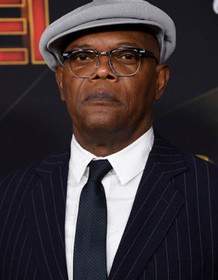
Jamaal X (Samuel L. Jackson)
Played by Samuel L. Jackson
An inmate rights leader who anchors the protest with political awareness and a readiness to fight for recognition of basic human rights. He builds a wary alliance with Officer Smith, balancing resolve with pragmatism to protect hostages and press for accountability. His leadership showcases how dignity and strategy can emerge in the midst of chaos.
- 🗣️ Inmate rights leader
- 🤝 Alliance-builder
- 🔥 Uprising figure
-

Michael Smith (Kyle MacLachlan)
Played by Kyle MacLachlan
A rookie corrections officer who begins by following orders but gradually questions the system as abuses are revealed. His willingness to defy harmful protocols and speak truth to power helps prevent further bloodshed. He embodies the conflicted tension between duty and conscience under extreme pressure.
- 🧭 Moral compass
- 🛡️ Protector of dignity
- ⚖️ Ethical reformer
-

Sharon Smith (Anne Heche)
Played by Anne Heche
Smith's wife, a domestic voice of concern who challenges the protagonist's changing loyalties. She represents the personal cost of institutional brutality and the hope for a better, more humane life beyond the prison walls.
- 💔 Domestic perspective
- 🕊️ Moral support
- 🕯️ Concern for humanity
- LW
Lt. Weisbad (Frederic Forrest)
Played by Frederic Forrest
A seasoned corrections officer who embodies rigid discipline and the traditional approach to control. He resists reform and upholds harsh methods, becoming a focal point of the conflict between authority and humanity. He is among the officers killed during the raid.
- 🧭 Authority figure
- ⚖️ Strict discipline
- 🪦 Veteran officer
- C(
Chaka (Clarence Williams III)
Played by Clarence Williams III
A violent inmate leader who epitomizes the danger and unpredictability within the uprising. His brutality tests the guards and raises the stakes for everyone involved, ultimately meeting a fatal consequence in the clash.
- 🔥 Violent antagonist
- 💥 Lead of the insurgent faction
- 🗺️ Survivalist
Where and When Is Against the Wall Set?
Against the Wall is set in Attica Correctional Facility, Attica and New York (1971). Here is why the time and place matter to the story.
When
1971
The events unfold during a four-day prison riot in 1971, framed by a broader era of civil rights struggles and antiwar protests. The uprising arises from longstanding grievances about inhumane conditions and lack of basic rights within the prison system. The film opens with news footage from the late 1960s and early 1970s, anchoring Attica in a turbulent historical moment.
Where
Attica Correctional Facility, Attica, New York
Attica Correctional Facility serves as the backdrop for a four-day uprising in 1971. The film depicts cramped cells, degraded facilities, and brutal routine that fuel the prisoners' demand for basic rights. The setting highlights the clash between inmates seeking dignity and guards enforcing harsh, dehumanizing control.
- 🏛️ Attica Correctional Facility
- 🗺️ Attica
- New York
- ⛓️ Prison conditions
What Are the Themes of Against the Wall?
4 ideas the story keeps returning to, among them Prison Reform, Authority vs Morality and Media & Narrative.
-
01
Prison Reform
The narrative centers on inmates' demands for humane conditions and due process, exposing systemic neglect. It probes whether true reform can happen within and beyond the walls of a maximum-security facility. The relationship between Smith and Jamaal serves as a lens on how dignity and accountability can drive change.
-
02
Authority vs Morality
Smith's moral awakening puts him at odds with entrenched guard routines, illustrating the tension between obedience and ethics. Weisbad embodies the old guard, defending rigid control even as violence escalates. The story uses personal choices to reveal how individuals navigate competing loyalties under pressure.
-
03
Media & Narrative
The film leans on news footage and a staged press moment to shape how events are understood by the public. Jamaal's decision to engage with a news crew factors into the prisoners’ narrative and the officers’ portrayal. The portrayal of the uprising is inseparable from how it is reported and remembered.
-
04
Power & Conflict
The government's eventual raid underscores the hard limits of negotiation when state power is invoked. The clash between captors and captives exposes how authority, fear, and violence shape outcomes. The epilogue places Attica within a larger critique of punishment, control, and reform.
What Kind of Film Is Against the Wall?
Tense in tone, with steady pacing and a moderate story, going by the plot summary.
- Tone
- Tense
- Pacing
- Steady
- Story
- Moderate
- Intensity
- High
- Ending
- Sad
A tense and emotionally heavy docudrama that immerses the viewer in the claustrophobic, high-stakes atmosphere of a volatile prison uprising, exploring moments of human dignity amid systemic brutality.
- tense
- harrowing
- oppressive
- urgent
- somber
- anxious
- prison riot
- systemic injustice
- human rights
- moral conflict
Content notes: prisoner revolt, gun violence, death, racism, public humiliation, forced stripping.
Quiz
How well do you remember Against the Wall? Test yourself on the story.
Where to Watch Against the Wall
Stream it on HBO Max. US availability and prices from JustWatch.
Stream 2
 HBO Max
  HBO Max Amazon Channel
 Streaming availability in the US, powered by