Against the Wall 1994



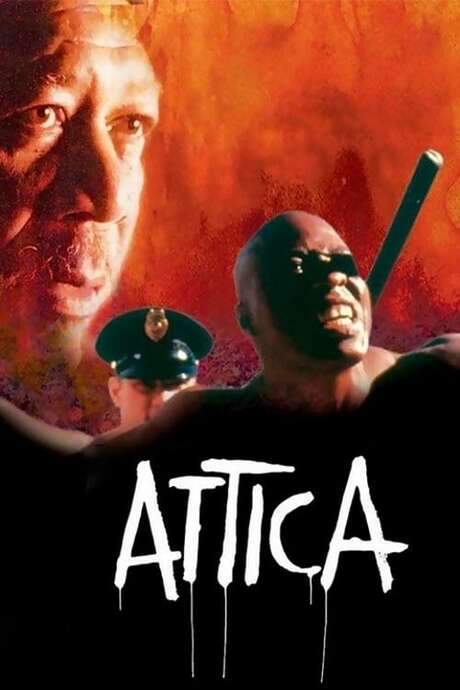
In 1971, a warden at Attica Penitentiary finds himself thrust into a violent hostage crisis after inmates seize control of the facility to demand humane living conditions. The confrontation ends in tragedy, with 39 men losing their lives, and the film chronicles the harrowing events that followed.
Does Against the Wall have end credit scenes?
No!
Against the Wall does not have end credit scenes. You can leave when the credits roll.
Where to Watch Against the Wall
See current US streaming, rental, and purchase options for Against the Wall (1994) via JustWatch.


Streaming availability powered by 
Meet the Full Cast and Actors of Against the Wall
Explore the complete cast of Against the Wall, including both lead and supporting actors. Learn who plays each character, discover their past roles and achievements, and find out what makes this ensemble cast stand out in the world of film and television.

Samuel L. Jackson
Jamaal

Juan Garcia
Nunez

Kyle MacLachlan
Michael Smith

Harry Dean Stanton
Hal

Steve Harris
Cecil

Anne Heche
Sharon Smith

Danny Trejo
Luis
Frederic Forrest
Weisbad

Carmen Argenziano
Mancusi

Tom Bower
Ed

Philip Bosco
Oswald
Craig Hosking
Helicopter Pilot
David Ackroyd
William Kuntsler
Clarence Williams III
Chaka
Peter Murnik
Jess
Tommy Lister Jr.
Prisoner
Joey Anderson
Mrs. Willis
Vincent Henry
Reporter #1
Scott Higgins
Reporter #2
James Mayberry
Scared inmate
Jared Brent Johnson
News crew member (uncredited)
Denis Forest
Denny
Richard Cowl
Barber
Rand Hopkins
Trooper captain
Jeffrey Buckner Ford
Willis
Bud Davis
Bud
Garth Shaw
Inmate (uncredited)
Bruce Evers
Yates
Al Garrison
Puzzled inmate
Mark Cabus
Ken
Tommy Barnes
Guard (uncredited)
Danny Drew
Kareem
Vincent Harris
Metal shop riotor
James 'Sonny' Moore
Elderly inmate
Bart Whiteman
Trooper sergeant
DeForest Mapp
Billups (uncredited)
David Edward Perry
Bouncer Dave (uncredited)
External Links and Streaming Options
Discover where to watch Against the Wall online, including streaming platforms, rental options, and official sources. Compare reviews, ratings, and in-depth movie information across sites like IMDb, TMDb, Wikipedia or Rotten Tomatoes.





Take the Ultimate Against the Wall Movie Quiz
Challenge your knowledge of Against the Wall with this fun and interactive movie quiz. Test yourself on key plot points, iconic characters, hidden details, and memorable moments to see how well you really know the film.
Against the Wall: A docudrama that dramatizes the four‑day 1971 Attica Prison riot, following rookie corrections officer Michael Smith and inmate Jamaal X as they navigate a crisis of rights, violence, and unlikely cooperation.
In what year was the film "Against the Wall" released?
Full Plot Summary and Ending Explained for Against the Wall
Read the complete plot summary of Against the Wall, including all major events, twists, and the full ending explained in detail. Explore key characters, themes, hidden meanings, and everything you need to understand the story from beginning to end.
The docudrama offers a partially fictionalized, immersive look at the four-day Attica Prison riot of 1971, when inmates at the Attica Correctional Facility seized control of large parts of the prison to push for basic human rights and humane conditions. The narrative unfolds through a careful cross-cutting portrayal of two pivotal figures: rookie corrections officer Michael Smith and inmate Jamaal X, whose wary alliance becomes the emotional throughline of the story. Smith’s perspective is framed as the core lens—the film is largely anchored in his testimony and experiences after he is shot four times—while Jamaal X is drawn from a composite of inmates, including individuals who, in Smith’s account, helped save his life. This structure grounds the drama in personal stakes even as it surveys a broader social and political crisis.
From the opening montage, the film situates the riot within a tumultuous era: footage from late-1960s and early-1970s America—the assassinations, campus protests, and urban clashes—sets a charged mood. The quiet streets of Attica give way to the tense atmosphere inside the prison, where the camera lingers on the harsh realities of confinement: overcrowding, violent treatment by some corrections officers, humiliating searches, broken toilets, and the daily indignities that erode dignity. The atmosphere is thick with echoes of wider political upheaval, and the inmates’ demand for recognition of their rights is portrayed as a principled stand as much as a moment of existential danger.
Smith’s entrance into the penitentiary marks a conflict between his duty and his growing empathy for the inmates. He arrives as one of the younger officers who chooses to treat prisoners with a measure of respect, a stance that sets him at odds with more grizzled colleagues and supervisors who enforce control through intimidation. His evolving view is tested as he witnesses the system’s abuses first-hand, and his moral compass becomes a quiet counterpoint to the policing tactics on display. The film emphasizes the complexity of his role—caught between the pressures of adhering to orders and the pull of a more humane approach that could either endanger him or save lives.
Sharon Smith, Sharon Smith, is depicted as a stabilizing, morally clear voice from outside the cell block. Her reaction to her husband’s changing stance is a pivotal emotional beat: she challenges him, sensing that the pressures within the prison are reshaping him in ways he hadn’t anticipated. The moment she voices, “You’re changing,” underscores the personal cost of moral courage under pressure and acts as a spiritual counterpoint to the violence and fear roiling inside the facility.
Within the inmate ranks, the leadership and the strategies for resistance crystallize around figures like Jamaal X, whose influence helps galvanize a broader movement for rights. Jamaal X’s leadership is portrayed through his insistence on dignity and due process, even as he directs a confrontation that tests every guard’s resolve and the state’s willingness to negotiate. The film shows the political undercurrents among the prisoners, including the religious and ideological dimensions that shape their collective actions and the demands they present to the authorities.
Lieutenant Weisbad emerges as a representative of the seasoned, bureaucratic approach to crowd control—an officer who believes in maintaining order through hardline measures and procedural authority. His presence on screen highlights the tension between the impulse to contain and the impulse to dialogue, revealing how the clash between these impulses shapes the course of the crisis. The portrayal of Weisbad’s tactics, and the fallout from them, offers a stark look at how authority can become dehumanized in a pressure cooker situation.
The uprising intensifies as inmates seize control, overpower a subset of guards, and take hostages when a gate fails. It is in this volatile moment that Jamaal X and Smith forge a cautious, pragmatic alliance: one that rejects dehumanization even as it navigates life-threatening risk. Jamaal X recognizes in Smith a partner-soul in a system that has wronged both guards and prisoners alike, and the two men’s cooperation becomes essential to sustaining a line of communication with the outside world. The alliance is not romanticized; it is presented as a difficult, survival-driven partnership built on mutual respect and a shared sense of human dignity amid chaos.
A turning point arrives when Smith agrees to speak with a news crew, a decision that signals a move from passive endurance to public testimony. The film uses this moment to explore how media attention, moral credibility, and political leverage intersect in times of crisis. Smith’s hesitant but growing willingness to expose the truth—without compromising his own safety or the inmates’ welfare—becomes a crucial thread that connects the interior reality of the prison with the external expectations of the public and the state.
As negotiations unfold, the governing authorities in New York escalate from dialogue to decisive force. The film details a controversial fifth-day raid, where law enforcement and soldiers move into the compound, gas fills the corridors, and the hostages are caught in a deadly spray of chaos. The ensuing scenes emphasize the human cost of such a raid: several officers, including Weisbad, are killed, and both Jamaal X and Smith are wounded in the crossfire. The deaths and injuries mark a grim turning point that underscores the limits of coercive control and the price paid by those who inhabit these institutions.
The movie closes with a documentary-like epilogue that situates the Attica riot within a larger historical frame. It notes that the prison population in the United States had surged dramatically in the decades before and after Attica, signaling ongoing concerns about overcrowding, inmate rights, and the capacity of the justice system to address inhumane conditions. The concluding statistics highlight the lasting relevance of Attica, positioning the riot not only as a historical incident but as a touchstone for ongoing debates about incarceration, reform, and civil rights.
Throughout, the film uses a measured, human-centered lens to portray both the brutality of the system and the moments of humanity that emerge even in the worst circumstances. The relationship between Smith and Jamaal X serves as a quiet testament to the possibility of understanding across divides, while Sharon Smith’s grounded moral perspective keeps the audience anchored in the real-world consequences of the riot. The result is a nuanced portrayal that honors the complexity of a traumatic event and invites viewers to reflect on how a single decision to treat others with dignity can influence the course of a crisis—and perhaps the future of a nation’s approach to justice.

Coming soon on iOS and Android
The Plot Explained Mobile App
From blockbusters to hidden gems — dive into movie stories anytime, anywhere. Save your favorites, discover plots faster, and never miss a twist again.
Sign up to be the first to know when we launch. Your email stays private — always.
Explore the mobile appWatch Trailers, Clips & Behind-the-Scenes for Against the Wall
Watch official trailers, exclusive clips, cast interviews, and behind-the-scenes footage from Against the Wall. Dive deeper into the making of the film, its standout moments, and key production insights.
Against the Wall Themes and Keywords
Discover the central themes, ideas, and keywords that define the movie’s story, tone, and message. Analyze the film’s deeper meanings, genre influences, and recurring concepts.
Against the Wall Other Names and Titles
Explore the various alternative titles, translations, and other names used for Against the Wall across different regions and languages. Understand how the film is marketed and recognized worldwide.
Similar Movies To Against the Wall You Should Know About
Browse a curated list of movies similar in genre, tone, characters, or story structure. Discover new titles like the one you're watching, perfect for fans of related plots, vibes, or cinematic styles.



Quick Links: Summary, Cast, Ratings, More

What's After the Movie?
Not sure whether to stay after the credits? Find out!
Check out our other apps:

SAT Sphere
Build confidence for the Digital SAT.

Mori Atlas
Discover wild places worth protecting.

Luntero
Search smarter for a home in Amsterdam.

Plot Explained
Unravel movie endings and hidden clues.

Pokechamp
Dive into Pokémon data and battle logic.

Driving Theory
Get ready for your European theory test.

Movie Dust
Plan your next cinema trip with ease.

Musemap
Find art and culture as you travel.

Selkobase
Compare credentials before committing.

Local Manual
Turn an unfamiliar country into practical next steps.

Lernavi
Compare school systems before your next move.

GymRoam
Find a workout stop wherever your plans take you.
Explore Our Movie Platform
New Movie Releases (2026)
Famous Movie Actors
Top Film Production Studios
Movie Plot Summaries & Endings
Major Movie Awards & Winners
Best Concert Films & Music Documentaries
Movie Collections and Curated Lists
© 2026 What's After the Movie. All rights reserved.
Privacy Policy