What Is Riot in Cell Block 11 About?
The premise of Riot in Cell Block 11 in 323 words, with nothing given away. The full story follows below.
In the grim corridors of a state penitentiary, daily life drags under the weight of chronic overcrowding, meager meals and a palpable atmosphere of fear. The film opens with a stark, almost documentary‑style view of the prison walls, the clanking of steel doors and the muted whispers of inmates who have learned to survive by keeping their heads down. Yet beneath this routine, an undercurrent of frustration simmers, waiting for a spark that could turn quiet desperation into an undeniable roar.
At the heart of that simmering unrest is James V. Dunn, a hardened yet surprisingly articulate inmate who steps forward to give voice to the collective grievances of his fellow prisoners. Dunn’s charisma and determination quickly elevate him to an unofficial spokesperson, as he and a small group of allies confront the guards and demand basic reforms—improved food, reduced crowding, and an end to brutal treatment. Their resolve attracts the attention of the media outside the walls, turning a private lament into a public spectacle that forces the institution’s leaders to confront the reality they have long tried to ignore.
Opposite Dunn stands the prison’s administration, embodied by Warden Reynolds, a weary figure caught between the mandates of the state and the mounting pressure from both inmates and outside observers. As the protest swells, the state police contemplate a tactical breach of the prison wall, while the inmates devise their own countermeasures, using their captive position as a form of leverage. The tension between authority and resistance is amplified by the presence of politicians and journalists, each wielding their own agendas and amplifying the stakes.
The film’s tone is unflinching and claustrophobic, immersing the audience in a world where every hallway echoes with the fear of retaliation and the hope of change. Its style mixes gritty realism with a palpable sense of urgency, inviting viewers to witness the fragile balance of power inside a correctional facility poised on the brink of upheaval.
What Happens in Riot in Cell Block 11?
The complete story of Riot in Cell Block 11, from the first scene to the last, in 395 words (about 2 minutes). Spoilers throughout.
Spoilers ahead
One tense night at a state prison, a group of inmates takes guards prisoner to protest brutal conditions behind bars—overcrowding, substandard meals, and a daily climate of fear. Led by James V. Dunn, [Neville Brand], the prisoners’ leader, they step to the press outside the cell block and lay out their demands: an end to brutal guards, better food, relief from overcrowding, and more humane living conditions.
The following day, inmates from two other blocks join the unrest, but the state police quickly push the riot back into the cell blocks. Negotiations falter as state politicians refuse to concede to the prisoners’ grievances, wary of setting a precedent they’ll struggle to control. Inside the cell block, factions vie for power and influence, complicating any chance for a coordinated solution.
With the siege dragging on, a plan is authorized for the state police to blow a hole in the prison wall to end the standoff. Unbeknownst to the officers, the prisoners counter with a bold tactic: they bind hostages to the interior wall, creating a human shield that complicates any assault and buys them leverage in negotiations.
In a surprising turn, the governor signs a petition the prisoners present, and the riot appears to be winding down as front-page headlines proclaim a victory for the inmates. But the relief is short-lived. Two weeks later, Dunn learns that the legislature has overturned the governor’s signature, repudiating the prisoners’ demands. The warden, Reynolds, who is slated for replacement, informs Dunn that he will likely stand trial for leading the riot and taking hostages, a charge that could add decades to his sentence. Yet the warden also hints at a limited victory: mentally ill inmates will be moved to asylums, and some prisoners will be paroled, signaling a potential shift in policy that could bring gradual reform.
Throughout, the film paints a portrait of a system under pressure—torn between reform-minded impulses and political caution. The clash of ideals is embodied in the tense dynamics between the prisoners, the guards, the media, and the politicians, each with their own agenda, and all caught in the ripple effects of a single, dangerous night. The story uses these flashes of progress and setback to ask how far real change can travel when entrenched interests resist concessions, and how a front-page victory might mask a deeper, longer struggle for justice inside the walls.
Riot in Cell Block 11 Timeline: Every Key Event in Order
13 key events in the order they happen, from “Inmates seize guards to protest” to “Warden reflects on the news' impact”. 13 events name a place, across 11 locations.
- 1
Inmates seize guards to protest
One night, several prison inmates seize guards to protest brutal conditions in the prison. They demand an end to violent guards, substandard food, overcrowding, and inhumane conditions. The tense takeover sets the stage for a broader confrontation with the authorities.
When:Night Where:Prison cell block
- 2
Dunn speaks to the press
James V. Dunn meets the press outside the cell block and frames the protest as a fight for humane treatment. He lays out clear demands and challenges the administration to address them. The media coverage begins to galvanize public attention.
When:Next day Where:Outside cell block
- 3
Riot spreads to additional blocks
The next day, inmates from two additional blocks join the unrest, triggering further clashes as state police push them back toward the blocks. The siege expands, complicating negotiations and increasing the risk to hostages. Internal resentment and rivalries inside the block begin to surface.
When:Next day Where:Other prison blocks
- 4
Negotiations stall with politicians
Negotiations between inmates and prison officials stall as state politicians resist concessions. They fear political backlash and avoid appearing soft on crime. The stalemate deepens the crisis inside the prison.
When:During the siege Where:Prison negotiations area
- 5
Power struggles inside the block
Factions within the rebellious cell block vie for control, undermining Dunn's leadership and trying to seize power through threats or alliances. The power struggle weakens the prisoners' unified front. Inside the riot, loyalties shift as the situation grows more volatile.
When:During siege Where:Rebellious cell block
- 6
Police plan a wall breach
The state police receive the go-ahead to blast a hole in the outer wall to end the siege, intensifying the immediate danger. The plan raises the stakes for both sides and the potential for civilian harm. The clock runs as engineers stage the breach.
When:During siege Where:Prison wall
- 7
Inmates create a human shield
Unknown to the authorities, the inmates create a human shield by tying hostages to the interior wall, turning the breach into a dangerous trap. This desperate tactic buys time and complicates any attempted assault. The inmates' resilience forces police and guards to rethink their strategy.
When:During the siege Where:Interior cell wall
- 8
Governor signs the petition
Just in time, the governor signs a petition demanded by the prisoners, signaling a potential concession. The siege appears to tilt in the inmates' favor as the public watches. The crowd on the outside and the warden's staff sense an impending turn.
When:End of siege Where:State capitol
- 9
Newspapers claim victory
Late the next day, newspapers declare that the prisoners had won, making the siege appear resolved in their favor. Inside the cell blocks, a mix of relief and doubt settles over the mood. The external forces interpret the press as a bargaining chip.
When:Next day Where:City newsroom
- 10
Legislature overturns the governor's signature
Two weeks later, the state legislature overturns the governor's signature, effectively repudiating the prisoners' demands. The reversal undermines the perceived victory and shows how political winds can change outcomes. The prison administration braces for a political fallout.
When:Two weeks later Where:State legislature
Show the other 3 events of Riot in Cell Block 11 Hide the last 3 events
- 11
Dunn faces potential trial
The warden informs Dunn that he will stand trial for leading the riot and taking hostages, a development that could mean an additional 30-year sentence. The looming legal jeopardy casts a long shadow over the revolt's legacy. The warden also hints at institutional changes on the horizon.
When:Two weeks later Where:Warden's office
- 12
Prison reforms promised as partial victory
The warden explains that, despite the legal jeopardy, there is a small victory: mentally ill inmates will be moved to asylums and some prisoners will be paroled. These targeted reforms offer incremental improvements amid the broader chaos. Those changes are framed as concessions won through the siege.
When:Two weeks later Where:Warden's office
- 13
Warden reflects on the news' impact
The warden closes by suggesting that front-page news of the riot and its outcomes might spur broader reforms and serve as a cautionary tale for future administrations. He acknowledges that reform, while slow, could be influenced by the events. Dunn's role in triggering discussion about conditions remains a controversial legacy.
When:Two weeks later Where:Warden's office
Who Are the Main Characters in Riot in Cell Block 11?
8 characters, among them James V. Dunn (Neville Brand), Warden Reynolds (Emile Meyer) and Governor (Thomas Browne Henry): who each one is and the part they play in the story. Every profile links to the actor’s page.
-
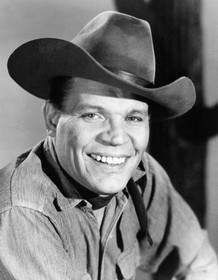
James V. Dunn (Neville Brand)
Played by Neville Brand
James V. Dunn leads the riot with a blend of resolve and pragmatism, turning the protest into a structured demand for safer conditions. He is articulate about the inmates’ grievances and willing to negotiate, if reforms are real. His leadership drives the action and exposes the fragility of a system under strain.
- ⚖️ Leadership
- 🔥 Rebellion
- 🗞️ Public Voice
- WR
Warden Reynolds (Emile Meyer)
Played by Emile Meyer
Warden Reynolds is a liberal-minded administrator who has long criticized prison conditions. He negotiates with inmates in an attempt to avoid bloodshed while acknowledging the need for reform. His perspective captures the tension between humane goals and the duty to maintain order.
- 🛡️ Authority
- 🕊️ Reform
- 🏛️ Prison Administration
- G(
Governor (Thomas Browne Henry)
Played by Thomas Browne Henry
The Governor faces intense political pressure during the crisis, signing a petition as a gesture of compromise. He learns that legislative forces can override executive decisions, revealing the fragility of crisis-time concessions. His role illustrates the interplay between politics, safety, and reform.
- 🏛️ Politics
- 📜 Legislation
- 🤝 Compromise
- CO
Captain of the Guards Barrett (Carleton Young)
Played by Carleton Young
Captain Barrett oversees the guard response, striving to restore order while navigating orders from above. He embodies the security mindset and the challenge of enforcing discipline under pressure. His actions highlight the conflict between control and the need for change within the system.
- 🛡️ Security
- 🎖️ Duty
- M(
Mickey (William Phipps)
Played by William Phipps
Mickey is one of the inmates involved in the riot, contributing to the collective demand for better conditions. He represents the ordinary prisoner whose grievances fuel the uprising. His participation underscores the human cost of overcrowding and mistreatment.
- 🔥 Participant
- 🔒 Prisoner
- S(
Schuyler (Dabbs Greer)
Played by Dabbs Greer
Schuyler is described as a mentally ill inmate, bringing attention to how vulnerable prisoners are treated within the system. His presence during the crisis exposes gaps in care and the consequences of neglect. He embodies the human stakes behind the block’s uprising.
- 🧠 Mental Health
- 🎭 Vulnerability
- A(
Al (Joel Fluellen)
Played by Joel Fluellen
Al is an inmate who contributes to the solidarity and dynamics inside the block. He helps shape interactions with guards and officials, illustrating the diversity of prisoner perspectives within the rebellion. His role emphasizes collective action among the inmates.
- ⚖️ Rights
- 🤝 Solidarity
- CH
Commissioner Haskell (Frank Faylen)
Played by Frank Faylen
Commissioner Haskell represents the bureaucratic layer of the crisis, coordinating with the governor and warden to resolve the siege. He embodies political oversight and the constraints of administrative decision-making under crisis. His involvement highlights the impersonal machinery behind prison policy.
- 🏛️ Bureaucracy
- 🔎 Oversight
Where and When Is Riot in Cell Block 11 Set?
Riot in Cell Block 11 is set in State Prison and Cell Block 11. Here is why the place matters to the story.
Where
State Prison, Cell Block 11
The riot unfolds inside a state prison, centering on a crowded cell block where inmates protest brutal conditions. The setting highlights overcrowding, substandard food, and harsh guards that fuel the uprising. Tensions ripple through the facility as negotiations shift between the block, the warden’s office, and the outer prison walls.
- 🔒 Prison
- 🧱 Cell Block
- 🏛️ Correctional Facility
What Are the Themes of Riot in Cell Block 11?
3 ideas the story keeps returning to, among them Power & Control, Reform & Justice and Media & Politics.
-
01
Power & Control
Within the cell block, factions vie for influence as Dunn becomes a de facto leader. The clash shows how authority, fear, and concessions shape both the riot and its handling by officials. The inmates’ organized protest exposes how power can be wielded to demand policy changes, not just suppress rebellion.
-
02
Reform & Justice
The film probes whether systemic problems can be addressed without violence. Reforms such as moving mentally ill inmates and potential paroles hint at humane change, even as political realities complicate progress. The crisis becomes a test of whether dignity and safety can coexist with order.
-
03
Media & Politics
Outside the cell block, press coverage and political maneuvering shape public perception of the riot. The governor’s petition and the legislature’s eventual reversal highlight how media and politics influence crisis outcomes. The narrative weighs the ethics of reporting against the imperatives of public safety.
What Kind of Film Is Riot in Cell Block 11?
Tense in tone, with fast pacing and a moderate story, going by the plot summary.
- Tone
- Tense
- Pacing
- Fast
- Story
- Moderate
- Intensity
- High
- Ending
- Bittersweet
A gritty, high-tension prison drama that creates a claustrophobic and urgent atmosphere as inmates fight for humanity against a resistant system, culminating in a bitter and ambiguous outcome.
- tense
- claustrophobic
- oppressive
- frustrating
- anxious
- gritty
- prison riot
- social justice
- political maneuvering
- systemic failure
Content notes: prison violence, hostage situation, brutality, assault.
Quiz
How well do you remember Riot in Cell Block 11? Test yourself on the story.
Where to Watch Riot in Cell Block 11
Rent or buy it from Amazon Video and Apple TV Store. US availability and prices from JustWatch.


Streaming availability in the US, powered by