

Money Train 1995

Directed by
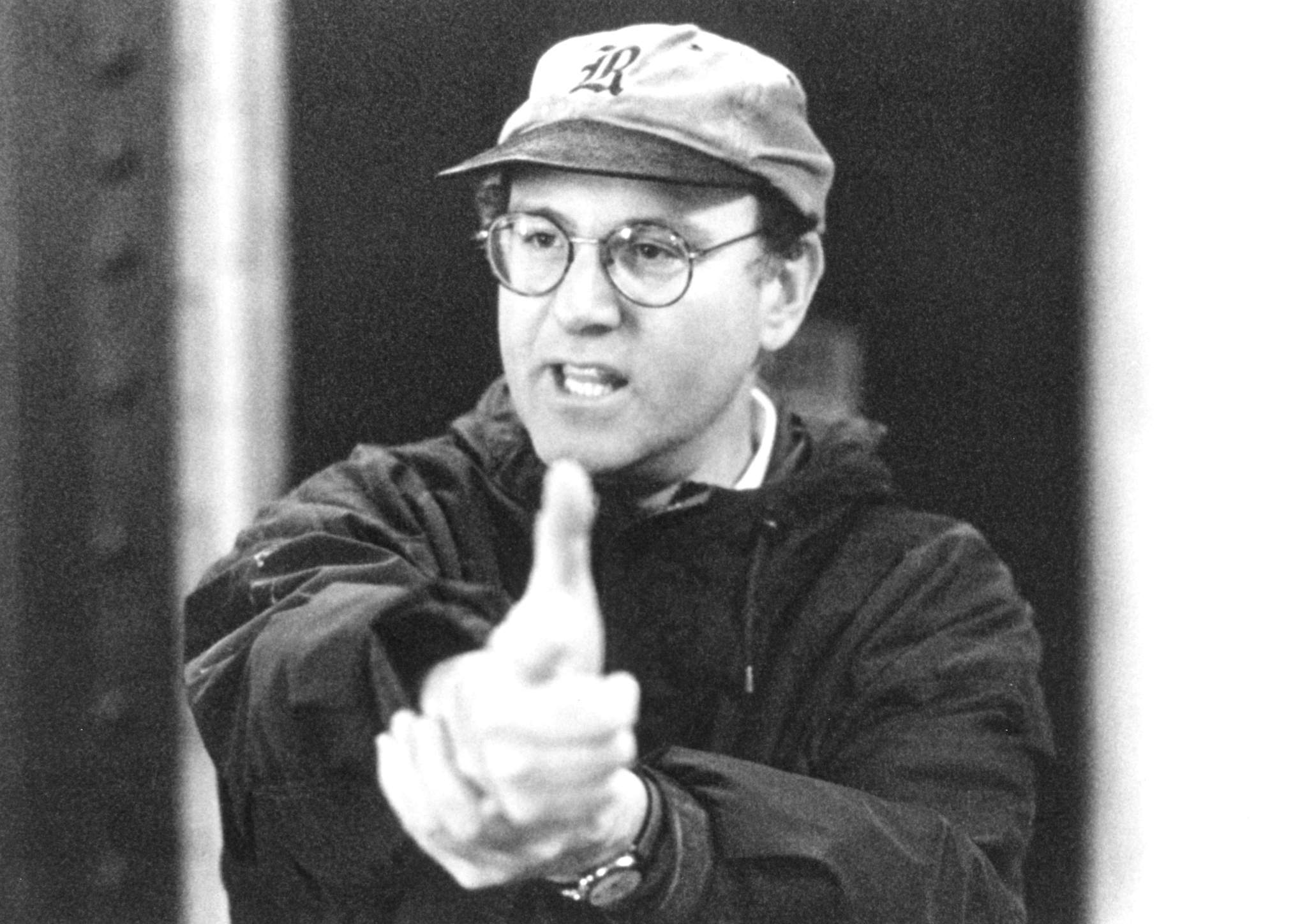
Joseph Ruben
Made by

Columbia Pictures
Money Train Plot Summary
Read the complete plot summary and ending explained for Money Train (1995). From turning points to emotional moments, uncover what really happened and why it matters.
Foster brothers Charlie Robinson and John Robinson patrol the New York City Subway as transit cops. On Christmas Eve, they chase two muggers into a tunnel; though nearby trains are halted, transit captain Donald Patterson allows the money train, carrying the subway’s revenue, to roll on. One of the teenage muggers is gunned down by guards guarding the money train, and the brothers explode in fury, sparking a brutal confrontation with Patterson that leaves everyone on edge.
Charlie asks John for money to buy a Christmas present, but instead uses it to pay off gambling debts to mobster Mr. Brown. Brown’s men threaten to throw Charlie from a building unless the debt is settled, and John intervenes. Brown relents, but only after John promises to deliver the cash in a matter of days. The tension tightens as debt, loyalty, and danger mingle in the shadows of the city’s underground world.
Both brothers take a shine to Grace Santiago, a striking newly assigned decoy transit officer. When a serial killer known as the Torch robs a token booth and douses it with gasoline, threatening the attendant, John and Charlie rush to rescue the attendant and extinguish the flames. Torch escapes and knocks Grace unconscious, intensifying the personal stake for the pair as they juggle duty with desire and danger.
John rejects Charlie’s plan to rob the money train, but fate keeps pulling them toward a high-stakes decision. When the brothers and Grace are assigned to patrol the money train, Charlie discovers a grate in the train floor and a maintenance ladder leading to Central Park. A full-scale brawl erupts between John and another officer, quickly sweeping in the entire squad. Patterson berates them, even after realizing a miscount by a collection agent means no money is actually missing.
Charlie tells John that New Year’s Eve is the best time to strike, because security is lighter and the haul could reach up to $4,000,000. The tension between family, crime, and duty intensifies as the plan begins to form.
On the train, Charlie is pickpocketed by an old lady and beaten by Brown’s men for failing to pay. John visits Grace, and the two acknowledge their mutual attraction and share a moment of intimacy. Later that night, Charlie stops by John’s apartment and finds Grace and John together, the scene leaving Charlie deeply hurt and confused—his own debt looming over him as he processes the betrayal.
In a sting operation to trap Torch, Grace disguises herself as a token booth attendant. Torch, realizing the trap, distracts police by pushing a man in front of a moving train, killing him. Torch sprays Grace with gasoline, but Charlie radios the others; they open fire. John pursues Torch into another station, where a brutal fight erupts. Torch is burned by his own gasoline and killed when a train comes rushing in. Patterson fires Charlie for ruining the ambush, and when John defends his brother, John is fired as well, severing the brothers’ professional bond and their former camaraderie.
That night at a bar, Charlie is further assaulted by Brown and his men. Brown threatens to murder John if Charlie does not repay by New Year’s Day, increasing the stakes and the fear that violence might spill into Charlie’s life again.
On New Year’s Eve, John storms Brown’s strip club and defeats the mobsters with Kung Fu artistry, delivering a firm warning to Brown and protecting Charlie from further harm. The moment crystallizes the shift in loyalties and the toll of debt and violence upon the brothers’ bond.
Grace persuades John to intervene in Charlie’s plan to rob the money train, further entangling the trio in a high-wire act of trust and betrayal. Charlie crawls into the money train from beneath, ejects the driver, and drives toward the ladder, but cannot escape with the money because mounted cops close in. John urges Charlie to push farther, and the brothers—despite everything—continue to fight for each other.
The train’s brakes are disabled, and Patterson deploys a steel barricade to halt the runaway, but the two trains collide in a dangerous dance. Transit control officer Kowalski declares the money train a runaway and begins clearing tracks, while Patterson diverts the train onto a track already occupied by a passenger train, the 1220 bound for Coney Island, without telling the driver. The driver, unaware of the other train’s presence, faces an impossible dilemma.
As Charlie attempts to seize the money, John tries to stop him, and a fierce duel between the brothers erupts. In a pivotal moment, Charlie saves John from a deadly plunge, and the runaway train rams into the rear of the passenger train. The impact slows the two trains briefly, but the danger remains as momentum and momentum threaten everyone on board.
With no brakes and the throttle jammed, the brothers decide to reverse the money train to save the passenger train. Charlie positions an iron bar to trip the reverse lever, and the pair leap across to the 1220 train as the money train derails, leaving Patterson waiting at the next station in stunned disbelief.
reh the subway station, Patterson confronts the brothers, and, shaken by his own hubris, he is arrested by Grace for endangering the passengers. The brothers step out onto Times Square as the new year, 1996, begins. They share a moment of relief and relief tinged with unease, only to discover that Charlie has a bag containing over $500,000 tucked away in his coat, casting a shadow of tension over the celebratory scene. The film closes with the two men walking off into the distance, their arguments about the money lingering as the credits roll.
Money Train Timeline
Follow the complete movie timeline of Money Train (1995) with every major event in chronological order. Great for understanding complex plots and story progression.
Christmas patrol and chase
John and Charlie Robinson patrol the NYC subway on Christmas. They chase two muggers into a tunnel as nearby trains are halted. Transit captain Donald Patterson allows the money train to continue, setting the stage for later trouble.
Muggers gunned down, fallout
One of the teenage muggers is gunned down by the transit cops guarding the money train, inflaming the brothers. A brawl erupts with other officers, and Patterson blames John and Charlie for delaying the money train.
Charlie’s gambling debt exposed
Charlie asks John for money for a Christmas present but uses it to pay gambling debts to mobster Mr. Brown. Brown threatens to throw Charlie off a building, prompting John to intervene. Brown agrees to wait if John delivers the money in a few days.
Grace and the Torch incident
John and Charlie take a liking to Grace Santiago, a newly assigned decoy transit officer. The Torch robs a token booth and sets it on fire, risking the attendant's life. The brothers rescue the attendant, but Torch escapes and knocks Grace unconscious.
Discovery of the money train access
John rejects Charlie's plan to rob the money train. They are assigned to patrol it; Charlie discovers a grate in the train floor with a maintenance ladder to Central Park. A brawl erupts with a fellow officer, and Patterson berates them even after learning there is no money missing due to a miscount.
New Year’s Eve heist plan and fallout
Charlie tells John that New Year’s Eve would be the best time to rob the money train, given the high proceeds. John hands Charlie $15,000 to pay Brown. On the train, Charlie is pickpocketed by an old lady and beaten by Brown’s men for non-payment, and John is visited by Grace, with whom he shares a kiss.
Torch sting and the ambush goes wrong
In a sting operation, Grace disguises herself as a token booth attendant. Torch distracts police by pushing a man in front of a moving train and sprays Grace with gasoline. Charlie alerts officers and they open fire, but Torch is burned by gasoline and killed by an approaching train.
The fallout: two brothers fired
Patterson fires Charlie for ruining the ambush; John defends his brother and is fired as well, driving a wedge between the brothers as they realize the price of following their own code.
Brown’s assault and a threat
Charlie is assaulted by Mr. Brown and his men at a bar. Brown threatens to murder John if the $15,000 debt is not paid by New Year’s Day, escalating the danger for the brothers.
John’s counterstrike at Brown’s club
On New Year’s Eve, John storms Brown’s strip club and defeats the mobsters using his Kung Fu, threatening Brown to protect Charlie; Brown is knocked out.
Grace nudges John toward intervention
Grace persuades John to intervene in Charlie’s plan to rob the money train. Charlie enters from beneath the train, throws out the driver, and drives toward the ladder so he can escape with the money.
The money train becomes a runaway
With the crew in pursuit, John and Charlie disable the brakes to prevent Patterson from remotely stopping the train. Patterson deploys a steel barricade, but the runaway train smashes through and speeds on.
Diversion onto a passenger train
Transit control declares the money train a runaway and clears tracks. Patterson diverts the train onto the track occupied by a passenger train, but does not tell the other driver, risking a catastrophe.
The collision and the brink of disaster
Charlie tries to steal the money while John pulls him back, leading to a dangerous brawl on top of the two trains. The money train slams into the rear of the passenger train and the collision escalates the risk of derailing both trains.
Reverse to save the passengers and a new year
With no brakes and the throttle jammed, the brothers reverse the money train to save the passenger train. The money train derails as they jump to the other train; Patterson is left to watch in horror as Grace arrests him for endangering passengers. They reach Times Square as 1996 begins, arguing over the half-million in Charlie’s coat.
Money Train Characters
Explore all characters from Money Train (1995). Get detailed profiles with their roles, arcs, and key relationships explained.
Charlie Robinson (Woody Harrelson)
Brash and impulsive, Charlie is driven by gambling debts and a willingness to take risks. His frayed finances strain his relationship with his brother John, yet he remains fiercely loyal to family in moments of danger. The pursuit of money exposes his flaws but also his capacity for courage when faced with mob pressure.
John Robinson (Wesley Snipes)
Calm, capable, and protective, John acts as the counterweight to Charlie’s recklessness. He negotiates with both mobsters and law enforcement while navigating his growing attraction to Grace. His decisions reflect a steady sense of responsibility, even when personal loyalties blur moral lines.
Grace Santiago (Jennifer Lopez)
A newly assigned decoy transit officer who becomes entangled with John and Charlie. Grace balances professional disguise with genuine affection, and she ultimately helps bring Torch to justice while holding authorities accountable. Her presence catalyzes important choices for both brothers.
Donald Patterson (Robert Blake)
Transit captain whose abrasive leadership and blame-shifting push Charlie and John toward a breaking point. He embodies managerial rigidity and a willingness to scapegoat under pressure, ultimately facing consequences for his conduct when Grace acts.
Torch (Chris Cooper)
A ruthless serial robber who robs a token booth, sets fires, and escalates violence. His actions threaten innocent bystanders and test the heroes’ resolve. Torch’s demise comes as he confronts a relentless pursuit across the city’s transit system.
Mr. Brown (Scott Sowers)
A mobster who flexes power through intimidation and debt collection. He pressures Charlie and wields influence over enforcers, creating a grave personal risk for the brothers. Brown’s brutality sharpens the film’s sense of danger and consequence.
Brown's Enforcer (Manny Siverio)
One of Brown’s muscle, part of the network that enforces debts and disciplines offenders. He embodies the threat of organized crime in the subway world and adds physical danger to key confrontations.
Money Train Settings
Learn where and when Money Train (1995) takes place. Explore the film’s settings, era, and how they shape the narrative.
Time period
1995-1996
Set over the Christmas season and culminating on New Year’s Eve 1996, the film captures late-1990s New York when transit life dominated daily urban rhythms. The era shapes the city’s atmosphere, fashion, and tensions between public safety and criminal leverage. The timeline centers on a single chaotic night that tests loyalties and decisions amid a high-stakes chase.
Location
New York City Subway, New York City
The story unfolds primarily in the New York City Subway system, with tunnels, stations, and the iconic money train providing a relentless backdrop. The claustrophobic confines of the underground amplify the tension as crimes unfold and trains race through the city. A closing sequence shifts to the surface, bringing the action into Times Square as the city prepares to ring in the new year.
Money Train Themes
Discover the main themes in Money Train (1995). Analyze the deeper meanings, emotional layers, and social commentary behind the film.
💰
Greed
The plot turns on the pursuit of money, from gambling debts to a plan to hijack a revenue train. Debt and profit push characters toward dangerous risks and morally gray choices. The quest for wealth tests loyalty between brothers and against those who would exploit their weakness. Money becomes both motive and weapon, driving conflict to the breaking point.
🤝
Brotherhood
John and Charlie’s bond is the emotional core, tested by rivalry, trust, and conflicting loyalties. Their dynamic propels the action, with moments of cooperation and betrayal shaping outcomes. The film tracks how far family ties can endure under pressure from crime lords and law enforcement. Ultimately, their loyalty becomes their salvation and their test.
🎯
Power and Authority
Mobsters, cops, and transit officials clash as control over people and trains becomes a battleground. The Torch and Mr. Brown symbolize external threats to public order, while Patterson embodies institutional power facing internal reckoning. The climax exposes how authority can falter or be skewed by ambition, demanding accountability.

Money Train Spoiler-Free Summary
Discover the spoiler-free summary of Money Train (1995). Get a concise overview without any spoilers.
In the shadowy tunnels beneath New York City, the subway system becomes a restless character of its own, humming with the clatter of trains and the whispered urgency of a city that never sleeps. The film opens on a gritty, wintry night where the ordinary routine of transit patrols is tinged with a palpable tension, hinting that the underground world holds more than just commuters and fare boxes. The atmosphere blends cold concrete with flickering holiday lights, creating a backdrop that feels both familiar and foreboding.
Charlie Robinson is a transit cop whose reckless edge is matched only by his charisma, while his foster brother John offers a steadier, more disciplined counterpoint. Their bond is forged in the cramped confines of subway cars and the shared responsibility of keeping the tunnels safe, yet their personalities diverge sharply—Charlie is driven by impulse and hidden pressures, John by a strict sense of duty and loyalty. Together they navigate the thin line between law enforcement and the chaotic rhythm of the city’s underground, constantly aware that a single misstep could echo far beyond the rails.
Adding a fresh spark to the duo is Grace Santiago, a newly assigned transit officer whose presence introduces both professional intrigue and personal tension. Her sharp instincts and willingness to challenge the status quo stir the brothers’ dynamic, prompting questions about trust, ambition, and what each is willing to sacrifice for the other.
The tone of the story balances gritty action with darkly comic moments, and the ever‑present hum of the subway underscores a world where loyalty is tested and decisions carry heavy weight. As the brothers grapple with their conflicting desires and the looming prospect of a daring plan involving the money‑laden train that hauls the city’s fare revenue, the film invites the audience to wonder how far they will go when the line between protector and outlaw blurs in the depths of New York’s underworld.
Movies with Similar Twists and Themes
Uncover films that echo the narrative beats, emotional arcs, or dramatic twists of the one you're exploring. These recommendations are handpicked based on story depth, thematic resonance, and spoiler-worthy moments — perfect for fans who crave more of the same intrigue.
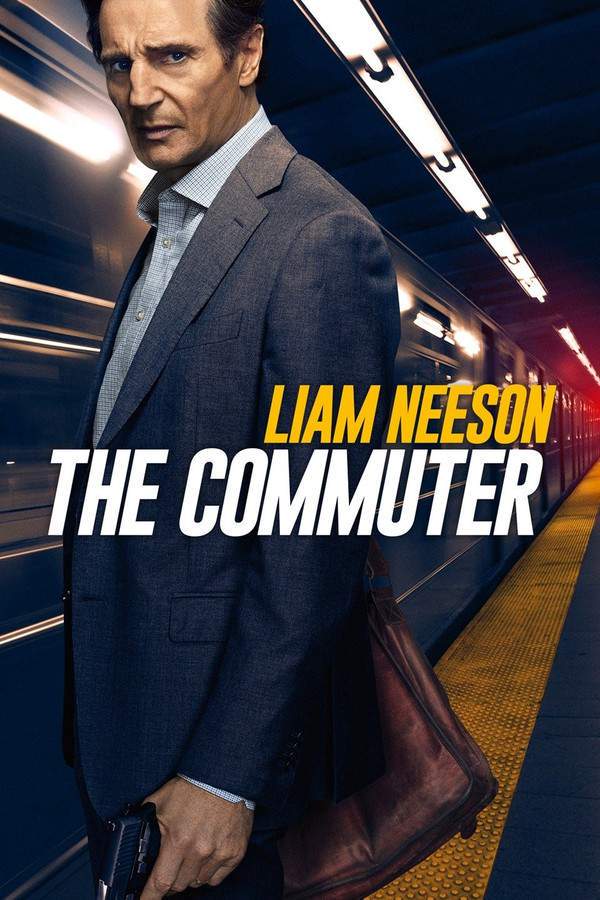
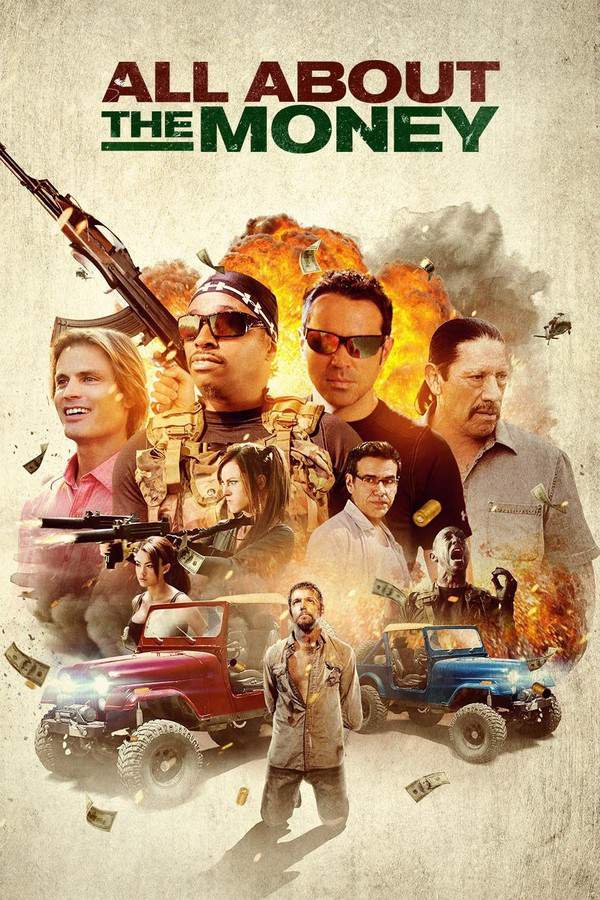
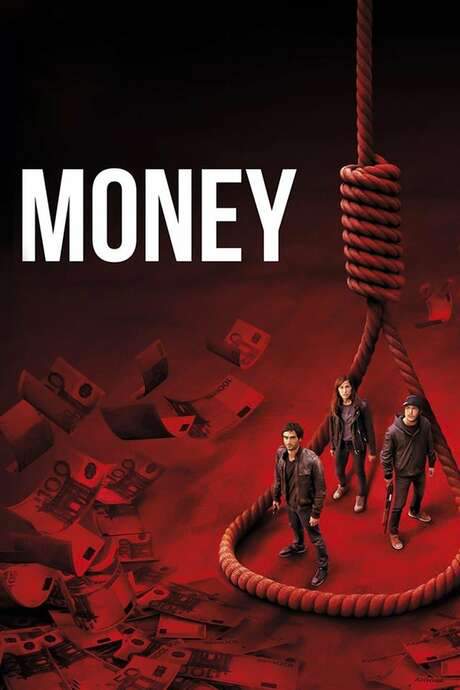



Featured on this page

What's After the Movie?
Not sure whether to stay after the credits? Find out!




Explore Our Movie Platform
New Movie Releases (2025)
Famous Movie Actors
Top Film Production Studios
Movie Plot Summaries & Endings
Major Movie Awards & Winners
Best Concert Films & Music Documentaries
Movie Collections and Curated Lists
© 2025 What's After the Movie. All rights reserved.