Money Train 1995


Get on, or GET OUT THE WAY! When a vengeful New York transit cop decides to steal a trainload of subway fares, his foster brother—a fellow cop—tries to protect him.

Does Money Train have end credit scenes?
No!
Money Train does not have end credit scenes. You can leave when the credits roll.
Meet the Full Cast and Actors of Money Train
Explore the complete cast of Money Train, including both lead and supporting actors. Learn who plays each character, discover their past roles and achievements, and find out what makes this ensemble cast stand out in the world of film and television.

Woody Harrelson
Charlie

Chris Cooper
Torch
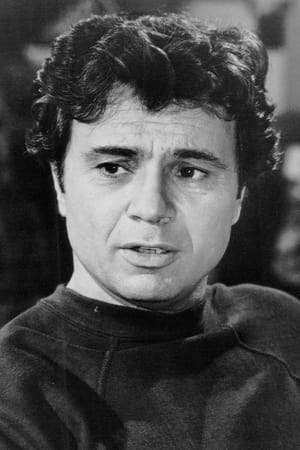
Robert Blake
Donald Patterson

Jennifer Lopez
Grace Santiago

Enrico Colantoni
Dooley
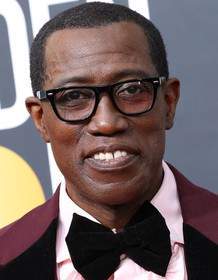
Wesley Snipes
John

Jack O'Connell
Dispatcher

Dean Norris
Guard with Dooley

Aida Turturro
Woman on Platform

Steven Randazzo
Guy at Bar
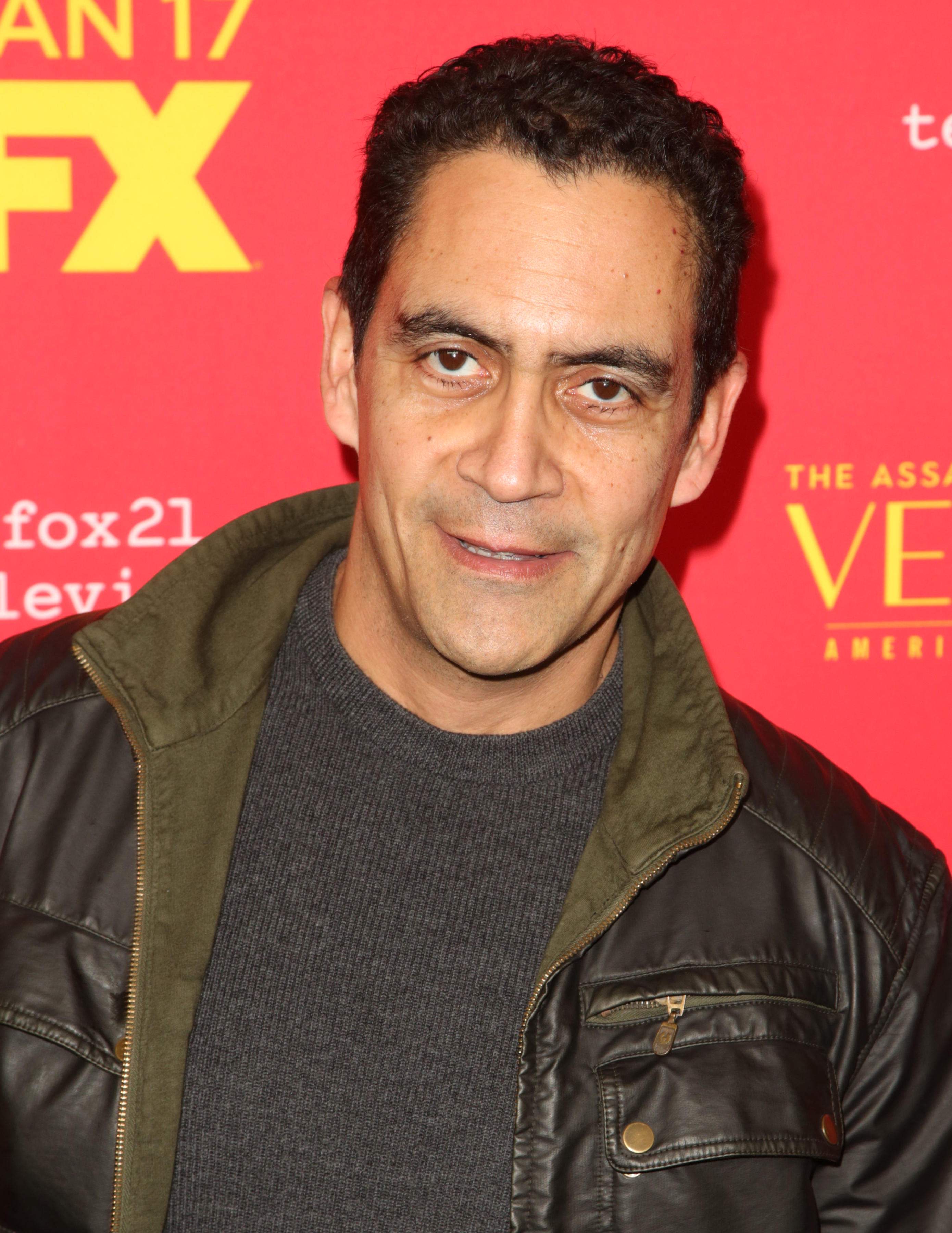
José Zúňiga
Victor
Vincent Laresca
Subway Robber
Skipp Sudduth
Kowalski
Bill Nunn
Crash Train Motorman
Joe Grifasi
Riley
Vincent Pastore
Gambler
Saul Stein
Brown's Enforcer
Scott Sowers
Mr. Brown
Jeremy Roberts
Guard
John Cenatiempo
Brown's Enforcer
Thomas G. Waites
Barricade Captain
Flex Alexander
Hood
Katie Gill
Crosswalk Child
Lawrence Gilliard Jr.
Hood
Greg Bronson
New Years Eve Reveler (uncredited)
Richard Grove
Motorman
William Charlton
Businessman
Christopher Anthony Young
Guard with Dooley
Nelson Vasquez
Subway Robber
Angel Caban
Decoy Cop
Michael Artura
Captain #2
Sharon Schaffer
Token Clerk
Ron Ryan
Gambler
Jose Soto
Hood
John Norman Thomas
Detective
Joe Bacino
Decoy Cop
Gregory McKinney
Guard
Catherine Dudley-Rose
Cop's Girlfriend (uncredited)
Vincent Patrick
Frank the Bartender
Alvaleta Guess
Woman on Platform
David Tawil
Gambler
Mitch Kolpan
Guard
Oni Faida Lampley
Dispatcher
Manny Siverio
Brown's Enforcer
Moss Porter
Mickey
Keith Leon Williams
Darryl
Kevin Guy Brown
Punk Guy
Leikili Mark
Punk Girl
Cody Gill
Crosswalk Child
External Links and Streaming Options
Discover where to watch Money Train online, including streaming platforms, rental options, and official sources. Compare reviews, ratings, and in-depth movie information across sites like IMDb, TMDb, Wikipedia or Rotten Tomatoes.








Take the Ultimate Money Train Movie Quiz
Challenge your knowledge of Money Train with this fun and interactive movie quiz. Test yourself on key plot points, iconic characters, hidden details, and memorable moments to see how well you really know the film.
Money Train (1995) Quiz: Test your knowledge of the 1995 action‑thriller *Money Train* with these ten varied questions covering characters, plot twists, and key events.
What are the names of the two foster brothers who work as transit cops?
Full Plot Summary and Ending Explained for Money Train
Read the complete plot summary of Money Train, including all major events, twists, and the full ending explained in detail. Explore key characters, themes, hidden meanings, and everything you need to understand the story from beginning to end.
Foster brothers Charlie Robinson and John Robinson patrol the New York City Subway as transit cops. On Christmas Eve, they chase two muggers into a tunnel; though nearby trains are halted, transit captain Donald Patterson allows the money train, carrying the subway’s revenue, to roll on. One of the teenage muggers is gunned down by guards guarding the money train, and the brothers explode in fury, sparking a brutal confrontation with Patterson that leaves everyone on edge.
Charlie asks John for money to buy a Christmas present, but instead uses it to pay off gambling debts to mobster Mr. Brown. Brown’s men threaten to throw Charlie from a building unless the debt is settled, and John intervenes. Brown relents, but only after John promises to deliver the cash in a matter of days. The tension tightens as debt, loyalty, and danger mingle in the shadows of the city’s underground world.
Both brothers take a shine to Grace Santiago, a striking newly assigned decoy transit officer. When a serial killer known as the Torch robs a token booth and douses it with gasoline, threatening the attendant, John and Charlie rush to rescue the attendant and extinguish the flames. Torch escapes and knocks Grace unconscious, intensifying the personal stake for the pair as they juggle duty with desire and danger.
John rejects Charlie’s plan to rob the money train, but fate keeps pulling them toward a high-stakes decision. When the brothers and Grace are assigned to patrol the money train, Charlie discovers a grate in the train floor and a maintenance ladder leading to Central Park. A full-scale brawl erupts between John and another officer, quickly sweeping in the entire squad. Patterson berates them, even after realizing a miscount by a collection agent means no money is actually missing.
Charlie tells John that New Year’s Eve is the best time to strike, because security is lighter and the haul could reach up to $4,000,000. The tension between family, crime, and duty intensifies as the plan begins to form.
On the train, Charlie is pickpocketed by an old lady and beaten by Brown’s men for failing to pay. John visits Grace, and the two acknowledge their mutual attraction and share a moment of intimacy. Later that night, Charlie stops by John’s apartment and finds Grace and John together, the scene leaving Charlie deeply hurt and confused—his own debt looming over him as he processes the betrayal.
In a sting operation to trap Torch, Grace disguises herself as a token booth attendant. Torch, realizing the trap, distracts police by pushing a man in front of a moving train, killing him. Torch sprays Grace with gasoline, but Charlie radios the others; they open fire. John pursues Torch into another station, where a brutal fight erupts. Torch is burned by his own gasoline and killed when a train comes rushing in. Patterson fires Charlie for ruining the ambush, and when John defends his brother, John is fired as well, severing the brothers’ professional bond and their former camaraderie.
That night at a bar, Charlie is further assaulted by Brown and his men. Brown threatens to murder John if Charlie does not repay by New Year’s Day, increasing the stakes and the fear that violence might spill into Charlie’s life again.
On New Year’s Eve, John storms Brown’s strip club and defeats the mobsters with Kung Fu artistry, delivering a firm warning to Brown and protecting Charlie from further harm. The moment crystallizes the shift in loyalties and the toll of debt and violence upon the brothers’ bond.
Grace persuades John to intervene in Charlie’s plan to rob the money train, further entangling the trio in a high-wire act of trust and betrayal. Charlie crawls into the money train from beneath, ejects the driver, and drives toward the ladder, but cannot escape with the money because mounted cops close in. John urges Charlie to push farther, and the brothers—despite everything—continue to fight for each other.
The train’s brakes are disabled, and Patterson deploys a steel barricade to halt the runaway, but the two trains collide in a dangerous dance. Transit control officer Kowalski declares the money train a runaway and begins clearing tracks, while Patterson diverts the train onto a track already occupied by a passenger train, the 1220 bound for Coney Island, without telling the driver. The driver, unaware of the other train’s presence, faces an impossible dilemma.
As Charlie attempts to seize the money, John tries to stop him, and a fierce duel between the brothers erupts. In a pivotal moment, Charlie saves John from a deadly plunge, and the runaway train rams into the rear of the passenger train. The impact slows the two trains briefly, but the danger remains as momentum and momentum threaten everyone on board.
With no brakes and the throttle jammed, the brothers decide to reverse the money train to save the passenger train. Charlie positions an iron bar to trip the reverse lever, and the pair leap across to the 1220 train as the money train derails, leaving Patterson waiting at the next station in stunned disbelief.
reh the subway station, Patterson confronts the brothers, and, shaken by his own hubris, he is arrested by Grace for endangering the passengers. The brothers step out onto Times Square as the new year, 1996, begins. They share a moment of relief and relief tinged with unease, only to discover that Charlie has a bag containing over $500,000 tucked away in his coat, casting a shadow of tension over the celebratory scene. The film closes with the two men walking off into the distance, their arguments about the money lingering as the credits roll.

Coming soon on iOS and Android
The Plot Explained Mobile App
From blockbusters to hidden gems — dive into movie stories anytime, anywhere. Save your favorites, discover plots faster, and never miss a twist again.
Sign up to be the first to know when we launch. Your email stays private — always.
Explore the mobile appWatch Trailers, Clips & Behind-the-Scenes for Money Train
Watch official trailers, exclusive clips, cast interviews, and behind-the-scenes footage from Money Train. Dive deeper into the making of the film, its standout moments, and key production insights.
Cars Featured in Money Train
Explore all cars featured in Money Train, including their makes, models, scenes they appear in, and their significance to the plot. A must-read for car enthusiasts and movie buffs alike.
Money Train Themes and Keywords
Discover the central themes, ideas, and keywords that define the movie’s story, tone, and message. Analyze the film’s deeper meanings, genre influences, and recurring concepts.
Money Train Other Names and Titles
Explore the various alternative titles, translations, and other names used for Money Train across different regions and languages. Understand how the film is marketed and recognized worldwide.
Similar Movies To Money Train You Should Know About
Browse a curated list of movies similar in genre, tone, characters, or story structure. Discover new titles like the one you're watching, perfect for fans of related plots, vibes, or cinematic styles.




Quick Links: Summary, Cast, Ratings, More

What's After the Movie?
Not sure whether to stay after the credits? Find out!
Check out our other apps:

SAT Sphere
Build confidence for the Digital SAT.

Mori Atlas
Discover wild places worth protecting.

Luntero
Search smarter for a home in Amsterdam.

Plot Explained
Unravel movie endings and hidden clues.

Pokechamp
Dive into Pokémon data and battle logic.

Driving Theory
Get ready for your European theory test.

Movie Dust
Plan your next cinema trip with ease.

Musemap
Find art and culture as you travel.

Selkobase
Compare credentials before committing.

Local Manual
Turn an unfamiliar country into practical next steps.

Lernavi
Compare school systems before your next move.

GymRoam
Find a workout stop wherever your plans take you.
Explore Our Movie Platform
New Movie Releases (2026)
Famous Movie Actors
Top Film Production Studios
Movie Plot Summaries & Endings
Major Movie Awards & Winners
Best Concert Films & Music Documentaries
Movie Collections and Curated Lists
© 2026 What's After the Movie. All rights reserved.
Privacy Policy