What Is Mank About?
The premise of Mank in 294 words, with nothing given away. The full story and the ending follow below.
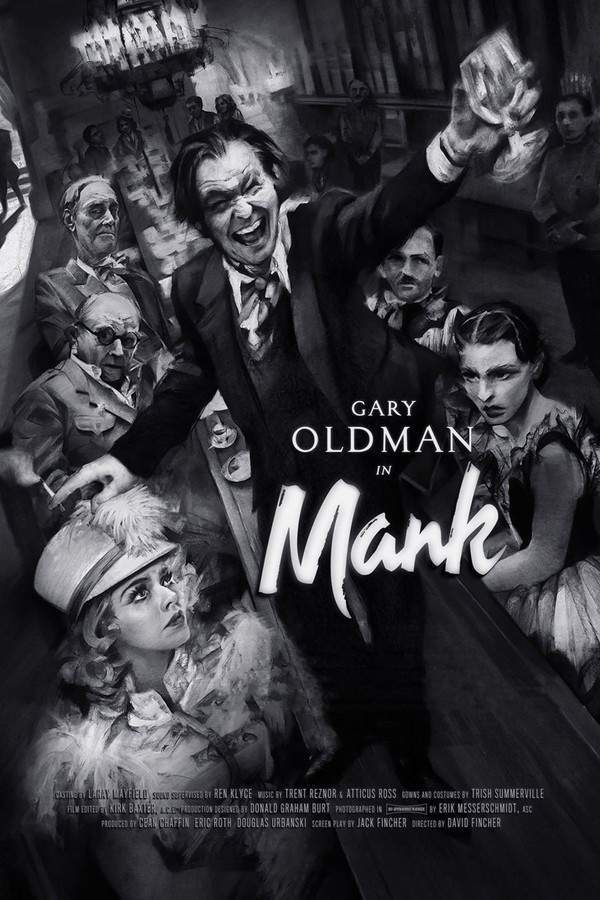
In the glimmering yet unforgiving world of 1930s Hollywood, a talented but weary writer tries to carve his place among soaring ambitions and looming shadows. Herman J. Mankiewicz moves through backlots and cocktail parties, his wit as sharp as the scripts he drafts, while the weight of personal doubts and a relentless party culture press against him. The city throbs with the optimism of a booming film industry, yet underneath the glamour lies a tide of political intrigue, economic strain, and the ever‑present whisper of fame’s fleeting nature.
Against this backdrop, Orson Welles emerges as a magnetic, visionary director whose daring ideas crack open the conventions of the studio system. Their partnership hints at a clash of brilliance and vulnerability, where creative fire is both a salvation and a burden. Around them, the powerful magnate William Randolph Hearst looms, embodying the era’s concentration of media might and the subtle pressure it exerts on artistic freedom. The film’s tone balances reverent nostalgia for cinema’s golden age with a sharp, almost satirical awareness of its darker undercurrents, inviting the audience to feel both the sparkle of the marquee lights and the cold wind that brushes the edges of the set.
The story unfolds in a richly textured palette of black‑and‑white cinematography, echoing the period’s elegance while underscoring the stark realities that its characters navigate. Through dialogue laced with humor and poignancy, the narrative paints a portrait of a man whose genius is inseparable from his flaws, and whose quest to leave a lasting imprint on the screen becomes a quiet meditation on responsibility, art, and the price of ambition. The audience is left with a lingering sense of curiosity—how far will this gifted screenwriter go, and what will the relentless pulse of Tinseltown demand in return?
What Happens in Mank?
The complete story of Mank, from the first scene to the last, in 322 words (about 1 minute). Spoilers throughout. Names in the text link to 2 cast member pages.
Spoilers ahead
Mank delves into the life of Herman Mankiewicz, eloquently portraying his experiences from 1933 to 1940, a period during which America was grappling with the harsh realities of the Great Depression while simultaneously being aware of the ominous approach of World War II. The narrative not only highlights Mank’s journey but also weaves in the political backdrop of Upton Sinclair’s left-leaning campaign for the governorship of California, emphasizing how Hollywood united against him.
Sinclair is depicted as championing values that the establishment deemed “anti-American,” with MGM aggressively engaging in what would today be termed disinformation campaigns. This tumultuous environment compels Mank to face his own moral compromises and the minor deceits he has perpetuated.
In a captivating scene, Charles Dance, portraying the formidable William Randolph Hearst, shares a compelling story with Gary Oldman, who plays Mank. He recounts the “parable of the organ grinder’s monkey,” right after Mank has found himself in a drunken tirade, revealing the idealism that underpinned Hearst’s empire. Hearst coolly reminds Mank that he must “dance” whenever the music plays, serving as a stark insight into the bitterness that would ultimately lead to Mank’s downfall in Hollywood.
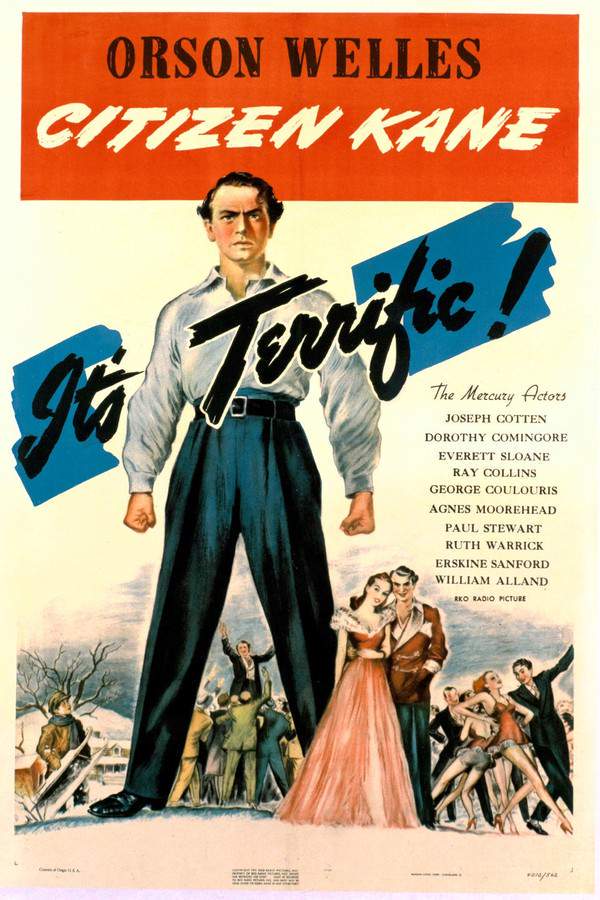
His defiance against Hearst, backed by Orson Welles, sets in motion a chain of events that leaves Mank jobless, particularly as he struggles with the consequences of his choices. In the backdrop of his tumultuous life, he finds solace in creating Citizen Kane while bedridden with a broken leg, isolated from friends and family, desperately battling his alcohol dependency in pursuit of just one drink, which leads him to win the only Oscar awarded to him.
As he poignantly articulates to a friend, “We have got a huge responsibility, to people in the dark willingly checking their disbelief at the door.” The film skillfully captures the essence of Mank’s complex legacy against the chaos of his times, illustrating the profound impact of personal choice in the landscape of Hollywood and beyond.
Mank Timeline: Every Key Event in Order
13 key events in the order they happen, from “The Beginning of Mank's Journey” to “The Lasting Legacy”. 3 events name a place, across 3 locations.
- 1
The Beginning of Mank's Journey
The narrative begins in 1933, during the height of the Great Depression in America. Herman Mankiewicz is introduced as a figure navigating the challenges posed by an economically strained society.
When:1933
- 2
Upton Sinclair's Campaign
The timeline progresses to Upton Sinclair's left-leaning campaign for the governorship of California. His candidacy not only invigorates political discourse but also ignites fear among Hollywood elites, who begin to organize against him.
Where:California
- 3
Hollywood's Response to Sinclair
Sinclair's campaign is met with fierce opposition from major studios like MGM, which launch disinformation campaigns to discredit him. The political climate influences Hollywood’s creativity and highlights the industry's inclination to protect the status quo.
Where:Hollywood
- 4
Mank's Moral Dilemmas
Amidst political upheaval, Mank confronts his own ethical compromises and the small lies he has told. His reflections serve as a microcosm of the broader moral questions faced by individuals in a corrupt system.
- 5
William Randolph Hearst's Influence
William Randolph Hearst is introduced, portrayed by Charles Dance, who interacts with Mank in a pivotal scene. He shares the 'parable of the organ grinder's monkey,' revealing the intricacies of power and control within the Hollywood elite.
Where:Hearst's estate
- 6
Mank's Spiraling Defiance
Mank starts to push back against Hearst's influence, buoyed by support from Orson Welles. This act of defiance sets off a chain reaction that has dire consequences for Mank's career and personal life.
- 7
Job Loss After Defiance
As a result of his confrontation with Hearst, Mank finds himself jobless. This loss is compounded by the struggles he faces with his alcohol addiction, leading to further isolation from the Hollywood community.
- 8
Creating Citizen Kane
While dealing with a broken leg and confined to his bed, Mank channels his frustrations into writing *Citizen Kane*. This iconic film becomes a crucial outlet for his creativity during a difficult time.
- 9
The Oscar Win
Despite his struggles and isolation, Mank wins the Oscar for *Citizen Kane*. This accolade represents not only a personal victory but also the culmination of his complex legacy in Hollywood.
- 10
Reflection on Responsibility
In a moment of introspection, Mank articulates the importance of storytelling, saying, 'We have got a huge responsibility, to people in the dark willingly checking their disbelief at the door.' This highlights his awareness of the power of film.
Show the other 3 events of Mank Hide the last 3 events
- 11
Mank's Isolation
As the film progresses, Mank's isolation from friends and family becomes more apparent. His battle against alcohol dependency intensifies, showing the personal toll of his choices amidst the chaos of his surroundings.
- 12
Cumulative Impact of Choices
In the end, Mank's journey illustrates the deep influence of personal choices against the backdrop of tumultuous political and social change. His legacy serves as a reminder of the intersection between individual actions and historical events.
When:1940
- 13
The Lasting Legacy
The impact of Mank's work continues to resonate beyond his lifetime. The film concludes by hinting at how the stories told in Hollywood influence society's understanding of itself, highlighting the power of cinema.
Who Are the Main Characters in Mank?
3 characters, among them Herman Mankiewicz (Gary Oldman), William Randolph Hearst (Charles Dance) and Orson Welles (Tom Burke): who each one is and the part they play in the story. Every profile links to the actor’s page.
-

Herman Mankiewicz (Gary Oldman)
Played by Gary Oldman
Mankiewicz is portrayed as a complex character, balancing brilliance in writing with profound personal flaws. He struggles with addiction and moral compromises, reflecting the chaotic influence of Hollywood on his life. Despite his setbacks, Mank is driven by an idealistic vision for storytelling, culminating in his contribution to 'Citizen Kane.'
- ✍️ Screenwriter
- 🍺 Alcoholism
- 🎬 Creativity
-

William Randolph Hearst (Charles Dance)
Played by Charles Dance
Hearst emerges as a powerful and imposing figure in Mank's life. As a media magnate, he embodies both the allure and the corruption of the industry. Through his interactions with Mank, Hearst illustrates the darker sides of ambition and control, forcing Mank to confront uncomfortable truths about power dynamics in Hollywood.
- 💼 Media Mogul
- 😡 Authority
- 😈 Manipulative
-

Orson Welles (Tom Burke)
Played by Tom Burke
Welles is depicted as a young, ambitious filmmaker, serving as a catalyst for Mank's career decisions. His partnership with Mank signifies a blend of creative genius and risk-taking, driving the narrative alongside the moral complexities Mank faces. Welles' support plays a crucial role in Mank's evolution as a writer under pressure.
- 🎥 Visionary
- 🤝 Collaborator
- 📽️ Journalism
Where and When Is Mank Set?
Mank is set in Hollywood and California (1933-1940). Here is why the time and place matter to the story.
When
1933-1940
This period marked the Great Depression in the United States, creating economic hardship and societal change. Simultaneously, tensions were rising globally as threats of World War II loomed. The political environment was charged, with significant events like Upton Sinclair's campaign shaping public discourse and media's role in society.
Where
Hollywood, California
Hollywood is a district in Los Angeles known as the heart of the American film industry. It is iconic for its historic studios, celebrity culture, and the Hollywood Sign overlooking the hills. The area has long been synonymous with the glamour and challenges of filmmaking, serving as a backdrop for numerous storied careers.
- 🎥 Film Industry
- 🏙️ City Life
What Are the Themes of Mank?
3 ideas the story keeps returning to, among them Artistic Integrity, Recognition and Legacy and Addiction.
-
01
Artistic Integrity
The theme of artistic integrity is central to Mank's journey as he grapples with moral dilemmas in the pursuit of truth through his craft. His struggle against the pressures of Hollywood and powerful figures like Hearst reflects the conflict between personal beliefs and external expectations. Mank's ultimate triumph in creating 'Citizen Kane' becomes a testament to the power of storytelling.
-
02
Recognition and Legacy
Mank's realization of his legacy culminates in the pursuit of an Oscar, representing both personal validation and the acknowledgment of his contributions to cinema. This quest illustrates the complexities of fame, as he reflects on the sacrifices made along the way. The film conveys a poignant message about recognition within a demanding industry.
-
03
Addiction
Addiction plays a significant role in Mank's life, as he battles with alcohol dependency while navigating the pressures of Hollywood. This personal struggle is intricately tied to his creative process, showcasing both the highs and lows of artistic life. The film captures the harsh realities of addiction and its impact on relationships and career.
How Does Mank End?
The last act of Mank and what it means, in 281 words. The ending lands as bittersweet. Big spoilers: read the plot summary first if you have not seen it.
The final act, in full
Mank’s ending leaves Herman J. Mankiewicz in a bittersweet place. After a career marked by alcohol and disappointment, he finally earns the recognition he craved—his name appears on the screenplay of Citizen Kane, and he delivers a sardonic Oscar acceptance speech, joking about accepting the award “in the manner in which the screenplay was written, which is to say, in the absence of Orson Welles.” This moment of vindication is tinged with irony; while Welles famously claimed the entire film as his own, Mankiewicz’s insistence on getting credit signifies his desire to claim his rightful place in Hollywood history. The ending hints that, despite this triumph, Mank’s personal struggles remain unresolved. His career ended quickly after Citizen Kane, and he battled alcoholism until his early death at just 55. Meanwhile, Welles continued making films until his death in 1985, cementing his status as a legendary director. The film also reminds us that behind the glamor and myth, Hollywood has always been a broken system—cynical, political, and driven by business interests more than creative passion. Mank’s final moments underscore that while he may have claimed his voice, his life was ultimately marred by the cost of that success. The closing scenes reflect on the legacy of the film and its creators, illustrating how fame, credit, and truth are often tangled in Hollywood’s complex web. The movie suggests that Mank’s crowning achievement was not just the screenplay but his courage to speak openly about the industry’s flaws, even if it cost him everything. In the end, Mank’s story is a reminder of the sacrifices behind cinematic greatness and the ongoing struggle for recognition and integrity in a world obsessed with glamour and power.
What Kind of Film Is Mank?
Melancholic in tone, with steady pacing and a complex story, going by the plot summary.
- Tone
- Melancholic
- Pacing
- Steady
- Story
- Complex
- Intensity
- Medium
- Ending
- Bittersweet
A reflective and melancholic journey through the intoxicating yet disillusioning Golden Age of Hollywood, following a brilliant but self-destructive writer grappling with his ideals and his demons.
- melancholic
- reflective
- witty
- critical
- nostalgic
- disillusioned
- creative struggle
- political corruption
- addiction
- moral compromise
Content notes: alcoholism.
Quiz
How well do you remember Mank? Test yourself on the story.