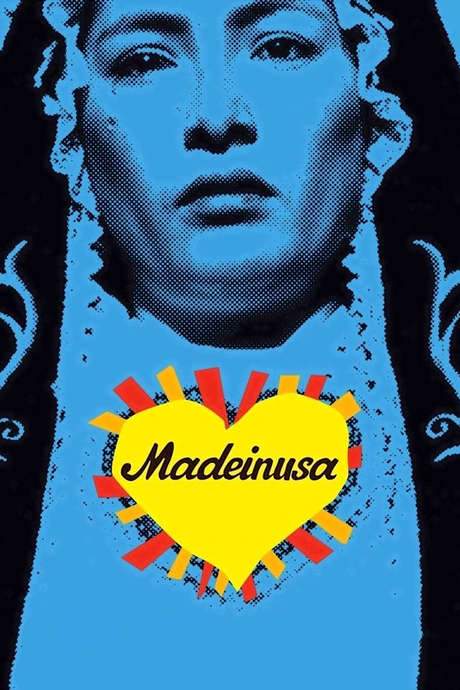
What Is Madeinusa About?
The premise of Madeinusa in 316 words, with nothing given away. The full story follows below.
In an isolated Andean village perched high in the Peruvian mountains, life is ruled by an unyielding devotion to a syncretic religious calendar. From the late afternoon of Good Friday until Easter Sunday, the community observes Tiempo Santo, a period in which the usual moral and legal constraints are believed to dissolve. The landscape—steep ridges, mist‑shrouded valleys, and weather‑worn stone houses—mirrors the paradox of an atmosphere that feels both oppressive and strangely liberating, as villagers navigate a world where the ordinary rules are temporarily suspended.
At the heart of this secluded world is Madeinusa, a teenage girl whose restless curiosity and yearning for a life beyond the mountains set her apart from the static rhythm of the village. Chosen for a symbolic role in the festival, she balances the weight of tradition with a private longing to escape toward the distant city of Lima, where her mother disappeared years before. Her relationships with family members, especially the patriarch who embodies the community’s authority, create a delicate dance of obedience and quiet rebellion.
When an outsider arrives—Salvador, a geologist sent by a mining company—he becomes an accidental witness to the village’s fragile equilibrium. His presence, marked by the language of the city and the expectations of a modern profession, clashes with the villagers’ insular customs. As the festival unfolds, the tension between his outsider perspective and the community’s inner codes hints at the transformative power of contact, while the ever‑present backdrop of the Andes underscores both isolation and possibility.
The film moves with a measured, almost ritualistic pace, its visual language drenched in the muted colors of high‑altitude life and the stark contrast of candlelit interiors. A sense of quiet dread mingles with the hopeful yearning of its young protagonist, inviting the audience to linger on the edges of belief, tradition, and the yearning for freedom that pulses just beneath the surface of an ancient, snow‑capped world.
What Happens in Madeinusa?
The complete story of Madeinusa, from the first scene to the last, in 341 words (about 1 minute). Spoilers throughout. Names in the text link to 4 cast member pages.
Spoilers ahead
Set in the fictional small and isolated indigenous village of Manayaycuna (the town no one can enter, in Quechua) in the Peruvian Andes, the story unfolds over three days in the lives of the villagers and a stranger from Lima. The stranger, Salvador, Carlos J. de la Torre is sent by a mining company to evaluate the geology of the area, but must stay in Manayaycuna over the weekend until travel can be provided. Salvador appears unwelcome as he arrives at the beginning of Tiempo Santo, a syncretic religious festival spanning Good Friday and Easter Sunday, and is sequestered in a barn by the town’s mayor, Cayo, Juan Ubaldo Huaman. The villagers believe that during Tiempo Santo, God, symbolized by an effigy of Christ, is dead and, therefore, nothing is a sin.
Cayo is the father of the eponymous protagonist Madeinusa, Magaly Solier, a teenage girl who has long been trying to take her virginity. However, Madeinusa has been able to hold him off, promising she will relent during Holy Time.
At the weekend’s start, Madeinusa is chosen as the festival’s Mater Dolorosa, a designation that upsets her sister Chale, Yiliana Chong. Madeinusa, eager to leave the village and go to Lima, where her mother left years before, becomes interested in Salvador and shares a conversation with him in the family’s barn. During the town’s night march, Madeinusa loses her virginity to Salvador. When Cayo discovers what happened, he acts with intimidation toward Salvador, though he does not physically harm him.
Later, Salvador watches through a crack in the house’s wall as Cayo has sex with Madeinusa. Madeinusa pleads with Salvador to take her with him back to Lima, against the backdrop of the high sierra Andean landscape. At the end of the film, Madeinusa slips rat poison into her father’s soup, poisoning him. The two sisters place the blame on Salvador, and the film ends with Madeinusa sitting in what would have been Salvador’s seat on the truck back to Lima, suggesting he was killed or imprisoned by the villagers.
Madeinusa Timeline: Every Key Event in Order
12 key events in the order they happen, from “Salvador arrives in Manayaycuna for Tiempo Santo” to “Blame shifts to Salvador; final image”. 12 events name a place, across 11 locations.
- 1
Salvador arrives in Manayaycuna for Tiempo Santo
Salvador arrives in the isolated Peruvian village of Manayaycuna, sent by a mining company to evaluate the geology and to remain over the weekend. The festival of Tiempo Santo frames his entry, and the villagers greet him with guarded suspicion as they begin the rites.
When:Friday, start of Tiempo Santo weekend Where:Manayaycuna
- 2
Salvador sequestered in Cayo's barn
The mayor, Cayo, confines Salvador to a barn, effectively imprisoning the outsider until travel can be arranged. The act reflects the town's control over him during the sacred weekend, even as tension rises around the festival.
When:Friday, early Where:Cayo's barn, Manayaycuna
- 3
Madeinusa is chosen Mater Dolorosa
Madeinusa is designated as Mater Dolorosa, a central festival honor that heightens her status within the community. The designation also deepens jealousy in her sister Chale and foreshadows the disruptive desires the weekend will unleash.
When:Friday evening Where:Festival site, Manayaycuna
- 4
Private talk in the barn
In the family barn, Madeinusa speaks with Salvador about her dreams of Lima and her plan to test the festival's boundaries during Holy Time. Their conversation sets up the personal stakes behind the forthcoming encounter.
When:Friday night Where:Family barn, Manayaycuna
- 5
The night march begins
The village embarks on the nighttime march as part of Tiempo Santo, a ritual that threads the community's faith with superstition. The crowd's movement creates a charged backdrop for the weekend's private acts.
When:Friday night Where:Village streets, Manayaycuna
- 6
Madeinusa loses her virginity to Salvador
During the night march, Madeinusa gives in to Salvador and loses her virginity, a public breaching of the sacred season's norms. The act becomes a focal point for the village's judgment and for Salvador's precarious position.
When:Friday night Where:Along the march route, Manayaycuna
- 7
Cayo discovers and intimidates Salvador
Cayo discovers the intimate act and confronts Salvador, using intimidation to assert his authority over the outsider. The confrontation underscores the town's ruthless control during Holy Time.
When:Shortly after the act Where:Cayo's vicinity, Manayaycuna
- 8
Salvador watches through a wall crack
Salvador watches through a crack in the wall as Cayo has sex with Madeinusa, a voyeuristic moment that reveals power dynamics and the community's complicity in the festival's moral inversions. The scene deepens the film's sense of surveillance and hypocrisy.
When:Later that night Where:House with a wall crack, Manayaycuna
- 9
Madeinusa pleads to go to Lima
After the encounters, Madeinusa pleads with Salvador to take her to Lima, expressing a longing to escape the village's constraints. The plea intensifies the tension between desire, duty, and the festival's expectations.
When:Late night Where:Indoor setting, Manayaycuna
- 10
Holy Time: God is dead, nothing is sin
During Tiempo Santo, the villagers embrace the belief that God is dead and that nothing is a sin. This inverted morality creates an atmosphere where violent and dangerous acts are more easily excused. The setting amplifies the characters' capacity for wrongdoing.
When:Tiempo Santo (Good Friday to Easter Sunday) Where:Manayaycuna
- 11
Madeinusa poisons her father
In a drastic turn of events, Madeinusa poisons her father, Cayo, by slipping rat poison into his soup. The act devastates the family and reinforces the sense that the festival's chaotic moral code has real consequences.
When:End of the weekend Where:Cayo's kitchen, Manayaycuna
- 12
Blame shifts to Salvador; final image
The sisters place the blame on Salvador for the weekend's disruptive acts, while Madeinusa sits in Salvador's imagined seat on the truck back to Lima. The final moment hints that Salvador's fate is sealed—either killed or imprisoned by the villagers.
When:Departure time, end of festival Where:Village and truck to Lima
Who Are the Main Characters in Madeinusa?
4 characters, among them Madeinusa (Magaly Solier), Cayo (Juan Ubaldo Huaman) and Salvador (Carlos J. de la Torre): who each one is and the part they play in the story. Every profile links to the actor’s page.
- M(
Madeinusa (Magaly Solier)
Played by Magaly Solier
A teenage girl constrained by patriarchal expectations who yearns to leave Manayaycuna for Lima. She is chosen as Mater Dolorosa during Tiempo Santo, a role that intensifies attention on her and tests her desires. Her interactions with Salvador reveal a mix of curiosity, resilience, and risk as she navigates power, longing, and danger.
- 🎭 Protagonist
- 🧭 Escape
- 💃 Desire
- C(
Cayo (Juan Ubaldo Huaman)
Played by Juan Ubaldo Huaman
The village mayor and paternal figure who wields controlling authority. He polices outsiders and family behavior, enforces traditional norms, and uses intimidation to maintain order. His actions illuminate the harsh patriarchal codes governing the community.
- 🏛️ Authority
- 👁️ Surveillance
- ⚖️ Patriarchy
- S(
Salvador (Carlos J. de la Torre)
Played by Carlos J. de la Torre
A mining company representative arriving as a stranger during Tiempo Santo to assess the area. He is sequestered in a barn, becoming a focal point for desire, suspicion, and blame within the village’s ritual world. His outsider status intensifies the clash between tradition and intrusion.
- 🧭 Outsider
- 🧪 Stranger
- ⚖️ Target
- C(
Chale (Yiliana Chong)
Played by Yiliana Chong
Madeinusa’s sister, who resents her sister’s spotlight and the attention it brings. She embodies the tension within the family and provides a female perspective on the town’s strict codes, offering a counterpoint to Madeinusa’s ambitions.
- 👧 Sister
- 🧭 Perspective
- 🎭 Family dynamics
Where and When Is Madeinusa Set?
Madeinusa is set in Manayaycuna (Tiempo Santo (Good Friday to Easter Sunday)). Here is why the time and place matter to the story.
When
Tiempo Santo (Good Friday to Easter Sunday)
The action unfolds over a Holy Week weekend in the Andean village. Tiempo Santo blends Catholic rituals with local beliefs, creating a window when conventional rules feel suspended. The community treats the period as a testing ground for desires, loyalties, and transgressions. The compact three-day span amplifies tensions and the consequences of each choice.
Where
Manayaycuna
Manayaycuna is a remote indigenous village high in the Peruvian Andes, cut off from outside travel and bound by tradition. The community bands together during Tiempo Santo, a festival that turns daily life into a liminal space where rules are tested. Its rugged landscape and close-knit social fabric shape every action, from gossip to punishment. The arrival of a stranger during this period unsettles the town’s careful balance.
- 🏔️ Isolated
- ❄️ Indigenous
- 🏡 Village
What Are the Themes of Madeinusa?
3 ideas the story keeps returning to, among them Transgression, Religious Syncretism and Power and Patriarchy.
-
01
Transgression
Desire, secrecy, and crossing social boundaries drive the plot. Madeinusa’s longing to escape confronts the village’s strict moral codes during the festival. Power dynamics, gender roles, and ritual expectations shape who can act, who is blamed, and who escapes scrutiny. The narrative links private longing to public judgment and consequences.
-
02
Religious Syncretism
Tiempo Santo blends Catholic imagery with indigenous beliefs, creating a paradoxical space where transgression can be navigated through ritual. The belief that God is dead during Holy Time underpins a loosened morality and shifting loyalties. Sacred symbols, like the Christ effigy, become backdrops for social negotiation and moral ambiguity.
-
03
Power and Patriarchy
Cayo embodies village authority, policing bodies and shaping outcomes to protect family honor. Madeinusa’s growing agency collides with her father’s control, while Salvador’s outsider status exposes the town’s thresholds for inclusion and punishment. The dynamic reveals how gender, status, and kinship govern blame and fate.
What Kind of Film Is Madeinusa?
Dark in tone, with steady pacing and a straightforward story, going by the plot summary.
- Tone
- Dark
- Pacing
- Steady
- Story
- Straightforward
- Intensity
- High
- Ending
- Bleak
A deeply unsettling and oppressive drama set during a sacred festival of impunity, where dark rituals and familial transgression create a claustrophobic atmosphere leading to a grim and violent conclusion.
- oppressive
- claustrophobic
- unsettling
- somber
- ritualistic
- grim
- incest
- patricide
- religious extremism
- coming of age
Content notes: incest, patricide, sexual abuse, murder.
Quiz
How well do you remember Madeinusa? Test yourself on the story.