What Is Louis van Beethoven About?
The premise of Louis van Beethoven in 340 words, with nothing given away. The full story follows below.
In the late 1700s, a restless Europe pulses with the clash of tradition and emerging ideas, and the streets of Bonn echo with the sound of a child prodigy whose fingertips seem to coax destiny from ivory keys. Louis van Beethoven embodies a fierce independence, his genius already evident even as he navigates a world that expects him to become the next great master. The film’s tone balances bright, youthful curiosity with an undercurrent of looming constraint, inviting the audience to feel the electric tension between personal expression and the rigid expectations of society.
Guided by a demanding father who envisions his son eclipsing the greats, Louis finds himself drawn into a circle of mentors, performers, and travelers. Among them, an enigmatic visitor—Wolfgang Mozart—appears, his presence sparking both admiration and a fierce desire to break free from the prescribed path. At the same time, a tender but socially forbidden affection blossoms with Eleonore von Breuning, whose kindness offers a glimpse of a life beyond the relentless pursuit of musical perfection. The atmosphere swells with period melodies played on carefully crafted replicas, immersing viewers in a soundscape that feels both authentic and timeless.
As the prodigy matures, his journey leads him northward to Vienna, the bustling heart of the Enlightenment, where he comes under the tutelage of the esteemed Joseph Haydn. Here, the narrative shifts to a more reflective cadence, hinting at the inner battles that will test his resolve—ambition, love, and the first subtle tremors of an affliction that threatens to silence his inner voice. The world around him glitters with salons, concert halls, and the hum of intellectual debate, while an inevitable melancholy whispers beneath the surface.
The film weaves a rich tapestry of sight and sound, using the resonance of period instruments to echo the protagonist’s soaring aspirations and the inevitable shadows that follow. Its mood is both intimate and grand, inviting viewers to contemplate the fragile dance between genius and vulnerability, and to wonder how far a single, rebellious spirit can carry the music of an age.
What Happens in Louis van Beethoven?
The complete story of Louis van Beethoven, from the first scene to the last, in 317 words (about 1 minute). Spoilers throughout. Names in the text link to 6 cast member pages.
Spoilers ahead
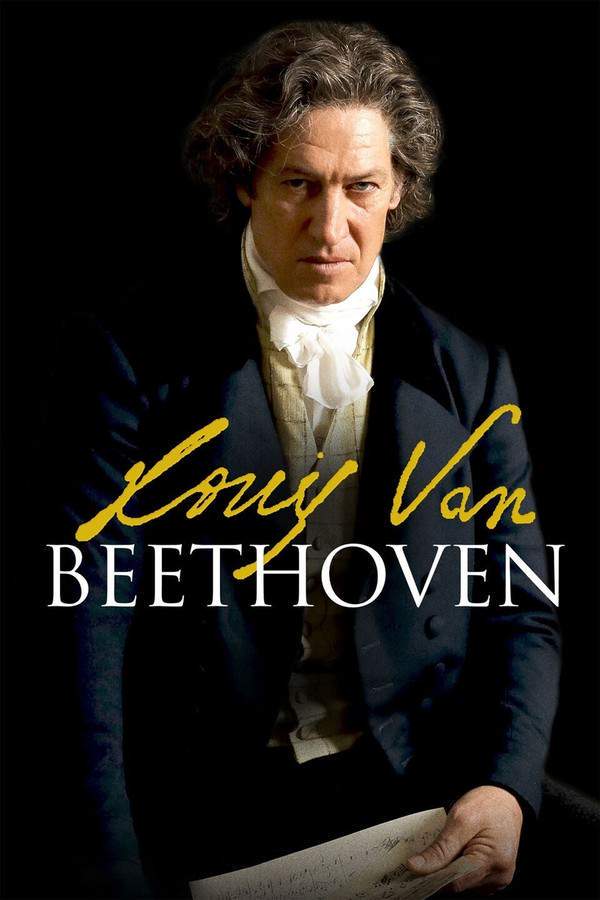
The film intricately weaves between the twilight years of Ludwig van Beethoven (portrayed by Tobias Moretti) and his formative years in Bonn. In his later life, Beethoven is depicted as having succumbed to deafness, grappling with the intense emotional turmoil surrounding him. He finds himself at the residence of his brother Johann van Beethoven (played by Cornelius Obonya) in Gneixendorf, alongside his nephew Karl (Peter Lewys Preston), who has recently attempted to take his own life. This setting creates a claustrophobic environment where Beethoven often clashes with those around him, reminding us of the turbulent backdrop that shapes his memories and reflections on his childhood.
Flashbacks transport us to Beethoven’s early years as a child (portrayed by Colin Pütz), where he emerges as a remarkable musical talent. His father embodies a relentless drive, harboring aspirations for his son to become the next Mozart. Utilizing his connections as a court singer, Ludwig’s father secures mentors and musical opportunities for him. The young composer also encounters Tobias Pfeiffer, a local actor who stays with their family, broadening his exposure to the arts.
As time progresses, Beethoven transitions into his teenage years (depicted by Anselm Bresgott), where his musical ambitions flourish, yet he is met with profound personal loss. The passing of his mother deepens his father’s despair, leading him further into the depths of alcoholism. Amidst this chaos, Ludwig also finds affection with Eleonore von Breuning (Caroline Hellwig), a relationship marked by societal barriers, as their differing social standings make their union impossible.
In a fascinating tribute to the era of Beethoven, the filmmakers opted to use replicas of period instruments crafted by modern piano maker Paul McNulty, effectively immersing the audience in the authentic soundscape of the composer’s time. This artistic choice not only enriches the auditory experience but also connects the viewers to the poignant narrative of a man whose genius transcended the trials of his life.
Louis van Beethoven Timeline: Every Key Event in Order
12 key events in the order they happen, from “Beethoven's Early Life” to “Artistic Legacy”. 10 events name a place, across 2 locations.
- 1
Beethoven's Early Life
The film opens in Bonn, where young Ludwig van Beethoven, referred to as Louis, is introduced as a musical prodigy. His father, who is a singer in the court of the Elector, has grand aspirations for him to be the next Mozart, pushing him relentlessly into the world of music.
Where:Bonn
- 2
Connections to Other Musicians
As Louis's talent grows, he comes under the guidance of various musicians due to his father's connections. This mentorship helps to shape his skills and introduces him to the vibrant musical scene of the time.
Where:Bonn
- 3
Influence of Tobias Pfeiffer
During his childhood, Louis interacts with Tobias Pfeiffer, a local actor who lodges with his family. This relationship not only provides inspiration but also highlights the cultural milieu that influences his artistic development.
Where:Bonn
- 4
Loss of Mother
As a young man, Louis faces the tragic loss of his mother, which profoundly affects his emotional state. This event triggers a downward spiral for his father as well, leading him into grief and a battle with alcoholism.
Where:Bonn
- 5
Patronage of the von Breuning Family
Following his mother’s death, Louis finds new support under the patronage of the von Breuning family. This period marks a significant step in his musical journey as he begins to establish his reputation in the community.
Where:Bonn
- 6
Forbidden Love
During his time with the von Breuning family, Louis falls deeply in love with Eleonore von Breuning. However, the societal barriers between their social classes create obstacles that prevent them from pursuing a romantic relationship.
Where:Bonn
- 7
Transition to Adulthood
As he transitions into adulthood, Louis continues to refine his craft as a composer and pianist. His life experiences during these formative years profoundly shape his music and persona.
Where:Bonn
- 8
Struggles in Later Years
The film then shifts to Louis's later years, where he is now Tobias Moretti’s portrayal of the adult Beethoven. He faces significant challenges, including his deafness, which limits his ability to perform and connect with the world around him.
Where:Gneixendorf
- 9
Visit to Johann's Home
In his declining years, Beethoven travels to the home of his brother Johann in Gneixendorf. This visit occurs amidst personal turmoil as he must confront the emotional fallout from his nephew Karl's attempted suicide.
Where:Gneixendorf
- 10
Conflict with Family
At Johann's home, Beethoven struggles to maintain relationships with those around him, often engaging in battles of will and creativity. His deafness exacerbates these tensions, complicating his interactions with family members.
Where:Gneixendorf
- 11
Reflecting on His Life
Throughout the film, Beethoven often reflects on his earlier life, interweaving his memories with the struggles of his present. These flashbacks provide viewers with insight into the experiences that shaped his genius and trial.
- 12
Artistic Legacy
The use of replicas of period instruments in the film serves to recreate the authentic atmosphere of Beethoven's era. This choice emphasizes the importance of his music and its legacy, resonating throughout the narrative.
Who Are the Main Characters in Louis van Beethoven?
4 characters, among them Ludwig van Beethoven (Erwachsen) - Tobias Moretti, Karl van Beethoven - Peter Lewys Preston and Eleonore von Breuning - Caroline Hellwig: who each one is and the part they play in the story. Every profile links to the actor’s page.
-

Ludwig van Beethoven (Erwachsen) - Tobias Moretti
Played by Tobias Moretti
As an adult, Beethoven is portrayed as a complex figure grappling with deafness and isolation. His intense passion for music is juxtaposed with the battles he faces both personally and professionally. He is depicted as a tormented genius whose struggles are as profound as his compositions.
- 🎻 Musician
- 😔 Tragic Hero
- KV
Karl van Beethoven - Peter Lewys Preston
Played by Peter Lewys Preston
Karl, Beethoven's nephew, is a troubled young man who attempts suicide, highlighting themes of mental health and familial responsibility. His interactions with Beethoven reveal a deep bond overshadowed by their shared struggles.
- 😞 Family
- 🥀 Tragedy
- EV
Eleonore von Breuning - Caroline Hellwig
Played by Caroline Hellwig
Eleonore represents the theme of forbidden love and societal pressure. Her relationship with Beethoven is fraught with tension, as their class differences impede their union. She embodies both beauty and the pain of unattainable love.
- 💔 Love
- 💎 Aristocracy
- LV
Ludwig van Beethoven (Jugendlich) - Anselm Bresgott
Played by Anselm Bresgott
In his youth, Beethoven is depicted as a musical prodigy grappling with pressure from his father and societal expectations. His early life experiences underscore the roots of his later struggles as he seeks artistic freedom.
- 🎹 Prodigy
- 📚 Growth
Where and When Is Louis van Beethoven Set?
Louis van Beethoven is set in Bonn and Gneixendorf (Late 18th - Early 19th century). Here is why the time and place matter to the story.
When
Late 18th - Early 19th century
The film spans significant moments from Beethoven's life during the late 18th to early 19th century, a period marked by profound changes in music, culture, and society. This era birthed some of the most remarkable compositions, resonating with themes of struggle and artistic genius.
Where
Bonn, Gneixendorf
Bonn, located in Germany, is known for its rich musical heritage, being the birthplace of Ludwig van Beethoven. Gneixendorf, a quiet village in Austria, served as a refuge for Beethoven during his final years, where he faced personal battles and reflections on his past.
- 🏰 Historical
- 🏡 Home
What Are the Themes of Louis van Beethoven?
3 ideas the story keeps returning to, among them Music, Love and Struggle.
-
01
Music
Music emerges as a powerful theme, reflecting Beethoven's passion and struggle. The film portrays his journey from a child prodigy to a deaf composer, highlighting the transformative power of music even amidst personal adversity.
-
02
Love
The theme of love is poignantly examined through Beethoven's unrequited affection for Eleonore von Breuning. Their relationship underscores social class struggles and the impact of family expectations on personal desires.
-
03
Struggle
Struggle is a central theme, depicted through Beethoven's battles with deafness, familial discord, and societal constraints. His relentless fight against adversity becomes a metaphor for the story of artistic creation in the face of overwhelming challenges.
What Kind of Film Is Louis van Beethoven?
Melancholic in tone, with steady pacing and a moderate story, going by the plot summary.
- Tone
- Melancholic
- Pacing
- Steady
- Story
- Moderate
- Intensity
- Medium
- Ending
- Bittersweet
A reflective and melancholic biographical drama that immerses the viewer in the turbulent life of a musical genius, capturing both the claustrophobia of his later tragedy and the resilient passion that defined his artistic legacy.
- melancholic
- reflective
- claustrophobic
- turbulent
- autumnal
- tragic
- creative genius
- artistic struggle
- overcoming disability
- generational pressure
Content notes: suicide attempt, deafness, alcoholism.
Quiz
How well do you remember Louis van Beethoven? Test yourself on the story.
Where to Watch Louis van Beethoven
Stream it on Fawesome and Kanopy, or rent or buy it from Amazon Video and Apple TV Store. US availability and prices from JustWatch.
 Fawesome
  Kanopy
  The Roku Channel
  Tubi TV
  Xumo Play




Streaming availability in the US, powered by