

Beethoven Lives Upstairs 1992

Directed by

David Devine
Made by

Beethoven Lives Upstairs Plot Summary
Read the complete plot summary and ending explained for Beethoven Lives Upstairs (1992). From turning points to emotional moments, uncover what really happened and why it matters.
Ten-year-old Christoph has just lost his father, and his Uncle Kurt, a student at the Vienna Conservatory, arranges for the legendary Ludwig van Beethoven to rent their attic room. Christoph is uneasy about a stranger moving in and is wary of Beethoven’s quirky, unpredictable behavior, which earns him teasing from the neighborhood kids. Kurt steps in to explain Beethoven’s deafness and the loneliness that comes with it, asking Christoph to give the man a chance and to look beyond the surface.
When Mother enters Beethoven’s room, the composer sits with his back to the world, drafting music on the shutters in lieu of paper. Christoph jokes about turning the shutters into collector’s items later, and his mother Fiona Reid gently asks about her own musical background. She plays Für Elise for him, and this small moment begins to reveal Beethoven’s gentler, more human side beneath the eccentricities.
Beethoven works on his Ninth Symphony in a room shared with other musicians, but his need to edit clashes with his past outbursts. He has already destroyed their pens in previous fits, forcing frantic arrangements to replace them. They rush Christoph out to buy more supplies, only to leave in a hurry and abandon him. On a walk together, Beethoven and Christoph start to bond, and the boy begins to understand the composer’s inner struggles. After overhearing Beethoven’s pain about his deafness, Christoph gives him an ear trumpet designed by his father, and Beethoven promises Christoph and his mother tickets to the premiere.
As the date of the concert approaches, Beethoven’s stress grows. Christoph enters after yet another quarrel with Sophie, the maid, and accidentally spills sheet music, drawing Beethoven’s wrath. Albert Schultz as Uncle Kurt reassures the boy that Beethoven’s tempers flare briefly and that anyone who can craft such music must possess a great heart. Later, Beethoven apologizes to Sophie and hands the tickets to Christoph and his mother, signaling a step toward reconciliation.
The concert itself is a triumph. Beethoven appears to conduct, but he cannot hear the orchestra; Kurt quietly conducts from the side to guide him. When the orchestra finishes, Beethoven is still turned toward the crowd’s thunderous applause, and Kurt and one of the singers adjust his stance so he can see the audience’s reaction.
In the wake of Beethoven’s death, Christoph reflects on the experience, recognizing that while Beethoven is gone, “his music will never die.” He recalls Becker’s belief that Beethoven “thought he could change the world with his music – maybe he will… bit by bit.” This memory holds a quiet, enduring testament to art, resilience, and the way one man’s passion can touch many lives.
Beethoven Lives Upstairs Timeline
Follow the complete movie timeline of Beethoven Lives Upstairs (1992) with every major event in chronological order. Great for understanding complex plots and story progression.
The family's loss and a new plan
Christoph, a ten-year-old boy, learns that his father has died, leaving him to cope with the loss. His Uncle Kurt, a student at the Vienna Conservatory, arranges for Ludwig van Beethoven to rent the attic room of their home. The sudden arrival of a world-famous composer unsettles Christoph and upends the family routine.
Beethoven moves in
Beethoven moves into the attic and begins to settle in. Christoph doesn't like having a stranger under his roof and is wary of the composer's eccentricities. Neighbors tease Christoph for hosting a famous musician.
First impressions
Beethoven's intense and odd behavior clashes with Christoph's orderly world. Christoph feels alienated, and the neighborhood children comment on the strange living arrangement.
A mother's music
When Christoph's mother enters Beethoven's room, he is scribbling music on shutters in place of paper. She plays Für Elise, revealing a softer, playful side to him that begins to soften Christoph's view of the stranger.
Rehearsal chaos
Beethoven works on the Ninth Symphony with other musicians in the room but has destroyed all their pens in fits. They frantically send Christoph out to buy more, but the others leave before he returns.
The walk and bond
Beethoven takes Christoph out for a walk, and the two begin to bond. Christoph starts to see things from Beethoven's perspective and sense the pain of his deafness.
The ear trumpet
Overhearing Beethoven's misery about being deaf, Christoph offers him an ear trumpet designed by his father. This small gesture marks a turning point in their relationship as trust grows.
Premiere promised
Beethoven promises tickets to the premiere for Christoph and his mother. The promise signals hope for a shared future through the concert.
Tension before the concert
As the date nears, Beethoven's temper flares in a quarrel with Sophie, the maid. Christoph accidentally spills sheet music, earning Beethoven's wrath and heightening the tension.
A mentor's reassurance
Kurt reassures Christoph that Beethoven's tempers are temporary and that someone who can write music this profoundly must have a great heart. His words help Christoph endure the pressure and understand the artist behind the habit.
Apology and tickets
Beethoven apologizes to Sophie for his earlier behavior. He then hands the tickets to Christoph and his mother, completing the arrangement for the premiere.
The triumphant concert
The concert becomes a triumph; Beethoven is effectively conducting but cannot hear the orchestra. Kurt conducts discreetly from the side while the players guide Beethoven to the moment of applause, turning him to face the audience.
Legacy beyond death
After Beethoven's death, Christoph reflects on his experiences and the power of music. He says that although Beethoven is gone, his music will never die and that Beethoven believed in changing the world bit by bit through art.
Beethoven Lives Upstairs Characters
Explore all characters from Beethoven Lives Upstairs (1992). Get detailed profiles with their roles, arcs, and key relationships explained.
Christoph (Illya Woloshyn)
A ten-year-old boy who is wary of Beethoven yet grows curious and compassionate. He starts out teased by neighbors for housing a famous stranger, but his perspective shifts as he bonds with the composer through shared music.
Beethoven (Neil Munro)
A legendary composer whose increasing deafness fuels his tempers and his intense focus on finishing the Ninth Symphony. He is wary of Christoph at first but gradually reveals a gentler side through music and mentorship.
Sophie (Sheila McCarthy)
The household maid who navigates Beethoven’s moods and keeps daily life running. She experiences tension with Beethoven but proves loyal and practical, helping Christoph and his mother when needed.
Mother (Fiona Reid)
Christoph’s mother who mediates between her son and Beethoven. She provides emotional support and helps guide her child through the lessons of the encounter with a world-renowned composer.
Uncle Kurt (Albert Schultz)
A student at the Vienna Conservatory who arranges for Beethoven to rent the attic. He acts as a bridge between generations, offering steady guidance as Christoph learns to trust the musician.
Mr. Schindler (Paul Soles)
The family’s helper who plays a smaller but supportive role in the household’s daily life and in the musical atmosphere surrounding Beethoven.
Beethoven Lives Upstairs Settings
Learn where and when Beethoven Lives Upstairs (1992) takes place. Explore the film’s settings, era, and how they shape the narrative.
Time period
Early 19th century (circa 1820s)
The events take place during Vienna's late Classical/early Romantic era, a period of intense musical innovation. Beethoven works on the Ninth Symphony while grappling with progressive deafness. The setting captures a time when composers collaborated with patrons and musicians in a bustling cultural scene.
Location
Vienna, Austria, Beethoven's attic
The film is set in Vienna, a city famous for its classical music heritage. Much of the action unfolds in Christoph's family's attic, where Beethoven rents a room and creates amidst a lively social atmosphere. Vienna is portrayed as a cultural crossroads, where grand symphonies meet everyday life.
Beethoven Lives Upstairs Themes
Discover the main themes in Beethoven Lives Upstairs (1992). Analyze the deeper meanings, emotional layers, and social commentary behind the film.
🎵
Music
Music serves as the bridge between generations and obstacles. Beethoven's creative drive and deafness test the limits of expression, yet his art persists. Christoph's empathy brings him to understand the man behind the legend, culminating in a shared concert moment. The ear trumpet symbolizes music's power to connect people who might otherwise be divided.
🤝
Bond
A tentative friendship grows between Christoph and Beethoven as trust develops. The story explores forgiveness, patience, and seeing the other side of a temperamental genius. They learn from each other and find warmth in a difficult situation. The relationship helps the family and the composer find humanity beyond reputation.
🏛️
Vienna
Vienna provides a living backdrop of conservatories, concert halls, and social life. The Vienna Conservatory scene with Kurt anchors the younger generation’s hopes, while Beethoven's presence reinforces the city’s musical tradition. The film presents Vienna as a stage for personal growth and artistic triumph. The concert finale frames the city’s enduring legacy in music.

Beethoven Lives Upstairs Spoiler-Free Summary
Discover the spoiler-free summary of Beethoven Lives Upstairs (1992). Get a concise overview without any spoilers.
In post‑Napoleonic Vienna, a grieving family seeks a fresh start after the loss of its patriarch. When Christoph’s mother rents the empty attic to a legendary yet eccentric visitor, the household’s quiet rhythm is instantly disturbed. The newcomer—none other than Ludwig van Beethoven—brings with him the clatter of an ambitious musical project and the unmistakable aura of a prodigious mind wrestling with profound silence.
The composer’s presence is both baffling and magnetic. Deaf, intensely private, and prone to sudden outbursts, he fills the cramped space with hurried sketches of a symphonic masterpiece, turning everyday objects into makeshift scores. His quirks spark gossip among neighbors and irritation from the curious boy, yet his relentless devotion to music hints at a deeper humanity lurking behind the brusque exterior. Uncle Kurt, a conservatory student, offers a gentle explanation of Beethoven’s condition, urging the young tenant to see beyond the oddities.
Against this backdrop of cramped rooms, shuttered windows, and the lingering scent of candle‑lit evenings, the film balances lighthearted family warmth with the stirring power of art. Christoph watches, hesitant at first, as melodies drift through the house, gradually transforming his perception of loss into curiosity and admiration. The story invites viewers into a world where the clash of personalities is softened by shared moments of music, promising an uplifting journey of connection without revealing the paths it will ultimately take.
Movies with Similar Twists and Themes
Uncover films that echo the narrative beats, emotional arcs, or dramatic twists of the one you're exploring. These recommendations are handpicked based on story depth, thematic resonance, and spoiler-worthy moments — perfect for fans who crave more of the same intrigue.
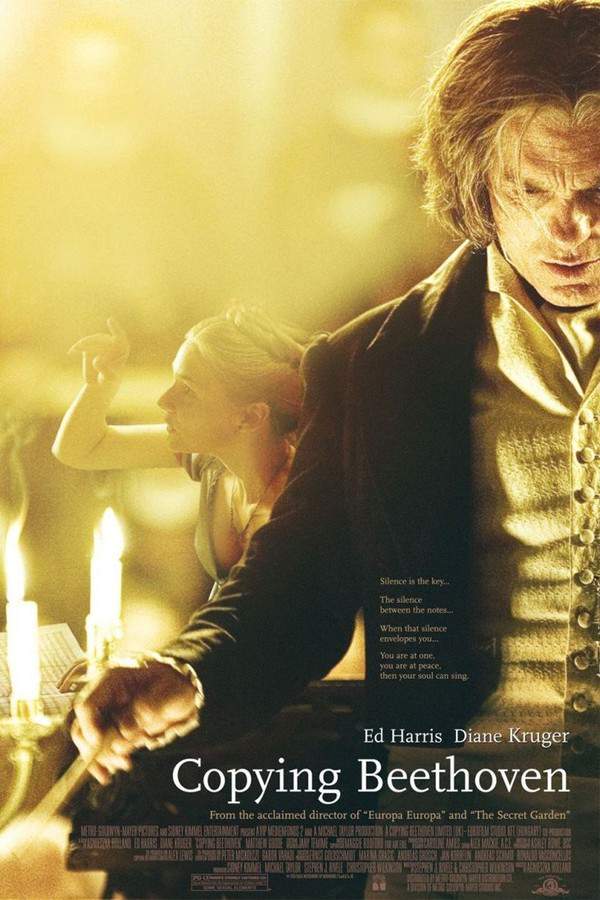



Featured on this page

What's After the Movie?
Not sure whether to stay after the credits? Find out!




Explore Our Movie Platform
New Movie Releases (2026)
Famous Movie Actors
Top Film Production Studios
Movie Plot Summaries & Endings
Major Movie Awards & Winners
Best Concert Films & Music Documentaries
Movie Collections and Curated Lists
© 2026 What's After the Movie. All rights reserved.