
Beethoven Lives Upstairs (1992): Cast & Plot
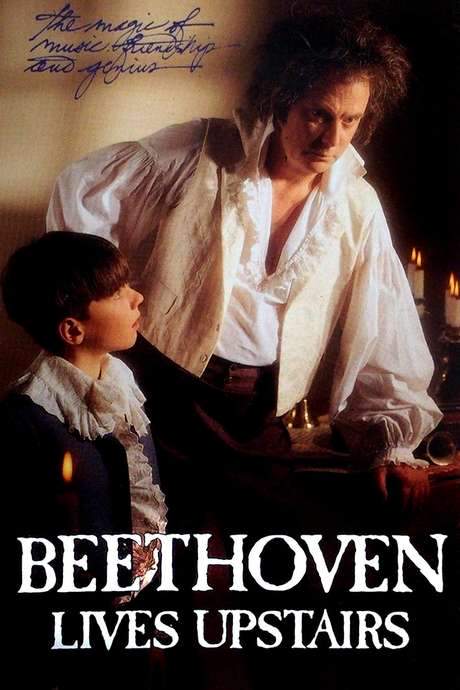
Beethoven Lives Upstairs is a 1992 fantasy drama directed by David Devine, starring Neil Munro as Ludwig Van Beethoven, Illya Woloshyn and Albert Schultz. It runs 51 minutes.
- Released
- Runtime
- 51 min
- Director
- David Devine
- Original language
-
 English
 - After the credits
- No No extra scene
What Is Beethoven Lives Upstairs About?
The premise of Beethoven Lives Upstairs without spoilers. The whole story is in the plot summary further down.
When his mother rents a vacant room to an odd, abrasive composer, young Christoph believes he’s hit hard luck. The boarder, Ludwig van Beethoven, soon begins work on his monumental Ninth Symphony, and the boy is gradually enchanted by the power and beauty of the music. This lighthearted family drama earned the 1993 Emmy for Outstanding Children’s Program.
Beethoven Lives Upstairs Themes & Keywords
· 25 tags- vienna austria
- boy
- reference to ludwig van beethoven
- composer
- regency period
- child protagonist
- childhood
- 10 year old
- mother son relationship
- irony
- deaf man
- temper
+13 more Show fewer
- handicap
- genius
- friendship
- dysfunctional family
- deafness
- coming of age
- child's point of view
- boarding house
- 19th century
- 1800s
- classical music
- independent film
- character name in title
Beethoven Lives Upstairs Cast & Characters
Neil Munro leads the cast as Ludwig Van Beethoven, with Illya Woloshyn as Christoph and Albert Schultz as Uncle Kurt. Directed by David Devine; 6 actors are credited in all.
- Director David Devine
- Neil Munro as Ludwig Van Beethoven
- Illya Woloshyn as Christoph
- Albert Schultz as Uncle Kurt
- Fiona Reid as Mother
Also Starring in Beethoven Lives Upstairs
· 2 more- Sheila McCarthy Sophie
- Paul Soles Mr. Schindler
Beethoven Lives Upstairs Plot Summary
What happens in Beethoven Lives Upstairs from start to finish, spoilers included, with a timeline of 13 key events. The opening is below; the full summary is a 2-minute read.
Spoilers ahead
Ten-year-old Christoph has just lost his father, and his Uncle Kurt, a student at the Vienna Conservatory, arranges for the legendary Ludwig van Beethoven to rent their attic room. Christoph is uneasy about a stranger moving in and is wary of Beethoven’s quirky, unpredictable behavior, which earns him teasing from the neighborhood kids. Kurt steps in to explain Beethoven’s deafness and the loneliness that comes with it, asking Christoph to give the man a chance and to look beyond the surface.
Full summary
The whole story of Beethoven Lives Upstairs, scene by scene
How Well Do You Know Beethoven Lives Upstairs?
10 questions about the story, each with a hint if you get stuck. Pick an answer to see whether you were right.
Question 1 of 10
- Question 1: not answered
- Question 2: not answered
- Question 3: not answered
- Question 4: not answered
- Question 5: not answered
- Question 6: not answered
- Question 7: not answered
- Question 8: not answered
- Question 9: not answered
- Question 10: not answered
What relation is Kurt to the ten‑year‑old boy Christoph?
Beethoven Lives Upstairs Also Known As
Also known as “贝多芬住我家楼上”.
- Also known as
-
- 贝多芬住我家楼上
Seen Beethoven Lives Upstairs?
Movies Like Beethoven Lives Upstairs
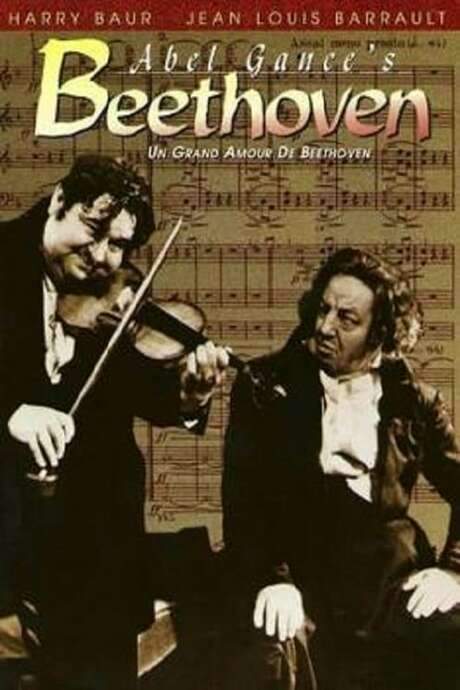
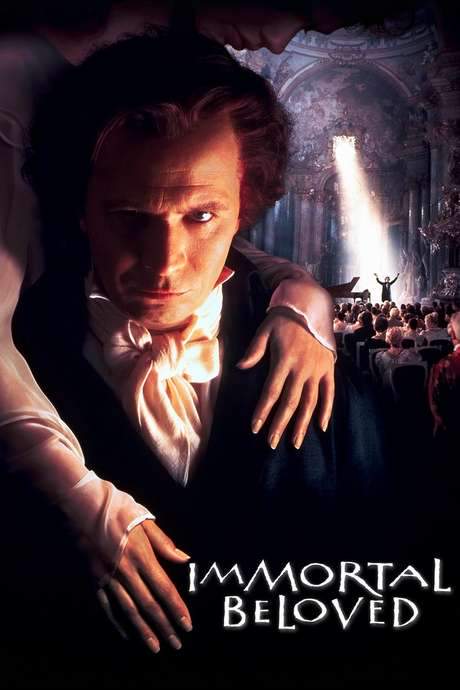
Films with a similar story, tone or audience, including Louis van Beethoven, The Life and Loves of Beethoven and Copying Beethoven.







Beethoven Lives Upstairs FAQ: Cast, Runtime & Release Date
Runtime, release date, director, cast and post-credit scenes of Beethoven Lives Upstairs, each answered in a sentence.
How long is Beethoven Lives Upstairs?
Beethoven Lives Upstairs runs 51 minutes.
When was Beethoven Lives Upstairs released?
Beethoven Lives Upstairs was released on September 30, 1992.
Who directed Beethoven Lives Upstairs?
Beethoven Lives Upstairs was directed by David Devine.
More films by David Devine Who is in the cast of Beethoven Lives Upstairs?
Beethoven Lives Upstairs stars Neil Munro as Ludwig Van Beethoven, Illya Woloshyn as Christoph and Albert Schultz as Uncle Kurt, among 6 credited actors.
Does Beethoven Lives Upstairs have a post-credit scene?
No. Beethoven Lives Upstairs has no extra scene during or after the credits.
Coming soon to your phone
The Plot Explained Movie Summary App
From blockbusters to hidden gems: plot summaries, endings explained and timelines on your phone. Save your favorites and never miss a twist again.
Be the first to know when it launches. Your email stays private, always. Learn more about the app
