Immortal Beloved 1994


The film follows composer Ludwig van Beethoven, chronicling his brilliant career and the torment of progressive hearing loss. After his 1827 death, his secretary Schindler hunts the woman named in the composer’s love letters as his “immortal beloved.” Flashbacks trace Beethoven’s shift from ardent youth to tormented musical genius.


Does Immortal Beloved have end credit scenes?
No!
Immortal Beloved does not have end credit scenes. You can leave when the credits roll.
Meet the Full Cast and Actors of Immortal Beloved
Explore the complete cast of Immortal Beloved, including both lead and supporting actors. Learn who plays each character, discover their past roles and achievements, and find out what makes this ensemble cast stand out in the world of film and television.

Gary Oldman
Ludwig van Beethoven

Valeria Golino
Giulietta Guicciardi

Jeroen Krabbé
Anton Felix Schindler

Michael Culkin
Jakob Hotscevar

Miriam Margolyes
Nanette Streicherová

Isabella Rossellini
Anna Marie Erdödy

Barry Humphries
Clemens Metternich

Marco Hofschneider
Karl van Beethoven
Johanna ter Steege
Johanna Reiss
Claudia Solti
Theresa von Brunsvik
Gerard Horan
Nikolaus Johann van Beethoven
Geno Lechner
Josephine von Brunsvik
Christopher Fulford
Kaspar Anton Carl van Beethoven
Jan Kuželka
Country policeman
Marek Vašut
Custody policeman
Barbora Srncová
Erdödy's servant
Luigi Diberti
Franz Josef Guicciardi
Sandra Voe
Marie Fröhlich
Leo Faulkner
Young Ludwig van Beethoven
Fintan McKeown
Johann van Beethoven, Sr
Rory Edwards
Wenzel Robert von Gallenberg
Bruce Davey
Artillery Captain
Alexandra Pigg
Therese Obermeyer
Donal Gibson
Karl Holz
Hugo Kaminský
Magistrate
Gordon Lovitt
Metternich's flunky
Hannes Flaschberger
Joseph Deym
Anna Kolínská
Fritzi Erdödy
Josef Kolínský
August Erdödy
Matthew North
Young Karl van Beethoven
Jindra Petráková
Lilo Braun
Everton Nelson
George Bridgetower
Arna Mohelská
Suzanna Guicciardi
Stanislav Behal
Ignaz Schuppanzigh
Stepan Hlatky
Zoltan
Johan Kolinsky
August Erdödy
External Links and Streaming Options
Discover where to watch Immortal Beloved online, including streaming platforms, rental options, and official sources. Compare reviews, ratings, and in-depth movie information across sites like IMDb, TMDb, Wikipedia or Rotten Tomatoes.







Take the Ultimate Immortal Beloved Movie Quiz
Challenge your knowledge of Immortal Beloved with this fun and interactive movie quiz. Test yourself on key plot points, iconic characters, hidden details, and memorable moments to see how well you really know the film.
Immortal Beloved (1994) Quiz: A ten‑question quiz that tests your knowledge of the film *Immortal Beloved*, its characters, cast, and key plot details.
Who portrays Ludwig van Beethoven in the film?
Full Plot Summary and Ending Explained for Immortal Beloved
Read the complete plot summary of Immortal Beloved, including all major events, twists, and the full ending explained in detail. Explore key characters, themes, hidden meanings, and everything you need to understand the story from beginning to end.
When Ludwig van Beethoven, Gary Oldman, dies, his assistant and close friend Schindler Jeroen Krabbé embarks on a quiet, methodical quest to uncover the identity of his mysterious “immortal beloved,” a nameless woman mentioned in one of Beethoven’s letters. The task unfolds like a careful excavation, each clue a doorway to a different chapter in the composer’s life, and the film moves through time with a patient, almost reverent pace that allows the emotional resonance of each revelation to settle.
Schindler’s first stop is with Giulietta Guicciardi, Valeria Golino, a former piano student who carried a youthful, forbidden love for Beethoven. In a series of evocative flashbacks, we glimpse how her father’s disapproval shadowed their bond and how Beethoven, still in his prime, proposed to her. He invites her and her father to witness a new pianoforte performance, as a test to prove he can still command the instrument. The moment of reckoning comes when Beethoven discovers them hiding nearby, and the trust between them fractures in a surge of anger and hurt. He cuts ties with Giulietta and storms away, only to realize, later, that his sense of betrayal runs deeper than she understands—he is deaf, a truth that reverberates through every scene of their encounter.
Next, Schindler travels to the memory of Anna-Marie Erdödy, Isabella Rossellini. Anna-Marie welcomed Beethoven into her home after a performance where the audience mocked him, exposing the raw nerve of his deafness. In the wake of tragedy—her young son’s death during Napoleon’s assault on Vienna—Beethoven offers a fragile comfort and an aching tenderness blooms into a complicated love affair. Yet Anna-Marie remains reticent to name herself as his immortal beloved, leaving a delicate ache to linger over their time together and the unspoken depths that survive their parting.
As Schindler follows the thread of Beethoven’s personal life, the film threads back to Beethoven’s own family history. He explores the tense and controversial marriage of his brother to Johanna Reiss, the daughter of a prosperous upholsterer, a union Beethoven publicly opposes. When his brother dies, Beethoven wins custody of his nephew Karl, a decision that shapes the rest of his life. Schindler’s discoveries reveal Beethoven’s unwavering faith in Karl’s future as a composer, a belief that is tested by the boy’s own growing pains and wounds. Karl, a teenager who spends hours at the piano, squeezes out a quiet defiance as his uncle’s expectations press down on him. Beethoven’s ambition for a prodigious heir collides with Karl’s fear and reluctance, and the teenager ultimately attempts to escape the weight of his uncle’s dream, surviving and insisting he never wants to see him again.
The investigation intensifies as Schindler learns that the woman Beethoven loved most may indeed have been Johanna Reiss. The revelation is layered and painful: Karl is revealed to be Beethoven’s son, conceived before Johanna’s marriage, not merely a nephew, a truth that reshapes every earlier recollection. The two lovers had hoped to elope, but circumstances kept them apart. Beethoven’s fervent letter to the “immortal beloved” was meant for Johanna, a letter she never received, a detail that casts their years of silence in a new, stark light. Johanna’s life moves on, and she ultimately marries Beethoven’s brother, yet the film hints at a slow, evolving forgiveness that only surfaces at the very end.
In a poignant late turning of the tale, Schindler finally presents Johanna with the letter that names the Immortal Beloved. Reading it, she discovers the nuanced, imperfect truth of the man she once loved, and the heartbreak that each missed moment had caused. The film closes on a quiet, contemplative note: Johanna visits Beethoven’s grave, bearing the weight of memory and reconciliation, while Schindler’s pursuit of the mystery—his fidelity to a friend and to the music that defined him—reaches its solemn, satisfying resolution.
This character-driven portrait uses intimate vignettes and stark emotional clarity to map the tangled web of love, family obligation, and artistic devotion that surrounded Beethoven. It favors mood and memory over grand declarations, inviting viewers to feel the gravity of each choice and the enduring power of music to endure beyond fame, through the quiet ache of loss, and the patient, sometimes painful, search for truth.

Coming soon on iOS and Android
The Plot Explained Mobile App
From blockbusters to hidden gems — dive into movie stories anytime, anywhere. Save your favorites, discover plots faster, and never miss a twist again.
Sign up to be the first to know when we launch. Your email stays private — always.
Explore the mobile appWatch Trailers, Clips & Behind-the-Scenes for Immortal Beloved
Watch official trailers, exclusive clips, cast interviews, and behind-the-scenes footage from Immortal Beloved. Dive deeper into the making of the film, its standout moments, and key production insights.
Immortal Beloved Themes and Keywords
Discover the central themes, ideas, and keywords that define the movie’s story, tone, and message. Analyze the film’s deeper meanings, genre influences, and recurring concepts.
Immortal Beloved Other Names and Titles
Explore the various alternative titles, translations, and other names used for Immortal Beloved across different regions and languages. Understand how the film is marketed and recognized worldwide.
Similar Movies To Immortal Beloved You Should Know About
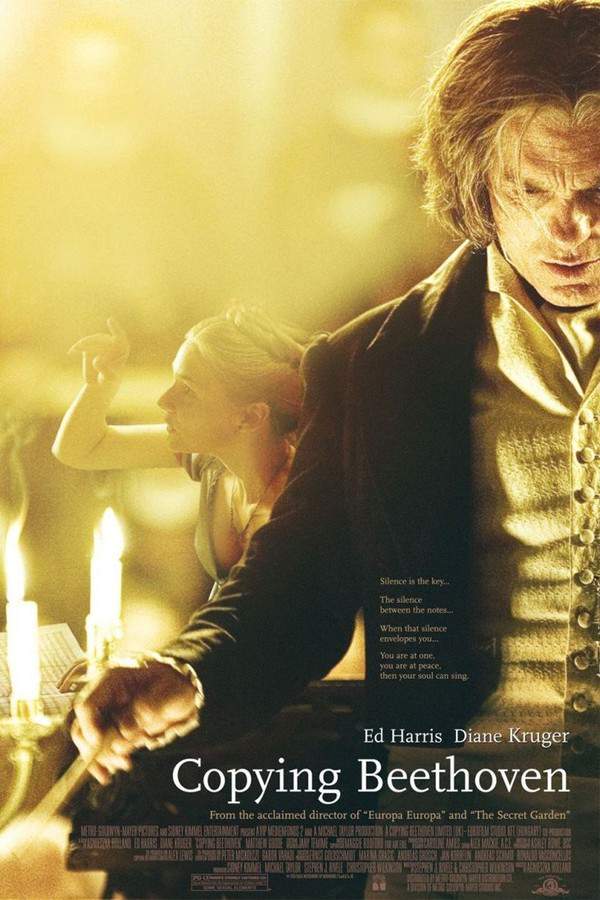
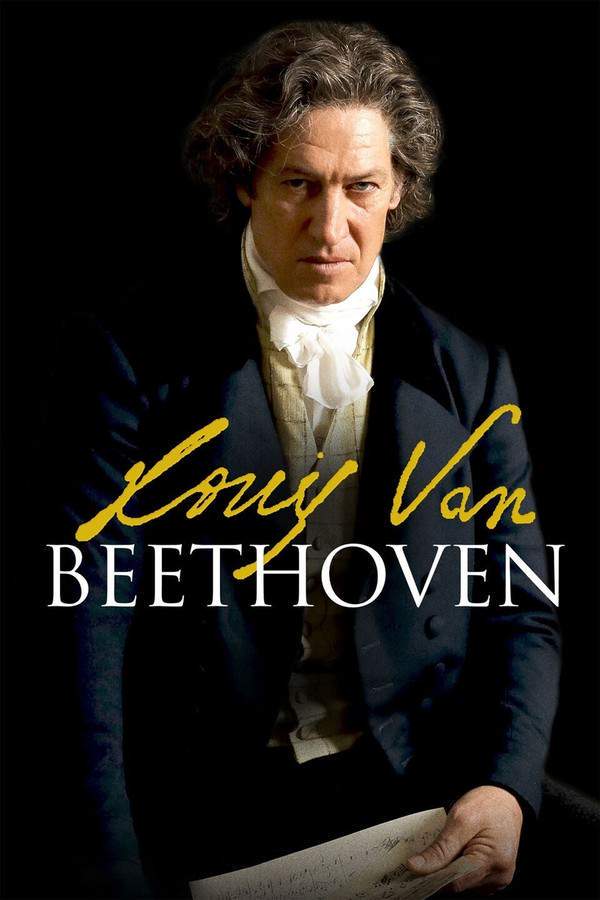
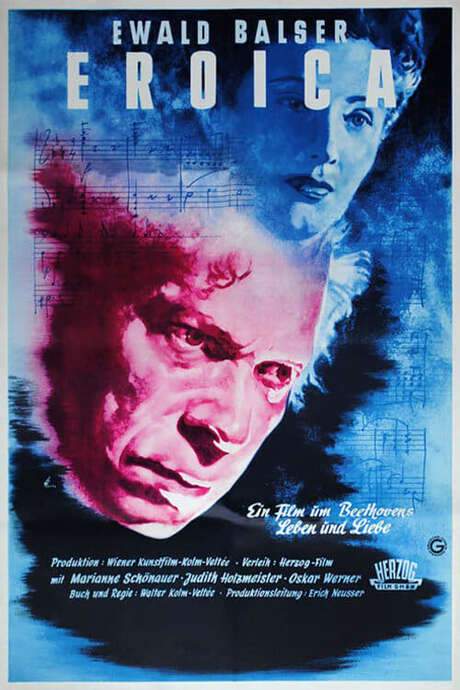
Browse a curated list of movies similar in genre, tone, characters, or story structure. Discover new titles like the one you're watching, perfect for fans of related plots, vibes, or cinematic styles.



Quick Links: Summary, Cast, Ratings, More

What's After the Movie?
Not sure whether to stay after the credits? Find out!
Check out our other apps:

SAT Sphere
Build confidence for the Digital SAT.

Mori Atlas
Discover wild places worth protecting.

Luntero
Search smarter for a home in Amsterdam.

Plot Explained
Unravel movie endings and hidden clues.

Pokechamp
Dive into Pokémon data and battle logic.

Driving Theory
Get ready for your European theory test.

Movie Dust
Plan your next cinema trip with ease.

Musemap
Find art and culture as you travel.

Selkobase
Compare credentials before committing.

Local Manual
Turn an unfamiliar country into practical next steps.

Lernavi
Compare school systems before your next move.

GymRoam
Find a workout stop wherever your plans take you.
Explore Our Movie Platform
New Movie Releases (2026)
Famous Movie Actors
Top Film Production Studios
Movie Plot Summaries & Endings
Major Movie Awards & Winners
Best Concert Films & Music Documentaries
Movie Collections and Curated Lists
© 2026 What's After the Movie. All rights reserved.
Privacy Policy