What Is Lost Command About?
The premise of Lost Command in 320 words, with nothing given away. The full story follows below.
In the smoky heat of 1950s Algeria, a French army still haunted by the defeat in Indochina seeks to reassert its authority amid a tangled web of rebellion and political intrigue. The landscape is a stark mix of desert outposts, bustling towns and lingering colonial grandeur, all underscored by an uneasy tension that makes every encounter feel like the first shot of an unseen battle. The film moves with a measured, almost journalistic rhythm, letting the sweltering atmosphere and the clatter of boots on sand set the tone for a story about duty, honor and the costs of ambition.
At the heart of this world stands Lt. Col. Pierre Raspeguy, a battle‑scarred officer who has survived the horrors of a Vietnamese prison camp. His reputation for steadfast leadership earns him a second chance: a command in Algeria that comes with a tantalizing promise—a marriage to the elegant Countess Nathalie if he can rise to the rank of general. This personal wager shadows his every decision, turning his professional quest into something more intimate and fraught with expectation.
Joining him are two very different companions. Captain Esclavier is a veteran whose long service has left him weary of war’s endless cycles, his eyes reflecting both cynicism and a lingering compassion. In contrast, Captain Boisfeuras brings fervent zeal, a belief in the mission that borders on fanaticism, and an uncompromising drive to mold the ragged soldiers into a disciplined fighting force. Their clashing attitudes create a volatile mix of mentorship, rivalry and reluctant respect, setting the stage for a unit whose cohesion will be tested as much by internal dynamics as by the external conflict.
Together, these men must navigate a colonial battlefield where loyalty is mutable and the line between conqueror and occupied blurs. The film’s mood is gritty and contemplative, inviting the audience to feel the weight of command and the echo of promises made in the relentless desert wind.
What Happens in Lost Command?
The complete story of Lost Command, from the first scene to the last, in 491 words (about 2 minutes). Spoilers throughout.
Spoilers ahead
In the final moments of the 1954 Battle of Dien Bien Phu, a battered French battalion braces for a last, brutal assault by Việt Minh troops. The battalion commander, Lt. Col. Pierre-Noël Raspéguy, [Anthony Quinn], has pleaded for reinforcements from central headquarters, but the dispatch arrives as a single plane load of paratroopers led by Major de Clairefons. Despite Raspéguy’s best efforts to shield his men with covering fire, the winged reinforcements are slaughtered on impact, and Major de Clairefons is killed when his parachute drags him into a minefield. Raspéguy seethes at what he sees as a deliberate effort by General Melies, [Jean Servais], to shift responsibility for the defeat onto him, a suspicion that only grows as the Việt Minh overrun the French positions. Surviving soldiers are taken prisoner, and among Raspéguy’s circle of comrades are Captain Phillipe Esclavier, [Alain Delon], Captain Boisfeures, [Maurice Ronet], surgeon Captain Dia, [Gordon Heath], and Lt. Ben Mahidi, [George Segal], an Algerian-born paratrooper who refuses a Việt Minh offer for preferential treatment because he is an Arab. In captivity, Raspéguy’s steady leadership keeps the group intact.
When a treaty finally frees them, Raspéguy leads his freed men in destroying a delousing station they view as an emblem of humiliation. Back home in Algeria, Ben Mahidi recoils at the relentless mistreatment of his people; his teenage brother is machine-gunned by police for spray-painting pro-independence slogans. Mahidi deserts from the French army to join the FLN rebels and rises as a guerrilla leader, his resolve sharpened by personal loss and political outrage. On his return from Indochina, Lt. Col. Raspéguy begins a complicated relationship with Countess Nathalie de Clairefons, [Michèle Morgan], widow of the Major who had died while trying to reinforce his battalion. The Countess’ military connections help him win a new command: the 10th Regiment of Parachutistes Coloniaux, serving under General Melies. He is warned that this assignment is his last chance to salvage a stalled career, and he quickly gathers his Indochina comrades to train the battalion with unforgiving rigor, even using live ammunition on an assault course to foster speed and initiative.
As counter-insurgency operations unfold in both crowded streets and rural outlands, Captain Phillipe Esclavier, [Alain Delon], falls in love with Aicha, [Claudia Cardinale], a woman loyal to the FLN who uses their bond to smuggle detonators. Esclavier’s perspective begins to tilt as the rebels and the French troops push the boundaries of war, clashing over rules and humanity. Meanwhile, Raspéguy’s loyalties blur as his old comrades drift toward sympathy with the FLN, and he ultimately turns on them. Though he is still addressed as Lt. Col. and wears that rank, he is publicly styled as General as his unit is celebrated with a medal and a unit citation. Outside the ceremony, Esclavier—now out of the army and disillusioned—watches a child painting a pro-independence slogan on the wall and the moment feels quietly triumphant for a different kind of future.
Lost Command Timeline: Every Key Event in Order
12 key events in the order they happen, from “Defeat at Dien Bien Phu and last assault” to “Esclavier’s grim amusement at the wall”. 12 events name a place, across 5 locations.
- 1
Defeat at Dien Bien Phu and last assault
In the final hours of the 1954 battle, a battered French battalion braces for a last push by Việt Minh forces. An exhausted defense falters as Headquarters sends only a single plane of paratroopers, who are slaughtered on landing. Major de Clairefons is killed when his parachute drags him into a minefield, leaving Lt. Col. Raspéguy furious at the strategic decisions behind the operation.
When:1954 Where:Dien Bien Phu, Vietnam
- 2
Overrun and captivity
The Việt Minh overrun the French position and the survivors are captured and imprisoned. Raspéguy's leadership helps keep the men together in captivity, sustaining morale under harsh conditions. The collapse at Dien Bien Phu sets the stage for postwar recriminations and reflections on the battle.
When:1954 Where:Dien Bien Phu, Vietnam
- 3
Release and delousing station demolition
After a treaty, the prisoners are released and return home. Raspéguy leads the men to demolish a delousing station, which they perceive as a humiliating symbol of the war. The act becomes a cathartic assertion of dignity in the wake of captivity.
When:1954-1955 Where:Vietnam (post-Dien Bien Phu)
- 4
Return to Algeria and Mahidi deserts
Back in Algeria, Ben Mahidi is disgusted by the harsh treatment of his people. His teenaged brother is machine gunned by police for graffiti supporting independence, pushing Mahidi to desert the army. He joins the FLN and rises as a guerrilla leader fighting colonial rule.
When:mid-1950s Where:Algeria
- 5
Romance with Countess Nathalie
Upon returning from Indochina, Raspéguy begins a relationship with Countess Nathalie de Clairefons, widow of the Major who died trying to reinforce his battalion. The romance introduces him to influential military contacts. Her influence helps propel his later command in the Algerian War.
When:late 1950s Where:France
- 6
Assuming command in the Algerian War
Using his new connections, Raspéguy is given command of the 10th Regiment of Parachutistes Coloniaux, serving under General Melies. The assignment is framed as his last chance to salvage his career if the unit falters. The stakes heighten as counter-insurgency operations begin in urban and rural Algeria.
When:late 1950s Where:Algeria
- 7
Harsh training and live ammunition
Raspéguy recruits his Indochina comrades and harshly trains the battalion, using live ammunition on assault courses to push speed and initiative. The brutal regimen cements discipline but also strains loyalties. The tense environment foreshadows the morally gray conduct to come.
When:late 1950s Where:Algeria
- 8
Love and smuggling detonators
Esclavier falls in love with Aicha, Mahidi's sister who is loyal to the FLN. Her friendship with Esclavier is used to smuggle detonators, showing how personal relationships intertwine with political loyalties. Esclavier begins to reassess his country’s conduct as both sides push the limits of war.
When:late 1950s Where:Algeria
- 9
Rules of war strained by both sides
As the conflict intensifies, FLN rebels and French paratroopers jockey to outdo each other, testing the boundaries of the laws of war. Esclavier’s naivety gives way to a harsher view of the conflict. The fighting spreads through both urban and rural environments.
When:late 1950s Where:Algeria
- 10
Raspéguy turns on his old comrades
Raspéguy increasingly distances himself from any comrades who sympathize with the FLN. He asserts his authority, wearing Lt. Col ranks while being addressed as General, signaling his firmer grip on command. The moral divide within the regiment deepens as loyalties fracture.
When:late 1950s Where:Algeria
- 11
Medal and unit citation
In the film’s final moments, Raspéguy receives a medal as his regiment is presented with a unit citation. The ceremony marks a symbolic vindication of his leadership amidst controversial actions. The crowd’s reactions hint at the unresolved tensions of the era.
When:late 1950s Where:Algeria
- 12
Esclavier’s grim amusement at the wall
Outside the compound, Esclavier, having left the army in disgust, watches a child paint a pro-independence slogan on the wall and laughs grimly. The image underscores the irreconcilable views that persist after years of conflict. The scene closes the narrative on a note of conflicted legacy.
When:late 1950s Where:Outside the compound, Algeria
Who Are the Main Characters in Lost Command?
6 characters, among them Captain Phillipe Esclavier (Alain Delon), Lt. Ben Mahidi (George Segal) and Lt. Col. Pierre Raspeguy (Anthony Quinn): who each one is and the part they play in the story. Every profile links to the actor’s page.
-

Captain Phillipe Esclavier (Alain Delon)
Played by Alain Delon
A military historian turned paratrooper who leads with intelligence and empathy. His view of the conflict shifts as he witnesses brutal tactics and the FLN's resolve, prompting reflection on France’s conduct in Indochina and Algeria. He falls for Aisha, complicating his loyalties and deepening his disillusionment with war.
- 🛡️ Duty
- ❤️ Love
- 🧭 Intellect
-

Lt. Ben Mahidi (George Segal)
Played by George Segal
An Algerian-born paratrooper who deserts to join the FLN, torn between military service and a people's fight for independence. He becomes a guerrilla leader, driven by injustice and the desire for freedom. His arc explores identity, loyalty, and the transformation from soldier to rebel.
- 🕊️ Rebel
- 🏳️ Identity
- 🗡️ Loyalty
-
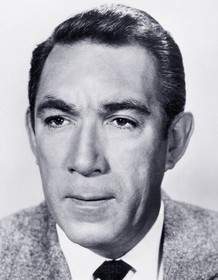
Lt. Col. Pierre Raspeguy (Anthony Quinn)
Played by Anthony Quinn
A bold, pressured commander whose career hinges on the success of a new regiment. He embodies the demands of counter-insurgency and wrestles with responsibility for a faltering operation. His arc mixes honor with harsh pragmatism as the mission unravels.
- 🛡️ Authority
- ⚔️ Pragmatism
-

Gen. Melies (Jean Servais)
Played by Jean Servais
A high-ranking officer who shapes the battalion's fate through decisive, sometimes brusque oversight. His reluctance to reinforce the troops becomes a focal point of strategic misjudgment. He personifies the froid calculus of command.
- 🏛️ Authority
- 🧭 Strategy
-

Aisha (Claudia Cardinale)
Played by Claudia Cardinale
Aisha is loyal to the FLN and uses her influence to aid the rebels, including smuggling detonators. Her actions underscore the blurred lines between ally and adversary and position her as a bridge between two worlds. Her relationship with Esclavier adds personal risk to the political clash.
- 🕊️ Rebel Ally
- ❤️ Love
- 🗝️ Secrets
-

Countess Nathalie de Clairefons (Michèle Morgan)
Played by Michèle Morgan
Widow of the Major who died during reinforcement, she leverages her social connections to influence events and navigate the intertwining of aristocratic power with wartime politics. Her presence highlights the role of personal networks in a sea of strategic decisions.
- 🏰 Elite
- 🧭 Influence
Where and When Is Lost Command Set?
Lost Command is set in Dien Bien Phu (Indochina) and Algeria (1954–1962). Here is why the time and place matter to the story.
When
1954–1962
The story begins with the 1954 battle at Dien Bien Phu and extends into the late 1950s and early 1960s during the Algerian War of Independence. It covers the waning years of French Indochina and the rise of nationalist movements in Algeria. The timeline underscores a pivotal period of decolonization and geopolitical shift in the region.
Where
Dien Bien Phu (Indochina), Algeria
The narrative spans the siege of Dien Bien Phu in Indochina and the subsequent Algerian War, placing the French forces in two major colonial theaters. It highlights the brutal realities of counter-insurgency and the strain of maintaining an empire abroad. The settings illustrate a transition from imperial warfare to a struggle for independence across continents.
- 🗺️ Indochina
- ⚔️ War drama
- 🕊️ Decolonization
What Are the Themes of Lost Command?
4 ideas the story keeps returning to, among them Leadership, Moral Ambiguity and Decolonization.
-
01
Leadership
Raspéguy's command under dwindling reinforcements and mounting pressure tests his resolve and strategic judgment. He balances discipline with concern for his men's welfare as the situation deteriorates. The film shows how leadership shapes morale and loyalty under extreme stress.
-
02
Moral Ambiguity
The conflict blurs the lines of engagement as both sides bend rules to win. Esclavier’s evolving conscience reflects the cost of war on individual morality. The narrative probes loyalty, duty, and the ethical trade-offs of command.
-
03
Decolonization
Indochina’s loss foreshadows Algeria’s struggle for independence, revealing how empires shrink in the face of rising nationalism. Characters negotiate power, control, and mercy within a changing geopolitical landscape. The conflict becomes a crucible for identity and self-determination.
-
04
Forbidden Love
Aisha and Esclavier’s bond crosses military and ideological lines, challenging their loyalties. Love complicates duty as personal feelings clash with political aims. The romance exposes how intimate connections can alter decisions and moral judgments in war.
What Kind of Film Is Lost Command?
Tense in tone, with fast pacing and a moderate story, going by the plot summary.
- Tone
- Tense
- Pacing
- Fast
- Story
- Moderate
- Intensity
- High
- Ending
- Bittersweet
A grim and intense war film that follows disillusioned soldiers through brutal conflicts, creating a heavy, morally complex atmosphere of betrayal and lost ideals.
- grim
- tense
- disillusioned
- heavy
- brutal
- somber
- war tragedy
- moral ambiguity
- colonial conflict
- loyalty and betrayal
Content notes: war violence, death of a sibling, torture implied, political execution, military brutality.
Quiz
How well do you remember Lost Command? Test yourself on the story.