

Mark Robson: Movies, Awards & Box Office
- films
- 32
- as director
- 29
- on screen
- 1943–2018
- box office
- $79.7M
- nominations
- 2
- average score
- 88
- Born
- December 31, 1913
- Birthplace
- Toronto, Ontario, Canada
- Citizenship
- Canadian, American
- Occupations
- film director, film producer
- Years active
- 1935-1978
Mark Robson's Career in Numbers
Mark Robson's films in numbers — as a director, not counting appearances as themselves: when they were made, the genres Mark Robson works in most and the milestones along the way. The filmography runs from The Ghost Ship (1943) to Avalanche Express (1979), and the 1950s were the busiest decade.
Mark Robson Movies by Decade
- 1940s 9
- 1950s 12
- 1960s 8
- 1970s 2
The 1950s were Mark Robson's busiest decade, with 12 films.
Mark Robson Movies by Genre
- Drama 10
- Thriller 4
- Romance 4
- War 3
- Mystery 2
- Action 1
- Documentary 1
- History 1
- Comedy 1
- Adventure 1
Drama is the genre Mark Robson has worked in most, with 10 films, ahead of thriller (4).
Mark Robson Career Milestones
- First film
- The Ghost Ship 1943
- Biggest box office hit
- Earthquake $79.7M worldwide
- Newest film
- Avalanche Express 1979
Mark Robson Filmography: Every Movie
Every film Mark Robson is credited on, newest first, with the role, the box office and the Movie Echo Score. 29 as director and 2 as actor. Rated films average a score of 88. Re-order the list to see the best-rated films or the biggest hits first.
Movies Directed by Mark Robson
29- 1979
 Avalanche Express Thriller
 - 1974
 Earthquake Action Worldwide box office: $79.7M
 - 1967
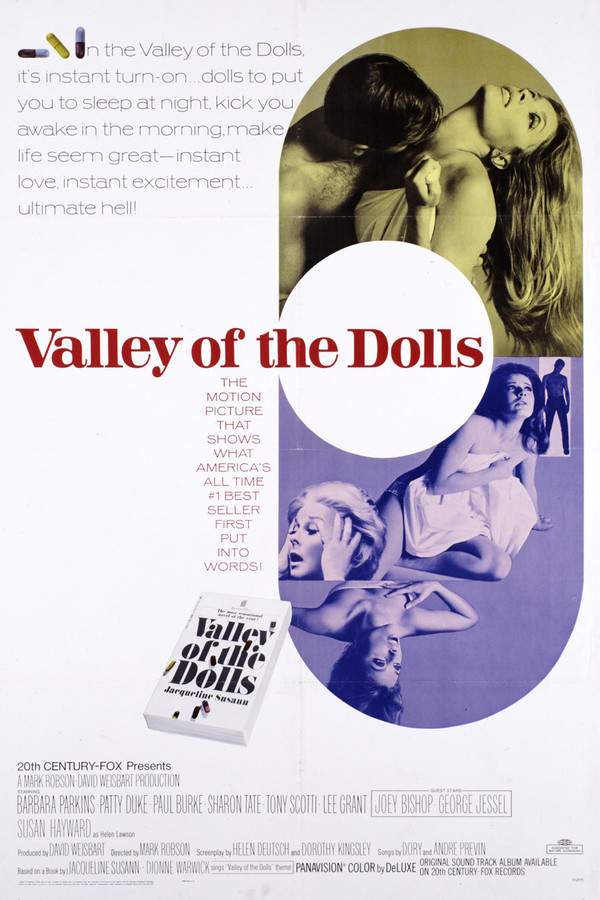 Valley of the Dolls Drama
 - 1966
 Lost Command War
 - 1965
 Von Ryan’s Express Thriller
 - 1963
 The Prize Mystery
 - 1963
 Nine Hours to Rama History
 - 1960
 From the Terrace Romance
 - 1958
 The Inn of the Sixth Happiness Drama
 - 1957
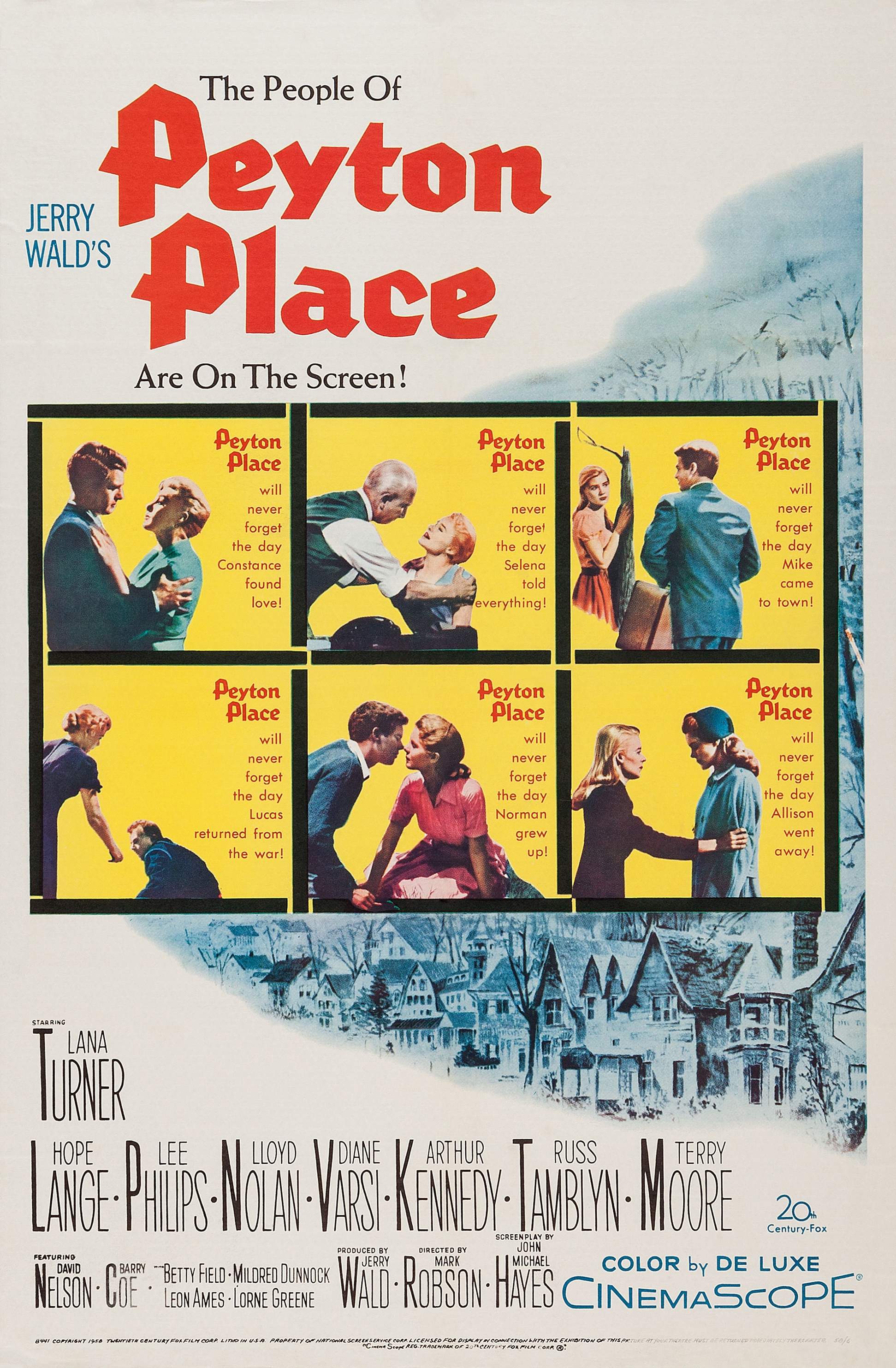 Peyton Place Drama
 - 1957
 The Little Hut Comedy
 - 1956
 The Harder They Fall Drama
 - 1955
 A Prize of Gold Drama
 - 1954
 The Bridges at Toko-Ri War Worldwide box office: $12.6K
 - 1954
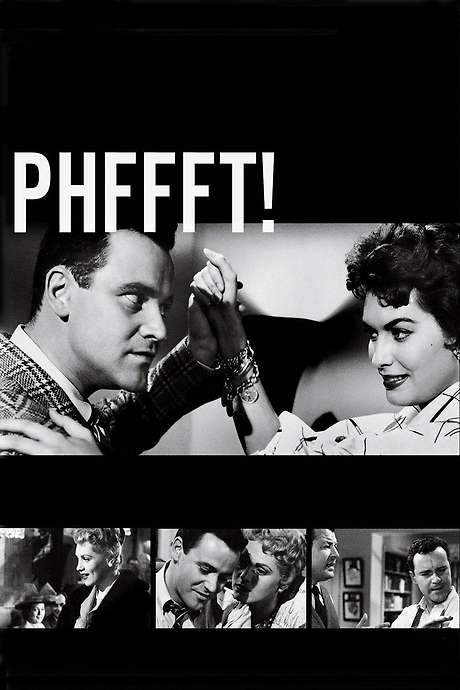 Phffft Romance
 - 1954
 Hell Below Zero Adventure
 - 1953
 Return to Paradise Drama
 - 1951
 I Want You Drama
 - 1951
 Bright Victory Romance
 - 1950
 Edge of Doom Crime
 - 1949
 My Foolish Heart Romance
 - 1949
 Home of the Brave War
 - 1949
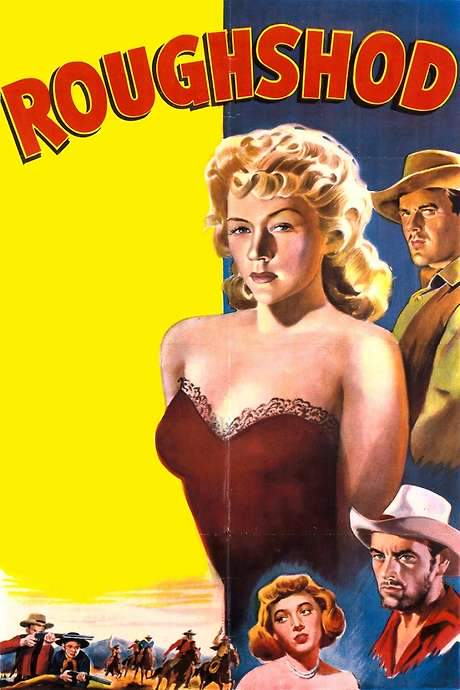 Roughshod Western
 - 1949
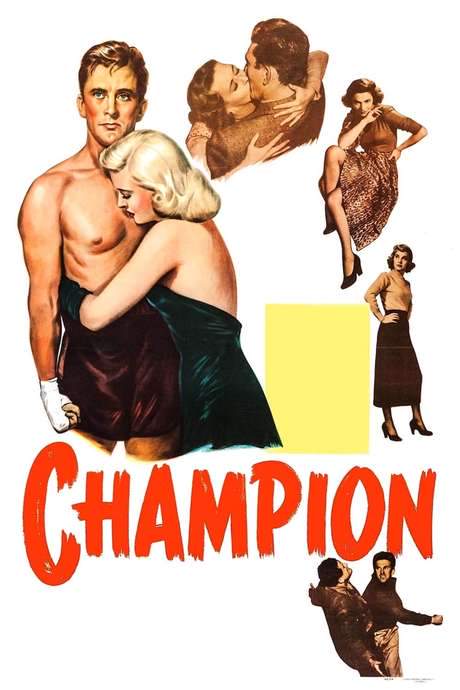 Champion Drama
 - 1946
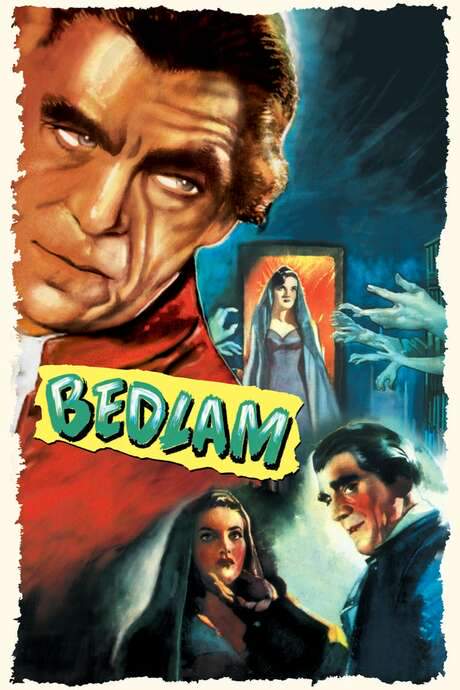 Bedlam Thriller
 - 1945
 Isle of the Dead Horror
 - 1944
 Youth Runs Wild Drama
 - 1943
 The Ghost Ship Thriller
 - 1943
 The Seventh Victim Mystery
Mark Robson Movies as an Actor
2

Mark Robson in Documentaries & Specials
1
Mark Robson: Awards & Nominations
2 nominations across 2 award bodies, from 1957 to 1958. Every ceremony is listed newest first, with the category and the film.
-
 Oscars 1 nomination
 -
 DGA Awards 1 nomination
- The 30th Academy Awards
- Mark Robson: Nominated Best Director Peyton Place
- 10th Directors Guild of America Awards
- Mark Robson: Nominated Outstanding Directing – Feature Film Peyton Place
Who Is Mark Robson?
Mark Robson was born in Toronto, Ontario, Canada in 1913. Credited on films since 1943, as a director. The background, training and the roles that shaped the career.
Mark Robson (December 31, 1913 – October 13, 1978) was a Canadian‑American film director and producer whose career spanned over four decades, leaving an indelible mark on mid‑century Hollywood. Born in Toronto, Ontario, Canada, Robson moved to the United States in the early 1930s, where he quickly rose through the ranks at RKO Pictures as an assistant director, learning the craft from luminaries such as Alfred Hitchcock and George Stevens. By the mid‑1940s he was trusted with his own projects, delivering stylish, atmospheric noirs like The Seventh Victim (1943) and the taut crime drama Champion (1949), both of which showcased his flair for visual tension and psychological depth.
His versatility became evident as he shifted between genres, directing the ambitious historical epic The Robe (1953) – one of the first widescreen Technicolor productions – and later the critically acclaimed drama Peyton Place (1957), which earned multiple Academy Award nominations and demonstrated his skill in adapting complex source material for the screen.
In the 1960s Robson embraced the era’s appetite for large‑scale spectacles, producing and directing films such as The Flight of the Phoenix (1965) and the landmark disaster movie Earthquake (1974), the latter featuring groundbreaking Sensurround technology that immersed audiences in seismic thrills.
Beyond his cinematic achievements, Robson was known for his collaborative spirit, fostering strong relationships with actors like Kirk Douglas, Mia Farrow, and James Caan, and mentoring emerging talent within the studio system.
Throughout his career he navigated the shifting tides of Hollywood, moving from the studio‑controlled system of the 1940s to the more director‑driven productions of the 1970s, always maintaining a reputation for professionalism, efficiency, and a keen eye for visual storytelling.
Robson’s legacy endures in the diverse body of work he left behind, a testament to his adaptability and artistic vision that continues to influence contemporary filmmakers.
Who Mark Robson Makes Movies With
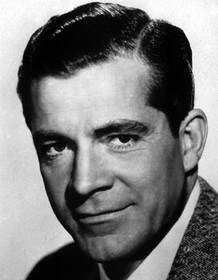
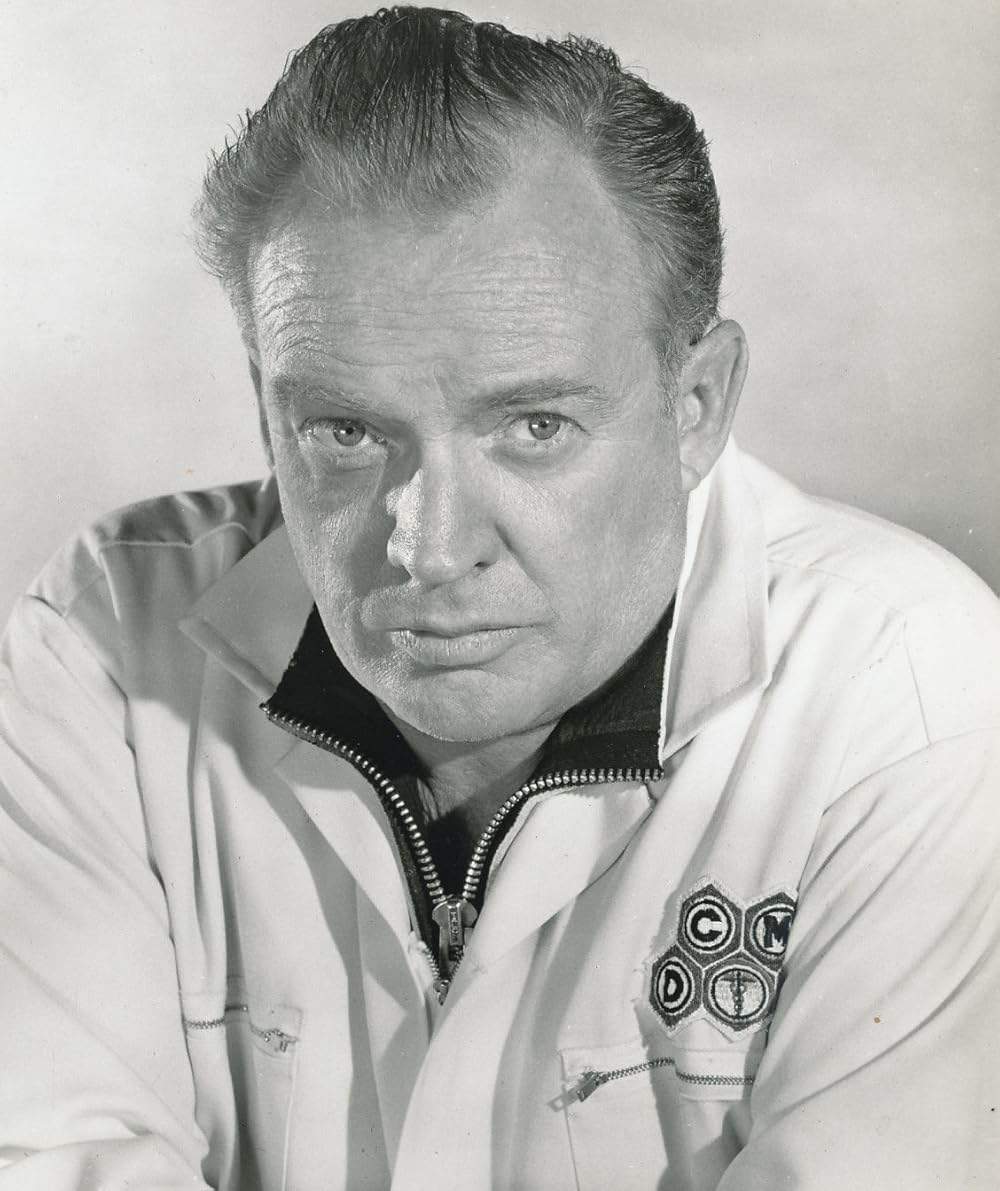
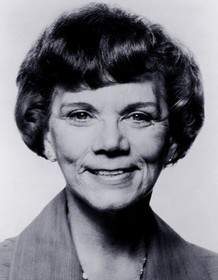
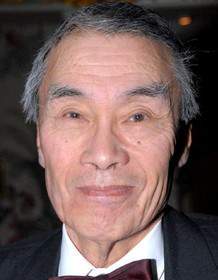
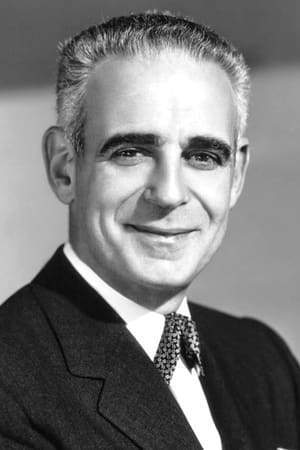
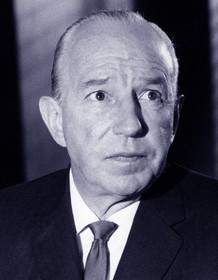
The actors and directors Mark Robson shares the most films with. Dana Andrews comes first, with 3 films together, followed by Arthur Kennedy (3).

Mark Robson: Questions & Answers
How many movies Mark Robson has made, the biggest hit, the best-rated film, the award record and more, answered from the filmography above.
How many movies has Mark Robson been in?
Mark Robson is credited on 32 films, from 1943 to 2018. 2 of them as an actor and 29 as a director. The filmography on this page lists every one of them, newest first, with the role and the Movie Echo Score.
What is Mark Robson's highest-grossing movie?
Earthquake (1974) is Mark Robson's biggest box office hit, with $79.7M worldwide, ahead of Bobby Robson: More Than a Manager (2018) ($33.4K). Across every film with box office figures, Mark Robson's movies have made $79.7M.
Mark Robson's biggest hits What is the best Mark Robson movie?
By the Movie Echo Score, which blends critic reviews, audience ratings and lasting impact, Mark Robson's best-rated film is Bobby Robson: More Than a Manager (2018) with a score of 88.
Best Mark Robson movies, ranked Has Mark Robson won an Oscar?
Mark Robson has been nominated for an Oscar but has not won one yet. Across every ceremony in the awards database, Mark Robson has 0 wins from 2 nominations.
What is Mark Robson's newest movie?
The most recent film on Mark Robson's filmography is Bobby Robson: More Than a Manager (2018), in the role of Self.
Who does Mark Robson work with most often?
Mark Robson shares the most films with Dana Andrews (3 films), Arthur Kennedy (3 films) and Ava Gardner (2 films).
The Best Mark Robson Movies, Ranked
Top rated, most awarded and biggest box office hits from 32 directing credits.
Coming soon to your phone
The Plot Explained Movie Summary App
From blockbusters to hidden gems: plot summaries, endings explained and timelines on your phone. Save your favorites and never miss a twist again.
Be the first to know when it launches. Your email stays private, always. Learn more about the app
