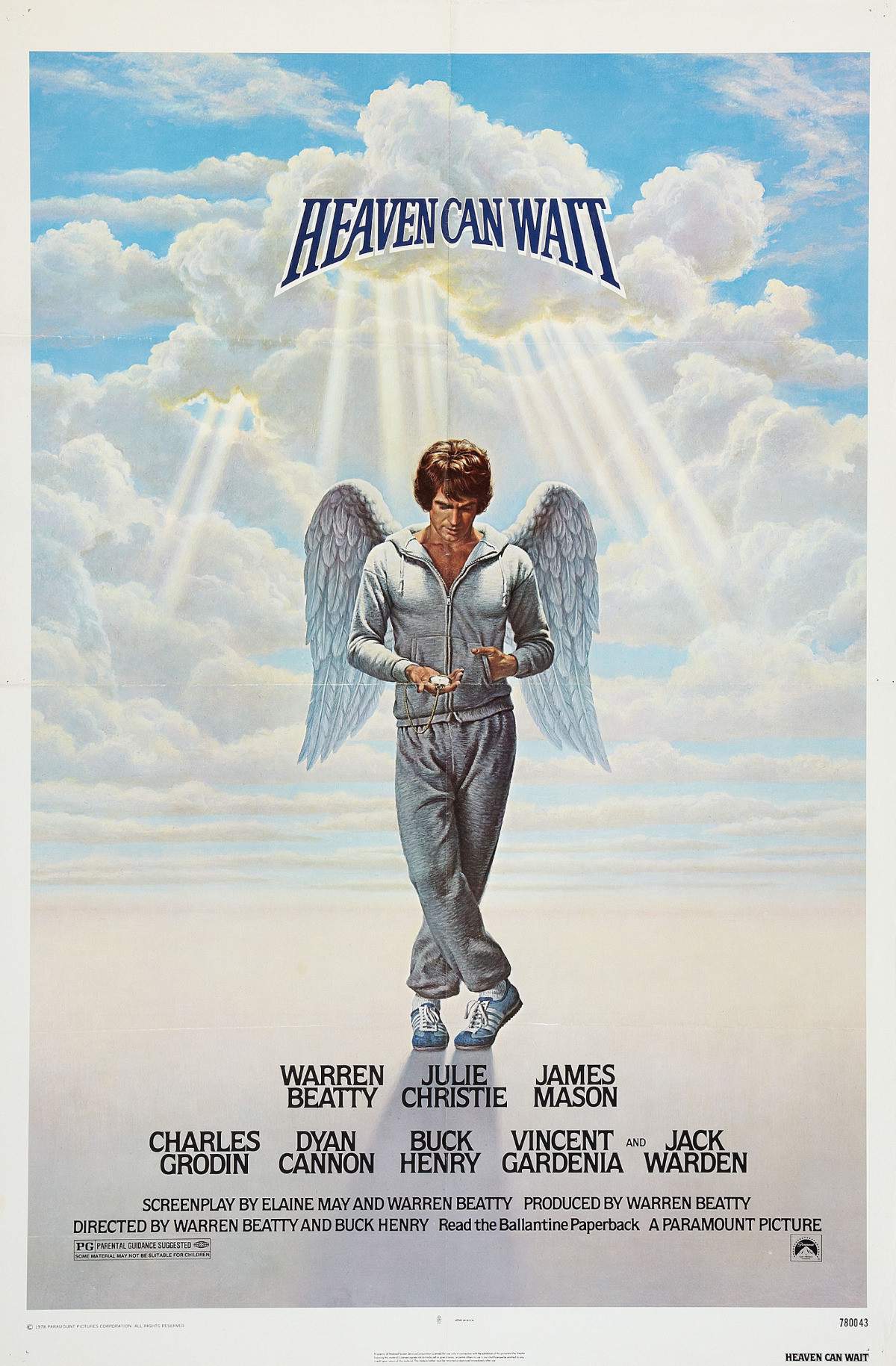
What Is Heaven Can Wait About?
The premise of Heaven Can Wait in 339 words, with nothing given away. The full story follows below.
In a spacious, gilded hall that serves as the after‑life’s reception area, an elderly man steps forward to request entry. The atmosphere is both formal and otherworldly, with a stern, impeccably dressed figure known only as His Excellency presiding over the threshold. The man, convinced that his life of indulgence has earned him a place among the condemned, is met with a skeptical gaze that suggests the verdict will not be so simple. He begins a measured, almost courtroom‑like review of the choices that defined him, hoping some higher authority will weigh his story fairly.
Henry Van Cleve is a product of old‑money Manhattan, raised in a household where appearances and obligations dominate. From a young age he learns to balance a creed of love, honor, and obedience with a restless appetite for pleasure and status. His world is one of glittering parties, elegant social circles, and the constant pressure of family expectations. Central to his narrative is a long‑standing marriage to Martha, a partnership that has endured decades and carried the weight of both affection and societal scrutiny, as well as a fleeting moment that threatens to upend his self‑image.
The film’s tone weaves witty introspection with a gentle, satirical edge, treating the protagonist’s confession as both personal catharsis and a broader commentary on the American elite’s moral compass. Dialogue is laced with charm and understated irony, and the visual style mirrors the opulence of Henry’s past while hinting at the stark, timeless nature of judgment beyond the grave. Through his candid recollections, the audience is invited to contemplate how love, ambition, and occasional transgression shape a life that now stands before an ambiguous, almost bureaucratic after‑life.
As the conversation unfolds, the central tension rests on whether a man who has lived with such fervor and contradiction can find a place of peace—or be relegated to a still‑unknown “other place.” The film leaves the answer hanging in the balance, encouraging viewers to mull over the elusive criteria of forgiveness and belonging that sit just beyond the gilded doors.
What Happens in Heaven Can Wait?
The complete story of Heaven Can Wait, from the first scene to the last, in 947 words (about 4 minutes). Spoilers throughout. Names in the text link to 8 cast member pages.
Spoilers ahead
An aged Henry Van Cleve Don Ameche enters the opulent reception area of the afterlife, a grand hall where many souls have been told to go, and is personally greeted by a stern figure known as His Excellency. He asks to be admitted, fully aware of the life he has led, and begins to tell the story that might justify his place beyond the doors. The tale unfolds with a calm, candid voice, turning a private life into a public verdict as if the very act of recounting could tilt the scales of judgment in his favor.
Born in Manhattan on October 25, 1872, Henry is the spoiled only child of Randolph Van Cleve Louis Calhern and Bertha Van Cleve Spring Byington. From the start, the family atmosphere is all about appearances and rules, but Henry’s grandfather Hugo Van Cleve Charles Coburn, a self-made millionaire, sees through the pretenses and tries to understand the young man beneath the surface. The contrast between the old man’s shrewd practicality and the parents’ conventional expectations sets the stage for Henry’s oscillation between charm and recklessness. The world around him feels too small for his appetites, and the lure of showgirls and bright lights only heightens his sense of entitlement and danger.
As a youth, Henry grows into an idle, pleasure-loving figure who tests boundaries with a mixture of roguish wit and genuine charm. He encounters a mysterious, captivating woman in a moment of everyday luck—an ordinary phone call on a public line reveals a more extraordinary possibility. He follows the woman into a Brentano’s bookstore, improvising as an employee to get closer, and discovers she is already engaged to someone else. That woman turns out to be Martha Strabel Van Cleve Gene Tierney, the daughter of the feuding Strabel family. Martha’s first arrival into his life is marked by a reckless impulse, and Henry’s audacity clashes with the realities of family honor. Martha’s cousin Albert Van Cleve Allyn Joslyn has proposed to her as well, and the pair’s burgeoning romance culminates in a bold elopement engineered by Henry, much to the shock of the Strables and the larger family circle. Yet Grandpa Hugo Van Cleve’s quiet approval suggests a path to legitimacy even in the face of scandal.
The plan succeeds in more ways than one: Henry and Martha marry and become the proud parents of a son, a bright new life that momentarily seems to redeem their earlier transgressions. The marriage endures for a decade, but the surface happiness cracks when Martha confronts rumors of Henry’s ongoing dalliances. Henry, with a blend of stubborn pride and gallant stubbornness, follows her to the Strabel home, where the couple is confronted with the family’s disapproval. He pleads for forgiveness, and in a dramatic moment, convinces her to elope a second time, a decision that Grandpa Van Cleve greets with a wry, knowing smile. The family dynamic—Martha’s defiance, Henry’s charm, and Hugo’s quiet support—has altered but not ended the tension between desire and duty.
Fifteen years pass, and Henry’s life takes another turn when he meets Peggy Nash Helene Reynolds in her dressing room just before a performance. Peggy is a chorus girl with a keen eye for the complexities of love and loyalty, and she becomes entangled in a plan that touches the next generation of the Van Cleves. Henry’s attempt to steer his son Jack Van Cleve Tod Andrews away from Peggy reveals the layered web of affection, obligation, and rupture that threads through the family. When Peggy learns Henry’s true identity, a price is exacted—$25,000, a staggering sum in today’s terms—an act that further complicates the already delicate balance between love and duty. Jack, who ultimately seems relieved to be freed from a burden he did not seek, walks away from Peggy with a cool pragmatism that echoes the film’s broader meditation on happiness, forgiveness, and the true cost of keeping appearances.
Martha dies not long after their twenty-fifth anniversary, leaving Henry to navigate a social life that creeps back into his routine with a resurgent ease and a renewed sense of independence. He carries on with the same poise that has defined so much of his life, entertaining and socializing with an ease that would have once scandalized his younger self. On October 26, 1942, the day after his seventy-second birthday, Henry dies while under the care of a nurse, his passing marked by a dreamlike premonition of a nurse’s visit and the soft, almost ceremonial exit that seems to predict the afterlife’s verdict.
After Henry’s long confession, His Excellency renders a final, somber judgment: he is denied entry to the seats reserved for the righteous and the reconciled. Instead, he is urged to seek the “other place,” a hint that Martha and his grandfather Hugo Van Cleve wait in a different corner of existence for him, perhaps in a small room vacant in the annex. The film closes on this ambiguous note, leaving viewers with a lingering sense of life’s moral ambiguity—how a person’s choices, even those made with love and wit, ripple outward and shape what comes after.
What unfolds is a meticulously crafted blend of wit, sentiment, and sly social satire. The storytelling voice remains steady and humane, never demonizing Henry for his flaws, yet never excusing them entirely either. The film invites audiences to reflect on the pleasures and temptations of youth, the pressures of family reputation, and the paradoxical hope that forgiveness and belonging might exist beyond the gates we all imagine as final. Through Henry’s reminiscence, the viewer is given a portrait of a man who lived boldly, loved deeply, and learned, perhaps too late, what it would mean to truly belong.
Heaven Can Wait Timeline: Every Key Event in Order
12 key events in the order they happen, from “Arrival before His Excellency” to “Judgement and invitation to the other place”. 12 events name a place, across 12 locations.
- 1
Arrival before His Excellency
An aged Henry Van Cleve arrives at the opulent afterlife reception area, certain he does not belong. He is personally greeted by His Excellency and asked to explain his life. To determine his worthiness, Henry begins telling the story of his dissolute years.
Where:The afterlife reception area
- 2
Birth and family
Henry is born in Manhattan on October 25, 1872, the spoiled only child of Randolph and Bertha. His paternal grandmother is doting, while his grandfather Hugo Van Cleve understands him better than most. The family dynamics set the stage for Henry's charm and restlessness.
When:1872-10-25 Where:Manhattan
- 3
Upbringing and appetite for showgirls
Growing up in privilege, Henry remains somewhat idle and enamored of attractive showgirls. His naive yet worldly family circle shapes his view of romance and risk. This upbringing seeds the impulse he will follow for years to come.
When:late 19th century Where:Manhattan/Home
- 4
Public telephone encounter
Henry overhears a beautiful woman lying to her mother on a public telephone and tailors his actions to follow her into Brentano's bookstore. He pretends to be an employee to get closer, only to discover she is already engaged. When the deception is revealed, she departs, leaving Henry intrigued by what he has glimpsed.
When:late 19th century Where:Brentano's bookstore
- 5
Martha revealed
Cousin Albert introduces Martha, whom Henry discovers is the mystery woman. Martha is the fiancée of Albert and entangled with her feuding parents, the Strables. Henry convinces her to elope with him, shocking the family, but Grandpa Van Cleve supports them and they are eventually welcomed back.
When:late 19th century Where:Family circle / Strable house
- 6
Marriage and fatherhood
Henry and Martha marry and soon become proud parents of a son. Their union enjoys moments of happiness but is tested by Henry's appetite for other women. The early years of their marriage are marked by public scrutiny and private desire.
When:early 20th century Where:Home
- 7
Tenth anniversary crisis
On the eve of their tenth anniversary, Martha suspects Henry's ongoing dalliances and returns to her parents. Henry and Grandpa follow, and Henry secretly visits the Strable house to beg forgiveness and urges Martha to elope again, a reconciliation that delights Grandpa Van Cleve.
When:on the eve of their 10th anniversary Where:Strable house
- 8
Fifteen years later and Peggy Nash
Fifteen years after the elopement, Henry meets chorus girl Peggy Nash in her dressing room. His meeting with her appears to be an attempt to push her away from his son Jack, but Peggy uncovers Henry's true identity and he buys her silence for $25,000.
When:circa 1910s-1920s Where:Peggy Nash's dressing room
- 9
Jack's relief
Jack reveals that he was glad to have Peggy leave so easily, indicating a pragmatic attitude toward his father's indiscretions. The younger generation treats Henry's lifestyle with a wry, amused detachment.
When:circa after Peggy event Where:Jack's social circle
- 10
Martha's death
Martha dies shortly after their 25th anniversary, ending the marriage's long arc of romance and scandal. Henry resumes an active social life, much to the amusement of his son and peers.
When:circa 1920s-1930s Where:Family home
- 11
Final years and death
On October 26, 1942, the day after his 70th birthday, Henry dies under the care of a beautiful nurse. A dream had portended this moment, underscoring the fate and the frame of the story.
When:1942-10-26 Where:Henry's home
- 12
Judgement and invitation to the other place
After hearing Henry's story, His Excellency denies him entry and suggests he try the 'other place'. Martha and Henry's grandfather wait there, hinting that a small room vacant in the annex might finally be ready for him.
When:post-death Where:Gates of the afterlife
Who Are the Main Characters in Heaven Can Wait?
8 characters, among them Henry Van Cleve (Don Ameche), Martha Strabel Van Cleve and Hugo Van Cleve: who each one is and the part they play in the story. 7 of them link to the actor’s page.
-
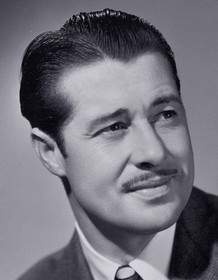
Henry Van Cleve (Don Ameche)
Played by Don Ameche
The spoiled, wealthy heir who narrates his own dissolute life. He is witty, self-justifying, and relentlessly self-centered, yet the story reveals his capacity for charm and tenderness toward his family. His behavior fuels a lifelong tension between desire, propriety, and responsibility.
- 💎 Aristocrat
- 😏 Charm
- 💔 Morally flawed
- MS
Martha Strabel Van Cleve
Played by Gene Tierney
Henry's wife, descended from the feuding Strabels. Her marriage to Henry begins with romance but is strained by his infidelities, leading to separations and reconciliations. She embodies the moral center of the family and the consequences of Henry's actions.
- 💍 Partner
- 🧭 Moral center
- 👩👧 Family
- HV
Hugo Van Cleve
Played by Charles Coburn
Henry's grandfather, a self-made businessman who understands Henry better than his parents. He represents practical wisdom and generosity within a volatile family dynamic. His presence anchors the story's critique of wealth and lineage.
- 🏛️ Patriarch
- 🧠 Wise
- 💬 Advisor
-

Bertha Van Cleve
Played by Spring Byington
Henry's naive and status-conscious mother, part of the upper-crust milieu that shapes Henry's early life. Her behavior reflects the protective yet controlling nature of wealthy parenting in the era.
- 🎀 Matriarch
- 🏰 Wealthy
- 👒 Social expectations
- PN
Peggy Nash
Played by Helene Reynolds
A chorus girl whom Henry tries to manage or buy off, reflecting his willingness to distance himself from his own family’s concerns by controlling ventures outside marriage. Her presence underscores the theme of money influencing romance.
- 🎭 Entertainer
- 💵 Financial leverage
- 🧭 Social catalyst
- JV
Jack Van Cleve
Played by Tod Andrews
Henry and Martha's son, a young man navigating relationships of his own, including dating Peggy. His perspective provides a lens on how the previous generation's choices echo into the next.
- 👦 Heir
- 🕊️ Romance
- 🧭 Legacy
- Y(
Yvette ("Mademoiselle")
Played by Signe Hasso
A mysterious showgirl encountered early in Henry's life, representing the allure and danger of glamour outside conventional marriage. Her encounter foreshadows Henry's ongoing entanglements.
- 💃 Enchantress
- 🕶️ Temptation
- ✨ Glamour
- MS
Martha Strabel Van Cleve (young/family dynamics)
A younger portrayal of Martha within the family critique, showing the interplay between personal independence and societal pressures. Her evolving relationship with Henry highlights the arc from elopement to reconciliation and loss.
- 👩👧 Family
- 💞 Romance
- 🧭 Morality
Where and When Is Heaven Can Wait Set?
Heaven Can Wait is set in New York City, Manhattan (Brentano's bookstore), Strable House, Kansas City and… (1870s–1940s). Here is why the time and place matter to the story.
When
1870s–1940s
The arc begins with Henry's birth in 1872 and covers the late 19th century through the early 20th century, highlighting gilded-age manners and social expectations. It moves through decades of evolving social norms, elopements, and family drama, ending in 1942 with Henry's death. The period encompasses the tail end of the Gilded Age, the Roaring Twenties, and the World War II era, all seen through a personal, ceremonial lens.
Where
New York City, Manhattan (Brentano's bookstore), Strable House, Kansas City, Afterlife reception area
The story unfolds primarily in New York City's high-society circles, anchored by Manhattan's affluent milieu. Key locations include the Brentano's bookstore where Henry pursues his mystery woman, and the Strable family estate where social life and family estrangement collide. The narrative later touches on Kansas City as Martha contemplates life with Henry, and culminates in a surreal afterlife reception area, hinting at a final, annex-like resting place.
- 🗺️ Urban setting
- 👑 Upper-class society
- 🕰️ Historical era
What Are the Themes of Heaven Can Wait?
3 ideas the story keeps returning to, among them Romance & Infidelity, Wealth & Social Class and Afterlife & Judgment.
-
01
Romance & Infidelity
Henry's love life drives much of the plot, from a first, reckless attraction to Martha to later affairs that threaten his marriage. The tension between desire and duty tests loyalties within a wealthy, judgment-happy circle. The story uses humor and pathos to question whether romantic entanglements can be reconciled with a moral life.
-
02
Wealth & Social Class
Raised in privilege, Henry navigates the expectations of old-money society and its insistence on appearances. The Strable family dynamic and social rituals shape decisions, marriages, and reputations, illustrating how money and status constrain personal freedom. The plot critiques aristocratic vanity while revealing the comforts it affords.
-
03
Afterlife & Judgment
The narrative pivots when Henry seeks admission to the afterlife, facing a stern, otherworldly examiner. The encounter blends satire with moral inquiry, implying that indulgence without remorse may not be enough for entry. The ending hints at consequences beyond mortal life and suggests a different fate awaiting him in the annex of the beyond.
What Kind of Film Is Heaven Can Wait?
Bittersweet in tone, with steady pacing and a moderate story, going by the plot summary.
- Tone
- Bittersweet
- Pacing
- Steady
- Story
- Moderate
- Intensity
- Medium
- Ending
- Ambiguous
A witty and sentimental reflection on a charming rogue's life, told through a steady-paced flashback that balances social satire with a somber, ultimately ambiguous judgment in the afterlife.
- reflective
- nostalgic
- witty
- sentimental
- charming
- somber
- afterlife judgment
- marriage and infidelity
- family expectations
- life review
Quiz
How well do you remember Heaven Can Wait? Test yourself on the story.