
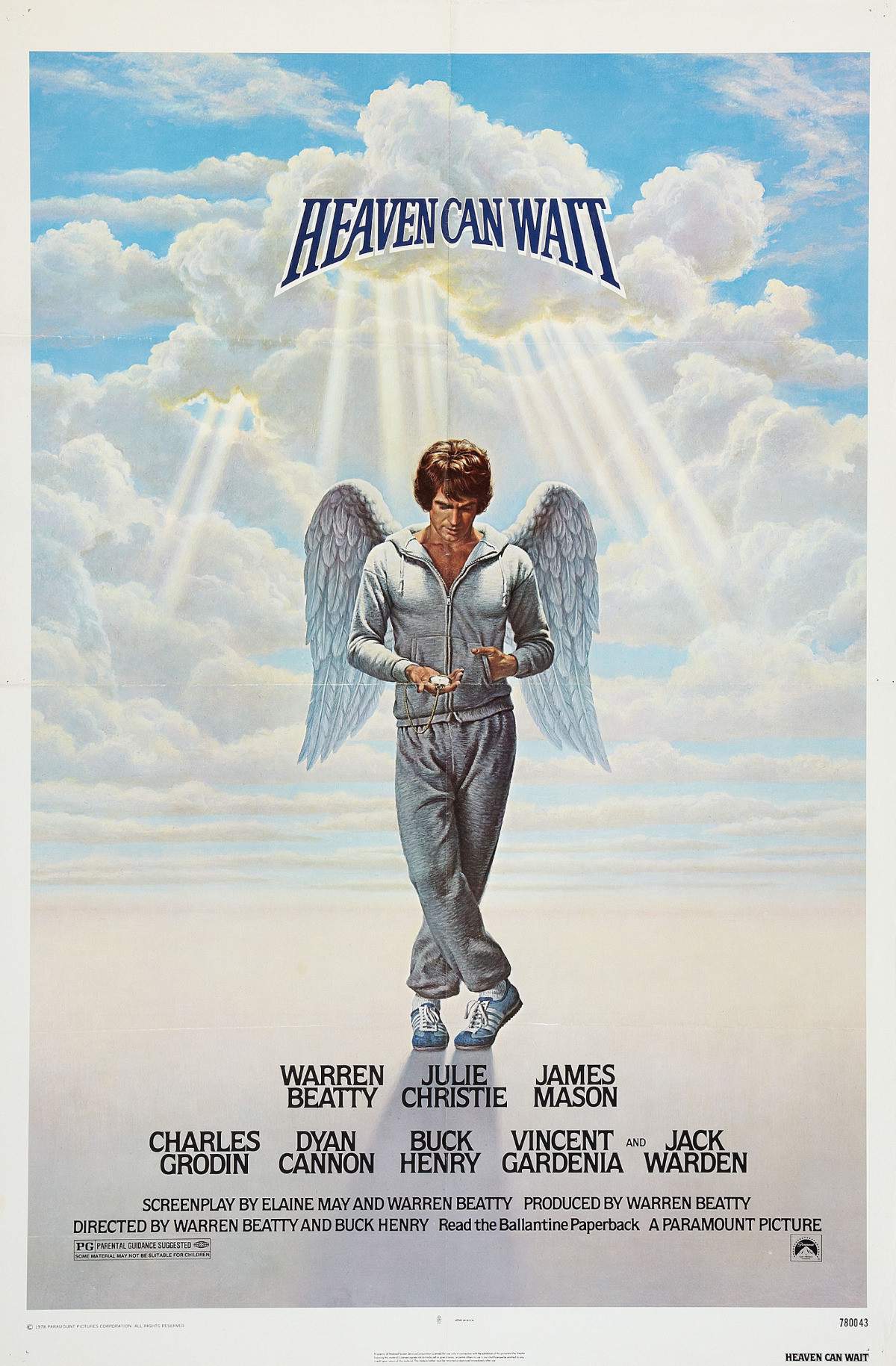
Heaven Can Wait 1943


He lives by a creed of love, honor, and obedience, but the decadent playboy Henry van Cleve dies and finds himself at Hell’s gates, convinced he belongs there. The devil doubts his worthiness. Henry reviews his life—his lavish excesses, a 25‑year marriage to Martha, and a moment of infidelity—hoping that a higher authority will deliver a fair judgment.


Does Heaven Can Wait have end credit scenes?
No!
Heaven Can Wait does not have end credit scenes. You can leave when the credits roll.
Meet the Full Cast and Actors of Heaven Can Wait
Explore the complete cast of Heaven Can Wait, including both lead and supporting actors. Learn who plays each character, discover their past roles and achievements, and find out what makes this ensemble cast stand out in the world of film and television.
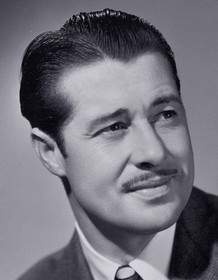
Don Ameche
Henry Van Cleve
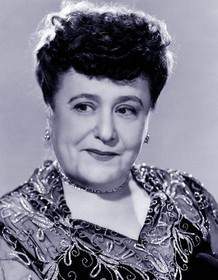
Florence Bates
Mrs. Edna Craig (uncredited)

Claire Du Brey
Miss Ralston - Jack's Secretary (uncredited)
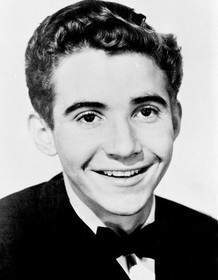
Scotty Beckett
Henry Van Cleve - Age 9 (uncredited)
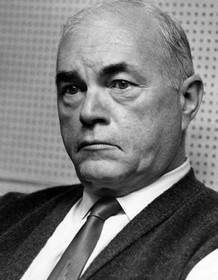
James Flavin
Policeman (uncredited)
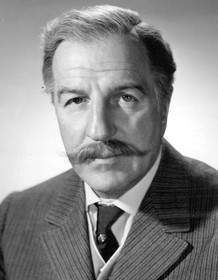
Louis Calhern
Randolph Van Cleve
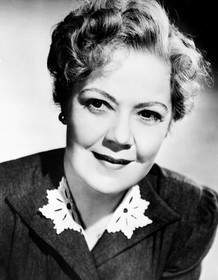
Spring Byington
Bertha Van Cleve
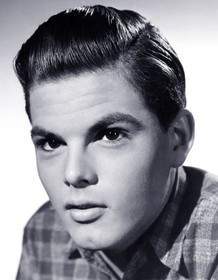
Dickie Moore
Henry Van Cleve - Age 15 (uncredited)
Aubrey Mather
James
Clarence Muse
Jasper (uncredited)
Gene Tierney
Martha Strabel Van Cleve
Edwin Maxwell
Doctor (uncredited)
Marjorie Main
Mrs. Strabel
Eugene Pallette
E.F. Strabel
Charles Coburn
Hugo Van Cleve
Allyn Joslyn
Albert Van Cleve
Clara Blandick
Grandmother Van Cleve (uncredited)
Gary Gray
Boy in Park (uncredited)
Laird Cregar
His Excellency
Signe Hasso
Yvette ("Mademoiselle")
James Conaty
Man in Park with Top Hat (uncredited)
Bert Moorhouse
Party Guest (uncredited)
Anne O'Neal
Day Nurse (uncredited)
Bess Flowers
Party Guest (uncredited)
Harold Miller
Party Guest (uncredited)
Leonard Carey
Flogdell (uncredited)
Tod Andrews
Jack Van Cleve
Jack Deery
Party Guest (uncredited)
June Preston
Jack Van Cleve daughter (age 13) (uncredited)
Anita Sharp-Bolster
Mrs. Cooper-Cooper (uncredited)
Trudy Marshall
Jane Van Cleve - Jack's Wife (uncredited)
Jay Eaton
Book Store Clerk (uncredited)
Maureen Roden-Ryan
Bediliah - Nurse in Park (uncredited)
Monty O'Grady
Party Guest (uncredited)
Helene Reynolds
Peggy Nash
Doris Merrick
Nellie Brown - Registered Nurse (uncredited)
Grayce Hampton
Albert's Mother (uncredited)
Gerald Oliver Smith
Smith - Van Cleve's Second Butler (uncredited)
Gerald Pierce
Elevator Operator (uncredited)
Alfred Hall
Albert's Father (uncredited)
Marlene Mains
Mary - Age 9 (uncredited)
Nino Pipitone Jr.
Jack Van Cleve - as Child (uncredited)
External Links and Streaming Options
Discover where to watch Heaven Can Wait online, including streaming platforms, rental options, and official sources. Compare reviews, ratings, and in-depth movie information across sites like IMDb, TMDb, Wikipedia or Box Office Mojo.





Take the Ultimate Heaven Can Wait Movie Quiz
Challenge your knowledge of Heaven Can Wait with this fun and interactive movie quiz. Test yourself on key plot points, iconic characters, hidden details, and memorable moments to see how well you really know the film.
Heaven Can Wait Quiz: Test your knowledge of the 1943 film *Heaven Can Wait* with these ten mixed‑difficulty questions.
What is the full name of the film's main character?
Full Plot Summary and Ending Explained for Heaven Can Wait
Read the complete plot summary of Heaven Can Wait, including all major events, twists, and the full ending explained in detail. Explore key characters, themes, hidden meanings, and everything you need to understand the story from beginning to end.
An aged Henry Van Cleve Don Ameche enters the opulent reception area of the afterlife, a grand hall where many souls have been told to go, and is personally greeted by a stern figure known as His Excellency. He asks to be admitted, fully aware of the life he has led, and begins to tell the story that might justify his place beyond the doors. The tale unfolds with a calm, candid voice, turning a private life into a public verdict as if the very act of recounting could tilt the scales of judgment in his favor.
Born in Manhattan on October 25, 1872, Henry is the spoiled only child of Randolph Van Cleve Louis Calhern and Bertha Van Cleve Spring Byington. From the start, the family atmosphere is all about appearances and rules, but Henry’s grandfather Hugo Van Cleve Charles Coburn, a self-made millionaire, sees through the pretenses and tries to understand the young man beneath the surface. The contrast between the old man’s shrewd practicality and the parents’ conventional expectations sets the stage for Henry’s oscillation between charm and recklessness. The world around him feels too small for his appetites, and the lure of showgirls and bright lights only heightens his sense of entitlement and danger.
As a youth, Henry grows into an idle, pleasure-loving figure who tests boundaries with a mixture of roguish wit and genuine charm. He encounters a mysterious, captivating woman in a moment of everyday luck—an ordinary phone call on a public line reveals a more extraordinary possibility. He follows the woman into a Brentano’s bookstore, improvising as an employee to get closer, and discovers she is already engaged to someone else. That woman turns out to be Martha Strabel Van Cleve Gene Tierney, the daughter of the feuding Strabel family. Martha’s first arrival into his life is marked by a reckless impulse, and Henry’s audacity clashes with the realities of family honor. Martha’s cousin Albert Van Cleve Allyn Joslyn has proposed to her as well, and the pair’s burgeoning romance culminates in a bold elopement engineered by Henry, much to the shock of the Strables and the larger family circle. Yet Grandpa Hugo Van Cleve’s quiet approval suggests a path to legitimacy even in the face of scandal.
The plan succeeds in more ways than one: Henry and Martha marry and become the proud parents of a son, a bright new life that momentarily seems to redeem their earlier transgressions. The marriage endures for a decade, but the surface happiness cracks when Martha confronts rumors of Henry’s ongoing dalliances. Henry, with a blend of stubborn pride and gallant stubbornness, follows her to the Strabel home, where the couple is confronted with the family’s disapproval. He pleads for forgiveness, and in a dramatic moment, convinces her to elope a second time, a decision that Grandpa Van Cleve greets with a wry, knowing smile. The family dynamic—Martha’s defiance, Henry’s charm, and Hugo’s quiet support—has altered but not ended the tension between desire and duty.
Fifteen years pass, and Henry’s life takes another turn when he meets Peggy Nash Helene Reynolds in her dressing room just before a performance. Peggy is a chorus girl with a keen eye for the complexities of love and loyalty, and she becomes entangled in a plan that touches the next generation of the Van Cleves. Henry’s attempt to steer his son Jack Van Cleve Tod Andrews away from Peggy reveals the layered web of affection, obligation, and rupture that threads through the family. When Peggy learns Henry’s true identity, a price is exacted—$25,000, a staggering sum in today’s terms—an act that further complicates the already delicate balance between love and duty. Jack, who ultimately seems relieved to be freed from a burden he did not seek, walks away from Peggy with a cool pragmatism that echoes the film’s broader meditation on happiness, forgiveness, and the true cost of keeping appearances.
Martha dies not long after their twenty-fifth anniversary, leaving Henry to navigate a social life that creeps back into his routine with a resurgent ease and a renewed sense of independence. He carries on with the same poise that has defined so much of his life, entertaining and socializing with an ease that would have once scandalized his younger self. On October 26, 1942, the day after his seventy-second birthday, Henry dies while under the care of a nurse, his passing marked by a dreamlike premonition of a nurse’s visit and the soft, almost ceremonial exit that seems to predict the afterlife’s verdict.
After Henry’s long confession, His Excellency renders a final, somber judgment: he is denied entry to the seats reserved for the righteous and the reconciled. Instead, he is urged to seek the “other place,” a hint that Martha and his grandfather Hugo Van Cleve wait in a different corner of existence for him, perhaps in a small room vacant in the annex. The film closes on this ambiguous note, leaving viewers with a lingering sense of life’s moral ambiguity—how a person’s choices, even those made with love and wit, ripple outward and shape what comes after.
What unfolds is a meticulously crafted blend of wit, sentiment, and sly social satire. The storytelling voice remains steady and humane, never demonizing Henry for his flaws, yet never excusing them entirely either. The film invites audiences to reflect on the pleasures and temptations of youth, the pressures of family reputation, and the paradoxical hope that forgiveness and belonging might exist beyond the gates we all imagine as final. Through Henry’s reminiscence, the viewer is given a portrait of a man who lived boldly, loved deeply, and learned, perhaps too late, what it would mean to truly belong.

Watch Trailers, Clips & Behind-the-Scenes for Heaven Can Wait
Watch official trailers, exclusive clips, cast interviews, and behind-the-scenes footage from Heaven Can Wait. Dive deeper into the making of the film, its standout moments, and key production insights.
Heaven Can Wait Themes and Keywords
Discover the central themes, ideas, and keywords that define the movie’s story, tone, and message. Analyze the film’s deeper meanings, genre influences, and recurring concepts.
Heaven Can Wait Other Names and Titles
Explore the various alternative titles, translations, and other names used for Heaven Can Wait across different regions and languages. Understand how the film is marketed and recognized worldwide.
Similar Movies To Heaven Can Wait You Should Know About
Browse a curated list of movies similar in genre, tone, characters, or story structure. Discover new titles like the one you're watching, perfect for fans of related plots, vibes, or cinematic styles.

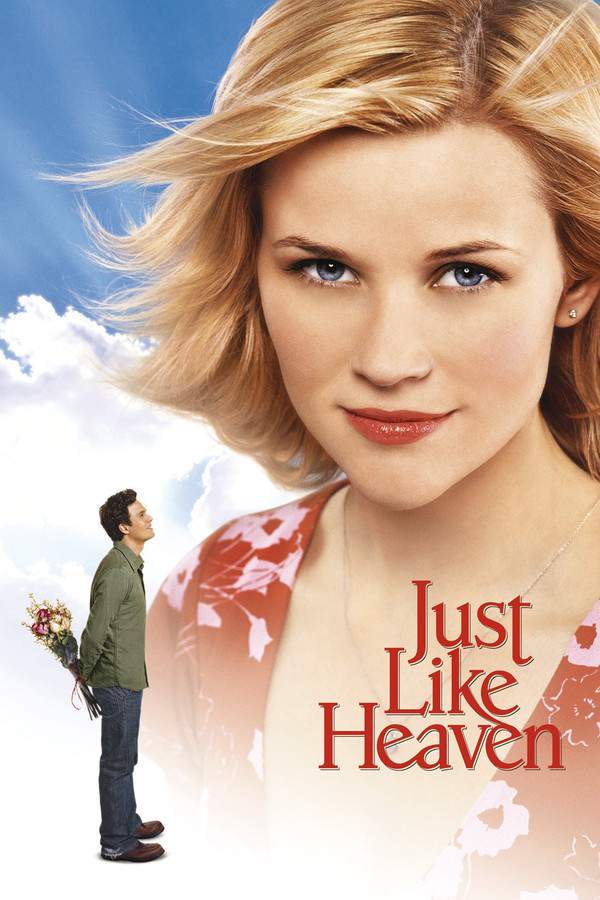
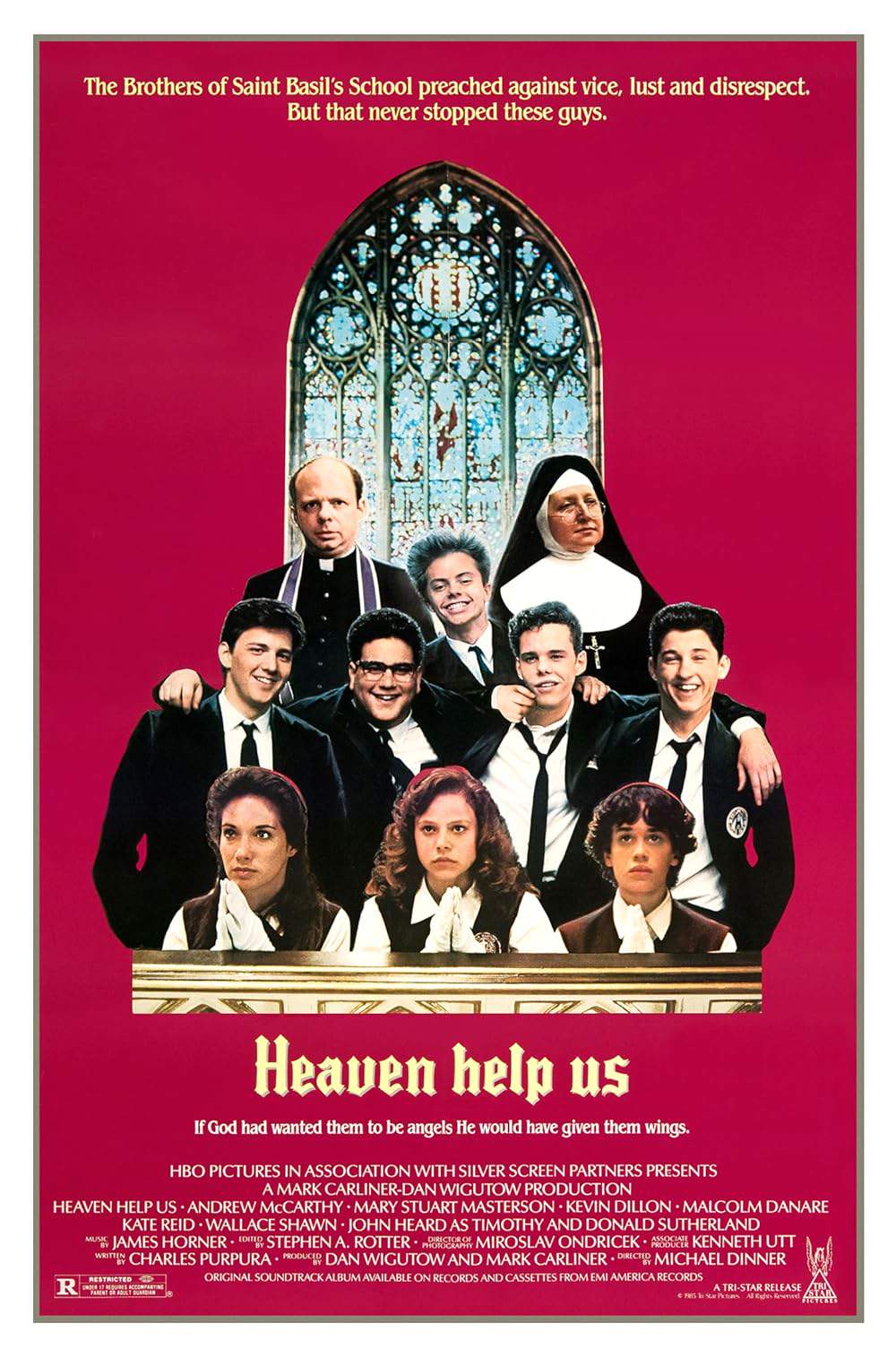


Quick Links: Summary, Cast, Ratings, More

What's After the Movie?
Not sure whether to stay after the credits? Find out!




Explore Our Movie Platform
New Movie Releases (2026)
Famous Movie Actors
Top Film Production Studios
Movie Plot Summaries & Endings
Major Movie Awards & Winners
Best Concert Films & Music Documentaries
Movie Collections and Curated Lists
© 2026 What's After the Movie. All rights reserved.