

What Is First to Fight About?
The premise of First to Fight in 337 words, with nothing given away. The full story follows below.
In the dense, unforgiving jungles of Guadalcanal during 1942, the brutality of war leaves few standing and even fewer unscathed. Sergeant “Shanghai” Jack Connell emerges from a devastating engagement as the sole survivor of his squad, an outcome that earns him the Medal of Honor and a field promotion to Lieutenant. However, the accolade sits uneasily on his shoulders; to the public, he is a hero, but internally, he views himself merely as a man who stayed standing when others fell. This disconnect between the symbol he has become and the survivor he feels he is sets a heavy, somber tone for his journey, marking him as a man carrying more weight than his uniform suggests.
Returned to the home front, Connell navigates a world that feels increasingly distant from the harsh realities he has endured. While on a War Bonds tour, he resists the urge to capitalize on his fame, preferring a quiet honesty about his luck rather than embracing the heroic narrative thrust upon him. His path eventually crosses with Peggy Sanford, a woman nursing her own wounds from the war, and a tender romance begins to bloom, offering a glimpse of peace. Yet, even as he builds a new life and attempts to honor a fragile promise of safety, a restless energy lingers beneath the surface of his quiet demeanor.
Stationed at Camp Pendleton to train fresh recruits, Connell struggles to translate his hard-earned survival instincts into teachable discipline. The harshness of his approach hints at deeper psychological scars, revealing a man wrestling with the ghosts of his past while trying to prepare others for a future he knows is grim. The safety of the training grounds clashes with the internal drive that pushes him toward the front lines, creating a friction that neither his superiors nor his wife can fully ignore. As the pull of duty grows stronger, Connell faces a crossroads where personal promises and professional obligations collide, forcing him to reconsider where he truly belongs in a world still at war.
What Happens in First to Fight?
The complete story of First to Fight, from the first scene to the last, in 652 words (about 3 minutes). Spoilers throughout.
Spoilers ahead
In the jungles of Guadalcanal during 1942, a brutal clash pits American Marines against a determined Japanese force, leaving one young survivor to carry the weight of battle more than the wound of victory. Sergeant “Shanghai” Jack Connell [Chad Everett] is the sole member of his squad to return from a vicious engagement, a narrow escape that earns him a field promotion to Lieutenant and the Medal of Honor in a ceremony overseen by Lt. Col. Baseman [Dean Jagger]. The honor comes with a heavy aura: Connell didn’t feel like a hero, only someone who managed to stay standing when others fell. The medal marks him as a symbol, but it also deepens his sense of disconnection from the courage others believe he embodies.
Back home, Connell plunges into a War Bonds Tour, moving through crowds with a quiet distance. He refuses to monetize his survival or treat heroism as a currency, insisting he’s just a survivor rather than someone blessed with exceptional bravery. The veneer of public praise clashes with his private turmoil, and yet life presses forward. On a farm near the coast, he meets Peggy Sanford [Marilyn Devin], a woman whose fiancé had died in the war. Their courtship flourishes into marriage, even as Peggy makes a difficult request: she asks Connell to promise he will not return to the front, hoping to shield him from further danger. The promise is a fragile shield against a future that seems inevitable in the simmering tension of a nation at war.
With that vow in place, Connell finds a new rhythm at Camp Pendleton, where he trains a batch of fresh recruits. The transformation is uneasy; he tries to transplant the discipline that kept him alive into others, but the harsh, almost punitive approach signals a deeper struggle. He fears becoming what he himself once feared—the man who freezes at the moment danger returns rather than standing up under fire. The people around him sense the fragility behind the outward calm, and even those who care for him look for signs of healing that haven’t yet appeared.
A difficult confrontation with Lt. Col. Baseman tests Connell’s resolve and his relationship to the war’s demands. Baseman recognizes the fragility of Connell’s mental state and offers him a path back into the line, a chance to reclaim the sense of purpose that combat once gave him. Connell accepts the invitation to return to the fighting, albeit under the new constraint of Peggy’s fear for their future and her insistence that he stay alive for their unborn child. The marriage becomes a pressure point that both motivates and unsettles him, complicating his decision to rejoin the front.
Once back in action, Connell experiences a painful crucible: the fear that reshapes into hesitation, the hesitation that threatens a unit’s safety, and the slow effort to reconnect with the warrior who once instinctively led. Yet the bond with his men proves resilient, and with time he regains his steadiness. The turning point arrives not as a grand gesture but as a steady reclaiming of responsibility: he assumes command with quiet authority and guides his troops through a decisive raid on a Japanese island stronghold. The operation, amid dangerous terrain and unforgiving fire, becomes a measured demonstration of perseverance, strategy, and leadership under pressure.
As the raid unfolds, Connell’s transformation becomes clear: the survivor who once avoided the hero’s label evolves into the leader his squad needed all along. The film’s arc holds to a grounded, human portrayal of war’s aftermath—the lasting scars, the burden of choice, and the complex path back to purpose. Throughout the narrative, the relationships at the center—the tension between duty and personal safety, and the stubborn hope that one can find meaning again after fear—anchor a story that remains true to its core: resilience, reconciliation, and the stubborn courage that carries soldiers from the moment they fall to the moment they lead.
First to Fight Timeline: Every Key Event in Order
11 key events in the order they happen, from “Survival and Battle of Guadalcanal” to “Taking command and leading a raid”. 11 events name a place, across 10 locations.
- 1
Survival and Battle of Guadalcanal
During 1942, American Marines are attacked by the Japanese in the jungles of Guadalcanal. Sergeant Shanghai Jack Connell becomes the sole survivor of his squad and fights his way back to his own lines. His tenacity under fire earns him recognition from his commanders.
When:1942 Where:Guadalcanal, Solomon Islands
- 2
Field promotion and Medal of Honor
Back at his own lines, Connell is given a field promotion to Lieutenant and awarded the Medal of Honor by Lt. Col. Baseman. The ceremony cements his status as a war hero in the eyes of others and himself. Yet Connell wrestles with the emotional weight of what he endured and what the title means.
When:1942 Where:Guadalcanal front lines
- 3
War Bonds tour and reluctant return
He's sent home on a War Bonds tour to rally support for the war effort. He is reluctant to trade on his heroism and does not consider himself a hero. He remains haunted by memories of the battle and his fallen comrades.
When:1942-1943 Where:United States
- 4
Marriage to Peggy Sandford
Back home, Connell falls in love with Peggy Sandford and the two marry. Peggy has suffered a loss of her own, her fiancé having been killed, which informs her view of Connell's return. The marriage marks a hopeful turn before the next chapter of war.
When:1943 Where:Home, United States
- 5
The promise not to return
Peggy extracts a promise from Connell that he will not go back into the war. Connell agrees outwardly, hoping to build a peaceful life with his wife. The promise becomes a heavy undercurrent throughout his reflections on duty.
When:1943-1944 Where:Home
- 6
Training recruits at Camp Pendleton
Connell trains new recruits at Camp Pendleton Marine Base. He is emotionally distraught and harsh in his training, believing soldiers must be hardened for battle. His leadership style worries some and reveals the toll of his trauma.
When:Early 1940s Where:Camp Pendleton, California
- 7
Confrontation with Baseman
With Baseman watching his progress, Connell confronts concerns about his mental state. Baseman fears Connell's instability could endanger others, prompting a discussion about his role in the war. The confrontation becomes a turning point in whether he will be allowed back to combat.
When:Mid-1940s Where:Camp Pendleton
- 8
Offering to return to combat
Connell is offered the chance to return to the fighting and volunteers to go back. The decision is framed as a bid for redemption and to reclaim his identity as a warrior. Peggy and pregnancy set the emotional stakes, making the choice more complicated.
When:Mid- to late-1940s Where:Camp Pendleton / Pacific frontline
- 9
Peggy's pregnancy and release of the promise
Peggy, now pregnant, fears for his safety but ultimately releases him from the promise not to return. Her support reflects a desire to retain hope for their future. Connell accepts the risk, aware that his absence would leave him forever changed.
When:Late 1940s Where:Home
- 10
Return to combat and struggle
Back in combat, Connell struggles to reconcile his past heroism with fear. He experiences a period of freezing under fire, testing his resolve and leadership. The moment highlights the fragility of the man behind the legend.
When:Late 1940s Where:Pacific front
- 11
Taking command and leading a raid
Finally, Connell takes command of his unit and leads a raid against a Japanese island stronghold. The operation succeeds, proving his regained nerve and tactical leadership. The raid marks his transition from haunted survivor to capable leader.
When:Final phase of island campaign Where:Japanese island stronghold, Pacific
Who Are the Main Characters in First to Fight?
13 characters, among them Lieutenant Jack Connell (Chad Everett), Colonel Baseman and Peggy Sanford: who each one is and the part they play in the story. Every profile links to the actor’s page.
- LJ
Lieutenant Jack Connell (Chad Everett)
Played by Chad Everett
A Marine officer who survives the Guadalcanal assault and is promoted to lieutenant after the battle. He wrestles with survivor’s guilt and questions whether he is worthy of the title of hero. His journey oscillates between enforced discipline and a longing for peace at home, culminating in a renewed sense of leadership in combat.
- 🎖️ Protagonist
- 🪖 Marine
- 💔 Trauma
- 🧭 Leadership
-
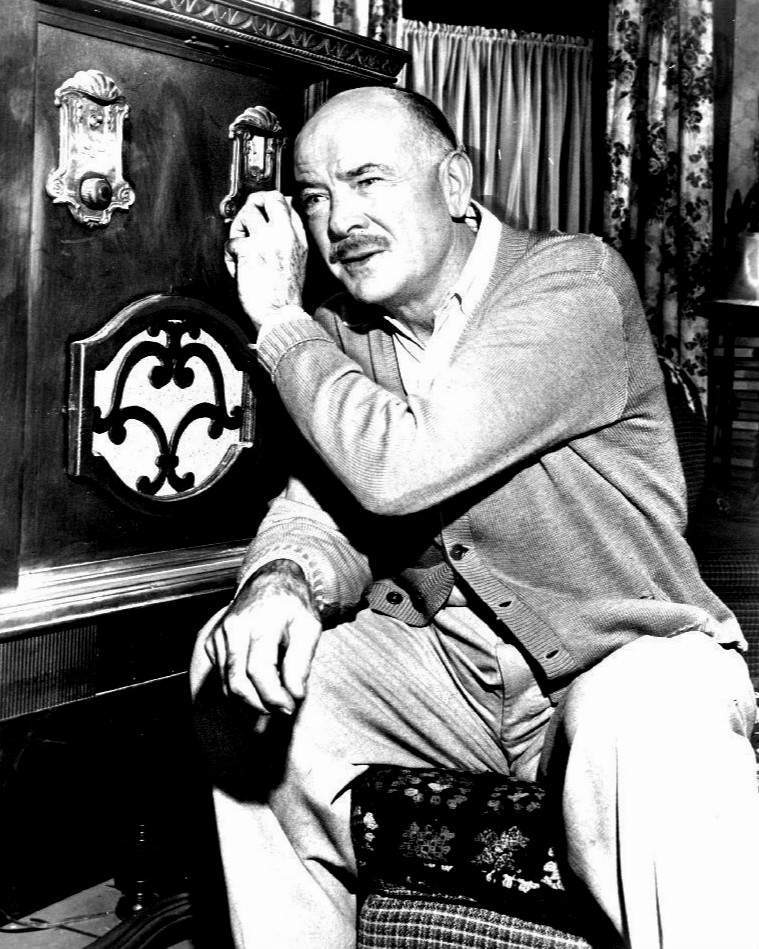
Colonel Baseman
Played by Dean Jagger
A senior officer who recognizes Connell’s fragile mental state and pushes for his return to duty. He balances concern for the man with the needs of the unit, offering guidance while avoiding sentimentality. His decisions drive Connell’s path from withdrawal to regained effectiveness.
- 🎖️ Authority
- 🧭 Leadership
- 🧠 Concern
- PS
Peggy Sanford
Played by Marilyn Devin
Connell’s wife, a stabilizing presence who fears the war’s reach into their life. She extracts a promise from him not to return to combat and then grapples with the realities of motherhood and separation. Her courage and devotion anchor Connell as he confronts the pull between home and the front.
- ❤️ Love
- 🧠 Support
- 👰 Wife
-
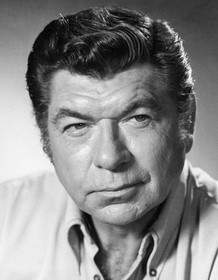
Captain Mason
Played by Claude Akins
A base captain who oversees training and assignments, interacting with Connell during the home-front and early duty phases. He represents the institutional side of war, balancing order with the unpredictable moods of individual soldiers.
- 🎖️ Authority
- 🗺️ Military command
- SC
Sergeant Carnavan
Played by James Best
A hard-edged veteran who commands a squad and pushes recruits to their limits. He embodies the discipline and grit expected of Marines, shaping the unit’s cohesion and resilience.
- 🪖 Veteran
- 💪 Discipline
- SS
Sergeant Schmidtmer
Played by Norman Alden
A seasoned sergeant who assists in training and supports Connell’s path within the unit. His experience helps ground the new recruits and provide steady guidance.
- 🪖 Marine
- 🧭 Guidance
- SS
Sergeant Slater
Played by Clint Ritchie
Another senior sergeant who participates in the unit’s discipline and daily routines. He contributes to the fabric of squad life and the enforcement of orders.
- 🪖 Veteran
- 🧭 Guidance
- LO
Lieutenant Overman
Played by Bobby Troup
A junior officer who helps lead Marines in training and operations, reflecting the ladder of authority within the unit.
- 🎖️ Leadership
- 🧭 Rank
- A
Adams
Played by Robert Austin
A supporting Marine in Connell’s circle, contributing to the unit’s daily life and morale.
- 🪖 Marine
- 👥 Support
- O
O'Brien
Played by Ken Swofford
Another member of the unit who stands with his comrades during training and combat.
- 🪖 Marine
- 🤝 Teamwork
- SM
Sergeant Maypole
Played by Bobs Watson
A tough, no-nonsense sergeant whose harsh training methods test the resilience of the Marines.
- 🪖 Veteran
- 🗣️ Harsh training
- H
Hawkins
Played by Ray Reese
A Marine comrade in Connell’s unit, contributing to the team’s spirit and shared hardships.
- 🪖 Marine
- 👥 Comrade
- K
Karl
Played by Garry Goodgion
A character associated with Peggy’s life, encountered within the civilian world surrounding Connell’s story.
- 👥 Supporting
- 🧭 Family
Where and When Is First to Fight Set?
First to Fight is set in Guadalcanal and Camp Pendleton (1942). Here is why the time and place matter to the story.
When
1942
The narrative unfolds in 1942 during World War II, centered on the Guadalcanal campaign in the Pacific. It contrasts the chaos of jungle warfare with the relative normalcy of home front life during a War Bonds tour. The period is defined by rapid military actions, survival, and the evolving concept of heroism among Marines.
Where
Guadalcanal, Camp Pendleton
Guadalcanal, a dense jungle battlefield in the Solomon Islands, is the brutal setting where Connell endures frontline combat. Camp Pendleton in California serves as the home base and primary training ground where he confronts his trauma while drilling new recruits. The story also touches on the American home front during a War Bonds tour, illustrating the broader war effort beyond the front lines.
- 🌴 Jungle setting
- 🏕️ Training base
- 🗺️ Pacific theater
What Are the Themes of First to Fight?
3 ideas the story keeps returning to, among them Duty, Love and Redemption.
-
01
Duty
Connell is thrust into the role of a hero after surviving a brutal assault, yet the weight of that label wears on him. He grapples with survivor’s guilt and doubts his own worth despite the promotion and recognition. His time as a trainer at Camp Pendleton shows him imposing toughness to harden others, even as his inner turmoil remains unresolved. The theme examines how duty can clash with personal need and mental strain.
-
02
Love
Peggy Sanford becomes a stabilizing force in Connell’s life, offering a sense of normalcy after the horrors of war. Her insistence on a promise not to return to combat highlights the pull between personal love and military duty. Their marriage represents a sanctuary from trauma, yet it also introduces emotional pressure as he faces the choice between family safety and the call to fight again. The home-front relationship underscores how intimate bonds shape wartime decisions.
-
03
Redemption
Connell’s arc moves from haunted survivor to renewed leader as he returns to the front lines. After an initial moment of freezing, he regains his command and leads his unit in a raid on a Japanese stronghold. This shift embodies redemption through regained purpose, discipline, and courage under fire. The finale ties personal healing to battlefield effectiveness, showing how inner change can influence outer outcomes.
What Kind of Film Is First to Fight?
Bittersweet in tone, with steady pacing and a straightforward story, going by the plot summary.
- Tone
- Bittersweet
- Pacing
- Steady
- Story
- Straightforward
- Intensity
- High
- Ending
- Bittersweet
A heavy and introspective war drama that explores the psychological toll of combat, following a soldier's struggle with survivor's guilt and the difficulty of returning to civilian life and then back to battle.
- war trauma
- survivor guilt
- emotional struggle
- harsh training
- reluctant heroism
- internal conflict
- post traumatic stress
- military training
- marriage under pressure
- war hero dilemma
Content notes: war violence, psychological trauma, PTSD.


