First to Fight 1967


Jack survives a Japanese assault on his squad at Guadalcanal and is awarded the Medal of Honor. Back home he trains new Marine recruits and falls in love with Peggy. Feeling restless despite his marriage, he requests a return to combat. As he heads back to the front, his experiences at home reshape his view of the brutal battles that await.


Does First to Fight have end credit scenes?
No!
First to Fight does not have end credit scenes. You can leave when the credits roll.
Meet the Full Cast and Actors of First to Fight
Explore the complete cast of First to Fight, including both lead and supporting actors. Learn who plays each character, discover their past roles and achievements, and find out what makes this ensemble cast stand out in the world of film and television.

Gene Hackman
Sergeant Tweed
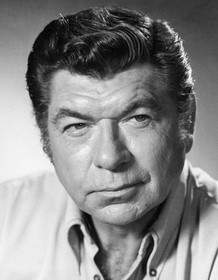
Claude Akins
Captain Mason
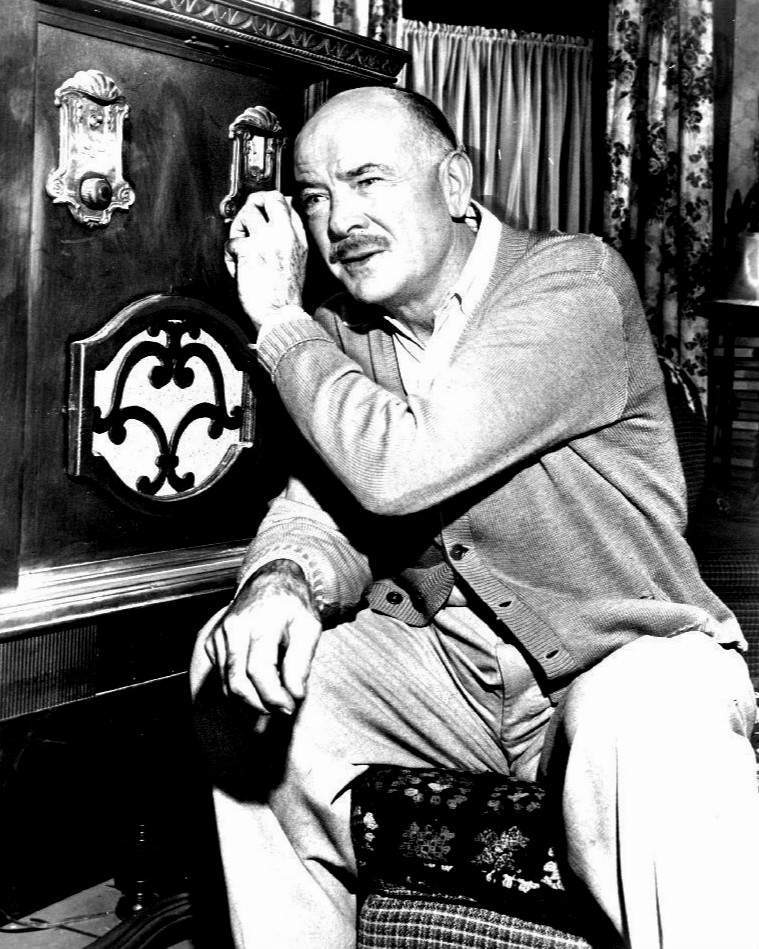
Dean Jagger
Colonel Baseman

James Best
Sergeant Carnavan
Chad Everett
Jack Connell
Norman Alden
Sergeant Schmidtmer
Clint Ritchie
Sergeant Slater
Bobby Troup
Lieutenant Overman
Robert Austin
Adams
Ken Swofford
O'Brien
Bobs Watson
Sergeant Maypole
Ray Reese
Hawkins
Marilyn Devin
Peggy Sanford
Garry Goodgion
Karl
External Links and Streaming Options
Discover where to watch First to Fight online, including streaming platforms, rental options, and official sources. Compare reviews, ratings, and in-depth movie information across sites like IMDb, TMDb, Wikipedia or JustWatch.





Full Plot Summary and Ending Explained for First to Fight
Read the complete plot summary of First to Fight, including all major events, twists, and the full ending explained in detail. Explore key characters, themes, hidden meanings, and everything you need to understand the story from beginning to end.
In the jungles of Guadalcanal during 1942, a brutal clash pits American Marines against a determined Japanese force, leaving one young survivor to carry the weight of battle more than the wound of victory. Sergeant “Shanghai” Jack Connell [Chad Everett] is the sole member of his squad to return from a vicious engagement, a narrow escape that earns him a field promotion to Lieutenant and the Medal of Honor in a ceremony overseen by Lt. Col. Baseman [Dean Jagger]. The honor comes with a heavy aura: Connell didn’t feel like a hero, only someone who managed to stay standing when others fell. The medal marks him as a symbol, but it also deepens his sense of disconnection from the courage others believe he embodies.
Back home, Connell plunges into a War Bonds Tour, moving through crowds with a quiet distance. He refuses to monetize his survival or treat heroism as a currency, insisting he’s just a survivor rather than someone blessed with exceptional bravery. The veneer of public praise clashes with his private turmoil, and yet life presses forward. On a farm near the coast, he meets Peggy Sanford [Marilyn Devin], a woman whose fiancé had died in the war. Their courtship flourishes into marriage, even as Peggy makes a difficult request: she asks Connell to promise he will not return to the front, hoping to shield him from further danger. The promise is a fragile shield against a future that seems inevitable in the simmering tension of a nation at war.
With that vow in place, Connell finds a new rhythm at Camp Pendleton, where he trains a batch of fresh recruits. The transformation is uneasy; he tries to transplant the discipline that kept him alive into others, but the harsh, almost punitive approach signals a deeper struggle. He fears becoming what he himself once feared—the man who freezes at the moment danger returns rather than standing up under fire. The people around him sense the fragility behind the outward calm, and even those who care for him look for signs of healing that haven’t yet appeared.
A difficult confrontation with Lt. Col. Baseman tests Connell’s resolve and his relationship to the war’s demands. Baseman recognizes the fragility of Connell’s mental state and offers him a path back into the line, a chance to reclaim the sense of purpose that combat once gave him. Connell accepts the invitation to return to the fighting, albeit under the new constraint of Peggy’s fear for their future and her insistence that he stay alive for their unborn child. The marriage becomes a pressure point that both motivates and unsettles him, complicating his decision to rejoin the front.
Once back in action, Connell experiences a painful crucible: the fear that reshapes into hesitation, the hesitation that threatens a unit’s safety, and the slow effort to reconnect with the warrior who once instinctively led. Yet the bond with his men proves resilient, and with time he regains his steadiness. The turning point arrives not as a grand gesture but as a steady reclaiming of responsibility: he assumes command with quiet authority and guides his troops through a decisive raid on a Japanese island stronghold. The operation, amid dangerous terrain and unforgiving fire, becomes a measured demonstration of perseverance, strategy, and leadership under pressure.
As the raid unfolds, Connell’s transformation becomes clear: the survivor who once avoided the hero’s label evolves into the leader his squad needed all along. The film’s arc holds to a grounded, human portrayal of war’s aftermath—the lasting scars, the burden of choice, and the complex path back to purpose. Throughout the narrative, the relationships at the center—the tension between duty and personal safety, and the stubborn hope that one can find meaning again after fear—anchor a story that remains true to its core: resilience, reconciliation, and the stubborn courage that carries soldiers from the moment they fall to the moment they lead.

Coming soon on iOS and Android
The Plot Explained Mobile App
From blockbusters to hidden gems — dive into movie stories anytime, anywhere. Save your favorites, discover plots faster, and never miss a twist again.
Sign up to be the first to know when we launch. Your email stays private — always.
Explore the mobile appWatch Trailers, Clips & Behind-the-Scenes for First to Fight
Watch official trailers, exclusive clips, cast interviews, and behind-the-scenes footage from First to Fight. Dive deeper into the making of the film, its standout moments, and key production insights.
First to Fight Themes and Keywords
Discover the central themes, ideas, and keywords that define the movie’s story, tone, and message. Analyze the film’s deeper meanings, genre influences, and recurring concepts.

Unlock the World of Movies with Our Comprehensive Wiki
Dive into our Movie Wiki for in-depth film encyclopedia entries, including cast biographies, production trivia, plot synopses, behind-the-scenes facts, and thematic analyses. Whether you’re researching iconic directors, exploring genre histories, or discovering hidden easter eggs, our expertly curated movie database has everything you need to fuel your cinematic passion.

Similar Movies To First to Fight You Should Know About
Browse a curated list of movies similar in genre, tone, characters, or story structure. Discover new titles like the one you're watching, perfect for fans of related plots, vibes, or cinematic styles.



Quick Links: Summary, Cast, Ratings, More

What's After the Movie?
Not sure whether to stay after the credits? Find out!
Check out our other apps:

SAT Sphere
Build confidence for the Digital SAT.

Mori Atlas
Discover wild places worth protecting.

Luntero
Search smarter for a home in Amsterdam.

Plot Explained
Unravel movie endings and hidden clues.

Pokechamp
Dive into Pokémon data and battle logic.

Driving Theory
Get ready for your European theory test.

Movie Dust
Plan your next cinema trip with ease.

Musemap
Find art and culture as you travel.

Selkobase
Compare credentials before committing.

Local Manual
Turn an unfamiliar country into practical next steps.

Lernavi
Compare school systems before your next move.

GymRoam
Find a workout stop wherever your plans take you.
Explore Our Movie Platform
New Movie Releases (2026)
Famous Movie Actors
Top Film Production Studios
Movie Plot Summaries & Endings
Major Movie Awards & Winners
Best Concert Films & Music Documentaries
Movie Collections and Curated Lists
© 2026 What's After the Movie. All rights reserved.
Privacy Policy