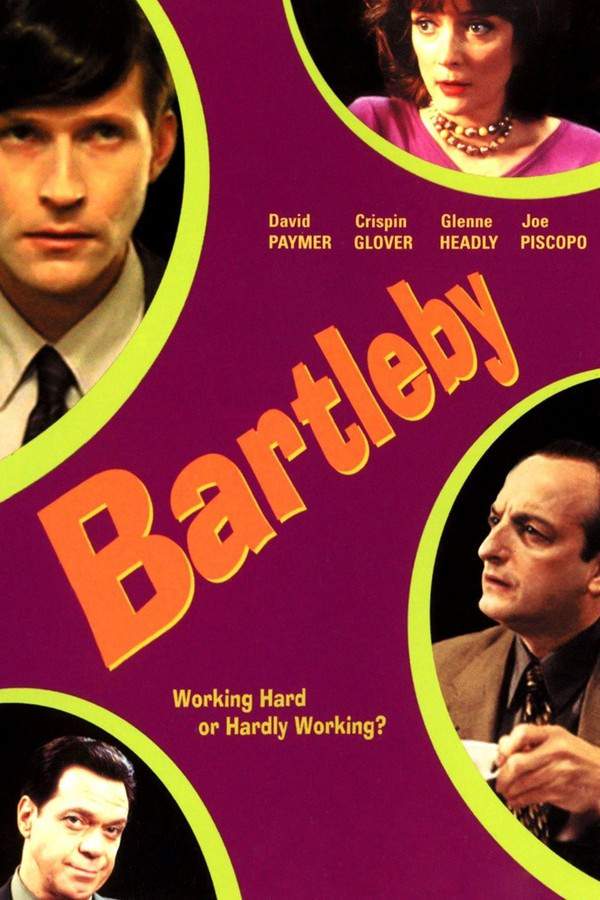
What Is Bartleby About?
The premise of Bartleby in 279 words, with nothing given away. The full story follows below.
In the stark yet oddly poetic world of a public‑records office perched on an isolated hill, routine runs like clockwork beneath humming vents and the steady clack of filing cabinets. The building is staffed by a handful of idiosyncratic characters—Ernest, a nervous, overweight clerk; Rocky, a man whose swagger and speech echo a bygone mobster era; and Vivian, a candid receptionist whose flirtatious honesty breaks the monotony. Their manager, known only as the Boss, runs the operation with meticulous precision, valuing order above all else and preparing for an anticipated surge in paperwork.
When a lone figure is spotted on an overpass and steps forward for a newly posted position, the Boss reluctantly offers him a place in the team. Bartleby arrives with a quiet, off‑kilter demeanor, his past defined only by vague references to a dead‑letter office and a habit of staring at a vibrating vent. At first he seems the ideal employee, turning out work at a startling pace, yet he soon begins to decline specific duties, repeatedly uttering the enigmatic line, “I would prefer not to.” His refusal is not hostile but curiously calm, and it slowly seeps into the office’s atmosphere, prompting his coworkers to echo the phrase in their own speech.
The clash between the Boss’s drive for efficiency and Bartleby’s gentle resistance sets a tone that is both deadpan and unsettling, blending dry humor with an undercurrent of existential unease. As the office’s usual rhythm is quietly upended, the film invites viewers to linger on the strange intimacy of a workplace turned arena for questioning the very nature of work, productivity, and personal agency—without ever revealing how far the tension will ultimately go.
What Happens in Bartleby?
The complete story of Bartleby, from the first scene to the last, in 669 words (about 3 minutes). Spoilers throughout. Names in the text link to 2 cast member pages.
Spoilers ahead
On a routine drive to work, the Boss David Paymer—the unnamed manager of a public records office perched on a hill that’s completely inaccessible by foot—spots a man standing on an overpass. His office sits in a building atop that steep hill, and his small staff includes Ernest, an overweight, neurotic klutz; Rocky, who dresses and acts like a stereotypical mobster; and Vivian, a verbose, flirtatious, bluntly honest receptionist. To prepare for a predicted rise in workload, the Boss posts a fourth job, and the only applicant who shows up is the man from the overpass: Bartleby Crispin Glover.
Bartleby explains that he worked at a dead letter office for eight years until the office moved, but otherwise gives vague answers to the Boss’s questions. Bartleby’s quiet, off‑kilter demeanor unsettles the Boss, yet with no other options, he hires him. At first, Bartleby is a model employee, completing a week’s worth of work in just a few days. However, when asked to verify important documents, he refuses, delivering his signature refrain: “I would prefer not to.” The staff grow irritated as Bartleby stubbornly confines himself to the one task of filing papers and stares for long stretches at a vibrating vent above his desk. When the Boss brings a date to the office late one night, Bartleby walks in on them, and the Boss discovers that Bartleby has begun living there.
The Boss makes several attempts to reason with Bartleby and to learn something about his life, while noticing that the word “prefer” has crept into the staff’s vocabulary as well. Bartleby soon refuses to do any more filing, insisting that he has “given up working,” and the Boss fires him, giving him until Friday night to leave. When the Boss returns Monday morning, Bartleby has not left, and tension rises as one of the Boss’s associates wonders why Bartleby is still there but not working. Realizing that Bartleby threatens his reputation, the Boss relocates his office to another building, hoping to rid himself of the problem, and, before leaving, provides Bartleby with a letter of recommendation while a repairman removes a dead bird from the vent above Bartleby’s desk.
A few days later, the new owner of the old office and the Boss’s former landlord arrive, insisting that someone help with Bartleby; though he is now out of a job, Bartleby remains, sleeping in the hallway. The Boss insists that Bartleby is no longer his problem but concedes under pressure. He tries again to reason with him, offering help to find a job Bartleby would enjoy, but Bartleby declines every suggestion. After the Boss leaves, Bartleby is arrested and then released onto the streets.
Learning that Bartleby is wandering the city, the Boss searches for him and finds him weak and delirious from starvation in a homeless camp, having “preferred not to” eat anymore. In an unexpected turn, the Boss invites Bartleby to come live with him until they can make better arrangements, but Bartleby refuses this offer as well. The Boss then hurries to a nearby soup kitchen to persuade a cook to feed Bartleby, but the cook remains uncompassionate and makes him wait in a long line. By the time the Boss returns with food, Bartleby has died. Finding Bartleby’s letter of recommendation in his coat, the Boss realizes that it, too, is a dead letter and walks away in despair toward the old overpass.
Sometime later, the Boss has resigned from his job and written a memoir about his time with Bartleby. When he pitches the manuscript to a publishing agent, she finds the subject matter too depressing and refuses to publish. In a moment of defiance, the Boss demands that Bartleby’s story be told, and when the agent tells him to leave, he retorts “I would prefer not to!” The agent simply tells him to stay, and as the film ends, his gaze drifts to a vibrating vent and the image of several isolated office buildings perched atop hills like the Boss’s former home.
Bartleby Timeline: Every Key Event in Order
15 key events in the order they happen, from “Boss spots Bartleby on the overpass and hires him” to “Closing image: the overpass and isolated towers”. 15 events name a place, across 13 locations.
- 1
Boss spots Bartleby on the overpass and hires him
During a routine commute, the Boss notices a quiet man standing on an overpass. Convinced the applicant might suit the workload, he interviews him and offers a job despite vague answers. This encounter sets the stage for the strange dynamic to come.
When:Morning Where:Overpass
- 2
Bartleby's interview and hiring
Bartleby explains he worked at a dead letter office for eight years but offers few specifics about his life. His quiet, peculiar manner unsettles the Boss, yet there are no other applicants, so he is hired. The office begins to adapt to his unusual presence.
When:Interview day Where:Boss's public records office
- 3
Bartleby proves useful at first
Initially, Bartleby is an efficient worker, completing what would take a week in just a few days. He quietly handles the filing tasks that come his way. His performance raises the staff's hopes at the office.
When:First weeks after hiring Where:Public records office
- 4
Refusal to perform tasks
Asked to verify important documents, Bartleby responds with I would prefer not to and confines himself to filing. He spends long stretches staring at a vibrating vent above his desk. The office starts to feel the strain of his refusal.
When:Shortly after hiring Where:Public records office
- 5
Bartleby discovers living at the office
One late night, the Boss brings a date to the office and catches Bartleby disturbing the scene. The Boss realizes Bartleby has begun living in the workspace. The staff becomes aware of the strange habit.
When:Late night Where:Office
- 6
Boss confronts Bartleby and fires him
The Boss tries to reason with Bartleby about his life and purpose, and the staff begins to mirror the word prefer in their vocabulary. Bartleby refuses to do any more work, claiming he has given up working, and the Boss fires him, giving him until Friday to leave. The tension rises as the office worries about its reputation.
When:Following confrontation Where:Office
- 7
Bartleby remains, Monday morning tension
On Monday, Bartleby has not left the office and questions swirl about his purpose there. The Boss and staff increasingly wonder why he stays while doing nothing. The atmosphere grows hostile as the deadline approaches.
When:Monday morning Where:Old office
- 8
Boss relocates the office and Bartleby's status
To avoid the escalating problem, the Boss moves his operations to a new building. Before departure, he offers Bartleby a letter of recommendation, and a repairman retrieves a dead bird from the vent above Bartleby's desk. The situation becomes a dead letter in more ways than one.
When:Before moving Where:Old office building
- 9
New owner and landlord press for Bartleby's removal
Days later, the new owner and the landlord arrive insisting on Bartleby's case, and Bartleby refuses to leave the building and sleeps in the hallway. The Boss feels pressured but tries to wash his hands of the matter. Eventually, he yields and seeks a real solution.
When:Days later Where:Old building hallway
- 10
Bartleby arrested and released; Boss considerations
The Boss offers to help Bartleby find a job, but Bartleby again declines all options. After the police arrest him, he is released onto the streets. The Boss, compelled by appearances, continues to worry about the consequences for his reputation.
When:After offer Where:Outside the building / street
Show the other 5 events of Bartleby Hide the last 5 events
- 11
Bartleby in a homeless camp; Boss invites him home
The Boss learns Bartleby is weak and delirious from starvation and notices his own life has been shaped by their encounter. He invites Bartleby to live with him, hoping to care for him, but Bartleby declines and withdraws. The encounter underlines the cruelty of the system.
When:Soon after arrest Where:Homeless camp
- 12
Soup kitchen attempt to save Bartleby
The Boss tries to secure food for Bartleby at a soup kitchen but meets resistance; the cook shows indifference to Bartleby's plight. He waits in a long line, hoping for mercy, while Bartleby remains unseen by the world.
When:After arrest Where:Soup kitchen
- 13
Bartleby's death and the letter of recommendation
When the Boss returns with food, he finds Bartleby has died. He discovers Bartleby's letter of recommendation in the coat, realizing it has become a dead letter. The Boss staggers away and heads toward the same overpass where he first met Bartleby.
When:Evening Where:Soup kitchen / street outside
- 14
Boss resigns, memoir attempt and the failed publisher
Sometime later, the Boss resigns and writes a memoir about his time with Bartleby, only to be rejected by a publishing agent who finds the subject too depressing. He insists the story must be told, shouting his mantra I would prefer not to. The agent tells him to leave, and he stays to watch the buildings on the hills.
When:Sometime later Where:Publishing office
- 15
Closing image: the overpass and isolated towers
In the final shot, the Boss fixates on the vibrating vent and repeats the phrase, while office towers rise on hill-like landscapes, isolating them from the world. The film closes on the same sense of detachment that began the story, suggesting Bartleby's influence lingers. The Boss's gaze returns to the overpass that started it all.
When:End Where:Overpass / hillside office district
Who Are the Main Characters in Bartleby?
7 characters, among them The Boss, Bartleby and Ernest: who each one is and the part they play in the story. 2 of them link to the actor’s page.
-

The Boss
Played by David Paymer
An unnamed manager of a public records office who loves order but is increasingly threatened by Bartleby’s passive defiance. He initially hires Bartleby to meet rising workloads, then wrestles with how to reconcile duty, reputation, and compassion. His efforts to reason with Bartleby evolve into a cautious manipulation as he moves his operation to a new building to sidestep the problem. The Boss ultimately confronts the limits of authority and the consequences of neglecting human need.
- 👔 Authority
- 🗂️ Bureaucracy
- 🏢 Office
-

Bartleby
Played by Crispin Glover
An enigmatic newcomer whose efficiency early on sinks into a chilling refusal to perform any tasks beyond his narrow filing job. His quiet demeanor and habit of staring at the vent become symbolic of withdrawal from a world that cannot accommodate him. Bartleby’s later life in the office and then on the street exposes a fragile identity shaped by precarity and indifference. His ultimate fate underscores a critique of modern work culture.
- 🧊 Enigma
- 🗃️ Refusal
- 🏚️ Homelessness
- E
Ernest
An overweight and neurotic staff member whose clumsy, anxious nature provides a contrasting foible to Bartleby’s reserve. Ernest is part of the office dynamic, contributing to the office’s humor and tension. His presence helps illustrate how a quirky, imperfect team responds to an uncooperative coworker. He embodies the imperfect humanity that bureaucracies often overlook.
- 😂 Comedy
- 🤝 Teamwork
- R
Rocky
A staff member who dresses and acts like a stereotypical mobster, adding a colorful edge to the office atmosphere. Rocky’s persona heightens the sense of danger and absurdity within the workplace. He participates in the office’s social dynamics, illustrating how power performances shape group behavior. His presence sharpens the tonal contrast between masculine swagger and quiet defiance.
- 🎭 Persona
- 🧱 Tension
- V
Vivian
The verbose, flirtatious, and bluntly honest receptionist who navigates office conversations with an unfiltered voice. Vivian’s candor makes the workplace feel alive and sometimes abrasive, reflecting the reality of office politics. She serves as a chorus to the unfolding drama, commenting on Bartleby and the Boss with a sharp wit. Her presence reveals how communication can both empower and complicate professional relationships.
- 💬 Communication
- 👩💼 Reception
- NO
New Owner
The new owner of the old office and the Boss’s former landlord, who later confronts the Boss about Bartleby's presence. This character represents external pressure from owners and stakeholders who demand quick, tangible results. Their arrival underscores the financial and reputational stakes tied to Bartleby’s inexplicable stubbornness. The interaction heightens the sense of institutional consequences outside the office walls.
- 🏛️ Ownership
- 🧭 External Pressure
- C
Cook
A chef at a nearby soup kitchen who is unsympathetic to Bartleby’s plight, illustrating the harsh realities of poverty and hunger. The cook’s indifference intensifies the Boss’s sense of failure and the fragility of human care in the system. This character embodies the cold pragmatism that can pervade social safety nets. The scene at the soup kitchen frames Bartleby’s death as a stark indictment of neglect.
- 🍲 Cold Humanity
- 🥀 Indifference
Where and When Is Bartleby Set?
Bartleby is set in Public Records Office on a hill, Overpass, Homeless Camp and Soup Kitchen. Here is why the place matters to the story.
Where
Public Records Office on a hill, Overpass, Homeless Camp, Soup Kitchen
The story centers around a public records office perched on top of a large hill, a building cut off from foot traffic and reachable mainly by car. A loud vent above Bartleby’s desk and the staff’s cramped environment underscore a claustrophobic, isolated workplace. Key scenes also unfold on an overpass where the Boss first notices Bartleby, and later in a homeless camp and a soup kitchen that reflect Bartleby’s descent from the world of work.
- 🏢 Public Records Office
- 🌄 Hilltop setting
- 🗺️ Isolation
What Are the Themes of Bartleby?
3 ideas the story keeps returning to, among them Resistance, Bureaucracy and Isolation.
-
01
Resistance
Bartleby’s repeated refusal to perform tasks reframes ordinary office duties as acts of choice. His refrain "I would prefer not to" unsettles the Boss and destabilizes the expected flow of workflow, revealing fissures in how authority is exercised. The phrase echoes through the office, shifting speech and behavior among the staff. The theme examines how passive resistance can challenge power structures while demanding dignity.
-
02
Bureaucracy
The public records office operates like a self-contained system where filing and procedures determine value and obligation. The Boss’s fear of reputation drives strategic moves—transferring offices rather than addressing the root conflict—highlighting how bureaucracy can insulate itself from human need. The dead-letter office becomes a metaphor for missing connections and the limits of administrative power. This theme explores how systems sometimes value form over human welfare.
-
03
Isolation
Bartleby’s withdrawal isolates him from colleagues and society, eventually pushing him into homelessness and withdrawal from human contact. The Boss experiences growing isolation as he tries to resolve the problem within a rigid framework, culminating in a solitary reflection on Bartleby’s impact. The narrative emphasizes how detachment can erode empathy and compounding consequences when compassion falters. The ending reinforces the loneliness at the heart of bureaucratic life.
What Kind of Film Is Bartleby?
Melancholic in tone, with slow pacing and a moderate story, going by the plot summary.
- Tone
- Melancholic
- Pacing
- Slow
- Story
- Moderate
- Intensity
- Medium
- Ending
- Sad
A quietly absurd and melancholic office satire that follows the slow unraveling of a manager's orderly world as he confronts existential questions about work and humanity through a deeply passive and enigmatic employee.
- melancholic
- absurd
- oppressive
- quirky
- reflective
- desolate
- alienation at work
- corporate satire
- existential rebellion
- eccentric character study
Content notes: starvation, homelessness, mental health crisis.
Quiz
How well do you remember Bartleby? Test yourself on the story.