What Is Bad Hair About?
The premise of Bad Hair in 292 words, with nothing given away. The full story follows below.
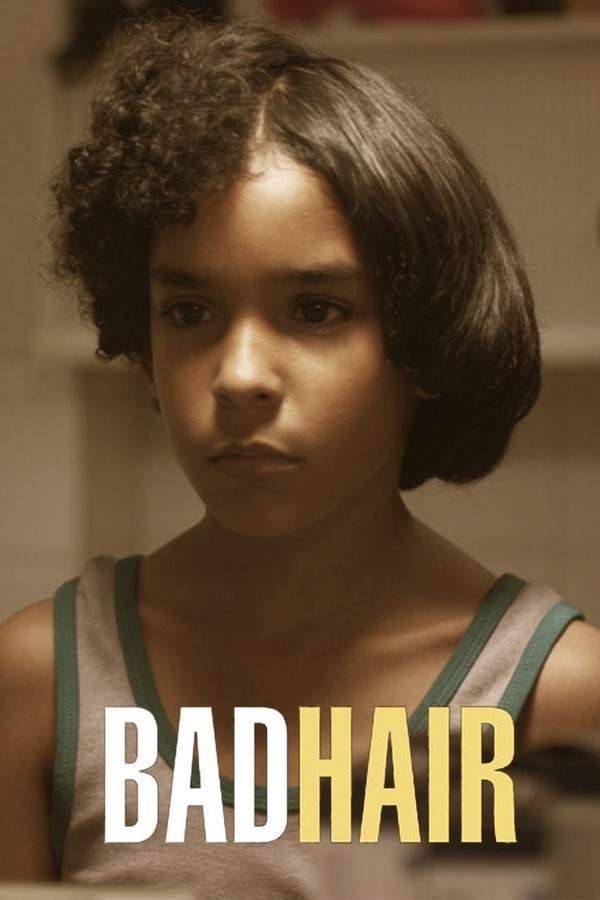
In the cramped, sun‑baked streets of Caracas, a nine‑year‑old boy wrestles with more than the heat that seeps through his thin‑walled apartment. Junior lives with his widowed mother and baby brother, and every morning his reflection reminds him of a cultural script that values smooth, straight hair over the natural curls that crown his head. The film opens on that quiet, persistent struggle—a desire to look like the polished faces that flood the television, and a yearning to belong in a world that measures worth by appearance.
La Niña, the neighborhood girl who delights in princess dresses and glittering makeup, becomes Junior’s counterpart in a friendship built around the nightly ritual of watching Venezuelan beauty pageants. Together they navigate a universe where glamour glitters on the screen while their own lives are lined with cracked plaster and the lingering scent of mayonnaise‑slicked hair. Their shared fascination highlights the paradox of childhood innocence colliding with adult‑sized expectations, especially as Junior dreams of stepping into a world where straight hair could grant him a different kind of confidence.
Meanwhile, Junior’s mother watches her son’s preoccupation with a mixture of love and unease. Her own challenges loom large, and she worries that the boy’s fixation is a symptom of deeper uncertainty. Their relationship, already fragile from loss and hardship, becomes a quiet battleground where cultural pressure, personal insecurities, and the need for acceptance swirl together. The tone remains intimate and unflinching, blending the gritty realism of a struggling Caracas household with the tender, often painful, coming‑of‑age moments that define a child’s search for identity. The story invites viewers to linger on the subtle ways love, tradition, and the desire to be seen intersect in the lives of those who quietly yearn for a different reflection.
What Happens in Bad Hair?
The complete story of Bad Hair, from the first scene to the last, in 534 words (about 2 minutes). Spoilers throughout.
Spoilers ahead
In Caracas, a nine-year-old boy named Junior lives in a cramped, rundown apartment with his widowed mother and baby brother. He carries a quiet burden in his hair, often described by others as pelo malo — a Spanish term that refers to his kinky, stubborn curls. He spends long hours trying to straighten it using improvised methods, from mayonnaise to various homemade remedies, a ritual that leaves him both hopeful and frustrated. His mother, worn down by daily struggles, views this obsession with his appearance as troubling and out of place for a boy his age, which gnaws at their relationship and adds tension to their already fragile home life.
Junior finds a kind of companionship and escape in his neighborhood friend, La Niña. Their afternoons are spent inside La Niña’s apartment, where the television becomes a doorway to endless Venezuelan beauty pageants. La Niña embodies a quintessential “girly girl” fantasy—she dresses like a princess, brushes on makeup, and surrounds herself with dolls and glitter. Junior, meanwhile, is drawn to the world of pageants in his own way: on school picture day, La Niña chooses to appear as a princess, while Junior longs to present himself as a singer with straight hair, a look that feels more true to his evolving sense of self.
The tension between appearance and acceptance deepens as his mother reacts with growing concern and suspicion. She interprets Junior’s grooming habits as a sign of something she does not approve of, even asking the doctors if he is growing normally or if there might be an issue with his sexual identity. Twice she takes him to see a physician, seeking reassurance that her son will “develop correctly.” The doctor suggests that Junior might benefit from a stronger male influence at home, a remark that only intensifies her sense of responsibility and urgency to control the situation.
In a moment that changes the texture of their home forever, the mother brings home her boss and exposes Junior to a troubling scene meant to shock him out of his preoccupations. The details are left unspoken here, but the impact is clear: Junior is forced to confront a reality that unsettles him deeply, and he tries to avert his gaze, turning away in his own bed as the door stands ajar.
Faced with an impossible choice, the mother delivers an ultimatum: either shave his hair to conform, or move in with his grandmother, an older Black woman who has her own expectations for femininity and behavior. The grandmother envisions a different, softer path for Junior, one that embraces a more feminine demeanor than his mother permits. The conflict between generations, class, and cultural pressures comes to a head as Junior weighs belonging against his own sense of self.
Ultimately, Junior agrees to shave his hair, hoping to secure stability and a sense of belonging within his family. The film closes on this decision, leaving the impression of a boy who has chosen conformity in a world where appearances and norms weigh heavily on every step he takes. The story lingers with the questions it raises about identity, parental influence, and the price of fitting into expectations that can feel both personal and imposed.
Bad Hair Timeline: Every Key Event in Order
12 key events in the order they happen, from “Life in Caracas: a cramped home” to “Concession: shaving his hair”. 12 events name a place, across 8 locations.
- 1
Life in Caracas: a cramped home
Junior, a nine-year-old pardo boy, lives with his widowed mother and baby brother in a shabby Caracas apartment. His obsession with straightening his hair, 'pelo malo', dominates his daily routine and becomes a source of tension with his mother. She views his grooming as inappropriate for a boy his age.
Where:Caracas, Venezuela
- 2
Hair care as rebellion
Junior clings to grooming rituals, trying different methods to tame his curls. The attempt to control his appearance strains the mother-son relationship as she scolds his fixation and questions its normalcy.
Where:Home, Caracas
- 3
Watching beauty pageants at La Niña's apartment
Junior and his neighborhood friend La Niña spend long hours in her apartment watching Venezuelan beauty pageants on TV. La Niña lives a princess fantasy, while Junior fantasies about being a singer with straight hair.
When:Evenings Where:La Niña's apartment, Caracas
- 4
School pictures and gendered expectations
As school pictures approach, La Niña dresses as a princess and Junior imagines himself as a singer with straight hair. The moment underscores the clash between his self-image and how others expect him to look.
When:School pictures day Where:School/Photo location
- 5
Mother's fear of homosexuality
The mother interprets Junior's grooming as a sign of homosexuality and grows anxious about his development. She worries about what others will think and tries to steer him away from such behavior.
Where:Home, Caracas
- 6
First doctor's visit
The mother takes Junior to a doctor to determine if he is developing normally. The doctor asks questions and observes his behavior, offering a clinical perspective on his demeanor.
Where:Doctor's clinic
- 7
Second doctor's visit and a blunt question
After a second visit, the mother directly asks the doctor whether her son is gay, pressing for a verdict about his sexuality. The doctor notes concerns about his emotional development and family influence.
Where:Doctor's clinic
- 8
Doctor's suggestion about male influence
The doctor hints that Junior might benefit from a stronger male presence at home, implying that family dynamics may be shaping his behavior and feelings. He explains that a supportive male role model could help guide his development.
Where:Doctor's clinic
- 9
A traumatic home scene
To assert control or discipline, the mother brings her boss into the home and engages in an intimate encounter, forcing Junior to witness it. He hides or looks away, overwhelmed by what he sees and overhears.
Where:Mother's home
- 10
Ultimatum: shave or move to grandmother
Following the unsettling incident, the mother gives Junior an ultimatum: shave his hair or move in with his grandmother. The demand makes gender presentation the decisive measure of his safety and belonging.
Where:Home
- 11
Grandmother's household and new expectations
Junior goes to live with his grandmother, an older woman who wants him to adopt more feminine behavior. He confronts a different set of expectations about how a boy should look and act.
Where:Grandmother's house
- 12
Concession: shaving his hair
Under pressure, Junior agrees to shave his hair to satisfy his mother's demand. The act marks a turning point, with the future uncertain but the immediate conflict resolved on her terms.
Where:Home
Who Are the Main Characters in Bad Hair?
3 characters, among them Junior, La Niña and Mother: who each one is and the part they play in the story.
- J
Junior
A nine-year-old pardo boy in Caracas who fixates on his hair and grooming, seeing it as a route to belonging and self-expression. He grapples with school portrait expectations and his own sense of masculinity, balancing a desire to sing with the pressures of his mother's rules. His sensitivity to appearance and peers marks him as seeking identity amidst a challenging home life.
- 👦 Curious
- 💇 Hair-obsessed
- 🧭 Identity-seeker
- LN
La Niña
Junior's neighborhood friend, a classic 'girly girl' who embraces beauty pageants and princess-like play. She shares the pageant obsession and lifestyle with Junior, shaping how he views gender performance and self-presentation. Her friendship offers moments of warmth amid the tense household dynamics.
- 👧 Girly
- 🎀 Pageant culture
- 🤝 Friendship
- M
Mother
A widowed mother whose strict stance on appearance and behavior reflects a protective but misinformed attempt to control her son's life. She views grooming as a sign of potential sexuality and seeks to enforce conventional masculinity, contrasting with other family influences. Her actions catalyze Junior's choice between conformity and independence.
- 👩 Maternal role
- 🗝️ Authority
Where and When Is Bad Hair Set?
Bad Hair is set in Caracas and Venezuela (early 2010s). Here is why the time and place matter to the story.
When
early 2010s
The story unfolds in contemporary urban Venezuela, anchored to present-day realities rather than a distant past. Life moves around school portraits, household chores, and neighborhood routines, all framed by current cultural references like beauty pageants on television. Economic precarity and social expectations influence how characters present themselves and how they are perceived by others. The period feels immediate and specific to the setting.
Where
Caracas, Venezuela
The film is set in a cramped, decaying apartment in Caracas, reflecting a dense urban environment. It foregrounds a working-class neighborhood where daily life unfolds amid noise, heat, and limited resources. The city’s social dynamics—pageants, media, and neighborhood interactions—shape the characters’ routines and pressures. This urban backdrop acts as a microcosm for broader issues of family, identity, and belonging.
- 🏙️ Urban life
- 💔 Poverty and resilience
- 🎭 Culture and media
What Are the Themes of Bad Hair?
3 ideas the story keeps returning to, among them Identity, Gender norms and Family.
-
01
Identity
Junior's fixation on his hair and appearance serves as a lens for his quest to understand who he is. The film explores how a child negotiates personal identity under the weight of family expectations and cultural standards. Hair becomes a tangible symbol of his struggle between conformity and self-expression. Through Junior, the story examines how identity can be shaped, challenged, or constrained by those around him.
-
02
Gender norms
The mother links grooming with masculine adequacy and suspects nonconformity, highlighting pressures to perform a strict gender script. Junior must navigate expectations of how a boy should look and behave, often at odds with his own desires. The narrative critiques rigid societal norms imposed by adults and peers. It shows how these norms can harm a child when applied as definitive rules.
-
03
Family
The apartment becomes a pressure cooker where care, control, and conflict collide. The widowed mother enforces strict rules, while the grandmother offers an alternative, more permissive influence, illustrating different paths of nurturing a child. Poverty and domestic dynamics shape choices, revealing how love and constraint coexist in the home. The film uses the family as a lens to examine resilience amid hardship.
What Kind of Film Is Bad Hair?
Melancholic in tone, with slow pacing and a straightforward story, going by the plot summary.
- Tone
- Melancholic
- Pacing
- Slow
- Story
- Straightforward
- Intensity
- Medium
- Ending
- Bittersweet
A slow, melancholic, and emotionally heavy film that immerses the viewer in the oppressive atmosphere of poverty and a young boy's painful struggle for identity against societal pressures.
- oppressive
- melancholic
- claustrophobic
- anxious
- introspective
- somber
- coming of age
- mother-son relationship
- homophobia
- identity crisis
Content notes: child witnessing sex, emotional abuse, homophobia.
Quiz
How well do you remember Bad Hair? Test yourself on the story.