What Is An Epitaph for Barbara Radziwill About?
The premise of An Epitaph for Barbara Radziwill in 316 words, with nothing given away. The full story follows below.
In the hushed corridors of a 16th‑century Commonwealth, politics and devotion drift like mist over the forests of Lithuania and the stone streets of Kraków. The film opens amid a ritualistic procession that carries the weight of memory, setting a tone that blends solemn ceremony with the lingering pulse of unspoken longing. Light filters through cathedral windows, casting elongated shadows that echo the era’s conflicted blend of Renaissance splendor and the stark realities of court intrigue.
At the heart of this world stands Barbara Radziwiłł, a young Lithuanian widow whose presence reshapes the king’s heart. Opposite her, Sigismund II August wrestles with the expectations of a dynasty while navigating a love that defies his lineage’s prescriptions. Their bond is observed from the periphery by the formidable Bona Sforza, the king’s mother, whose seasoned gaze measures every affection against the stability of the realm. Nearby, Elizabeth of Austria, the ailing queen, embodies a fragile link to the throne’s continuity, while Piotr Kmita and other nobles linger in the background, ready to voice the concerns of a council that prizes tradition above passion.
A quiet yet pivotal figure is the anonymous court poet, whose verses are meant to immortalize the queen’s essence. Charged with crafting an epitaph, he becomes a conduit for the inner turmoil that permeates the court, his struggle mirroring the larger challenge of conveying love within the strict confines of protocol. The film’s narrative unfurls through layered flashbacks, each a brushstroke that paints the rise of a romance, the pressures of a Sejm’s expectations, and the lingering question of where personal desire ends and sovereign duty begins.
Through its measured pacing and lyrical cinematography, the story invites viewers to contemplate how history remembers love, how memory can both soften and sharpen the edges of power, and how the echo of a single heart can reverberate across a kingdom long after the final hymn has faded.
What Happens in An Epitaph for Barbara Radziwill?
The complete story of An Epitaph for Barbara Radziwill, from the first scene to the last, in 624 words (about 3 minutes). Spoilers throughout. Names in the text link to 8 cast member pages.
Spoilers ahead
In 1551, Cracow, the king buries his wife, Queen Barbara Radziwiłł, and leads a funeral procession toward Wilno to lay her to rest there, a journey that runs through memory and desire. A court poet, whose identity remains hidden, travels with the cortege and seems to nurse unspoken feelings for the late Queen; Sigismund Augustus asks him to craft an epitaph, yet the words stubbornly fail him. The tale unfolds through a tapestry of flashbacks that reveal how this royal romance began, faced peril, and left a lasting imprint on the throne and the realm.
The story traces the young Sigismund Augustus, who is co-ruling with his father, Sigismund I, a man whose reign is about to end. The political stage is crowded with competing loyalties and the weight of dynastic lines. Elizabeth of Austria, the young queen who accompanies the king to Wilno, is portrayed as gravely ill from epilepsy and unable to bear a child, a condition that shapes the king’s decisions and his distance from her. Elizabeth’s fate accelerates a shift in power and affection within the court, while the king’s mother, Queen Bona Sforza, watches closely and weighs every move.
In Gieranony, amidst the forests and memories of Lithuania, Sigismund Augustus meets a young widow, Barbara Radziwiłł, and the two embark on an affair that transcends the boundaries of court life. Their bond deepens even after Elizabeth joins her husband in Wilno, and soon Elizabeth dies, a turning point that leaves Barbara newly central to the king’s life. The relationship sparks a confrontation with tradition and the political machinery of the crown.
On Sigismund’s birthday, Barbara becomes a focal point of court intrigue as her relatives urge the marriage to cement the Radziwiłł name. Yet crossing the line into wedlock without coronation brings the risk of alienating nobles and destabilizing the throne. The king refuses to abandon Barbara, and Bona’s objections intensify as she warns that legitimacy and succession hinge on a crowned consort.
The narrative follows Barbara as she becomes pregnant twice, though heartbreak shadows the pregnancies with miscarriages. The Sejm in Piotrków becomes a crucible where nobles publicly oppose the royal match and demand that Sigismund annul his marriage. Piotr Kmita, a figure among the nobles, voices strong resistance to the mésalliance, while the king remains resolute, even threatening abdication if the assembly cannot accept his Queen.
Despite the mounting opposition, Barbara is ultimately crowned, a historic moment that temporarily steadies the realm but soon tests her health. In quiet recollections, Barbara speaks of childhood days in Lithuania and of the happier moments she shared with Augustus back in Wilno, underscoring how memory sustains love even as illness tightens its grip. Yet in the face of illness, Barbara’s wish remains steadfast and intimate: she asks to be buried in Wilno, not in Poland, so that the place of their first bond becomes her final resting ground.
In the present, as Barbara’s funeral procession approaches Wilno, Sigismund experiences a haunting vision: his wife and her younger self seem to come together in a moment of reconciliation and peace, a reconciliation that history itself could not grant but that memory preserves. The film closes on that dreamlike image, leaving the king with a sense of closure and a reminder of the power of love to endure beyond politics and time.
- Barbara Radziwiłł, Anna Dymna
- Queen Bona Sforza, Aleksandra Śląska
- Elizabeth of Austria, Bożena Adamek
- Piotr Kmita, Leonard Pietraszak
- An anonymous court poet, Krzysztof Kolberger
- Zygmunt I Stary, Zdzisław Koźień
- Zygmunt II August, Jerzy Zelnik
- Katrina, Hanna Stankówna
- The actor playing the line of the king’s life (and other roles) remains a memory, while the living ones carry the weight of history.
An Epitaph for Barbara Radziwill Timeline: Every Key Event in Order
14 key events in the order they happen, from “Funeral procession begins in Cracow” to “Vision of Barbara and childhood-self”. 14 events name a place, across 10 locations.
- 1
Funeral procession begins in Cracow
In 1551, Sigismund Augustus leads Barbara Radziwiłł's funeral procession from Cracow toward Wilno. A court poet travels with the entourage in disguise, bearing unspoken feelings for the late queen. He is asked to write an epitaph, but struggles to find words that fit Barbara's memory.
When:1551 Where:Cracow
- 2
Hidden poet and request for epitaph
The king requests an epitaph for Barbara while their identities remain hidden in the procession. The poet's concealed love for Barbara colors his task and complicates what should be a simple tribute. The moment foreshadows the tension between public duty and private longing.
When:1551 Where:On the road from Cracow to Wilno
- 3
Death of Sigismund I and marriage announcement
Flashbacks reveal the death of Sigismund I and Augustus's rise to power. He publicly announces his plan to marry Barbara, drawing fire from the court and from his mother Bona Sforza. The dynastic stakes begin to harden as family politics intrude on romance.
When:mid-16th century Where:Poland court
- 4
Augustus meets Barbara in Gieranony
In Gieranony, the young king meets Barbara Radziwiłł, a widow whose charm sparks a forbidden romance. Elizabeth of Austria remains his wife at this time, complicating any potential union. Their relationship quickly takes on a life beyond courtly propriety.
When:mid-16th century Where:Gieranony
- 5
Elizabeth's illness and Barbara's rise
Elizabeth's epilepsy leaves her unable to bear a child, prompting Augustus to distance himself. Barbara's influence grows as the affair deepens, and Elizabeth travels with her husband to Wilno before dying. The personal is rapidly turning political.
When:mid-16th century Where:Wilno/Poland
- 6
Birthday visit and marriage persuasion
On Augustus's birthday, he visits Barbara and is persuaded by her relatives to marry her to preserve the Radziwiłł name. He weighs the idea of staying with Barbara without coronation, but his mother argues that only a crowned queen can sire an heir.
When:mid-16th century Where:Wilno
- 7
Barbara's pregnancies and miscarriages
Barbara becomes pregnant twice, but both pregnancies end in miscarriage. The heartbreak strains the couple and intensifies political calculations around succession. Their private joy collides with the public demand for a legitimate heir.
When:mid-16th century Where:Wilno
- 8
Sejm in Piotrków and dynastic pressure
Polish nobles gather at Sejm in Piotrków to condemn the mésalliance and press for annulment. Sigismund rejects their demand and even threatens abdication if they refuse to acknowledge Barbara. The crown's future is put on the line by the conflict between love and law.
When:mid-16th century Where:Piotrków
- 9
Barbara crowned queen
Despite heavy opposition, Barbara is crowned queen, elevating her status and complicating the political landscape. The coronation marks a new phase for the royal couple as they navigate courtly politics and personal risk. Her health, however, begins to falter as the era of public life takes a toll.
When:mid-16th century Where:Poland
- 10
Barbara's health deteriorates
After the coronation, Barbara's health declines, casting a shadow over the couple's triumph. She recalls happier times in Lithuania and Wilno, highlighting how private memories clash with public duties. The end of her life approaches as the political machinery continues to turn.
When:mid-16th century Where:Wilno
Show the other 4 events of An Epitaph for Barbara Radziwill Hide the last 4 events
- 11
Deathbed plea to be buried in Wilno
On her deathbed, Barbara asks Sigismund to have her buried in Wilno rather than in Poland. The request emphasizes where their love began and where she feels most at home. Sigismund promises to honor her wish despite the sorrow surrounding the vow.
When:1551 Where:Deathbed in Wilno
- 12
Barbara dies in Wilno
Barbara Radziwiłł dies in Wilno, leaving a void in the royal court and changing the course of Polish history. Her death cements the emotional cost of the marriage and the dynastic pressures that surrounded it. Sigismund contends with both grief and the public expectations of a grieving king.
When:1551 Where:Wilno
- 13
Funeral procession reaches Wilno
Barbara's funeral procession finally arrives in Wilno, completing the long journey from Cracow. The city prepares to honor the queen whose life bridged romance and politics. The scene underscores the enduring tension between private memory and public ceremony.
When:1551 Where:Wilno
- 14
Vision of Barbara and childhood-self
Before entering Wilno, Sigismund sees a vision of Barbara and her younger self, now at peace with the events that shaped their lives. The vision offers a bittersweet closure, suggesting reconciliation between memory and reality. The film ends on a note of tranquil acceptance.
When:1551 Where:Before Wilno gate
Who Are the Main Characters in An Epitaph for Barbara Radziwill?
11 characters, among them Barbara Radziwiłłówna (Anna Dymna), Zygmunt II August (Jerzy Zelnik) and Zygmunt I Stary (Zdzisław Koźień): who each one is and the part they play in the story. Every profile links to the actor’s page.
-
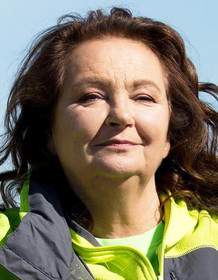
Barbara Radziwiłłówna (Anna Dymna)
Played by Anna Dymna
A young widow who becomes queen consort through Sigismund II Augustus, Barbara embodies a combustible mix of charm, vulnerability, and political risk. Her relationship with the king tests dynastic legitimacy and provokes strong opposition from powerful courtiers and Bona Sforza. Her health and the burdens of royal life intensify the drama around succession and memory.
- 💖 Royal romance
- 👑 Queen consort
- 🩺 Health struggles
- ZI
Zygmunt II August (Jerzy Zelnik)
Played by Jerzy Zelnik
The young king torn between love and duty, his secret marriage to Barbara challenges noble expectations and the queen’s overshadowing influence of Bona Sforza. He navigates court politics while facing the burden of legitimacy and the expectations of an heir.
- 👑 Power
- 💔 Forbidden love
- 🗳️ Dynastic politics
- ZI
Zygmunt I Stary (Zdzisław Koźień)
Played by Zdzisław Kozień
The older king whose legacy and death set the stage for the succession crisis. His reign provides the historical backdrop against which Sigismund II Augustus must prove his legitimacy and handle powerful nobles.
- 👑 Royalty
- 🕰️ Legacy
- QM
Queen Mother Bona Sforza (Aleksandra Śląska)
Played by Aleksandra Śląska
A formidable matriarch whose political acumen and influence seek to shape dynastic outcomes. She resents Barbara’s status and works to preserve the family’s and realm’s interests, often clashing with the king and Barbara.
- 👑 Matriarch
- 🧠 Political influence
- ⚖️ Court politics
- EH
Elizabeth Habsburżanka (Bożena Adamek)
Played by Bożena Adamek
Elizabeth of Austria, the ailing queen whose fertility and health affect dynastic plans and alliances. Her presence underscores the personal costs of royal politics and the fragility of lineage.
- 🌟 Royal wife
- 🤕 Illness
-
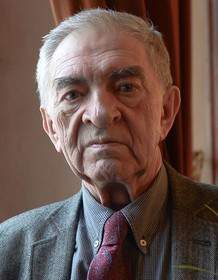
Mikołaj "Czarny" Radziwiłł (Jerzy Trela)
Played by Jerzy Trela
Barbara’s brother, a powerful noble whose loyalties and ambitions intersect with the court’s delicate balance of power. He embodies the competitive and protective dynamics within the Radziwiłł family.
- 🤝 Noble family
- 🗡️ Political intrigue
- PK
Piotr Kmita (Leonard Pietraszak)
Played by Leonard Pietraszak
A Polish noble who vocally participates in sejm debates and the broader political discourse surrounding the mésalliance and royal decisions. His stance reflects aristocratic concerns with honor and lineage.
- 🏛️ Sejm politics
- ⚖️ Aristocracy
- PB
Piotr Boratyński (Franciszek Pieczka)
Played by Franciszek Pieczka
A noble whose role in the court helps shape dynastic alliances and the balance of power among influential families. His actions contribute to the unfolding political calculus.
- 🏰 Noble life
- 🗺️ Court alliances
- A(
Anonimus (Krzysztof Kolberger)
Played by Krzysztof Kolberger
An unnamed court poet whose task to compose the epitaph for Barbara anchors the theme of memory. His anonymity underscores the elusive nature of art within royal courts.
- 🎭 Art
- ✍️ Poetry
- OW
Ochmistrz Wolski (Jan Machulski)
Played by Jan Machulski
A court official whose presence signals the machinery of governance at the royal court. He represents the administrative and ceremonial side of the monarchy.
- 🏛️ Court official
- 🧭 Authority
- K(
Katrina (Hanna Stankówna)
Played by Hanna Stankówna
A noblewoman whose role at court reveals the social dynamics and female perspectives within the Polish-Lithuanian court. Her interactions illuminate the era’s gendered expectations.
- 👗 Court life
- 🗝️ Social dynamics
Where and When Is An Epitaph for Barbara Radziwill Set?
An Epitaph for Barbara Radziwill is set in Cracow, Wilno, Gieranony and Piotrków (1551). Here is why the time and place matter to the story.
When
1551
The action unfolds in the mid-16th century, during the later years of Sigismund I the Old and the early years of his son Sigismund II Augustus. It centers on royal marriages, legitimacy, and the shifting balance of power within the Polish-Lithuanian union. The era’s politics are defined by nobles’ challenges to royal decisions and the social expectations surrounding lineage and succession.
Where
Cracow, Wilno, Gieranony, Piotrków
The story travels between Cracow, the royal seat, and Wilno, the heartland of the Grand Duchy of Lithuania, with pivotal stops in Gieranony and Piotrków where court life and sejm debates unfold. It depicts a 16th-century Polish–Lithuanian royal court steeped in ceremony, political maneuvering, and dynastic ambition. The funeral procession itself anchors the film’s movement through these settings, linking past and present.
- 🏰 Historical
- 🗺️ European
- 👑 Royalty
What Are the Themes of An Epitaph for Barbara Radziwill?
4 ideas the story keeps returning to, among them Power & Marriage, Forbidden Love and Memory & Epitaph.
-
01
Power & Marriage
The narrative treats marriage as a political instrument that shapes succession and legitimacy. Barbara Radziwiłł’s union to Sigismund II Augustus tests dynastic plans and draws opposition from Bona Sforza and the nobility. Personal desire clashes with public duty, driving much of the plot and court intrigue.
-
02
Forbidden Love
A passionate romance between Sigismund and Barbara drives key decisions about coronation and heirs. Their relationship exposes the vulnerabilities of love within a monarchic system, including Barbara’s health challenges and miscarriages that complicate political legitimacy.
-
03
Memory & Epitaph
The present-day funeral voyage to Wilno frames the past as living memory, while the court poet’s struggle to craft an epitaph mirrors the weight of history on the crown. Vision and recollection offer a bittersweet sense of peace amid dynastic turmoil.
-
04
Legacy & Heir
Dynastic concerns for a legitimate heir drive noble politics, Sejm debates, and public scrutiny of the royal couple. Barbara’s coronation and the fate of their union shape the future of the lineage and the state, highlighting the tension between personal status and national continuity.
What Kind of Film Is An Epitaph for Barbara Radziwill?
Melancholic in tone, with slow pacing and a moderate story, going by the plot summary.
- Tone
- Melancholic
- Pacing
- Slow
- Story
- Moderate
- Intensity
- Medium
- Ending
- Bittersweet
A somber and melancholic historical drama that unfolds through poignant flashbacks, chronicling a tragic royal love story overshadowed by political turmoil and untimely death.
- melancholic
- tragic
- reflective
- somber
- historical
- romantic
- tragic romance
- royal marriage
- political conflict
- grief and loss
Content notes: miscarriage, terminal illness.