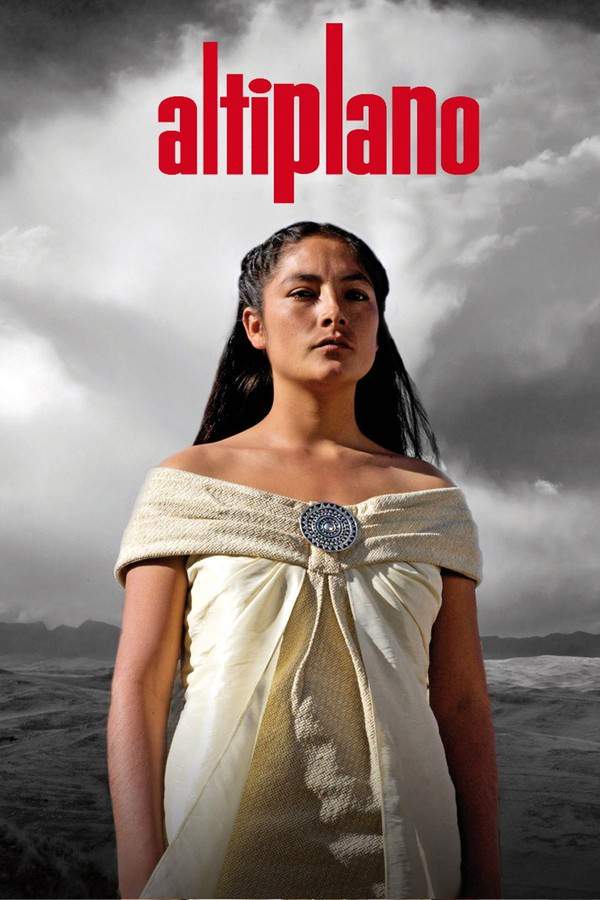
What Is Altiplano About?
The premise of Altiplano in 287 words, with nothing given away. The full story follows below.
In the stark, wind‑scoured altitudes of the Andean highlands, a remote village clings to traditions that have survived centuries of change. The landscape is a tapestry of jagged peaks, thin air, and a silence that feels both oppressive and reverent, setting a tone that is at once beautiful and unforgiving. Against this backdrop, a Belgian doctor and his photographer wife arrive, drawn by a professional call that quickly becomes personal.
Max is an ophthalmologist who has left a bustling European clinic to work in a modest eye‑care outpost perched on the mountain’s edge. His partner, Grace, is a photographer whose career has been shaped by the weight of images that can both reveal and haunt. Together they carry a quiet curiosity, each hoping the stark scenery will offer a chance to heal—physically for the locals, and emotionally for themselves.
The nearby community is caught in a uneasy standoff between an indigenous tribe rooted in ancient customs and a powerful mining corporation whose operations echo the louder, modern pulse of progress. As the couple settles into the rhythm of village life, they find themselves observing a fragile resistance that is as much about protecting the land as it is about preserving identity. Their presence becomes a lens through which the tension between old and new is amplified, inviting them to document a story that feels larger than any single voice.
Both Grace and Max are compelled to navigate the delicate balance of being outsiders who bear witness, each grappling with their own inner landscapes of grief, purpose, and belonging. The film’s tone hovers between contemplative stillness and simmering unrest, inviting viewers to feel the weight of the Andes and the quiet resolve of those who call it home.
What Happens in Altiplano?
The complete story of Altiplano, from the first scene to the last, in 420 words (about 2 minutes). Spoilers throughout.
Spoilers ahead
In a quiet, restrained drama, Grace, a photographer, carries the weight of a forced image: she is devastated after being coerced to photograph the killing of her guide during a perilous moment in Iraq. Returning to Belgium, she quietly withdraws the photograph from circulation even after it had already been nominated for the Pulitzer Prize, a symbol of both recognition and moral doubt that haunts her. Her husband, Max, an ophthalmologist, leaves their life behind to work at an eye clinic high in the Andes of Peru, drawn by a different kind of calling and the distance it offers from the images that haunt Grace.
Soon after, a local mine spills mercury, poisoning the people of the nearby village of Turubamba. Grace’s husband and his fellow doctors notice signs that something toxic is at work and begin gathering data and trying to understand the source of the illness. The doctors’ scientific curiosity is tangled with the villagers’ fear and anger, as they wrestle with an unknown toxin and the toll it takes on their families.
Among the villagers is Saturnina, a young woman who loses her fiancé to the contamination. When the doctors arrive, Saturnina’s fiancé’s mother outright rejects their request to examine the body, and the community’s rage shifts toward the medical team. The situation erupts in violence: Max is stoned to death by the crowd, a brutal moment that cements the fragility of trust between the outsiders and Turubamba’s residents. Saturnina leads a peaceful, but ultimately futile, demonstration against the mine’s truck drivers, a sign of the town’s desire for accountability that cannot be fully satisfied through protest alone. After the mine’s operations cease, Saturnina makes a desperate choice, drinking mercury herself and filming the moment on a camera that Max had dropped when he was killed, a haunting record of loss that mirrors Grace’s own unresolved grief.
Driven by a need to understand the events that took Max from her, Grace sets out on a personal journey to the place where he died. She is welcomed by Saturnina’s mother, who offers hospitality as Grace confronts the intertwined stories of longing, illness, and retaliation. Grace watches the powerful video made by Saturnina, a document that reframes the tragedy from a new, intimate perspective. In the end, Grace participates in Saturnina’s funeral and slowly allows herself to begin moving beyond the profound mourning she has carried for her husband, finding a path forward through the memory of the life they shared and the mysteries that still surround their deaths.
Altiplano Timeline: Every Key Event in Order
12 key events in the order they happen, from “Grace forced to photograph killing in Iraq” to “Grace attends Saturnina's funeral and finds closure”. 12 events name a place, across 6 locations.
- 1
Grace forced to photograph killing in Iraq
Grace is compelled to take a photograph of her guide's death during a violent incident in Iraq. The image haunts her and colors her view of photography and guilt. This trauma sets the emotional basis for the story that follows.
When:During the conflict in Iraq Where:Iraq
- 2
Pulitzer nomination for the Iraq photo and Grace withdraws the photo
Back in Belgium, the Iraq image is nominated for the Pulitzer Prize. The weight of the event and Grace's trauma lead her to withdraw the photograph from consideration. The withdrawal marks a pivotal moment in her career and conscience.
When:Shortly after returning from Iraq Where:Belgium
- 3
Max leaves Belgium for the Andes
Grace's husband, Max, an oculist, leaves to work at an eye clinic in the Andes in Peru. He aims to help people affected by health crises in the mining region. His departure foreshadows the later tragedy.
When:After Grace withdraws the photo Where:Andes, Peru
- 4
Mercury spill contaminates Turubamba
A local mine spills mercury, causing illnesses among villagers near Turubamba. Max and his fellow physicians suspect toxins and decide to collect more data to understand the cause. The contamination triggers medical investigations and rising tension.
When:Shortly after Max arrives Where:Turubamba, Peru
- 5
Saturnina loses her fiancé to contamination
Saturnina, a young woman from the village, loses her fiancé to the mercury contamination. The tragedy increases anger and distrust toward the medical team among villagers. The community becomes a focal point for the crisis.
When:Following the spill Where:Turubamba
- 6
Doctors attacked; Max is killed
The villagers' anger erupts into violence and Max is stoned to death. Saturnina's mother angrily rejects the doctors' request to examine the body, highlighting the mistrust toward outside help. The death marks a turning point in the conflict.
When:During the peak of the conflict Where:Turubamba
- 7
Saturnina leads a failed demonstration
Saturnina leads a demonstration against the mine's truck drivers in protest of the contamination. The scene shows the villagers' desperation and limited power to push back against the machine-driven industry. The effort ends unsuccessfully.
When:After Max's death Where:Turubamba
- 8
Mine closure and Saturnina's suicide
After the mine's closure, Saturnina drinks mercury to end her life. She films her death on the same camera Max had dropped. The recording becomes a haunting record of the tragedy and the community's suffering.
When:After mine closure Where:Turubamba
- 9
Grace journeys to Turubamba to find Max
Grace sets out on a journey to the place of Max's death to seek understanding and closure. Her pilgrimage takes her from Belgium to Turubamba and toward the heart of the tragedy. The journey marks a shift from mourning to pursuit of meaning.
When:After Max's death Where:Turubamba, Peru
- 10
Saturnina's mother welcomes Grace
Saturnina's mother welcomes Grace and offers hospitality, creating a fragile bridge between the victims and the outsiders. This hospitality allows Grace to learn more about Saturnina and the events surrounding the mine. The encounter deepens Grace's resolve to understand the tragedy.
When:Upon arrival Where:Saturnina's village, Turubamba
- 11
Grace watches Saturnina's video
Grace watches the video Saturnina made, which records her own death and the toll of the contamination. The footage is linked to the camera Max dropped during his death, tying the two tragedies together. The video becomes a catalyst for Grace's understanding.
When:Shortly after arrival Where:Turubamba
- 12
Grace attends Saturnina's funeral and finds closure
Grace participates in Saturnina's funeral and begins to let go of her mourning for Max. Through the community's grief and Saturnina's testament, she finds a path toward healing. The journey ends with a sense of closure and acceptance.
When:End of journey Where:Turubamba
Who Are the Main Characters in Altiplano?
4 characters, among them Grace, Max and Saturnina: who each one is and the part they play in the story.
- G
Grace
Grace is a photographer who is devastated after being forced to take a picture of a killing in Iraq. She withdraws the image after it starts gaining Pulitzer attention, a decision that weighs on her conscience. Back in Belgium, she grapples with her husband Max’s absence and the moral implications of depicting violence. Her quest in Turubamba becomes a path to mourning, truth, and eventual closure.
- 📷 Photographer
- 💔 Grieving
- 🧭 Determined
- M
Max
Max is an oculist who travels from Belgium to the Peruvian Andes to work at an eye clinic. He and his fellow physicians suspect toxins from a local mine as the cause of widespread illness. They gather data in Turubamba to prove a connection and understand the health crisis. He is ultimately killed when the villagers turn hostile toward the outsiders.
- 🩺 Doctor
- 💪 Resolute
- 🧭 Pursuer of truth
- S
Saturnina
Saturnina is a young woman from Turubamba who loses her fiancé to the contamination. She becomes a voice of protest, leading an unsuccessful demonstration against the mine’s truck drivers. After the mine’s closure, she dies by drinking mercury and films her death on the camera Max dropped, leaving a haunting legacy for the community and Grace.
- 🌿 Survivor
- 🗣️ Activist
- 💔 Heartbroken
- SM
Saturnina's mother
Saturnina's mother embodies the village’s protective stance and initial distrust of outsiders. She eventually welcomes Grace and offers hospitality, illustrating the complicated loyalties and emotional stakes within the community. Her reactions reflect the tension between grief, tradition, and the burden of external intervention.
- 🌺 Matriarch
- 🛡️ Protective
- 🌀 Cautious
Where and When Is Altiplano Set?
Altiplano is set in Belgium, Iraq and Turubamba (Peru). Here is why the place matters to the story.
Where
Belgium, Iraq, Turubamba (Peru)
The story traverses several locations, notably Belgium where Grace wrestles with a published image, Iraq where the killing occurs, and Turubamba in the Peruvian Andes where a mercury mine poisons the community. The Andean village becomes the center of the crisis, with locals confronting illness, distrust, and the arrival of physicians. The setting highlights a clash between distant centers of power and a remote community struggling to survive the environmental disaster.
- 🌍 Belgium
- 🗺️ Iraq
- 🗺️ Peru
- 🗺️ Andes
What Are the Themes of Altiplano?
3 ideas the story keeps returning to, among them Grief, Toxicity and Memory.
-
01
Grief
The narrative centers on deep personal loss and the long, sometimes painful process of mourning. Grace grapples with the moral burden of a photograph that captured a death, while Saturnina contends with the loss of her fiancé to the contamination. The film follows how each character navigates guilt, memory, and the urge to move forward after tragedy.
-
02
Toxicity
Mercury poisoning from the mine devastates a rural community, prompting doctors to collect data and seek causes while locals fear exploitation. The crisis tests trust between villagers and medical outsiders, culminating in violence against Max. The narrative examines the human and ethical costs of environmental contamination and inadequate safeguards.
-
03
Memory
Photography and video function as haunting witnesses to violence and illness, shaping how truth is perceived and remembered. Grace's past image, Saturnina's death video, and the act of filming all underscore how memory is constructed and contested. The film uses these records to question whether witnessing can heal or merely preserve grief.
What Kind of Film Is Altiplano?
Bleak in tone, with steady pacing and a moderate story, going by the plot summary.
- Tone
- Bleak
- Pacing
- Steady
- Story
- Moderate
- Intensity
- High
- Ending
- Sad
A deeply somber and tragic film that follows profound personal and communal loss stemming from corporate exploitation, ultimately delivering a heavy, melancholic experience.
- bleak
- grieving
- somber
- tragic
- poignant
- anguished
- grief and loss
- environmental disaster
- cultural conflict
- colonialism
Content notes: suicide, death of a spouse, stoning, mercury poisoning, environmental disaster, war violence.
Quiz
How well do you remember Altiplano? Test yourself on the story.