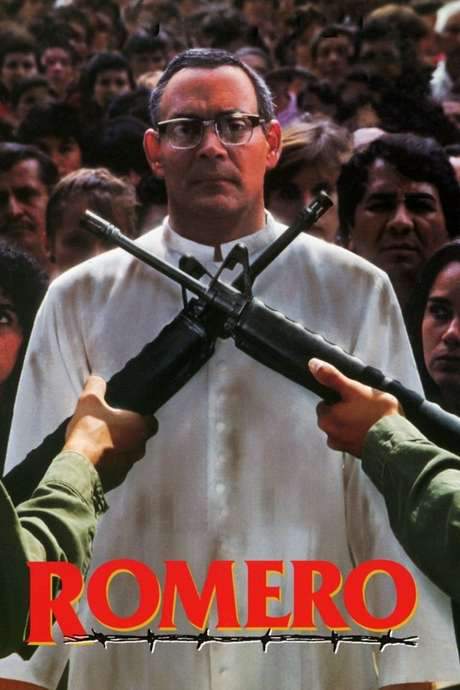
What Is Romero About?
The premise of Romero in 361 words, with nothing given away. The full story follows below.
In the turbulent summer of 1977, the streets of San Salvador pulse with a restless energy as the nation hurtles toward a pivotal election. A backdrop of stark poverty and whispered dissent hangs over bustling markets and quiet chapels alike, creating an atmosphere where the line between hope and fear is constantly redrawn. The film captures this volatile moment with a tactile realism, letting the sounds of distant protests and the weight of unspoken grievances shape a world that feels both intimate and on the brink of upheaval.
At the heart of this charged landscape arrives the newly appointed archbishop, Oscar Romero. A man of deep faith and cautious temperament, he steps into his role with the intention of steering clear of the political storms raging around him. His early days are defined by solemn liturgies, private reflection, and a careful balancing act between spiritual duties and the turbulent reality that seeps through the cathedral doors. Yet the very people he serves—farmers, laborers, and families clinging to fragile livelihoods—begin to draw his attention toward a larger moral responsibility.
Guided by the quiet strength of fellow clergy such as Father Rutilio Grande and Father Osuna, Romero starts to sense the growing chasm between the Church’s teachings and the lived experience of the oppressed. Their whispered conversations and shared concern for the marginalized plant the seeds of an awakening that will challenge his earlier restraint. The film’s tone shifts subtly, weaving together moments of reverent ceremony with the simmering tension of a society on the edge, hinting at a transformative journey that will demand more than ritual alone.
Through measured pacing and evocative cinematography, the story invites viewers to contemplate the power of truth spoken from the pulpit in a nation where silence has long been the safe choice. As Romero wrestles with the weight of his conscience, a delicate dance unfolds between faith, justice, and the fierce desire to give a voice to those who have been unheard for far too long. The mood remains solemn yet hopeful, suggesting that the true battle may lie not in armed conflict but in the courage to speak out when the world most needs it.
What Happens in Romero?
The complete story of Romero, from the first scene to the last, in 524 words (about 2 minutes). Spoilers throughout. Names in the text link to 3 cast member pages.
Spoilers ahead
During the turbulent 1977 presidential election in El Salvador, public unrest runs at a fever pitch as fears of election fraud hang in the air. In the midst of a Marxist-Leninist guerrilla insurgency led by the Farabundo Martí National Liberation Front, the anti-communist military dictatorship employs death squads to abduct, torture, and make people “disappear” who speak out about the regime’s brutal human rights record. Voters are blocked from reaching the polls; soldiers stand in the way of a bus bringing people to town, and when the population chooses to walk, the military fires on vans to ensure there is no way back home. The atmosphere is tense, dangerous, and a stark reminder of how quick violence can escalate when political power is at stake.
The Vatican elevates Archbishop Oscar Arnulfo Romero, Raúl Juliá, to lead the Church in San Salvador, hoping his influence might keep the church out of politics. Yet Romero, though initially appearing apolitical, cannot ignore the mounting deception, oppression, and systemic killings he encounters as he spends more time in his new role. His conscience begins to push back against the regime, even as the country grows more perilous for clergy and civilians alike.
Romero’s path toward outspoken advocacy is deeply shaped by tragedy: the assassination of Father Rutilio Grande, Richard Jordan, a vocal advocate for the poor and a close friend, which drives Romero to speak out against the government’s policies. The regime responds with fierce hostility, ordering death squads to target priests of the archdiocese and manufacturing a climate of fear that makes simple acts of faith feel dangerous and subversive.
In the wake of a botched attempt to rescue a pro-government hostage held by guerrillas, Romero learns that his ally, Father Alfonzo Osuna, Alejandro Bracho, has been captured and tortured. After securing Osuna’s release, Romero leads a boycott of the president-elect’s inauguration and defies the authorities by saying Mass in a church that the military has seized and turned into a barracks. His gestures of defiance grow bolder, even as the risk to his life becomes clearer.
Romero’s commitment to nonviolence remains steadfast, even as he works to secure the release of a soldier held by guerrillas alongside Father Osuna. His efforts do not protect him from arrest, and Osuna’s fate is sealed when he is tortured to death, despite Romero’s desperate pleas. The archbishop’s refusal to adopt the guerrillas’ violent methods marks him as a figure of moral courage under siege, even as the danger surrounding him intensifies.
Ultimately, Romero’s life is cut short while he is saying Mass, outside the bounds of a peaceful faith and into a moment of martyrdom. His assassination becomes a brutal reminder of the costs of dissent in a country torn by conflict, faith, and political power.
The film closes with a stark postscript: by 1992, when the Salvadoran Civil War ended, the total number of Salvadorans killed had risen to over 75,000, underscoring the human toll of years of violence and political strife. The narrative honors Romero’s resolve and the many others who suffered, offering a somber meditation on faith, justice, and the price of speaking truth to power.
Romero Timeline: Every Key Event in Order
13 key events in the order they happen, from “Election unrest and fears of fraud” to “War toll and closing note”. 13 events name a place, across 4 locations.
- 1
Election unrest and fears of fraud
During the 1977 presidential election, public unrest climbs as rumors of fraud spread. Soldiers block a bus carrying voters to towns, and when people begin to walk, they shoot at the vans to prevent the return journey. The scene captures a climate of intimidation that suppresses ordinary participation in the vote.
When:1977 Where:El Salvador
- 2
Death squads and political violence
The anti-communist military dictatorship uses death squads to abduct, torture and disappear anyone who speaks about human rights abuses. The regime's terror aims to silence dissent and maintain control over the population.
When:late 1970s Where:El Salvador
- 3
Romero becomes Archbishop of San Salvador
The Vatican elevates Oscar Arnulfo Romero to Archbishop of San Salvador, hoping he will stay out of politics. He is initially cautious and avoids confrontation with the government, trying to steer a careful path.
When:1977 Where:San Salvador
- 4
Growing awareness of oppression
As he spends more time as archbishop, Romero witnesses deception, oppression, and systemic murder by the regime. He cannot ignore the mounting injustices and begins to speak out, even at personal risk.
When:late 1970s Where:San Salvador
- 5
Assassination of Rutilio Grande
The assassination of Father Rutilio Grande shocks Romero and deepens his resolve to act. The killing demonstrates the regime's willingness to strike at church allies and the poor.
When:1977 Where:San Salvador
- 6
Romero speaks out publicly
Romero begins to publicly challenge the government's oppression and human rights abuses. His outspoken stance heightens the regime's scrutiny and endangers him and his flock.
When:late 1970s Where:San Salvador
- 7
Violence escalates against the clergy
In retaliation to Romero's voice, the regime orders death squads to target priests across his archdiocese. The church becomes a focal point of risk and resistance amid growing violence.
When:late 1970s Where:Archdiocese of San Salvador
- 8
Botched hostage rescue and Osuna's capture
A botched ransom attempt to rescue a pro-government hostage fails, and Romero learns that his friend Fr. Osuna has been captured and tortured. He works to secure Osuna's release despite the personal danger this entails.
When:1980 Where:El Salvador
- 9
Inauguration boycott and Mass in barracks church
After securing Osuna's release, Romero instigates a boycott of the president-elect's inauguration. He defies the regime by saying Mass in a church the military has taken over as a barracks, signaling a bold act of resistance.
When:1980 Where:San Salvador
- 10
Arrest during a rescue attempt
Romero attempts to secure the release of a soldier held by guerrillas and is arrested in the process. The incident underscores the peril of interceding in the conflict and the regime's tightening grip.
When:1980 Where:San Salvador
Show the other 3 events of Romero Hide the last 3 events
- 11
Fr. Osuna tortured to death
Despite Romero's protests, Fr. Osuna is tortured to death by the regime. The murder deepens the church's pain and reinforces Romero's commitment to nonviolence amidst brutal repression.
When:1980 Where:San Salvador
- 12
Romero is assassinated during Mass
Romero is assassinated while saying Mass, specifically during the consecration. His death shocks the nation and resonates around the world as a powerful symbol of resistance.
When:March 24, 1980 Where:Church in San Salvador
- 13
War toll and closing note
The film ends with a note that by 1992, when the Salvadoran Civil War ended, the total number of Salvadorans killed had risen to over 75,000. The distant shadow of Romero's stand lingers over the nation's struggle for justice.
When:1992 Where:El Salvador
Who Are the Main Characters in Romero?
3 characters, among them Archbishop Oscar Romero (Raúl Juliá), Father Rutilio Grande (Richard Jordan) and Father Alfonzo Osuna (Alejandro Bracho): who each one is and the part they play in the story. Every profile links to the actor’s page.
- AO
Archbishop Oscar Romero (Raúl Juliá)
Played by Raúl Juliá
Initially cautious, Romero undergoes a transformation into a vocal critic of the government. He confronts deception and murder within the state, choosing to speak out against human rights abuses. His moral clarity drives him to defend the oppressed, even as the regime pressures him to remain silent.
- ✝️ Archbishop
- 🕊️ Moral Courage
- 🗣️ Voice for the Voiceless
-
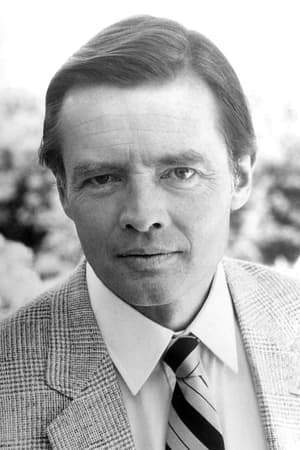
Father Rutilio Grande (Richard Jordan)
Played by Richard Jordan
A close ally and outspoken Jesuit advocate for the poor, Grande's assassination is the catalyst that pushes Romero toward public action. He embodies the church's commitment to social justice in the face of political danger.
- ✝️ Priest
- 🗣️ Orator
- 🤝 Ally
- FA
Father Alfonzo Osuna (Alejandro Bracho)
Played by Alejandro Bracho
A militant critic of the regime, Osuna is captured and tortured, his death fueling Romero's resolve. He represents the risks faced by clergy who challenge state power.
- ✝️ Priest
- 💥 Resistance
- 🗡️ Martyr
Where and When Is Romero Set?
Romero is set in San Salvador and El Salvador (Late 1970s). Here is why the time and place matter to the story.
When
Late 1970s
The story unfolds during El Salvador's late-1970s political crisis, marked by a brutal election period and rising guerrilla activity. State violence and death squads target dissent, while crowds attempt to reach the polls and face intimidation. Romero's arc tracks a shift from caution to outspoken opposition, culminating in his assassination during Mass.
Where
San Salvador, El Salvador
San Salvador, the capital and largest city of El Salvador, is the political and religious center featured in Romero. The film centers on the Archdiocese here, where clergymen become symbols of moral resistance amid looming violence. The streets and churches become stages for public demonstrations and clashes with a government accused of human rights abuses.
- 🕊️ Religion
- 🗳️ Politics
- ⚔️ Conflict
What Are the Themes of Romero?
3 ideas the story keeps returning to, among them Moral Duty, Martyrdom and Oppression.
-
01
Moral Duty
The narrative centers on faith translating into moral obligation. Romero's awakening to systemic oppression shows how religious belief can demand public action, even at great personal risk. The film frames conscience as a guiding force in the face of political expediency and violence.
-
02
Martyrdom
Romero's path leads to a martyr's fate as his Mass becomes the stage of his assassination. The film treats his death not as a lone act but as a culmination of years of advocacy for the vulnerable. The sacrifice is presented as a beacon for truth and justice, remembered beyond the screen.
-
03
Oppression
The story exposes a regime that uses death squads to silence dissent and manipulate the political process. It shows how ordinary people face intimidation and how institutions struggle under the weight of authoritarian violence. The film paints oppression as a systemic force demanding courage from those who resist.
What Kind of Film Is Romero?
Dark in tone, with steady pacing and a moderate story, going by the plot summary.
- Tone
- Dark
- Pacing
- Steady
- Story
- Moderate
- Intensity
- High
- Ending
- Sad
A heavy and tense historical drama that follows the grim moral awakening of a priest amidst political terror, creating an oppressive atmosphere of fear punctuated by moments of courageous defiance that lead to tragic sacrifice.
- somber
- oppressive
- tense
- sad
- hopeful
- defiant
- political corruption
- moral awakening
- social injustice
- religious faith
Content notes: torture, war violence, political assassination, child murder, psychological terror.
Where to Watch Romero
Stream it on Hoopla and Tubi TV, or rent or buy it from Amazon Video. US availability and prices from JustWatch.
Stream 2
 Hoopla
  Tubi TV
 Rent or buy 1

Streaming availability in the US, powered by