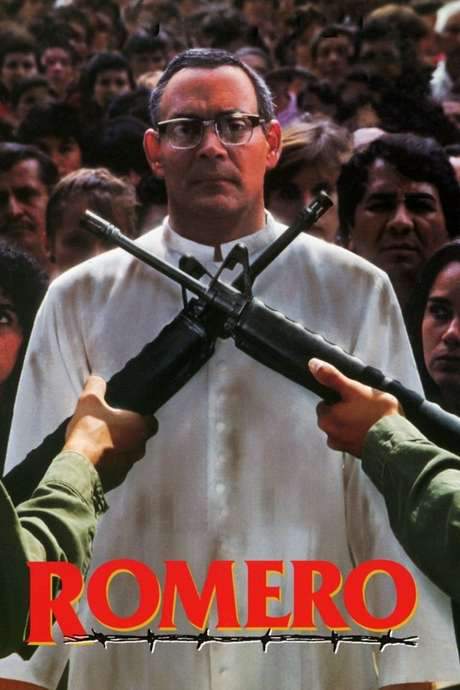
Romero 1989


Defending El Salvador’s poor with only the truth as his weapon, Archbishop Oscar Romero evolves from a cautious, apolitical priest into a powerful voice against oppression. The film traces his moral awakening, his outspoken stand against social injustice, and the ultimate sacrifice he makes for his people.


Does Romero have end credit scenes?
No!
Romero does not have end credit scenes. You can leave when the credits roll.
Where to Watch Romero
See current US streaming, rental, and purchase options for Romero (1989) via JustWatch.



Streaming availability powered by 
Meet the Full Cast and Actors of Romero
Explore the complete cast of Romero, including both lead and supporting actors. Learn who plays each character, discover their past roles and achievements, and find out what makes this ensemble cast stand out in the world of film and television.

Richard Jordan
Father Rutilio Grande

Tony Plana
Father Manuel Morantes
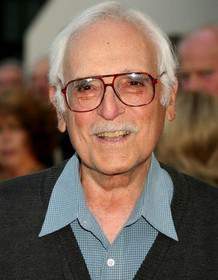
Harold Gould
Francisco Galedo

Damián Alcázar
Campesino
Claudio Brook
Bishop Flores
Omar Rodríguez
Rafael Zelada
Ana Alicia
Arista Zelada
Raúl Juliá
Archbishop Oscar Romero
Tony Perez
Father Rafael Villez
Martin LaSalle
Bishop Rivera y Damas
Eddie Velez
Lt. Columa
Juan Peláez
Ernesto Claramount
Al Ruscio
Bishop Estrada
José Antonio Estrada
man with photo album
Guy De Saint Cyr
Master Sergeant
Paco Mauri
Salvador Ramos
Harold Cannon
Gen. Humberto
Eduardo López Rojas
Bishop Cordova
Alejandro Bracho
Father Alfonzo Osuna
Robert Viharo
Col. Ernesto Dorio
Rubén Rojo
Archbishop Chavez
Lucy Reina
Lucia
Iván Carbajal González
Chavo Ramos
Héctor Herrera
Alvaro Morazon
Sandra Carbajal González
Virginia Ramos
External Links and Streaming Options
Discover where to watch Romero online, including streaming platforms, rental options, and official sources. Compare reviews, ratings, and in-depth movie information across sites like IMDb, TMDb, Wikipedia or Rotten Tomatoes.








Full Plot Summary and Ending Explained for Romero
Read the complete plot summary of Romero, including all major events, twists, and the full ending explained in detail. Explore key characters, themes, hidden meanings, and everything you need to understand the story from beginning to end.
During the turbulent 1977 presidential election in El Salvador, public unrest runs at a fever pitch as fears of election fraud hang in the air. In the midst of a Marxist-Leninist guerrilla insurgency led by the Farabundo Martí National Liberation Front, the anti-communist military dictatorship employs death squads to abduct, torture, and make people “disappear” who speak out about the regime’s brutal human rights record. Voters are blocked from reaching the polls; soldiers stand in the way of a bus bringing people to town, and when the population chooses to walk, the military fires on vans to ensure there is no way back home. The atmosphere is tense, dangerous, and a stark reminder of how quick violence can escalate when political power is at stake.
The Vatican elevates Archbishop Oscar Arnulfo Romero, Raúl Juliá, to lead the Church in San Salvador, hoping his influence might keep the church out of politics. Yet Romero, though initially appearing apolitical, cannot ignore the mounting deception, oppression, and systemic killings he encounters as he spends more time in his new role. His conscience begins to push back against the regime, even as the country grows more perilous for clergy and civilians alike.
Romero’s path toward outspoken advocacy is deeply shaped by tragedy: the assassination of Father Rutilio Grande, Richard Jordan, a vocal advocate for the poor and a close friend, which drives Romero to speak out against the government’s policies. The regime responds with fierce hostility, ordering death squads to target priests of the archdiocese and manufacturing a climate of fear that makes simple acts of faith feel dangerous and subversive.
In the wake of a botched attempt to rescue a pro-government hostage held by guerrillas, Romero learns that his ally, Father Alfonzo Osuna, Alejandro Bracho, has been captured and tortured. After securing Osuna’s release, Romero leads a boycott of the president-elect’s inauguration and defies the authorities by saying Mass in a church that the military has seized and turned into a barracks. His gestures of defiance grow bolder, even as the risk to his life becomes clearer.
Romero’s commitment to nonviolence remains steadfast, even as he works to secure the release of a soldier held by guerrillas alongside Father Osuna. His efforts do not protect him from arrest, and Osuna’s fate is sealed when he is tortured to death, despite Romero’s desperate pleas. The archbishop’s refusal to adopt the guerrillas’ violent methods marks him as a figure of moral courage under siege, even as the danger surrounding him intensifies.
Ultimately, Romero’s life is cut short while he is saying Mass, outside the bounds of a peaceful faith and into a moment of martyrdom. His assassination becomes a brutal reminder of the costs of dissent in a country torn by conflict, faith, and political power.
The film closes with a stark postscript: by 1992, when the Salvadoran Civil War ended, the total number of Salvadorans killed had risen to over 75,000, underscoring the human toll of years of violence and political strife. The narrative honors Romero’s resolve and the many others who suffered, offering a somber meditation on faith, justice, and the price of speaking truth to power.

Coming soon on iOS and Android
The Plot Explained Mobile App
From blockbusters to hidden gems — dive into movie stories anytime, anywhere. Save your favorites, discover plots faster, and never miss a twist again.
Sign up to be the first to know when we launch. Your email stays private — always.
Explore the mobile appDiscover Film Music Concerts Near You – Live Orchestras Performing Iconic Movie Soundtracks
Immerse yourself in the magic of cinema with live orchestral performances of your favorite film scores. From sweeping Hollywood blockbusters and animated classics to epic fantasy soundtracks, our curated listings connect you to upcoming film music events worldwide.
Explore concert film screenings paired with full orchestra concerts, read detailed event information, and secure your tickets for unforgettable evenings celebrating legendary composers like John Williams, Hans Zimmer, and more.


Cars Featured in Romero
Explore all cars featured in Romero, including their makes, models, scenes they appear in, and their significance to the plot. A must-read for car enthusiasts and movie buffs alike.
Romero Themes and Keywords
Discover the central themes, ideas, and keywords that define the movie’s story, tone, and message. Analyze the film’s deeper meanings, genre influences, and recurring concepts.
Romero Other Names and Titles
Explore the various alternative titles, translations, and other names used for Romero across different regions and languages. Understand how the film is marketed and recognized worldwide.
Similar Movies To Romero You Should Know About
Browse a curated list of movies similar in genre, tone, characters, or story structure. Discover new titles like the one you're watching, perfect for fans of related plots, vibes, or cinematic styles.




Quick Links: Summary, Cast, Ratings, More

What's After the Movie?
Not sure whether to stay after the credits? Find out!
Check out our other apps:

SAT Sphere
Build confidence for the Digital SAT.

Mori Atlas
Discover wild places worth protecting.

Luntero
Search smarter for a home in Amsterdam.

Plot Explained
Unravel movie endings and hidden clues.

Pokechamp
Dive into Pokémon data and battle logic.

Driving Theory
Get ready for your European theory test.

Movie Dust
Plan your next cinema trip with ease.

Musemap
Find art and culture as you travel.

Selkobase
Compare credentials before committing.

Local Manual
Turn an unfamiliar country into practical next steps.

Lernavi
Compare school systems before your next move.

GymRoam
Find a workout stop wherever your plans take you.
Explore Our Movie Platform
New Movie Releases (2026)
Famous Movie Actors
Top Film Production Studios
Movie Plot Summaries & Endings
Major Movie Awards & Winners
Best Concert Films & Music Documentaries
Movie Collections and Curated Lists
© 2026 What's After the Movie. All rights reserved.
Privacy Policy