
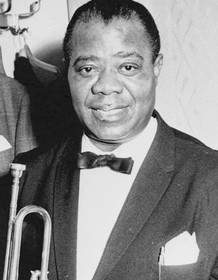
Louis Armstrong: Movies & Box Office
- films
- 35
- on screen
- 1932–2024
- box office
- $3.17M
- average score
- 76
- Born
- August 4, 1901
- Birthplace
- New Orleans, Louisiana, U.S.
- Full name
- Louis Daniel Armstrong
- Citizenship
- United States
- Occupations
- musician, singer, trumpeter
- Years active
- 1918-1971
- Spouses
- Daisy Parker, Lil Hardin Armstrong, Alpha Smith, Lucille Wilson
- Children
- 2
Louis Armstrong's Career in Numbers
Louis Armstrong's films in numbers — as an actor, not counting appearances as themselves: when they were made, the genres Louis Armstrong works in most and the milestones along the way. The filmography runs from I’ll Be Glad When You’re Dead You Rascal You (1932) to Soundtrack to a Coup d'Etat (2024), and the 1930s were the busiest decade.
Louis Armstrong Movies by Decade
- 1930s 5
- 1940s 3
- 1950s 5
- 1960s 4
- 2020s 1
The 1930s were Louis Armstrong's busiest decade, with 5 films.
Louis Armstrong Movies by Genre
- Comedy 5
- Music 4
- Drama 4
- Documentary 2
- Crime 1
- Fantasy 1
- Romance 1
Comedy is the genre Louis Armstrong has worked in most, with 5 films, ahead of music (4).
Louis Armstrong Career Milestones
- First film
- I’ll Be Glad When You’re Dead You Rascal You 1932
- Biggest box office hit
- Soundtrack to a Coup d'Etat $445K worldwide
- Best-rated film
- Soundtrack to a Coup d'Etat Movie Echo Score 78
- Newest film
- Soundtrack to a Coup d'Etat 2024
Louis Armstrong Filmography: Every Movie
Every film Louis Armstrong is credited on, newest first, with the role, the box office and the Movie Echo Score. Rated films average a score of 76. Re-order the list to see the best-rated films or the biggest hits first.
Louis Armstrong Movies as an Actor
18- 2024
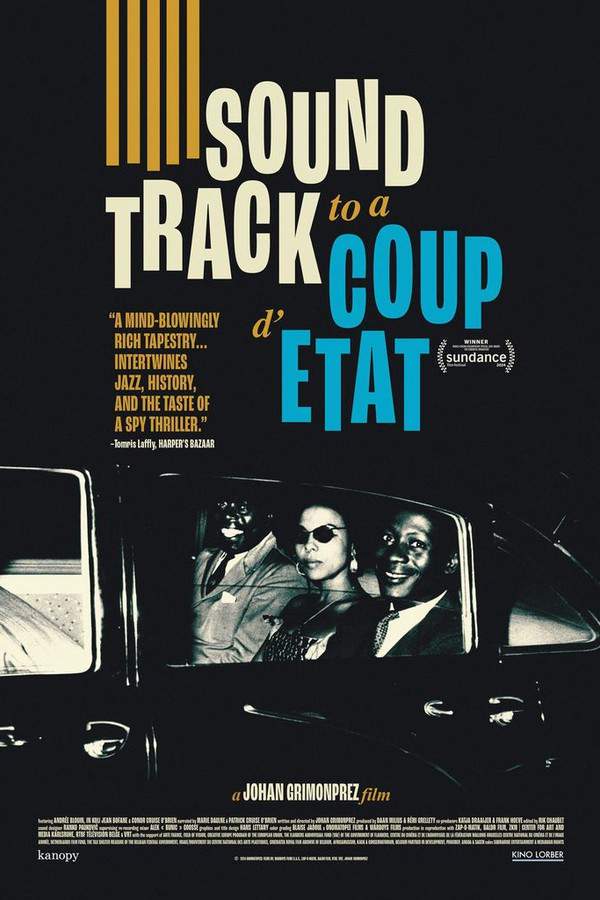 Soundtrack to a Coup d'Etat Documentary Worldwide box office: $445K Movie Echo Score: 78
 - 1966
 A Man Called Adam as Willie Ferguson · Music
 - 1965
 When the Boys Meet the Girls as Louise Armstrong · Music
 - 1962
 Disneyland After Dark Documentary
 - 1961
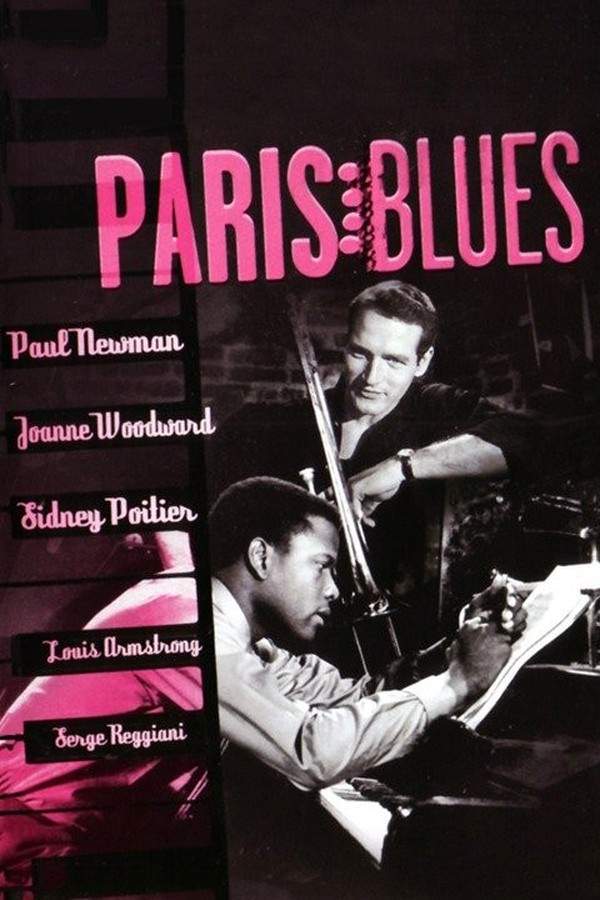 Paris Blues Drama
 - 1959
 The Beat Generation as Louis Armstrong · Crime
 - 1956
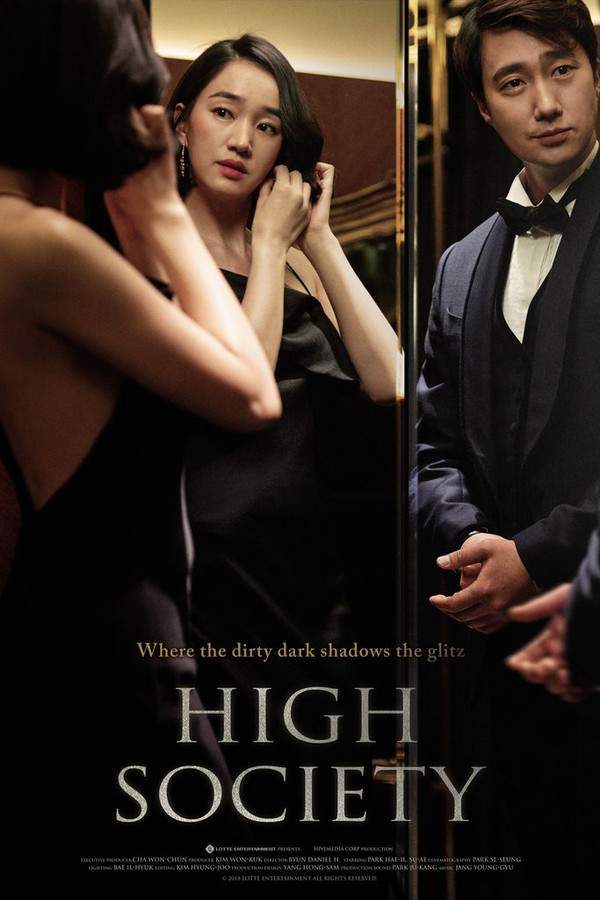 High Society Comedy Worldwide box office: $13.4K
 - 1954
 The Glenn Miller Story as Louis Armstrong · Drama Worldwide box office: $994
 - 1952
 Glory Alley as Shadow Johnson · Drama
 - 1951
 Here Comes the Groom as Louis Armstrong (uncredited) · Music
 - 1948
 A Song Is Born as Louis Armstrong · Comedy
 - 1945
 Pillow to Post as Orchestra Leader · Comedy
 - 1943
 Cabin in the Sky as The Trumpeter · Fantasy
 - 1938
 Going Places as Gabe · Romance
 - 1938
 Doctor Rhythm as Trumpet Player · Music
 - 1937
 Every Day’s a Holiday as Louis Armstrong · Comedy
 - 1936
 Pennies from Heaven as Henry · Drama
 - 1932
 I’ll Be Glad When You’re Dead You Rascal You as Louis Armstrong · Comedy
Louis Armstrong in Documentaries & Specials
17- 2022
 Coldplay: Music of the Spheres - Live Broadcast from Buenos Aires as Self (archive Voice) · Music Worldwide box office: $2.64M
 - 2022
 The Sound of 007 as Self (archive footage) · Music Movie Echo Score: 74
 - 2020
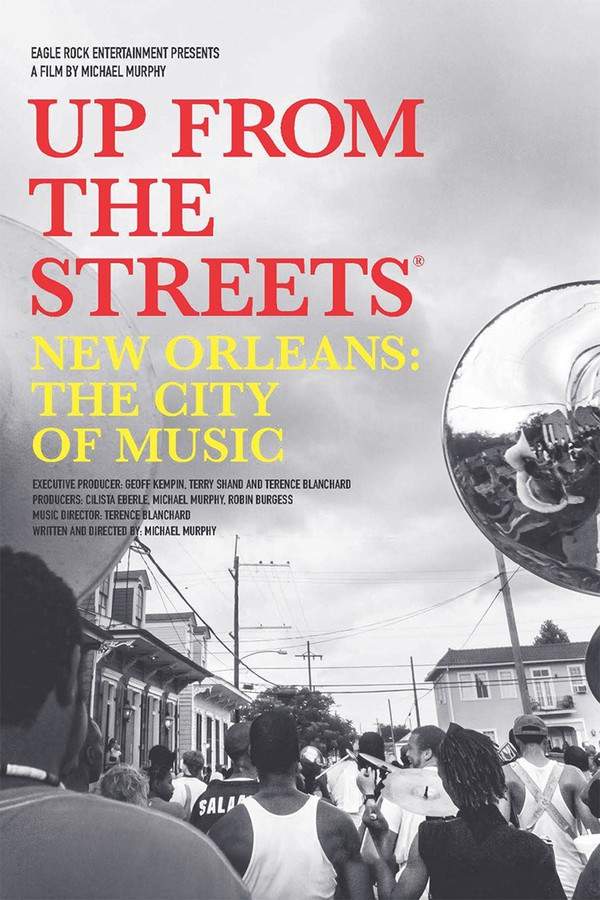 Up from the Streets: New Orleans: The City of Music as Self · Documentary
 - 2018
 The Jazz Ambassadors as Self (archive footage) · Documentary
 - 2014
 Bing Crosby: Rediscovered as Self (archive footage) · Documentary
 - 2002
 It’s Black Entertainment as Self (archive footage) · Documentary
 - 2001
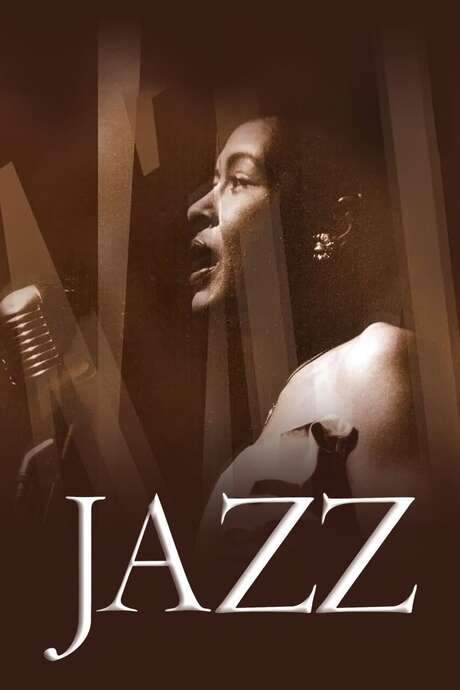 Jazz as Self (archive footage) · Documentary
 - 1989
 Satchmo: The Life of Louis Armstrong as Self (archival footage) · Tv movie
 - 1982
 Bix: Ain’t None of Them Play Like Him Yet as Self · Documentary
 - 1959
 Jazz on a Summer’s Day as Self · Music Worldwide box office: $75.4K
 - 1947
 New Orleans as Himself · Music
 - 1944
 Jam Session as Himself · Comedy
 - 1943
 Show-Business at War as Self · Documentary
 - 1942
 Swingin’ on Nothin’ as Self · Music
 - 1941
 Birth of the Blues as Self (archive footage) · Romance
 - 1937
 Artists & Models as Self · Music
 - 1932
 A Rhapsody in Black and Blue as Himself · Music
Who Is Louis Armstrong?
Louis Armstrong was born in New Orleans, Louisiana, U.S. in 1901. Credited on films since 1932, as an actor. The background, training and the roles that shaped the career.
Louis Armstrong, born Louis Daniel Armstrong on August 4, 1901 in New Orleans, Louisiana, rose from the impoverished streets of “The Battlefield” to become one of the most influential figures in the history of jazz. He learned to play the cornet on a tin horn while delivering coal for the Karnoffsky family, and his prodigious talent was later honed on the riverboats of the Mississippi under Fate Marable, where he was forced to read music and dubbed his experience “going to the university.” By the early 1920s Armstrong had followed his mentor King Oliver to Chicago, where his dazzling improvisations at cutting contests and his work with the Creole Jazz Band shifted jazz’s focus from collective improvisation to solo expression, establishing him as the world’s greatest trumpet player. His recordings with the Hot Five and Hot Seven—including classics such as “Potato Head Blues” and “West End Blues”—are still studied for their inventive phrasing, rhythmic swing, and inventive use of the trumpet’s upper register. In addition to his instrumental genius, Armstrong’s gravelly, charismatic voice made him a pioneer of scat singing; the accidental “Heebie Jeebies” session in 1926 turned a mishap into a landmark that introduced improvisational vocalise to popular music. Throughout a five‑decade career Armstrong crossed racial and cultural barriers, starring in films such as High Society and Hello, Dolly! while touring worldwide as a cultural ambassador for the United States. He earned numerous honors, from a Grammy for “Hello, Dolly!” (1965) to a posthumous Lifetime Achievement Grammy (1972), and his influence can be traced in the work of later jazz innovators, swing big‑band leaders, and even rock‑and‑roll icons. His signature nicknames—Satchmo, Satch, Pops—reflected both his affectionate personality and his monumental impact on music, cinema, and civil‑rights discourse, ensuring that his legacy endures not only in recordings and awards but in the very language of 20th‑century American art.
Who Louis Armstrong Makes Movies With
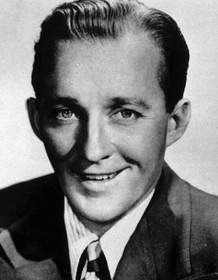
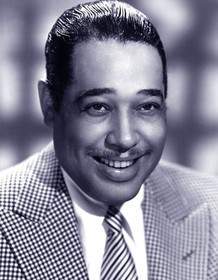
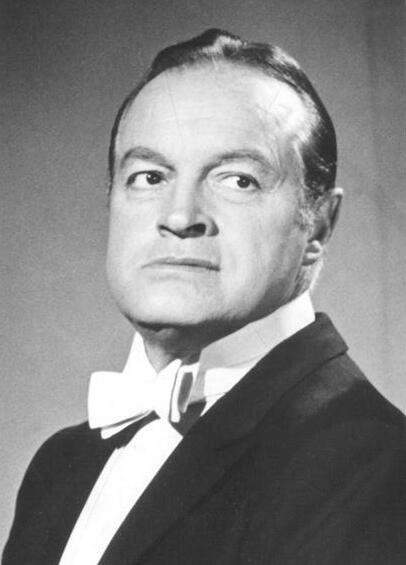
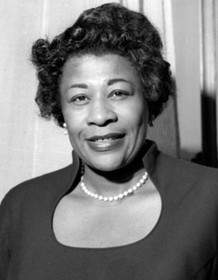
The actors and directors Louis Armstrong shares the most films with. Bing Crosby comes first, with 7 films together, followed by Duke Ellington (6).
Louis Armstrong: Questions & Answers
How many movies Louis Armstrong has made, the biggest hit, the best-rated film, the award record and more, answered from the filmography above.
How many movies has Louis Armstrong been in?
Louis Armstrong is credited on 35 films, from 1932 to 2024. The filmography on this page lists every one of them, newest first, with the role and the Movie Echo Score.
What is Louis Armstrong's highest-grossing movie?
Coldplay: Music of the Spheres - Live Broadcast from Buenos Aires (2022) is Louis Armstrong's biggest box office hit, with $2.64M worldwide, ahead of Soundtrack to a Coup d'Etat (2024) ($445K). Across every film with box office figures, Louis Armstrong's movies have made $3.17M.
Louis Armstrong's biggest hits What is the best Louis Armstrong movie?
By the Movie Echo Score, which blends critic reviews, audience ratings and lasting impact, Louis Armstrong's best-rated film is Soundtrack to a Coup d'Etat (2024) with a score of 78, followed by The Sound of 007 (2022) (74).
Best Louis Armstrong movies, ranked What is Louis Armstrong's newest movie?
The most recent film on Louis Armstrong's filmography is Soundtrack to a Coup d'Etat (2024).
Who does Louis Armstrong work with most often?
Louis Armstrong shares the most films with Bing Crosby (7 films), Duke Ellington (6 films) and Walter Catlett (3 films).
The Best Louis Armstrong Movies, Ranked
Top rated, most awarded and biggest box office hits from 35 credits.
Coming soon to your phone
The Plot Explained Movie Summary App
From blockbusters to hidden gems: plot summaries, endings explained and timelines on your phone. Save your favorites and never miss a twist again.
Be the first to know when it launches. Your email stays private, always. Learn more about the app
