

Culture
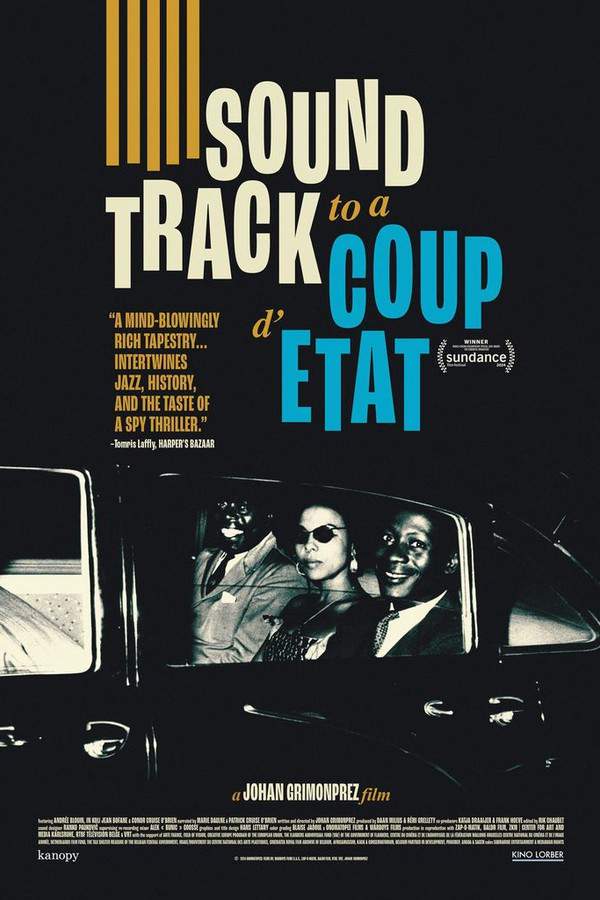
Soundtrack to a Coup d'Etat is a 2024 documentary directed by Johan Grimonprez, starring Nikita Khrushchev, Louis Armstrong and Dwight D. Eisenhower. It runs 2 hours 30 minutes and earned $445,181 worldwide. It was nominated for 1 Oscar. Critics gave it 91 on Metacritic, and IMDb users rate it 7.8/10.
 French
 The premise of Soundtrack to a Coup d'Etat without spoilers. The whole story is in the plot summary further down.
In 1960, as the Global South experiences a political upheaval, jazz musicians Abbey Lincoln and Max Roach unexpectedly find themselves at the United Nations Security Council. Amidst Nikita Khrushchev’s dramatic protest against America’s segregation policies, the United States sends jazz ambassador Louis Armstrong to the Congo, hoping to divert focus from the country's first post-colonial coup.
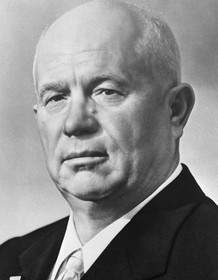
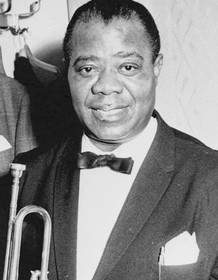
Nikita Khrushchev leads the cast, with Louis Armstrong and Dwight D. Eisenhower. Directed by Johan Grimonprez; 10 actors are credited in all.
Critics gave Soundtrack to a Coup d'Etat 91 on Metacritic, and IMDb users rate it 7.8/10. Our Echo Score gives it 78/100, strongest in art & craft (90) and weakest in story & flow (55).
Soundtrack to a Coup d'Etat demonstrates striking visual and auditory design but contends with narrative density and length. Critics praise its formal inventiveness and energetic soundtrack, noting the dynamic interplay of archival footage and music-driven editing. Some viewers, however, cite a frenetic pace and associative structure that can be challenging to follow. The film’s meticulous research and sensory richness offer a vibrant recounting of the Congo’s history, although its extended runtime and complexity may limit its accessibility and repeat appeal.
Our own 0–100 rating, built from five aspects: art, character, story, the sensory experience and how well a film rewatches.
In terms of art and craft, the film excels through inventive editing and bold formal choices. Critics highlight its collage of archival footage, dynamic cuts, and daring visual experimentation that sustain viewer engagement. Several users noted the jazz-accented editing sequence as particularly striking. These techniques combine into an engaging visual presentation that underpins the documentary’s stylistic impact.
When it comes to character and emotion, the documentary achieves effective resonance by weaving personal testimonies with its musical framework. Reviewers observe that the soundtrack functions as an emotive through-line, lending depth to interviews and historical reflections. Even viewers who critiqued pacing acknowledged moments of genuine poignancy. Overall, the film maintains a consistent emotional undercurrent that humanizes its subject matter.
In terms of story and flow, the film adopts an associative structure that can feel dense and occasionally disorienting. Several critics mention a frenetic pace and rapid thematic shifts that require active attention. User feedback points to redundant segments and an overlong runtime that undermine narrative clarity. The result is an original but challenging storytelling rhythm that may not suit all audiences.
In terms of sensory experience, the soundtrack and visual style stand out as core strengths. Critics emphasize the music’s role as a narrative element, describing it as crackling with energy and providing cohesion across varied footage. Users praised the sound design and rhythmic editing, noting the immersive quality of jazz-infused sequences. These elements create a compelling audiovisual landscape throughout the film.
Regarding rewatch factor, the documentary’s exhaustive research and formal inventiveness offer potential appeal for repeat viewings. Its rich archival material and energetic design may reward second impressions. However, the extended runtime and dense, associative structure could deter some viewers from revisiting it. Consequently, the film’s replay value is notable yet somewhat limited by its demanding format.
 IMDb
IMDb 7.8 /10
4054 votes
See on IMDb Metacritic
 91 Metascore
User score 6.4
See on Metacritic TMDB
TMDB 77% User score
See on TMDBWhat happens in Soundtrack to a Coup d'Etat from start to finish, spoilers included, with a timeline of 13 key events. The opening is below; the full summary is a 3-minute read.
Spoilers ahead
On a fateful February morning in 1961, the esteemed singer Abbey Lincoln along with renowned drummer Max Roach audaciously storm the UN Security Council to voice their outrage over the brutal assassination of prime minister Patrice Lumumba, who was leading the newly independent Congo. The scene erupts into chaos as sixty fervent protesters unleash their anger, throwing punches and slamming their stilettos, igniting a confrontation with bewildered guards while diplomats watch in astonishment. This climactic moment encapsulates the dizzying upheaval of decolonization, filling the atmosphere with a tumult of hope and despair.
Full summary
The whole story of Soundtrack to a Coup d'Etat, scene by scene
Soundtrack to a Coup d'Etat grossed $445,181 worldwide. $365,318 came from the US and Canada and $79,863 (18%) from the rest of the world.
Worldwide gross
$445.2K
Soundtrack to a Coup d'Etat was nominated for 1 Oscar. The 3 nominations come from 3 ceremonies.
3 nominations3 ceremonies


3 videos: 2 trailers and 1 featurette.
10 questions about the story, each with a hint if you get stuck. Pick an answer to see whether you were right.
Question 1 of 10
In what year did the events of the movie take place?
16 alternative titles, including “Banda sonora para un golpe de estado” and “Soundtrack to a Coup d'État”.
Seen Soundtrack to a Coup d'Etat?
Films with a similar story, tone or audience, including Soundtrack for a Revolution, The Jazz Ambassadors and Soul Power.
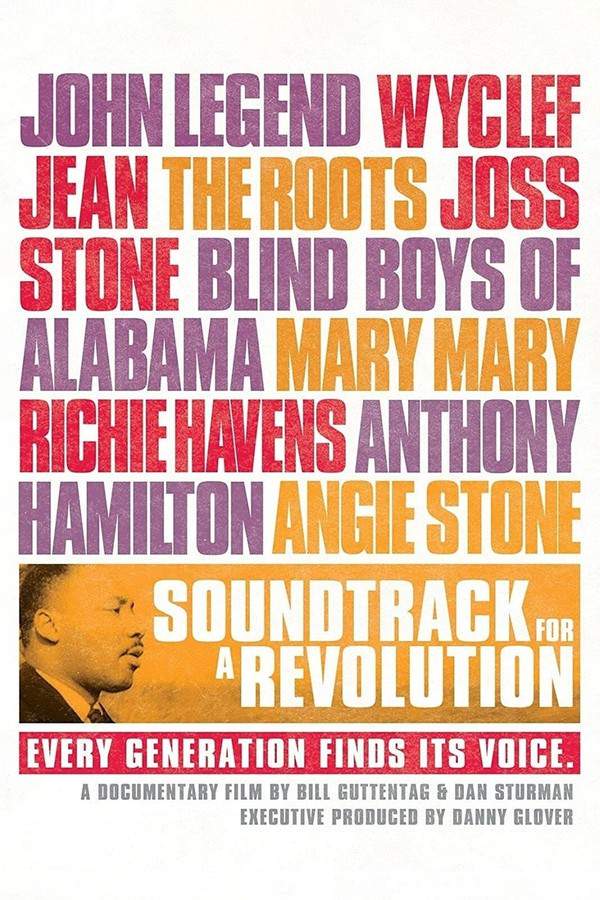 Soundtrack for a Revolution 2010
 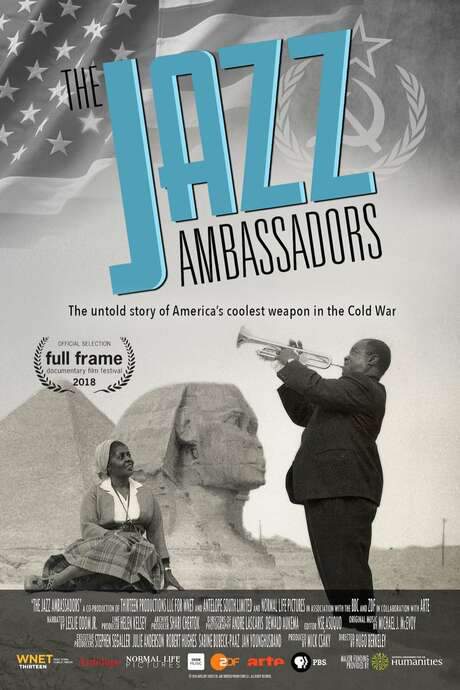 The Jazz Ambassadors 2018
 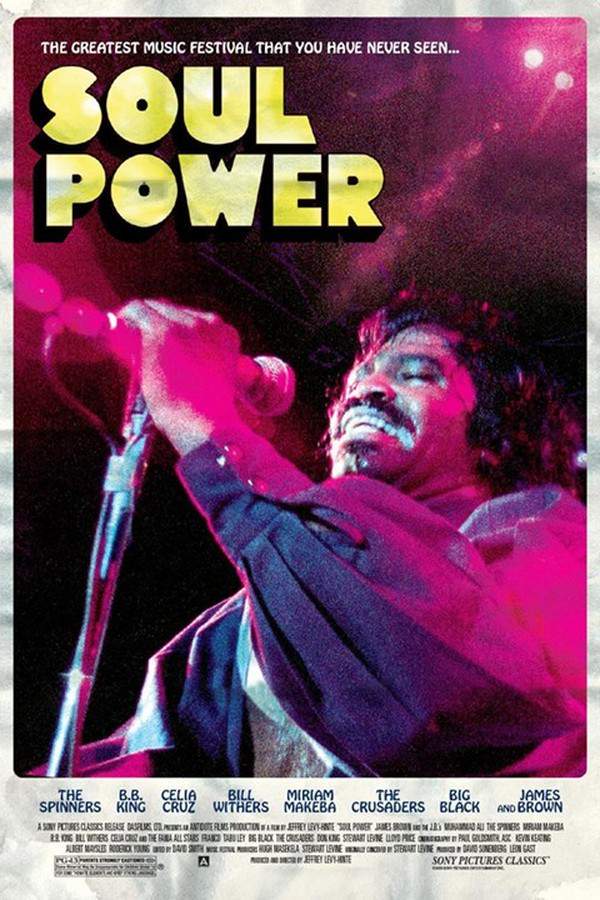 Soul Power 2009
  Imagine the Sound 1981
 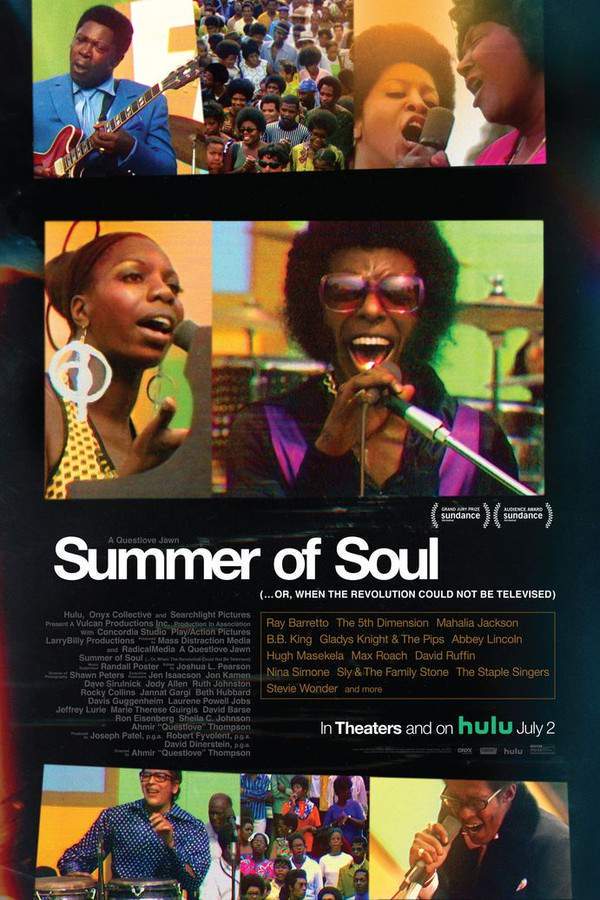 Summer of Soul (...Or, When the Revolution Could Not Be Televised) 2021
  The Rumba Kings 2021
  Ethiopiques: Revolt of the Soul 2017
  Now! 1965
  68 2008
  Amandla! A Revolution in Four Part Harmony 2003
  Disco: Soundtrack of a Revolution 2023
  Soul to Soul 1971
 2 articles about Soundtrack to a Coup d'Etat. The latest: “The Ultimate 2025 Oscars Nominations Guide: Surprises, Snubs, and Must-Know Insights”.

Runtime, release date, director, cast, box office, ratings, awards and post-credit scenes of Soundtrack to a Coup d'Etat, each answered in a sentence.
Soundtrack to a Coup d'Etat runs 2 hours 30 minutes (150 minutes).
Soundtrack to a Coup d'Etat was released on November 1, 2024.
Soundtrack to a Coup d'Etat was directed by Johan Grimonprez.
More films by Johan GrimonprezSoundtrack to a Coup d'Etat stars Nikita Khrushchev, Louis Armstrong and Dwight D. Eisenhower, among 10 credited actors.
Soundtrack to a Coup d'Etat grossed $445,181 worldwide ($365,318 domestic, $79,863 international).
Soundtrack to a Coup d'Etat has 7.8/10 on IMDb, 91 on Metacritic and 77% on TMDB.
Soundtrack to a Coup d'Etat received 3 nominations across 3 ceremonies.
No. Soundtrack to a Coup d'Etat has no extra scene during or after the credits.
Coming soon to your phone
From blockbusters to hidden gems: plot summaries, endings explained and timelines on your phone. Save your favorites and never miss a twist again.
Be the first to know when it launches. Your email stays private, always. Learn more about the app
