What's After the Movie
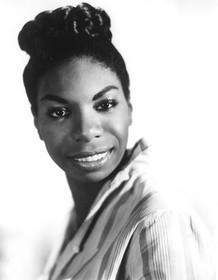
Nina Simone
Eunice Kathleen Waymon, later known globally as Nina Simone, was born on February 21, 1933 in the small town of Tryon, North Carolina, the sixth of eight children in a family that prized both entrepreneurship and the church. From the age of three she displayed prodigious piano talent, giving her first public recital at twelve and later earning a scholarship that sent her to Allen High School for Girls and a summer program at the Juilliard School. Although she was denied admission to the Curtis Institute of Music—a rejection she attributed to racial bias—she continued private studies with Vladimir Sokoloff while supporting herself as a photographer’s assistant and a piano accompanist. In 1954 she began performing at the Midtown Bar & Grill in Atlantic City, where an owner forced her to sing as well as play; the experience inspired her to adopt the stage name Nina Simone, a blend of a childhood nickname and the surname of French actress Simone Signoret, to conceal her new "cocktail piano" work from her devout parents. Her 1958 debut album Little Girl Blue introduced the world to her deep contralto voice and classical‑inflected piano style, and the single "I Loves You, Porgy" became a top‑20 Billboard hit that launched a recording career spanning more than forty albums. Throughout the 1960s Simone transformed into a fierce civil‑rights advocate, penning protest anthems such as "Mississippi Goddam" and "To Be Young, Gifted and Black," and performing at Selma marches; her willingness to confront racism cost her airplay in the South but cemented her role as a cultural voice of resistance. After marrying her manager Andrew Stroud in 1961, she gave birth to her daughter Lisa, but the turbulent relationship ended in divorce a decade later. Disillusioned with the American music industry, Simone relocated to Europe in the early 1970s, living in Liberia, Barbados, Switzerland, the Netherlands, and finally France, where she continued to tour, record intermittently, and experience a renaissance sparked by a 1987 Chanel commercial that revived "My Baby Just Cares for Me." Despite battles with bipolar disorder, legal troubles, and a late‑stage diagnosis of breast cancer, she performed almost until her death on April 21, 2003 in Carry‑le‑Rouet, France, leaving behind a legacy that influences countless artists and earns her a permanent place in the Rock & Roll Hall of Fame, the Grammy Hall of Fame, and countless "greatest singers" lists.
Biography, Career & Filmography
Learn more about Nina Simone, including a detailed biography, career timeline, personal life insights, and complete filmography. Discover how Nina Simone rose to fame, their major roles, industry impact, and personal milestones in the world of film.
Given Name: Eunice Kathleen Waymon
Born: Tryon, North Carolina, U.S.
Citizenship: American
Birthday: February 21, 1933
Occupations: Singer, songwriter, pianist, composer, arranger, activist
Years Active: 1954-2003
Children: 1
Spouses: Donald Ross, Andy Stroud
External Links and Streaming Options
Explore more about on trusted external platforms like Metacritic, TMDb, IMDb or Wikipedia. Find additional details, reviews, and related content to deepen your understanding.





Movies Featuring Nina Simone
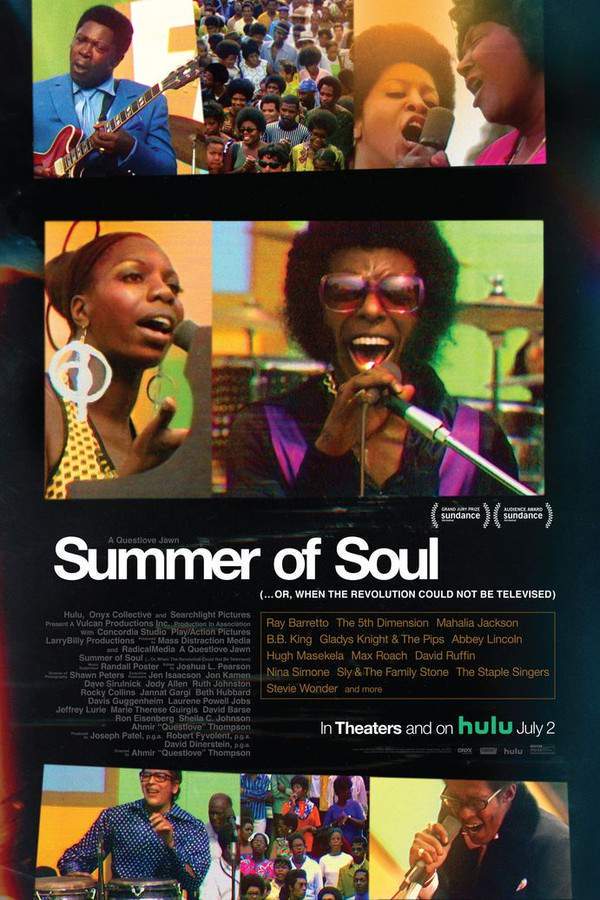
Summer of Soul (...Or, When the Revolution Could Not Be Televised)
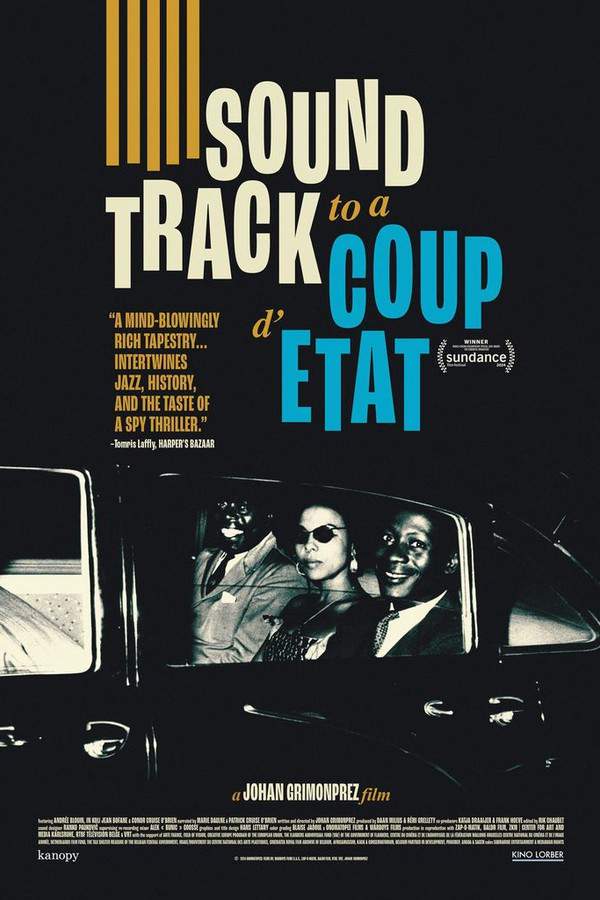
Soundtrack to a Coup d'Etat

The Amazing Nina Simone

Nina Simone - Live at Ronnie Scott’s

Happy in the Gap

How It Feels to Be Free

Sunday Best

They All Came Out to Montreux

Nina Simone - Live at Montreux 1976

Black Woodstock

The Panafrican Festival in Algiers

My Way

Nina Simone: The Legend
Career Timeline
Track the complete movie timeline of Nina Simone, including all film releases, career breakthroughs, and notable roles. Follow their journey from early performances to recent blockbusters and upcoming projects.

Coming soon on iOS and Android
The Plot Explained Mobile App
From blockbusters to hidden gems — dive into movie stories anytime, anywhere. Save your favorites, discover plots faster, and never miss a twist again.
Sign up to be the first to know when we launch. Your email stays private — always.
Explore the mobile app
What's After the Movie?
Not sure whether to stay after the credits? Find out!
Check out our other apps:

SAT Sphere
Build confidence for the Digital SAT.

Mori Atlas
Discover wild places worth protecting.

Luntero
Search smarter for a home in Amsterdam.

Plot Explained
Unravel movie endings and hidden clues.

Pokechamp
Dive into Pokémon data and battle logic.

Driving Theory
Get ready for your European theory test.

Movie Dust
Plan your next cinema trip with ease.

Musemap
Find art and culture as you travel.

Selkobase
Compare credentials before committing.

Local Manual
Turn an unfamiliar country into practical next steps.

Lernavi
Compare school systems before your next move.

GymRoam
Find a workout stop wherever your plans take you.
Explore Our Movie Platform
New Movie Releases (2026)
Famous Movie Actors
Top Film Production Studios
Movie Plot Summaries & Endings
Major Movie Awards & Winners
Best Concert Films & Music Documentaries
Movie Collections and Curated Lists
© 2026 What's After the Movie. All rights reserved.
Privacy Policy