
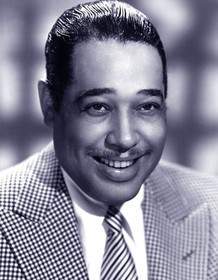
Duke Ellington: Movies, Awards & Box Office
- films
- 23
- on screen
- 1929–2024
- box office
- $445K
- nomination
- 1
- average score
- 81
- Born
- April 29, 1899
- Birthplace
- Washington, D.C., United States
- Full name
- Edward Kennedy Ellington
- Citizenship
- American
- Occupations
- pianist, composer, songwriter, bandleader, arranger, conductor, actor
- Years active
- 1914-1974
- Spouses
- Edna Thompson
- Children
- 1
Duke Ellington's Career in Numbers
Duke Ellington's films in numbers — as an actor, not counting appearances as themselves: when they were made, the genres Duke Ellington works in most and the milestones along the way. The filmography runs from Black and Tan (1929) to Soundtrack to a Coup d'Etat (2024), and the 1930s were the busiest decade.
Duke Ellington Movies by Decade
- 1920s 1
- 1930s 4
- 1940s 2
- 2020s 1
The 1930s were Duke Ellington's busiest decade, with 4 films.
Duke Ellington Movies by Genre
- Comedy 3
- Music 2
- Documentary 1
- Fantasy 1
- War 1
Comedy is the genre Duke Ellington has worked in most, with 3 films, ahead of music (2).
Duke Ellington Career Milestones
- First film
- Black and Tan 1929
- Biggest box office hit
- Soundtrack to a Coup d'Etat $445K worldwide
- Best-rated film
- Soundtrack to a Coup d'Etat Movie Echo Score 78
- Newest film
- Soundtrack to a Coup d'Etat 2024
Duke Ellington Filmography: Every Movie
Every film Duke Ellington is credited on, newest first, with the role, the box office and the Movie Echo Score. Rated films average a score of 81. Re-order the list to see the best-rated films or the biggest hits first.
Duke Ellington Movies as an Actor
8- 2024
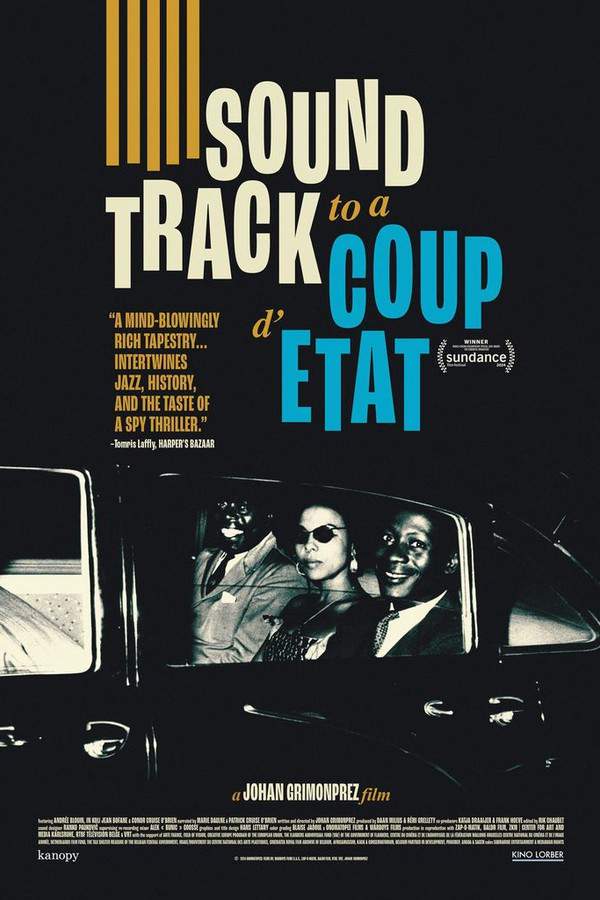 Soundtrack to a Coup d'Etat Documentary Worldwide box office: $445K Movie Echo Score: 78
 - 1943
 Cabin in the Sky as Duke Ellington (uncredited) · Fantasy
 - 1943
 Reveille with Beverly as Duke - Duke Ellington and His Orchestra (uncredited) · War
 - 1934
 Belle of the Nineties as Piano Player · Comedy
 - 1934
 Many Happy Returns as Piano Player (uncredited) · Comedy
 - 1934
 Murder at the Vanities as Duke Ellington · Music
 - 1930
 Check and Double Check as Orchestra Leader · Comedy
 - 1929
 Black and Tan as Duke Ellington · Music
Duke Ellington in Documentaries & Specials
15- 2022
 Charlie Parker: Bird Songs as Self (archive footage) · Documentary
 - 2019
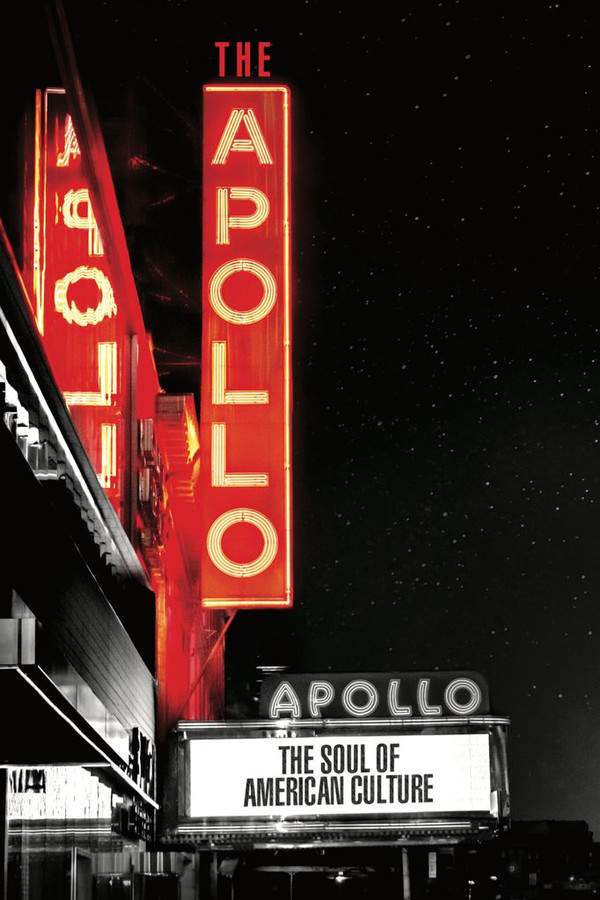 The Apollo as Self · Documentary Movie Echo Score: 83
 - 2019
 The Green Book: Guide to Freedom as Self - Musician (archive footage) · History
 - 2018
 The Jazz Ambassadors as Self (archive footage) · Documentary
 - 2007
 Jazz Icons: Duke Ellington Live in ’58 as Self - Piano · Music
 - 2003
 Piano Blues as Self (archive footage) · Documentary
 - 2002
 It’s Black Entertainment as Self (archive footage) · Documentary
 - 2001
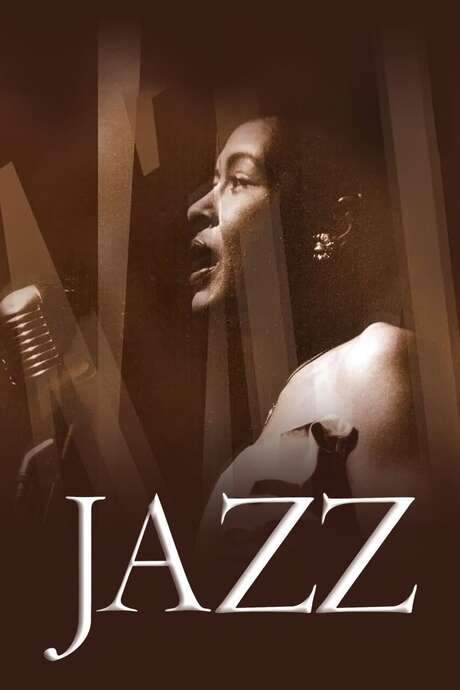 Jazz as Self (archive footage) · Documentary
 - 1947
 Date with Duke as Self · Animation
 - 1942
 Jam Session as Self - Piano · Music
 - 1942
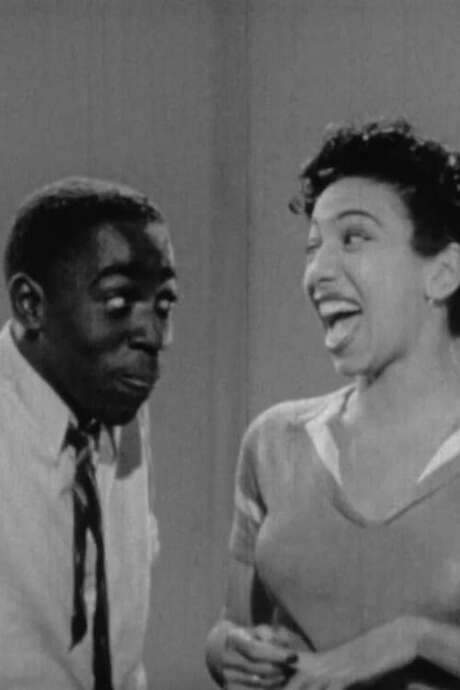 Bli-Blip as Himself · Music
 - 1941
 Birth of the Blues as Self (archive footage) · Romance
 - 1941
 Hot Chocolate as Self (uncredited) · Music
 - 1935
 Symphony in Black: A Rhapsody of Negro Life as Self · Music
 - 1933
 A Bundle of Blues as Self · Music
Duke Ellington: Awards & Nominations
1 nomination across 1 award body. Every ceremony is listed newest first, with the category and the film.
-
 34th Academy Awards
- Duke Ellington: Nominated Best Music (Scoring of Music—adaptation or treatment) Paris Blues
Who Is Duke Ellington?
Duke Ellington was born in Washington, D.C., United States in 1899. Credited on films since 1929, as an actor. The background, training and the roles that shaped the career.
Edward Kennedy “Duke” Ellington (April 29, 1899 – May 24, 1974) was an African‑American jazz pianist, composer, and bandleader whose career spanned six decades and reshaped the sound of American music. Born in Washington, D.C., to a family of musicians, he began piano lessons at age seven and wrote his first rag, “Soda Fountain Rag,” while working as a soda‑jerk in 1914. By 1917 he had formed his own group, the Duke’s Serenaders, and after several years of touring the Mid‑Atlantic he moved to Harlem, where his orchestra secured a groundbreaking residency at the Cotton Club in 1927, broadcasting live to a national audience. Ellington’s compositional output exceeded one thousand pieces, ranging from three‑minute swing hits such as “It Don’t Mean a Thing (If It Ain’t Got That Swing)” to ambitious multi‑movement suites like Black, Brown, and Beige and the Sacred Concerts. His partnership with Billy Strayhorn, beginning in 1939, produced enduring standards like “Take the ‘A’ Train” and many sophisticated arrangements that showcased the unique voices of individual band members. A master of orchestral color, he integrated brass growls, wood‑wind improvisations, and exotic rhythms, influencing generations of musicians from Count Basie to modern hip‑hop producers. Ellington’s career experienced a major resurgence after his electrifying appearance at the 1956 Newport Jazz Festival, where Paul Gonsalves’ 27‑chorus tenor solo revived public interest and led to a long‑term contract with Columbia Records. In addition to recording dozens of albums, he scored films such as Anatomy of a Murder, appeared in short‑feature movies, and composed for stage productions, demonstrating a versatility that transcended genre boundaries. Though he died of lung cancer in New York City in 1974, his legacy endures through the Duke Ellington School of the Arts, a commemorative U.S. coin, and countless recordings that continue to define the very essence of American music.
Who Duke Ellington Makes Movies With
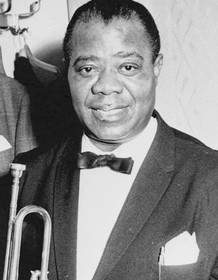
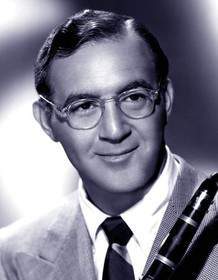
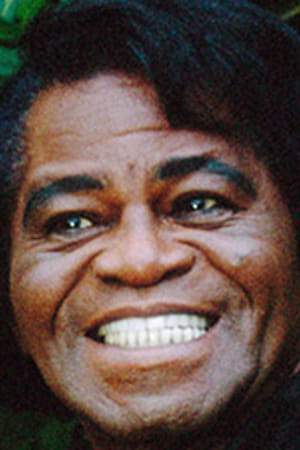
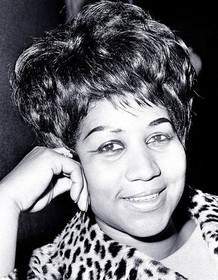
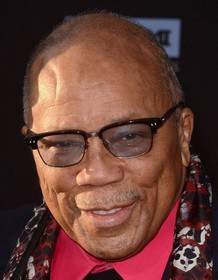
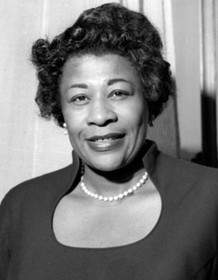
The actors and directors Duke Ellington shares the most films with. Louis Armstrong comes first, with 6 films together, followed by Benny Goodman (3).
Duke Ellington: Questions & Answers
How many movies Duke Ellington has made, the biggest hit, the best-rated film, the award record and more, answered from the filmography above.
How many movies has Duke Ellington been in?
Duke Ellington is credited on 23 films, from 1929 to 2024. The filmography on this page lists every one of them, newest first, with the role and the Movie Echo Score.
What is Duke Ellington's highest-grossing movie?
Soundtrack to a Coup d'Etat (2024) is Duke Ellington's biggest box office hit, with $445K worldwide. Across every film with box office figures, Duke Ellington's movies have made $445K.
Duke Ellington's biggest hits What is the best Duke Ellington movie?
By the Movie Echo Score, which blends critic reviews, audience ratings and lasting impact, Duke Ellington's best-rated film is The Apollo (2019) with a score of 83, followed by Soundtrack to a Coup d'Etat (2024) (78).
Best Duke Ellington movies, ranked Has Duke Ellington won an Oscar?
Duke Ellington has been nominated for an Oscar but has not won one yet. Across every ceremony in the awards database, Duke Ellington has 0 wins from 1 nomination.
What is Duke Ellington's newest movie?
The most recent film on Duke Ellington's filmography is Soundtrack to a Coup d'Etat (2024).
Who does Duke Ellington work with most often?
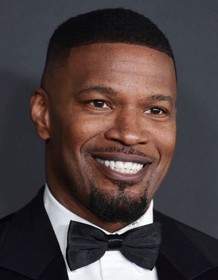
Duke Ellington shares the most films with Louis Armstrong (6 films), Benny Goodman (3 films) and Jamie Foxx (2 films).
The Best Duke Ellington Movies, Ranked
Top rated, most awarded and biggest box office hits from 23 credits.
Coming soon to your phone
The Plot Explained Movie Summary App
From blockbusters to hidden gems: plot summaries, endings explained and timelines on your phone. Save your favorites and never miss a twist again.
Be the first to know when it launches. Your email stays private, always. Learn more about the app
