
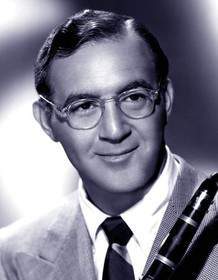
Benny Goodman: Movies & Filmography
- films
- 13
- on screen
- 1936–2022
- Born
- May 30, 1909
- Birthplace
- Chicago, Illinois, U.S.
- Full name
- Benjamin David Goodman
- Citizenship
- United States
- Occupations
- clarinetist, bandleader, musician
- Years active
- 1926-1986
- Spouses
- Alice Frances Hammond
- Children
- 2
Benny Goodman's Career in Numbers
Benny Goodman's films in numbers — as an actor, not counting appearances as themselves: when they were made, the genres Benny Goodman works in most and the milestones along the way. The filmography runs from The Big Broadcast of 1937 (1936) to Music Land (1955), and the 1940s were the busiest decade.
Benny Goodman Movies by Decade
- 1930s 2
- 1940s 5
- 1950s 1
The 1940s were Benny Goodman's busiest decade, with 5 films.
Benny Goodman Movies by Genre
- Music 3
- Comedy 2
- Family 1
- Romance 1
- War 1
Music is the genre Benny Goodman has worked in most, with 3 films, ahead of comedy (2).
Benny Goodman Career Milestones
- First film
- The Big Broadcast of 1937 1936
- Newest film
- Music Land 1955
Benny Goodman Filmography: Every Movie
Every film Benny Goodman is credited on, newest first, with the role, the box office and the Movie Echo Score. Re-order the list to see the best-rated films or the biggest hits first.
Benny Goodman Movies as an Actor
8- 1955
 Music Land as Orchestra Leader (archive footage) · Family
 - 1948
 A Song Is Born as Professor Magenbruch · Comedy
 - 1946
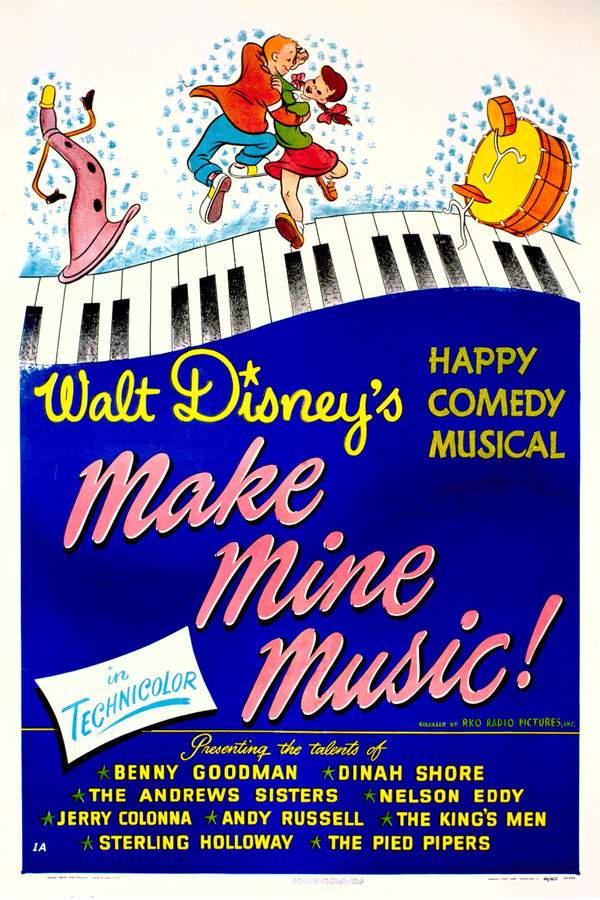 Make Mine Music Music
 - 1946
 All the Cats Join In Music
 - 1944
 Sweet and Low-Down as Benny Goodman · Romance
 - 1943
 Stage Door Canteen as Benny Goodman · War
 - 1937
 Hollywood Hotel as Benny Goodman, Leader of His Orchestra · Comedy
 - 1936
 The Big Broadcast of 1937 as Benny Goodman · Music
Benny Goodman in Documentaries & Specials
5


Who Is Benny Goodman?
Benny Goodman was born in Chicago, Illinois, U.S. in 1909. Credited on films since 1936, as an actor. The background, training and the roles that shaped the career.
Benjamin David Goodman (May 30, 1909 – June 13, 1986) rose from the crowded Maxwell Street slums of Chicago to become the pre‑eminent figure of the swing era, earning the nickname King of Swing and reshaping American popular music through his virtuosic clarinet playing and relentless bandleading. Born the ninth of twelve children to Jewish immigrants from the Russian Empire, Goodman was introduced to music through free synagogue classes and early union gigs, quickly mastering the clarinet under the tutelage of Franz Schoepp and earning his first union card at the age of thirteen; by 1926 he was recording with the Ben Pollack Orchestra and soon after moved to New York City where he became a prolific session musician for radio, Broadway, and studio recordings. His breakthrough came in 1935 when a daring engagement at the Palomar Ballroom in Los Angeles sparked a frenzy of dancing and helped launch the swing era, a success amplified by his popular NBC radio show Let's Dance and the historic January 16, 1938 concert at Carnegie Hall, which critics later called the single most important jazz concert in history. Throughout the 1930s and 1940s Goodman assembled integrated ensembles, hiring African‑American talents such as Teddy Wilson, Lionel Hampton, and Charlie Christian, thereby challenging segregationist norms and paving the way for broader social change within American culture. After the decline of big‑band swing, he explored bebop, commissioned classical works, and recorded concertos by Bartók, Copland, and Bernstein, demonstrating a lifelong commitment to musical innovation across genres. In his later years he continued to tour, even performing in the Soviet Union during a Cold War cultural exchange, and remained active until just days before his death in 1986, leaving a legacy celebrated with a Grammy Lifetime Achievement Award and induction into the DownBeat Jazz Hall of Fame. His influence endures in recordings, film appearances, and the countless musicians who trace their lineage to his groundbreaking bands and mentorship.
Goodman's personal life was marked by his marriage to Alice Frances Hammond in 1942, with whom he raised two daughters alongside three step‑children, and by a complex friendship‑rivalry with Columbia producer John Hammond that spanned five decades. Known for his demanding perfectionism—often referred to as “the Ray”—he could be both a harsh taskmaster and a generous patron, secretly funding college educations for young musicians. Despite occasional conflicts with vocalists such as Anita O’Day and Helen Forrest, his dedication to artistic excellence never waned, and he continued to champion both jazz and classical repertoire, performing Mozart’s Clarinet Concerto at the Lewisohn Stadium and commissioning works that remain standards in the clarinet repertoire. His death from a heart attack while napping in his Manhattan apartment marked the end of an era, but his papers, now housed at Yale University, and the numerous honorary doctorates he received attest to a career that not only defined a musical genre but also helped to break racial barriers and elevate jazz to the level of high art.
Who Benny Goodman Makes Movies With
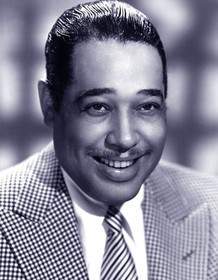
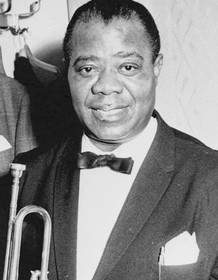
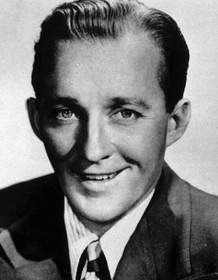
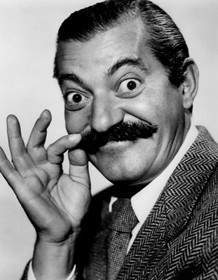
The actors and directors Benny Goodman shares the most films with. Jack Kinney comes first, with 3 films together, followed by Duke Ellington (3).
Benny Goodman: Questions & Answers
How many movies Benny Goodman has made, the biggest hit, the best-rated film, the award record and more, answered from the filmography above.
How many movies has Benny Goodman been in?
Benny Goodman is credited on 13 films, from 1936 to 2022. The filmography on this page lists every one of them, newest first, with the role and the Movie Echo Score.
What is Benny Goodman's newest movie?
The most recent film on Benny Goodman's filmography is Charlie Parker: Bird Songs (2022), in the role of Self (archive footage).
Who does Benny Goodman work with most often?
Benny Goodman shares the most films with Jack Kinney (3 films), Duke Ellington (3 films) and Louis Armstrong (3 films).
The Best Benny Goodman Movies, Ranked
Top rated, most awarded and biggest box office hits from 13 credits.
Coming soon to your phone
The Plot Explained Movie Summary App
From blockbusters to hidden gems: plot summaries, endings explained and timelines on your phone. Save your favorites and never miss a twist again.
Be the first to know when it launches. Your email stays private, always. Learn more about the app
