
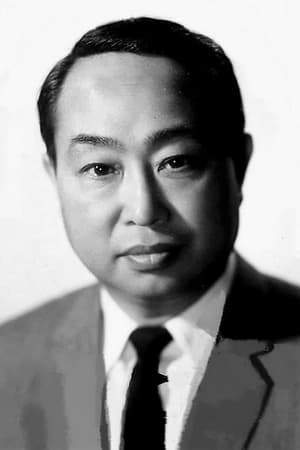
Daisuke Katô: Movies & Box Office
- films
- 43
- on screen
- 1936–1968
- box office
- $274K
- Born
- February 18, 1911
- Birthplace
- Asakusa, Tokyo, Japan
- Full name
- Tokunosuke Katō
- Citizenship
- Japanese
- Occupations
- Actor
- Years active
- 1936-1974
- Children
- 1
The Best Daisuke Katô Movies
The films of Daisuke Katô that made the most at the worldwide box office, biggest first: Rashomon (1951) leads with $140K. The full ranking adds the most awarded films and the newest releases.
Daisuke Katô's Career in Numbers
Daisuke Katô's films in numbers — as an actor, not counting appearances as themselves: when they were made, the genres Daisuke Katô works in most and the milestones along the way. The filmography runs from Priest of Darkness (1936) to Admiral Yamamoto (1968), and the 1950s were the busiest decade.
Daisuke Katô Movies by Decade
- 1930s 2
- 1940s 3
- 1950s 22
- 1960s 16
The 1950s were Daisuke Katô's busiest decade, with 22 films.
Daisuke Katô Movies by Genre
- Drama 26
- Action 4
- History 3
- War 2
- Adventure 2
- Horror 2
- Crime 1
- Romance 1
- Comedy 1
Drama is the genre Daisuke Katô has worked in most, with 26 films, ahead of action (4).
Daisuke Katô Career Milestones
- First film
- Priest of Darkness 1936
- Biggest box office hit
- Rashomon $140K worldwide
- Newest film
- Admiral Yamamoto 1968
Daisuke Katô Filmography: Every Movie
Every film Daisuke Katô is credited on, newest first, with the role, the box office and the Movie Echo Score. Re-order the list to see the best-rated films or the biggest hits first.
- 1968
 Admiral Yamamoto as Chief of Press Section · War
 - 1967
 Japan’s Longest Day as Kenjiro Yabe - NHK Domestic Bureau Director · Drama
 - 1966
 Rise Against the Sword as Budeuemon Hattori · History
 - 1966
 The School of Spies as Lieutenant Kusanagi · War
 - 1966
 Moment of Terror as Kawashima · Crime
 - 1966
 The Thin Line Drama
 - 1965
 Sanshiro Sugata as Hansuke Murai · Action
 - 1964
 Superexpress as Yukichi Nakae · Drama
 - 1963
 A Woman’s Life Drama
 - 1962
 Chûshingura as Kichiemon Terasaka · History
 - 1962
 A Wanderer’s Notebook as Nobuo Sadaoka · Drama
 - 1962
 The Wiser Age as Ryokichi · Drama
 - 1961
 Yojimbo Action Worldwide box office: $68.2K
 - 1960
 The Approach of Autumn as Tomioka · Drama
 - 1960
 Daughters, Wives and a Mother as Shusuke Tetsumoto · Drama
 - 1960
 When a Woman Ascends the Stairs as Matsukichi Sekine · Drama Worldwide box office: $51.8K
 - 1959
 I Want to Be a Shellfish as Takeuchi
 - 1958
 Summer Clouds Drama
 - 1958
 Little Peach as Suga · Drama
 - 1957
 Snow Country as Inn proprietor · Drama
 - 1956
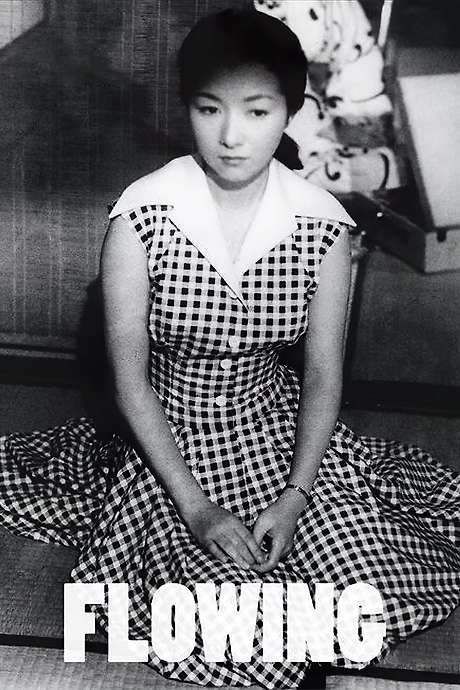 Flowing as Yoneko's Ex · Drama
 - 1956
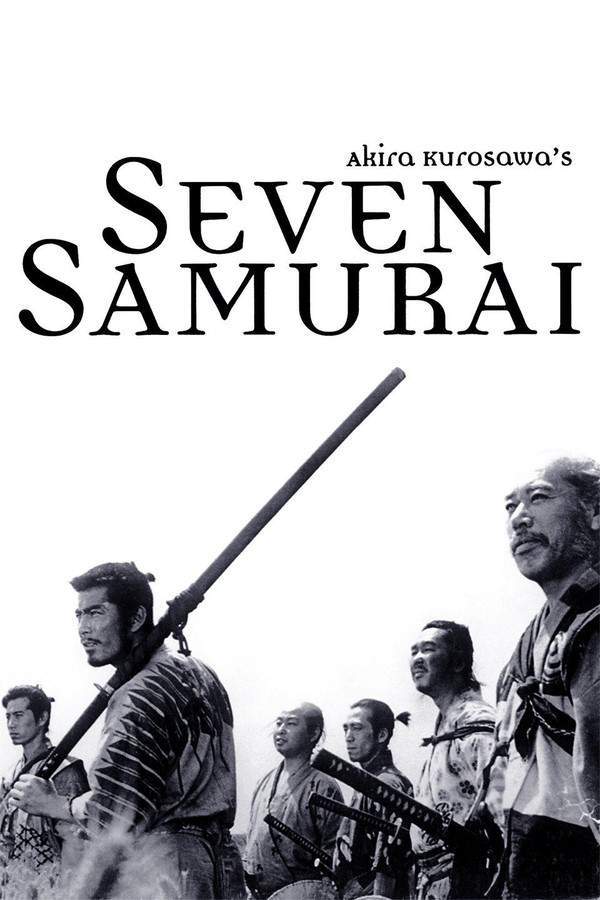 Seven Samurai Action
 - 1956
 Street of Shame as Mr. Nomura · Drama Worldwide box office: $7.55K
 - 1956
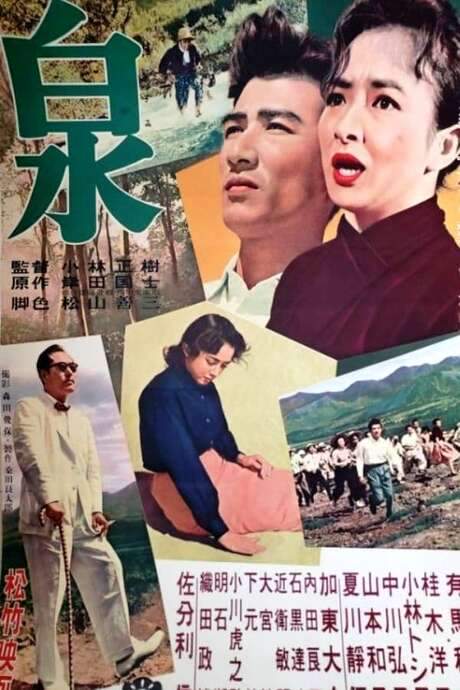 Fountainhead Drama
 - 1956
 Early Spring as Sakamoto · Drama
 - 1956
 Samurai III: Duel at Ganryu Island as Toji Gion · Romance
 - 1955
 Samurai II: Duel at Ichijoji Temple as Toji Gion · Drama
 - 1955
 Twilight Saloon as Kibe · Drama
 - 1955
 Bloody Spear at Mount Fuji as Genta · Adventure
 - 1955
 Floating Clouds as Seikichi Mukai · Drama
 - 1954
 Samurai I: Musashi Miyamoto as Toji · Adventure
 - 1954
 Late Chrysanthemums as Itaya · Drama
 - 1953
 Mr. Pu Comedy
 - 1952
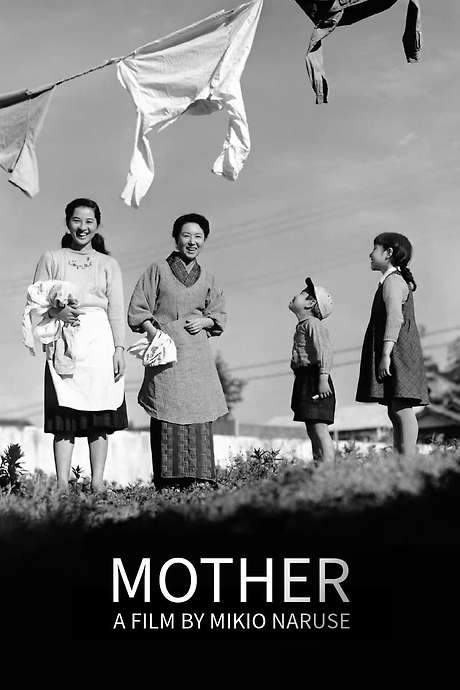 Mother as Sokichi Kimura · Drama
 - 1952
 The Life of Oharu as Tasaburo Hishiya · Drama Worldwide box office: $6.92K
 - 1952
 Vendetta of a Samurai Action
 - 1951
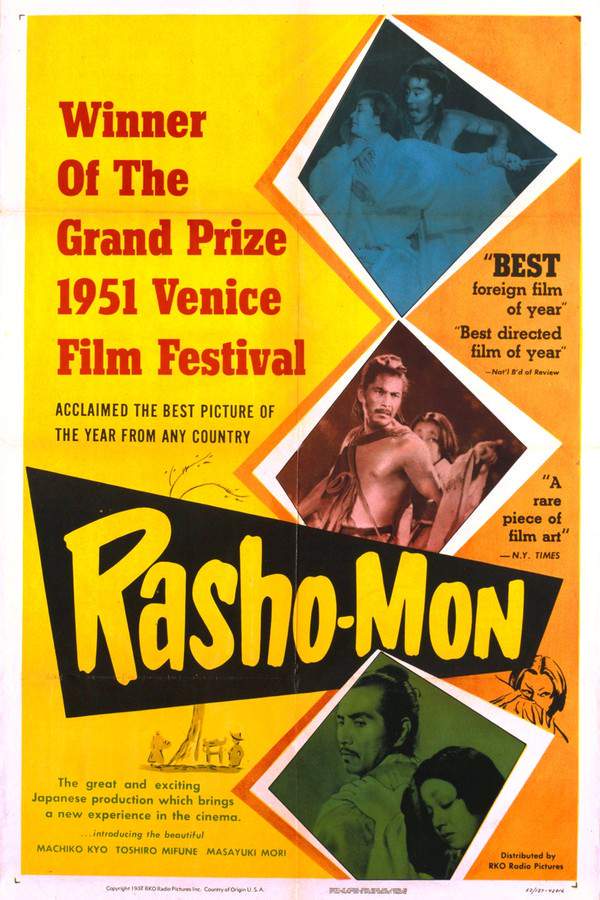 Rashomon Drama Worldwide box office: $140K
 - 1951
 The Tale of Genji Drama
 - 1949
 Yotsuya Ghost Story Part 2 as Shinkichi · Horror
 - 1949
 Yotsuya Ghost Story Part 1 as Shinkichi · Horror
 - 1941
 The 47 Ronin as Fuwa Kazuemon · History
 - 1937
 Humanity and Paper Balloons as Isuke · Drama
 - 1936
 Priest of Darkness as Kenta · Drama
Who Is Daisuke Katô?
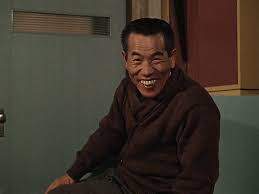
Daisuke Katô was born in Asakusa, Tokyo, Japan in 1911. Credited on films since 1936, as an actor. The background, training and the roles that shaped the career.
Daisuke Katō (born Tokunosuke Katō, February 18, 1911 – July 31, 1975) was a towering figure in Japanese cinema whose career spanned nearly four decades and more than two hundred films. Born in Asakusa, Tokyo, into a theatrical family, he was the younger brother of celebrated actor Kunitarō Sawamura and actress Sadako Sawamura, and his early immersion in the performing arts set the stage for a lifelong dedication to the screen. After joining the Zenshinza Theatre Company in 1933, he debuted on film under the stage name Enji Ichikawa, appearing in early classics such as Sadao Yamanaka’s Humanity and Paper Balloons and Kenji Mizoguchi’s The 47 Ronin. The interruption of World War II saw him serve in New Guinea, but upon his return he signed with Daiei Film and adopted the name Daisuke Katō, quickly becoming a favored supporting actor for luminaries like Akira Kurosawa, Yasujirō Ozu, Mikio Naruse, and Kenji Mizoguchi.
Katō’s versatility shone in both jidaigeki (period) and modern shōshimin‑eiga (lower‑class drama) roles, earning him a reputation as the quintessential "everyman" with a cherubic charm that Toho studio exploited in countless promotional campaigns. His most iconic performances include the gruff farmer Shichirōji in Kurosawa’s Seven Samurai, the weary policeman in Rashomon, the loyal samurai in Yojimbo, and the poignant office clerk in Ikiru. Beyond acting, Katō authored the memoir Minami no shima ni yuki ga furu (1961), recounting his wartime experiences; the work was adapted into a film, a television drama, and a stage play, underscoring his cultural impact. His talent was recognized with multiple awards, such as the Blue Ribbon Award for Best Supporting Actor (1952, 1954) and the Mainichi Film Concours. In his personal life, he fathered a son, Haruyuki Katō, who married Kazuko Kurosawa, linking the Katō legacy to the celebrated director Akira Kurosawa. Daisuke Katō’s enduring influence is reflected in the continued reverence for his performances and the posthumous honors, including his feature in the 2008 Seven Supporting Characters film festival.
Who Daisuke Katô Makes Movies With
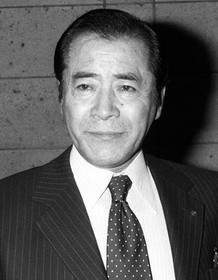
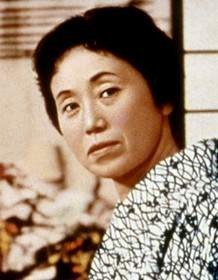
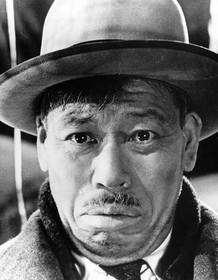
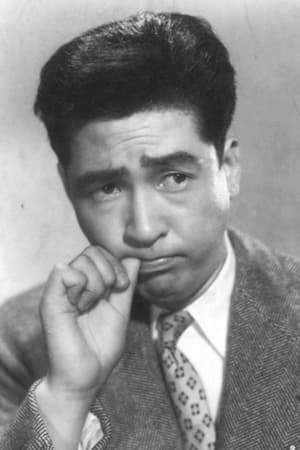
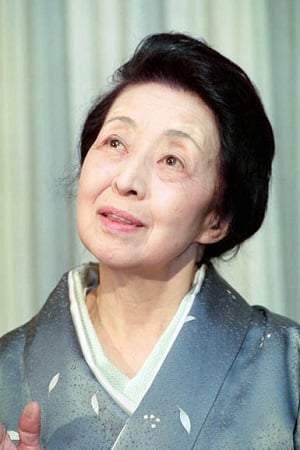
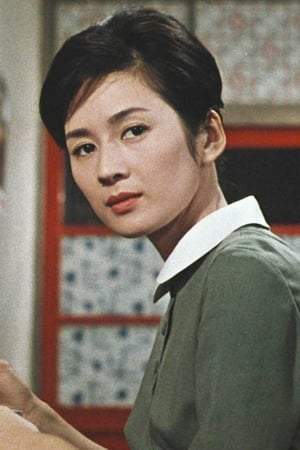
The actors and directors Daisuke Katô shares the most films with. Toshirô Mifune comes first, with 13 films together, followed by Haruko Sugimura (8).
Daisuke Katô: Questions & Answers
How many movies Daisuke Katô has made, the biggest hit, the best-rated film, the award record and more, answered from the filmography above.
How many movies has Daisuke Katô been in?
Daisuke Katô is credited on 43 films, from 1936 to 1968. The filmography on this page lists every one of them, newest first, with the role and the Movie Echo Score.
What is Daisuke Katô's highest-grossing movie?
Rashomon (1951) is Daisuke Katô's biggest box office hit, with $140K worldwide, ahead of Yojimbo (1961) ($68.2K). Across every film with box office figures, Daisuke Katô's movies have made $274K.
Daisuke Katô's biggest hits What is Daisuke Katô's newest movie?
The most recent film on Daisuke Katô's filmography is Admiral Yamamoto (1968), in the role of Chief of Press Section.
Who does Daisuke Katô work with most often?
Daisuke Katô shares the most films with Toshirô Mifune (13 films), Haruko Sugimura (8 films) and Takashi Shimura (8 films).
The Best Daisuke Katô Movies, Ranked
Top rated, most awarded and biggest box office hits from 43 credits.
Coming soon to your phone
The Plot Explained Movie Summary App
From blockbusters to hidden gems: plot summaries, endings explained and timelines on your phone. Save your favorites and never miss a twist again.
Be the first to know when it launches. Your email stays private, always. Learn more about the app
