Rashomon 1951


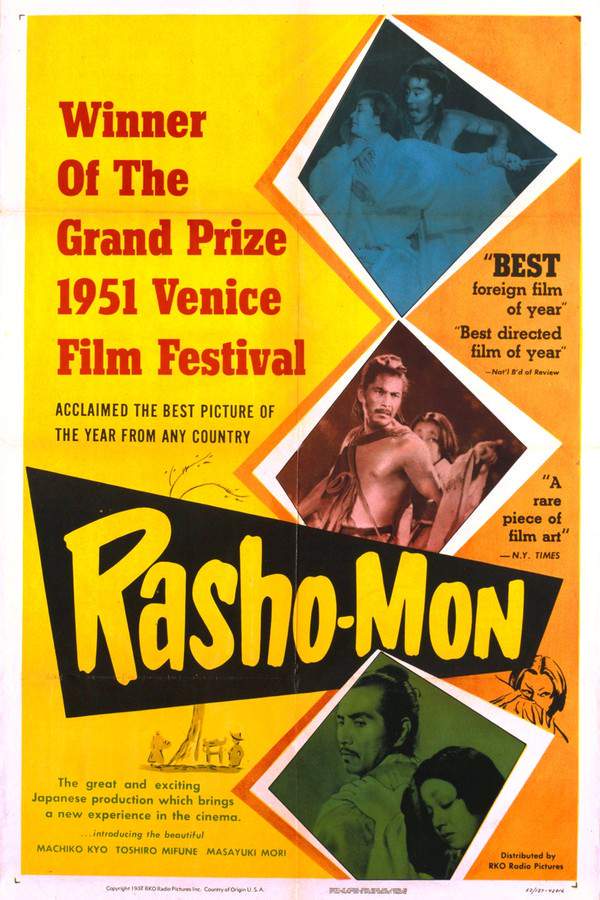
A samurai's murder in feudal Japan is recounted through four conflicting accounts—the victim's ghost, the samurai's wife, a bandit, and the samurai himself. Each version of events offers a different motive and perspective, raising profound questions about the subjectivity of truth and the fallibility of human memory. The film explores the complexities of morality and the elusive nature of reality, challenging viewers to question what they believe.

Does Rashomon have end credit scenes?
No!
Rashomon does not have end credit scenes. You can leave when the credits roll.
Where to Watch Rashomon
See current US streaming, rental, and purchase options for Rashomon (1951) via JustWatch.

Criterion Channel
HD
HBO Max
HD
HBO Max Amazon Channel
HD
Fawesome
HD
Kanopy
HD
Plex
HD
Plex Channel
HD
Tubi TV
SD
YouTube Free
HD
Amazon Video
HD
Apple TV Store
HD
Fandango At Home
SD Streaming availability powered by 
Meet the Full Cast and Actors of Rashomon
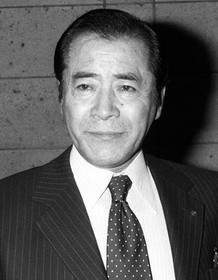
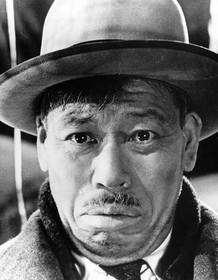
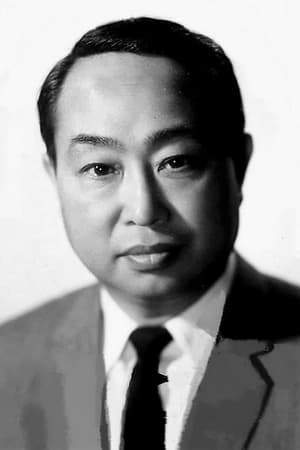
Explore the complete cast of Rashomon, including both lead and supporting actors. Learn who plays each character, discover their past roles and achievements, and find out what makes this ensemble cast stand out in the world of film and television.


External Links and Streaming Options
Discover where to watch Rashomon online, including streaming platforms, rental options, and official sources. Compare reviews, ratings, and in-depth movie information across sites like IMDb, TMDb, Wikipedia or Rotten Tomatoes.










Ratings and Reviews for Rashomon
See how Rashomon is rated across major platforms like IMDb, Metacritic, and TMDb. Compare audience scores and critic reviews to understand where Rashomon stands among top-rated movies in its genre.

98
Metascore
8.4
User Score


%
TOMATOMETER

0%
User Score

81
%
User Score
Take the Ultimate Rashomon Movie Quiz
Challenge your knowledge of Rashomon with this fun and interactive movie quiz. Test yourself on key plot points, iconic characters, hidden details, and memorable moments to see how well you really know the film.
Rashomon Quiz: Test your knowledge on the intricacies and themes of Akira Kurosawa's classic film Rashomon.
What event brings the characters together in the Rashomon gatehouse?
Awards & Nominations for Rashomon
Discover all the awards and nominations received by Rashomon, from Oscars to film festival honors. Learn how Rashomon and its cast and crew have been recognized by critics and the industry alike.
Full Plot Summary and Ending Explained for Rashomon
Read the complete plot summary of Rashomon, including all major events, twists, and the full ending explained in detail. Explore key characters, themes, hidden meanings, and everything you need to understand the story from beginning to end.
Sheltering from a rainstorm, a woodcutter, played by Takashi Shimura, and a priest, portrayed by Minoru Chiaki, find themselves in the ruins of the Rashomon gatehouse, pondering the shocking tale they recently encountered at a murder inquiry in a nearby courthouse. Their conversation is interrupted when a commoner, played by Kichijiro Ueda, expresses a keen interest in hearing the unsettling details of the story that has deeply disturbed the priest. The priest laments the incessant disasters of life, stating that despite the countless tragedies he has witnessed, nothing could prepare him for the horror of this particular account. The woodcutter, bewildered by the events surrounding the murder, hopes that the commoner can assist him in unraveling this perplexing tale.
The woodcutter takes the lead in narrating his experience from three days prior, when he ventured into the mountains in search of firewood. As he walked through the forest, the sunbeams danced through the leaves, casting intricate patterns of light and shadow. His exploration leads him to discover a woman’s hat ensnared in a bush, followed by a samurai’s hat and pieces of rope. It is only when he stumbles upon something partially hidden in the leaves that he realizes he has tripped over a corpse. In a panic, he drops everything—including his axe—and flees to report his findings to the authorities, leading him to the courthouse to testify days later.
In a sunlit courtyard, the woodcutter recounts to the court that he was the first to find the body. When questioned about any weapons or pertinent items, he insists he discovered nothing but the hats and a shiny amulet case, hinting at significant details: the rope’s placement near the body and the amulet’s distinctive red lining.
As the narrative unfolds, the priest recounts a sighting from three days earlier, where he saw a samurai, played by Masayuki Mori, traveling with a woman, beautifully portrayed by Machiko Kyô, on a horse, equipped with a sword and bow. This reflection prompts a poignant consideration of life’s fleeting nature, stirring sympathy for the widow now overwhelmed with grief.
The policeman, depicted by Daisuke Katô, appears next, providing testimony that identifies the captured bandit, Toshirô Mifune, renowned as Tajomaru. The policeman shares the moment of his capture and the circumstances surrounding the murder, suggesting Tajomaru fell from the stolen horse during his escape.
Contrary to the policeman’s narrative, the bandit vehemently denies any wrongdoing, asserting that he merely sought a drink from a spring and insists he knows his fate is sealed. With a bold declaration, he confesses to the murder of the samurai, weaving an extravagant tale of how he initially intended to abduct the woman without harming her husband. Through the bandit’s testimony, presented with bravado yet tinged with arrogance, we catch glimpses of his animalistic nature, highlighted by his carelessness and fly-swatting antics.
As the bandit’s story progresses, it includes details of how he ambushed the samurai under the pretense of leading him to a hidden cache, ultimately binding him and luring the wife into the same trap. In an unexpected twist, the woman surprises both men with a fierce attack, though she ultimately succumbs to the bandit’s charm. Following a passionate and conflicted moment, she desires a duel, challenging the men to settle their fates. This request ignites a fierce but chaotic sword fight, culminating in the samurai’s demise at the hands of the bandit.
Amidst the courtroom drama, the wives’ emotional unraveling serves to highlight her vulnerability and tragic predicament. In a heart-wrenching confession, she reveals that after the bandit’s assault, she found herself at a pond, where memories blur as she grapples with the aftermath of violence and betrayal.
The tales continue to intertwine as different perspectives emerge, revealing layers of manipulation and hidden truths, all leading to a confrontation of moral ambiguity. The woodcutter, witnessing these varying accounts, ultimately grapples with his own recollections of that fateful day. After observing the bandit’s desperate pleas for the woman to join him, and her subsequent rejection, he shares a crucial piece of information that casts doubt on the integrity of the testimonies presented.
In the Rashomon gatehouse, after much debate and skepticism, the commoner and the priest confront the harsh realities of human nature, revealing a society steeped in dishonesty and self-preservation. The commoner cynically points out the inherent flaws in humanity, suggesting that perhaps goodness is merely an illusion we grasp in our attempts to cope with uncomfortable truths.
As the rain begins to let up, a baby’s cry from the wild prompts a profound moment of connection between the woodcutter and the priest, revealing their underlying humanity. Despite the woodcutter’s admission of his minor theft, the priest recognizes the goodness within him and, in a heartfelt exchange, they symbolically reconnect with a sense of faith in mankind. The woodcutter departs into the emerging sunlight, embodying a glimmer of hope amidst the lingering shadows of doubt.

Coming soon on iOS and Android
The Plot Explained Mobile App
From blockbusters to hidden gems — dive into movie stories anytime, anywhere. Save your favorites, discover plots faster, and never miss a twist again.
Sign up to be the first to know when we launch. Your email stays private — always.
Explore the mobile appWatch Trailers, Clips & Behind-the-Scenes for Rashomon
Watch official trailers, exclusive clips, cast interviews, and behind-the-scenes footage from Rashomon. Dive deeper into the making of the film, its standout moments, and key production insights.
Rashomon Themes and Keywords
Discover the central themes, ideas, and keywords that define the movie’s story, tone, and message. Analyze the film’s deeper meanings, genre influences, and recurring concepts.
Rashomon Other Names and Titles
Explore the various alternative titles, translations, and other names used for Rashomon across different regions and languages. Understand how the film is marketed and recognized worldwide.
Articles, Reviews & Explainers About Rashomon
Stay updated on Rashomon with in-depth articles, critical reviews, and ending explainers. Explore hidden meanings, major themes, and expert insights into the film’s story and impact.


Similar Movies To Rashomon You Should Know About
Browse a curated list of movies similar in genre, tone, characters, or story structure. Discover new titles like the one you're watching, perfect for fans of related plots, vibes, or cinematic styles.






Quick Links: Summary, Cast, Ratings, More

What's After the Movie?
Not sure whether to stay after the credits? Find out!
Check out our other apps:

SAT Sphere
Build confidence for the Digital SAT.

Mori Atlas
Discover wild places worth protecting.

Luntero
Search smarter for a home in Amsterdam.

Plot Explained
Unravel movie endings and hidden clues.

Pokechamp
Dive into Pokémon data and battle logic.

Driving Theory
Get ready for your European theory test.

Movie Dust
Plan your next cinema trip with ease.

Musemap
Find art and culture as you travel.

Selkobase
Compare credentials before committing.

Local Manual
Turn an unfamiliar country into practical next steps.

Lernavi
Compare school systems before your next move.

GymRoam
Find a workout stop wherever your plans take you.
Explore Our Movie Platform
New Movie Releases (2026)
Famous Movie Actors
Top Film Production Studios
Movie Plot Summaries & Endings
Major Movie Awards & Winners
Best Concert Films & Music Documentaries
Movie Collections and Curated Lists
© 2026 What's After the Movie. All rights reserved.
Privacy Policy