Sanjuro 1962


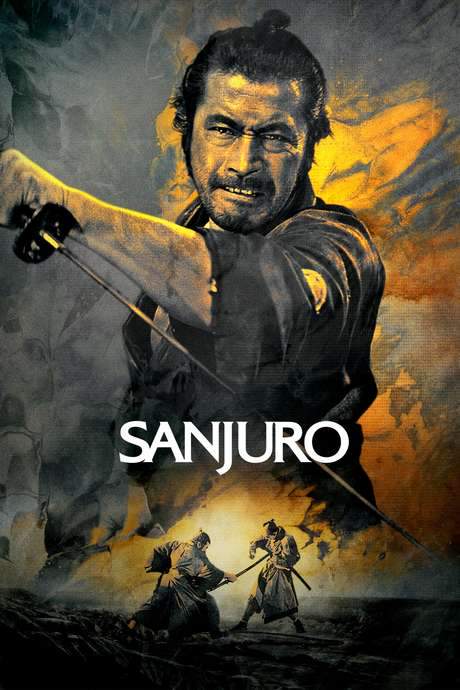
Toshiro Mifune delivers razor‑sharp wit and swagger as the jaded ronin Sanjuro, who, in this tightly paced sequel to Yojimbo, is hired by idealistic young warriors. He helps them purge their clan of corrupt officials, turning their naïve notion of the perfect samurai upside down with brilliant comic flair and striking composition.

Does Sanjuro have end credit scenes?
No!
Sanjuro does not have end credit scenes. You can leave when the credits roll.
Where to Watch Sanjuro
See current US streaming, rental, and purchase options for Sanjuro (1962) via JustWatch.





Meet the Full Cast and Actors of Sanjuro
Explore the complete cast of Sanjuro, including both lead and supporting actors. Learn who plays each character, discover their past roles and achievements, and find out what makes this ensemble cast stand out in the world of film and television.
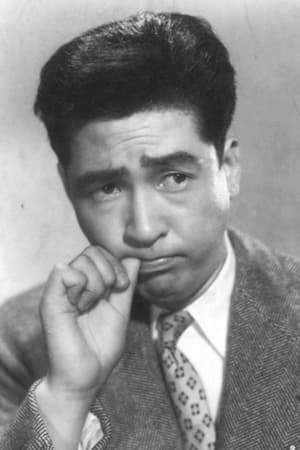
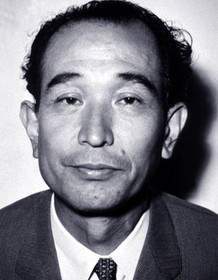
Keiju Kobayashi
The Spy
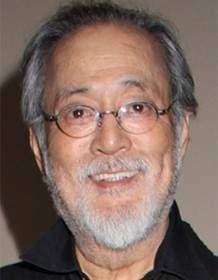
Tatsuya Nakadai
Hanbei Muroto
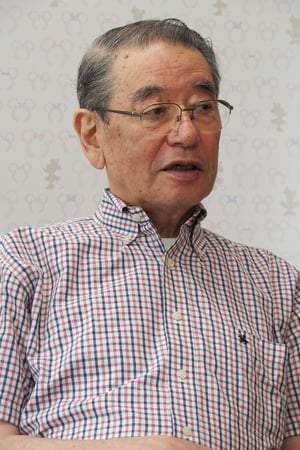
Tatsuyoshi Ehara
Samurai
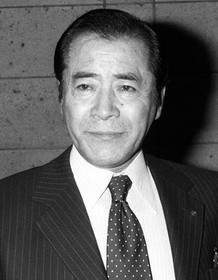
Toshirô Mifune
Sanjûrô Tsubaki / The ronin

Reiko Dan
Chidori, Mutsuta's daughter

Yûzô Kayama
Iori Izaka
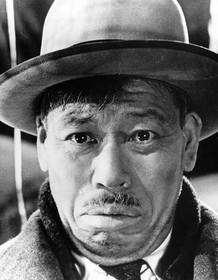
Takashi Shimura
Kurofuji
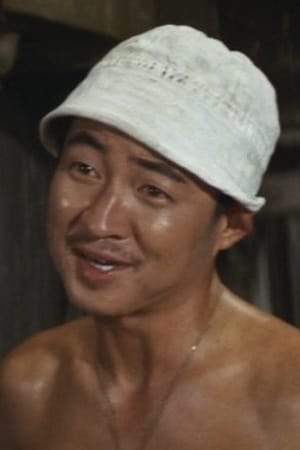
Hiroshi Tachikawa
Samurai
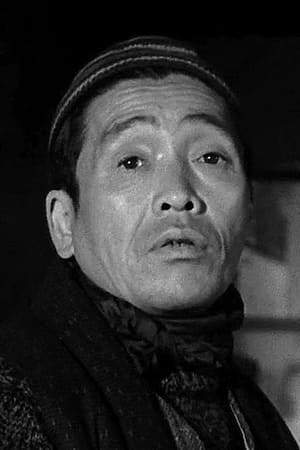
Kamatari Fujiwara
Takebayashi
Akihiko Hirata
Samurai
Masao Shimizu
Kikui
Sachio Sakai
Samurai
Yoshio Tsuchiya
Samurai
Toranosuke Ogawa
Akira Kubo
Samurai
Kunie Tanaka
Samurai
Yutaka Sada
Murota samurai
Shōichi Hirose
Takako Irie
Mutsuta's wife
Yūnosuke Itō
Mutsuta, the Chamberlain
Gen Shimizu
Minoru Itō
Kōji Uruki
Toshiko Higuchi
Maid Koyso
Kenzô Matsui
Samurai
Tatsuhiko Namisato
Samurai
Shin Ōtomo
Hiroyoshi Yamaguchi
Fuminori Ōhashi
External Links and Streaming Options
Discover where to watch Sanjuro online, including streaming platforms, rental options, and official sources. Compare reviews, ratings, and in-depth movie information across sites like IMDb, TMDb, Wikipedia or JustWatch.






Take the Ultimate Sanjuro Movie Quiz
Challenge your knowledge of Sanjuro with this fun and interactive movie quiz. Test yourself on key plot points, iconic characters, hidden details, and memorable moments to see how well you really know the film.
Sanjuro (1962) Quiz: Test your knowledge of the classic samurai film directed by Akira Kurosawa, focusing on the plot, characters, and key themes.
What is the name of the wandering rōnin who helps the nine young samurai?
Full Plot Summary and Ending Explained for Sanjuro
Read the complete plot summary of Sanjuro, including all major events, twists, and the full ending explained in detail. Explore key characters, themes, hidden meanings, and everything you need to understand the story from beginning to end.
Nine young samurai believe that the lord chamberlain, Mutsuta, is corrupt after he tears up their petition against fraud at court. Yūnosuke Itō plays Mutsuta, and the rumor reaches the eyes and ears of the palace’s tensions when one of the conspirators reports to the overseer Kikui, Masao Shimizu, who agrees to intervene. The nine convene secretly at a shrine to weigh their options, but a wandering rōnin overhears their talk and cautions them not to put their trust in the superintendent. At first, the boys doubt him, yet the stranger proves useful by defending them from an ambush, sparing their lives and buying them time. As the dust settles, the improvised rescue makes it clear to the rōnin that Mutsuta and his kin may be in immediate danger, and he chooses to stay and help rather than walk away.
When the samurai reach Mutsuta’s house, they discover that the chamberlain has already been abducted and that his wife and daughter are being kept as leverage. The rōnin, who has begun to earn their trust, suggests a bold plan: a servant in the house will get the guards drunk, enabling the samurai to free the women. They move quickly to a nearby house to hide, while the family members remain under protection there. The moment of truth comes when Mutsuta’s wife asks the enigmatic rescuer for his name, and the rōnin looks out at the camellia trees around the compound and declares himself Sanjūrō Tsubaki, the “thirty-year-old camellia.” The legend quickly grows in the room, and a sharp exchange follows as the woman notes that Sanjūrō’s sword has not found its sheath often enough, chiding that the best sword is kept in its sheath.
From that point, Sanjūrō decides to get closer to the corrupt officials and infiltrates their circle by joining the henchman Hanbei, who had earlier offered him a role after the shrine ambush. The samurai, wary of the newcomer, keep a wary eye on him, while Sanjūrō realizes he is being tailed and shadowed. The rōnin’s cover is threatened when he is seen by the guards, and Hanbei heads off to request reinforcements, leaving the rest to monitor whether the conspiracy runs deeper than a single corruption scheme. In a bold gambit, Sanjūrō frees the four captured samurai, though he must kill the guards who stand in the way. He then tells the others to keep him bound for the moment, explaining to Hanbei on return that he did not want to die for a cause in which he had no stake.
The whereabouts of Mutsuta remain unknown until the next day, when a fragment of the torn petition surfaces in the stream that runs from the superintendent’s compound toward the hideout. With an outright assault on the officials impractical while the compound is bristling with armed guards, Sanjūrō devises a plan to draw away the army by reporting to Hanbei that he had seen rebels at a temple where he was sleeping. Meanwhile, he instructs his companions that the signal to attack would be sent by releasing a flood of camellias down the stream. The ruse seems to work at first: the superintendent’s forces race off to the temple, and the plan looks like it might pay off.
Yet trust is fragile. Hanbei grows suspicious when he spies Sanjūrō attempting to drop more camellias into the stream and takes the opportunity to bind him again. Just as Hanbei is about to kill him, the officials realize that Sanjūrō has outplayed them—his temple description was a feint, and time is lost while they reconsider their approach. They urge Hanbei not to waste more time and instead race to catch up with the retreating troops. But Sanjūrō has already turned the tables, tricking them into signaling for the samurai to come to the rescue. When Hanbei returns, he finds that he has once again been made a fool of.
With the tide turning, Mutsuta is reinstated to his rightful position, and the official overseeing the affair commits hara-kiri, much to the chamberlain’s regret, since he hoped to avoid a public scandal. The victory is tempered by a sense of bittersweet celebration as Mutsuta’s wife and daughter—whom the samurai had hoped to protect—rejoice at the relief, only to discover that Sanjūrō has slipped away in the chaos. The samurai race to locate him, while Hanbei prepares for a final confrontation, ready to settle the matter with a duel.
Sanjūrō, however, is reluctant to engage in a pure duel for its own sake. He tries to dissuade Hanbei from pursuing violence for its own sake, but Hanbei’s fury at losing dignity drives him toward a fatal clash. The two men clash, and Sanjūrō’s speed proves decisive; he kills Hanbei and ends the direct threat. The next moment belongs to the crowd of young samurai who cheer the apparent victory, but Sanjūrō’s mood hardens: he sees that Hanbei’s path is a mirror of his own restless energy and the endless cycle of violence that comes with it. He warns his followers that loyalty without attachment can still be dangerous, and that those who chase after him do so at their own risk. The film closes with Sanjūrō walking away as his admirers bow, recognizing that a sword unsheathed is both power and burden, and that true peace may require leaving others behind.
the best sword is kept in its sheath.

Coming soon on iOS and Android
The Plot Explained Mobile App
From blockbusters to hidden gems — dive into movie stories anytime, anywhere. Save your favorites, discover plots faster, and never miss a twist again.
Sign up to be the first to know when we launch. Your email stays private — always.
Explore the mobile appWatch Trailers, Clips & Behind-the-Scenes for Sanjuro
Watch official trailers, exclusive clips, cast interviews, and behind-the-scenes footage from Sanjuro. Dive deeper into the making of the film, its standout moments, and key production insights.
Sanjuro Themes and Keywords
Discover the central themes, ideas, and keywords that define the movie’s story, tone, and message. Analyze the film’s deeper meanings, genre influences, and recurring concepts.
Sanjuro Other Names and Titles
Explore the various alternative titles, translations, and other names used for Sanjuro across different regions and languages. Understand how the film is marketed and recognized worldwide.
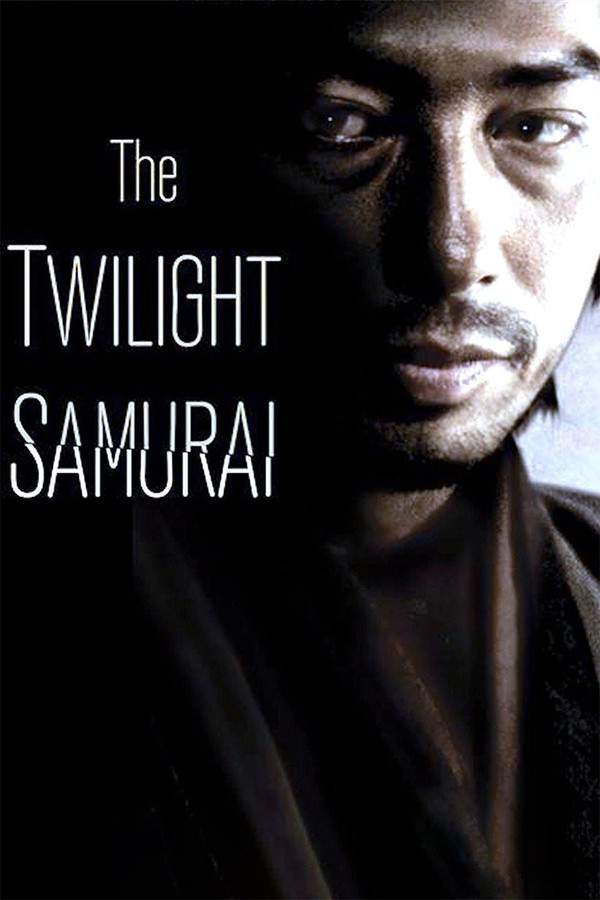
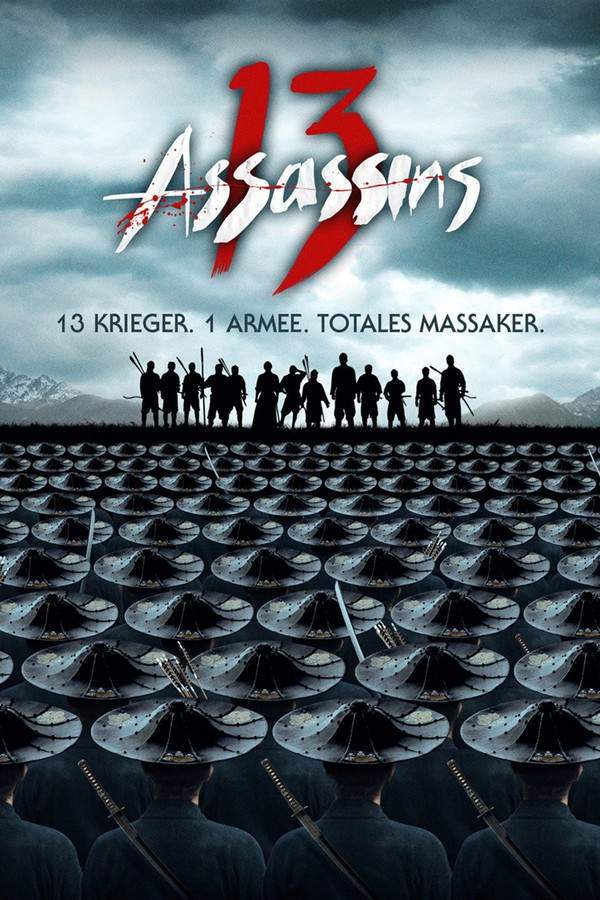
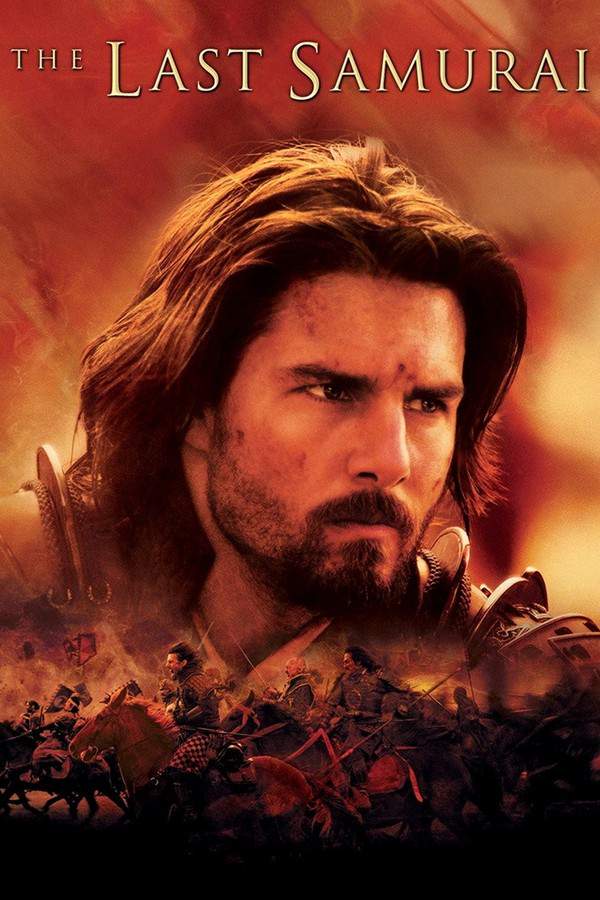
Similar Movies To Sanjuro You Should Know About
Browse a curated list of movies similar in genre, tone, characters, or story structure. Discover new titles like the one you're watching, perfect for fans of related plots, vibes, or cinematic styles.



Quick Links: Summary, Cast, Ratings, More

What's After the Movie?
Not sure whether to stay after the credits? Find out!
Check out our other apps:

SAT Sphere
Build confidence for the Digital SAT.

Mori Atlas
Discover wild places worth protecting.

Luntero
Search smarter for a home in Amsterdam.

Plot Explained
Unravel movie endings and hidden clues.

Pokechamp
Dive into Pokémon data and battle logic.

Driving Theory
Get ready for your European theory test.

Movie Dust
Plan your next cinema trip with ease.

Musemap
Find art and culture as you travel.

Selkobase
Compare credentials before committing.

Local Manual
Turn an unfamiliar country into practical next steps.

Lernavi
Compare school systems before your next move.

GymRoam
Find a workout stop wherever your plans take you.
Explore Our Movie Platform
New Movie Releases (2026)
Famous Movie Actors
Top Film Production Studios
Movie Plot Summaries & Endings
Major Movie Awards & Winners
Best Concert Films & Music Documentaries
Movie Collections and Curated Lists
© 2026 What's After the Movie. All rights reserved.
Privacy Policy